how to clean a breathing vaporizer chamber?
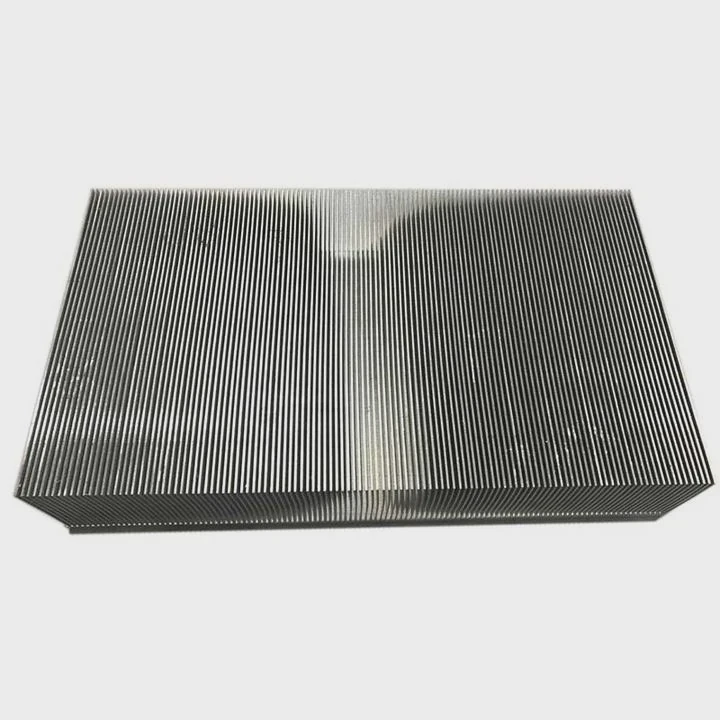
I see many users struggle with dirty vaporizer chambers. I know the stress when the chamber turns dark and airflow drops. I felt the same frustration the first time I cleaned my own unit.
The best way to clean a breathing vaporizer chamber is to use simple tools, soft materials, and gentle agents that remove residue without damaging the surface. This keeps airflow smooth and extends the device life.
I want to share the methods that helped me keep my own chamber clean and stable. When I follow these steps, the device works better and gives more stable output each day.
What tools clean a vaporizer safely?
I know many people feel unsure when they choose cleaning tools. Some fear damaging the chamber surface. I remember when I used a metal pick once and left a tiny scratch. I learned my lesson and never used hard tools again.
Safe vaporizer cleaning tools include soft brushes, cotton swabs, microfiber cloths, warm water, and mild alcohol wipes. These tools lift residue without harming the chamber wall or airflow path.
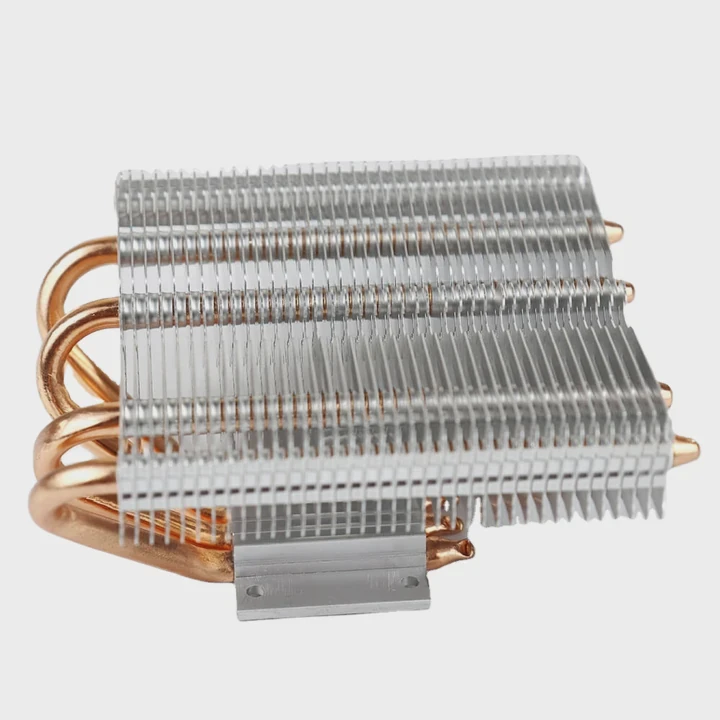
The right tools make cleaning easy
When I clean a chamber today, I choose tools that do not press too hard on the metal or ceramic surface. I learned that a soft touch is enough. A vaporizer chamber collects dry residue, oils, and small debris. These layers do not need force to remove them. They need patience and the right shape of tool.
I like to keep my cleaning tools simple. Here is a table that shows the basic tools I use and why I use them:
| Tool | Why I Use It | Risk Level |
|---|---|---|
| Soft brush | Removes loose dust | Very low |
| Cotton swab | Reaches tight corners | Very low |
| Microfiber cloth | Wipes oil films | Very low |
| Plastic scraper | Removes dry flakes | Low |
| Mild alcohol wipe | Lifts stubborn spots | Low |
How I use each tool step by step
I follow a small routine every week. This routine helps me keep the chamber fresh, so buildup never becomes hard to remove.
- I open the chamber and let it cool to room temperature.
- I use a soft brush to remove the loose dust.
- I use a dry cotton swab to lift the flakes near the edges.
- I use a cloth with a bit of warm water to clean the flat areas.
- I finish with a mild alcohol wipe to remove the oily film.
Why soft tools protect the chamber
The chamber surface usually has a smooth coating that helps heat move in a stable way. Hard tools can scratch this coating. A scratch changes the airflow. It also traps dirt faster. I want to avoid that. When I keep the surface smooth, the chamber heats evenly. The device works better. I save repair costs. I also breathe cleaner output.
How do you remove residue properly?
Many users try to remove residue too fast. I know the feeling. I used to scrape hard because I wanted the chamber to look shiny. I learned that a slow method works better and protects the surface.
The best way to remove residue is to soften it with warm air or mild alcohol, loosen it with a soft tool, and wipe it gently until the layer lifts without force.
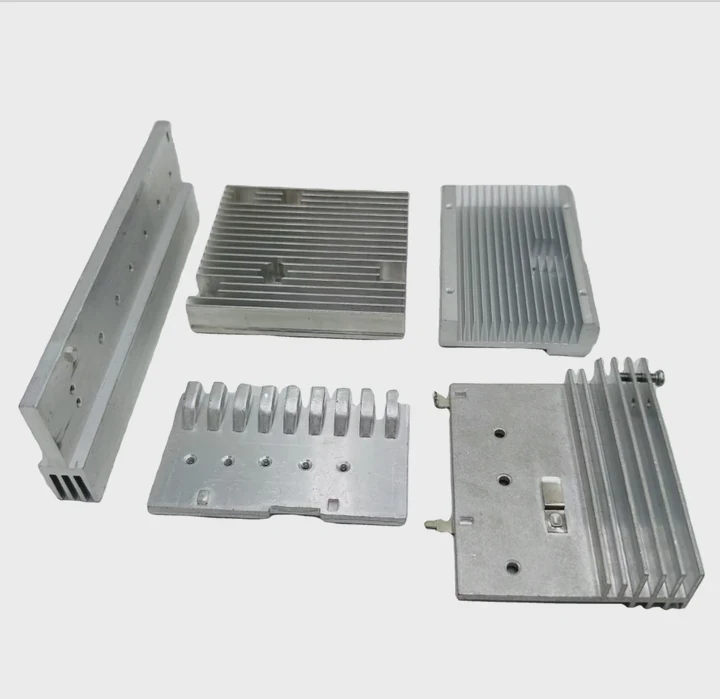
Residue forms in layers
Residue builds in thin layers after each use. Some layers are dry and powder-like. Other layers become sticky. When heat touches oils, they turn into film. This film sticks to the wall. If I do not clean it soon, it turns darker and harder. So I treat each layer with the right method.
A simple table that shows residue types and removal methods
| Residue Type | How It Forms | How I Remove It |
|---|---|---|
| Dry dust | Light vapor buildup | Brush lightly |
| Sticky oil | Heated oils | Warm water + cloth |
| Dark film | Old residue | Mild alcohol wipe |
| Hard flakes | Layered buildup | Soft plastic scraper |
How I remove residue in a safe sequence
I follow a simple rule: I loosen first, then remove, then polish.
Step 1: Loosen the buildup
I turn on the device for a short moment to warm the chamber. I keep the temperature low. The goal is to soften the residue. I turn it off and wait a moment until it is safe to touch.
Step 2: Use a soft tool
I use cotton swabs to lift softened residue. I roll the swab instead of rubbing it. This pulls the residue off the surface.
Step 3: Use mild alcohol
If the residue is sticky, I use mild alcohol wipes. I avoid soaking the chamber. I wipe slowly until the film lifts.
Step 4: Dry the chamber
I keep the chamber open until all moisture is gone. This prevents new buildup and keeps airflow smooth.
Why gentle removal matters
When I remove residue with a soft method, the chamber stays smooth. This increases performance. It also keeps heat transfer stable. I learned that when the chamber wall is clean, the device runs cooler. It also lasts longer. My airflow becomes clean and stable.
Why avoid harsh chemicals when cleaning?
Some people use strong chemicals because they want fast cleaning. I tried this once many years ago. The chamber lost its shine. It also smelled strange. That day, I realized I damaged the coating. After that, I never used harsh cleaners again.
Harsh chemicals can damage chamber coatings, leave harmful fumes, weaken metal surfaces, and reduce the device life. Gentle agents clean well without side effects.
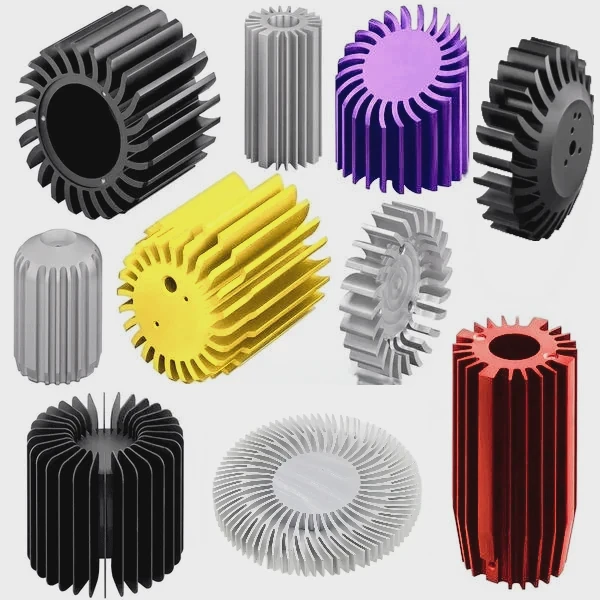
How chemicals affect chamber materials
A vaporizer chamber may use aluminum, ceramic, or coated metal. These surfaces react to strong chemicals. When the chemical is too strong, it strips the coating. When the coating is gone, heat flows unevenly. The chamber ages faster. The airflow may also smell strange.
A look at common chemical mistakes
I have seen people use bleach, strong alcohol, or industrial cleaners. These chemicals may seem strong enough to clean the chamber, but they harm the surface.
I list the mistakes I see often:
- Using bleach
- Using strong alcohol with very high purity
- Using metal polish
- Using disinfectant sprays
- Soaking the chamber in liquid
All these methods create long-term damage.
Mild cleaners work better
I use warm water, mild alcohol wipes, and soft tools. These remove dirt and oil without affecting the chamber wall. When I keep the cleaning process simple, I protect the chamber. The device smells clean. The airflow stays pure. The performance remains stable.
How fumes affect breathing
A vaporizer chamber must stay free of chemical smell. When the surface absorbs harsh chemicals, it may release fumes at high temperature. This is harmful. So I always choose mild cleaners. They clean the chamber, but they do not leave smell. I feel safe when I use the device after a gentle cleaning.
Can deep cleaning restore performance?
Many people ask me if deep cleaning can make a device feel new again. I say yes, because I have done it many times. When residue builds up, the device loses airflow and produces uneven heat. Deep cleaning can solve these issues.
Deep cleaning restores performance by removing old residue layers, reopening airflow paths, and bringing back smooth heat transfer inside the chamber.
What deep cleaning means
Deep cleaning is not the same as daily cleaning. Daily cleaning removes fresh residue. Deep cleaning goes further. It removes layers that have stayed on the chamber wall for a long time. These layers reduce heat flow. They also block air channels. When I perform a deep clean, I remove everything until the surface feels smooth again.
When I choose deep cleaning
I do deep cleaning when:
- Airflow becomes weak
- Vapor feels heavy
- Chamber looks dark
- Smell becomes strange
- Heat feels uneven
When two or more signs appear, I know it is time for a deep clean.
How I do deep cleaning step by step
Step 1: Inspect the chamber
I check the edges and corners. I look at the color. If I see dark spots, I note them. I plan how to remove them.
Step 2: Warm and soften
I use low heat to soften the residue. I do not rush this part. Heat helps loosen old layers.
Step 3: Use a scraper, but soft
I use a soft plastic scraper. I avoid metal tools. I press lightly. I remove flakes one layer at a time. This method protects the surface.
Step 4: Use alcohol wipes
I use mild alcohol wipes to clean old film. I use slow circles. I use fresh wipes for each area.
Step 5: Clean corners
Residue hides in corners. I use cotton swabs to clean these areas. I turn the swab often to catch the residue.
Step 6: Let the chamber dry
I keep the chamber open for a long time. I want every drop of moisture gone before I use the device again.
How deep cleaning improves performance
When I finish deep cleaning, the chamber feels smooth. Airflow becomes easy. Heat spreads evenly. Vapor becomes clean and clear. The device works like new again. I believe deep cleaning is the best way to bring back lost performance.
Conclusion
Deep cleaning a breathing vaporizer chamber helps keep airflow smooth and heat stable. When I use soft tools and gentle cleaners, the chamber stays safe, clean, and performs like new.
TAGS
Latest Articles

Volume discount levels for heat sink orders?
Buyers often ask when heat sink prices start to drop with volume. Many worry they’re overpaying for small orders. This guide explains how B2B volume pricing works for thermal components. Heat sink
21 Dec,2025
Heat sink long-term supply contract options?
Many buyers want stable pricing and reliable delivery for heat sinks. But without a clear contract, risks grow over time. This article explores how to secure better long-term supply deals. Long-term
21 Dec,2025
Tooling cost for new heat sink profiles?
Many engineers struggle to understand why tooling for custom heat sinks costs so much. They worry about budgeting and production timelines. This article breaks down the cost drivers behind tooling.
21 Dec,2025
Heat sink custom sample process steps?
Sometimes, starting a custom heat sink project feels overwhelming—too many steps, too many unknowns, and too many risks. You want a sample, but not endless delays. The process for requesting and
20 Dec,2025
Standard B2B terms for heat sink payments?
When buyers and sellers in B2B heat sink markets talk about payment, many don’t fully understand what’s standard. This can lead to delayed orders, miscommunication, and even lost business
20 Dec,2025
Heat sink pricing factors for large orders?
Heat sinks are vital for many systems. When prices rise, projects stall and budgets break. This problem can hit teams hard without warning. Large order heat sink pricing depends on many factors. You
20 Dec,2025Related Articles
- how to calculate capillary limit in vapor chamber?
- How does Xbox One X vapor chamber work?
- how does xbox one x vapor chamber cooling work?
- how does vapor chamber cpu coolers work?
- how does vapor chamber cooling work on laptop?
- how does a vapor chamber heatsink work?
- how to clean trippy stix vapor chamber?
- how to clean vaporizer chamber?
- how to clean wax vaporizer chamber?
- how to lower vapor pressure in a chamber?
- how to make a vapor chamber?
- how to make a vapor deposition chamber?
Author
Dr. Emily Chen
Chief AI Researcher
Leading expert in thermal dynamics and AI optimization with over 15 years of experience in data center efficiency research.
Categories
Latest Products






Recommend Categories
- Liquid cooling plate Manufacturer
- Industrial Heat Sink Manufacturer
- Standard Heat Sink Manufacturer
- Aluminum Heat Sink Manufacturer
- Copper Heat Sink Manufacturer
- Anodized Heatsink Manufacturer
- Stamping heat sink Manufacturer
- Die Casting Heatsink Manufacturer
- Soldering heat sink Manufacturer
- CNC Parts Manufacturer
Latest Products
- Wholesale Aluminum Radiator
- Water Cooling Plate Kit
- Water Cooling Heat Sink
- Water Cooling Heat Sink Kit
- Stainless Steel Water Distributor
- Server Water Cooling Plate Kit
- Server Liquid Cooling System
- Server Aluminum Cooling Kit
- S19 Full Cover Cooling Plate
- S19 Cooling Plate Kit
- S19 Aluminum Cooling Plate
Contact Expert
Have questions about this article? Reach out to our experts directly.