How to make vapor chamber?
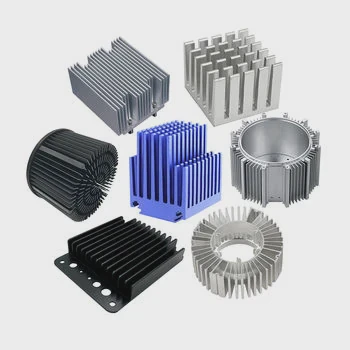
I once tried to build my own small vapor chamber for a test project, and I remember how confused I felt when I looked at the metal plates and tiny wick materials on my table.
A vapor chamber is made by sealing two metal plates with a wick, filling a small amount of working fluid, and pulling the air out to form a vacuum so the liquid can boil at low temperature.
I want to guide you through the basic ideas behind building one, the tools you need, why pressure matters, how thickness changes performance, and if DIY versions can reach the level of industry products.
What tools are required for fabrication?
I remember my first attempt. I used simple tools to test the idea, and the chamber leaked in less than one hour. That failure taught me which tools are truly needed.
To make a vapor chamber, you need tools for metal forming, surface cleaning, wick placement, sealing, vacuum pumping, and leak testing. Without these steps, the chamber will not hold pressure or move heat well.
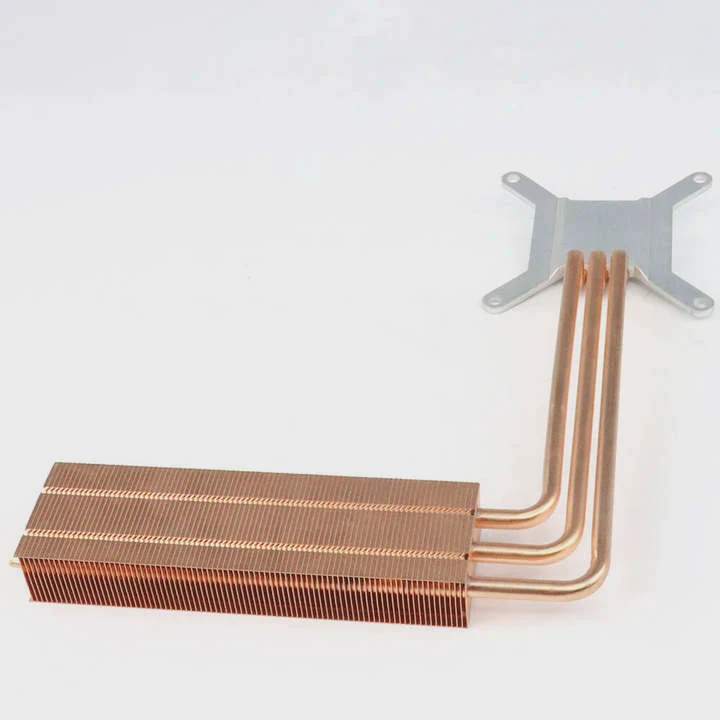
When I look deeper at this process, I see that building a vapor chamber needs more than metal plates. It needs stable and clean conditions. Small flaws cause leaks. Small particles block wicks. These issues stop the chamber from working. I learned this the hard way when I tried simple soldering for sealing. The joint failed under vacuum.
H3: Core tools used in vapor chamber fabrication
Vapor chamber building uses several steps. Each step needs the right tool. Below are the common ones I used or saw in workshops:
- Metal cutting tools
- Sheet forming tools
- Cleaning tank with ultrasonic cleaning
- Sintering furnace (for wick preparation)
- Welding or brazing tools
- Vacuum pump system
- Helium leak tester or water bath tester
- Filling needle or micro-valve tools
These tools support both the inner design and the outer shell. They also ensure the chamber keeps stable pressure.
H3: Why wick preparation tools matter
The wick is the heart of the chamber. Without a wick, the liquid cannot return to the hot zone. I once tried to make a wick with simple mesh, and it worked, but not well. A sintered wick needs a furnace. A grooved wick needs a cutting tool. Each type needs different gear.
Table: Basic fabrication tools overview
| Tool Type | Purpose | Notes |
|---|---|---|
| Metal forming tools | Shape shell plates | Must keep tolerance |
| Ultrasonic cleaner | Remove oil and dirt | Cleanliness matters |
| Sintering furnace | Make wick layer | Needed for sintered metal |
| Brazing/welding tools | Seal edge | Must avoid leaks |
| Vacuum pump | Pull air out | Weak pump reduces performance |
| Leak tester | Check seal | Ensures long-term stability |
H3: Why basic tools are not enough
Many makers try to build vapor chambers with simple clamps and solder. That often fails. The chamber may work for minutes, but the pressure will drift. Good chambers need strong seals, clean inner space, and stable wick. These steps need stronger tools.
How does pressure control matter?
I once filled a small chamber with too much fluid and left too much air inside. The chamber heated fast and bubbled inside. It did not cool at all. That moment taught me how sensitive the system is to pressure.
Pressure control matters because the boiling point of the fluid depends on it. A lower pressure lets the fluid boil at a lower temperature, which makes the vapor chamber move heat fast and stay stable.
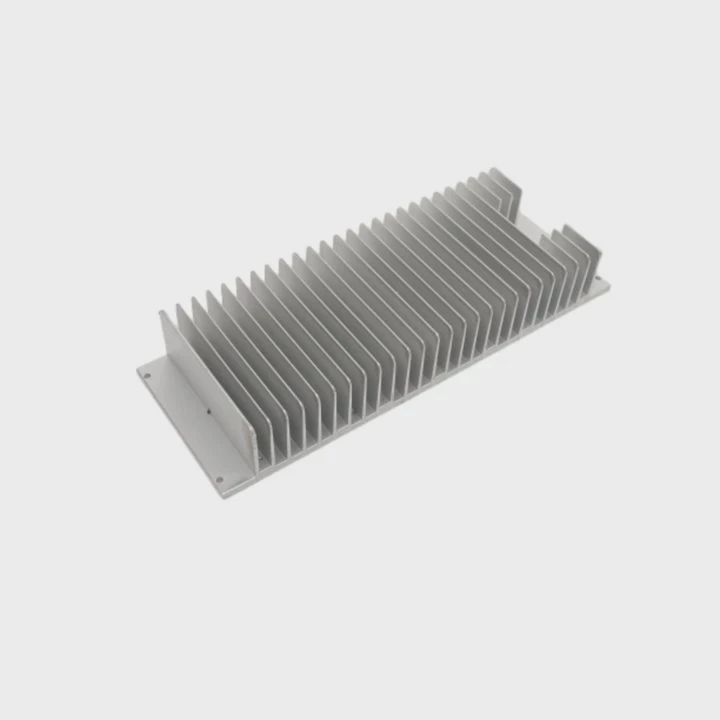
When I look at how pressure affects the chamber, I see a simple rule: less air equals better performance. Air blocks vapor flow. Air also changes boiling behavior. So, removing air is the most important step in fabrication.
H3: How pressure affects boiling
Inside the chamber, the fluid boils when the chip heats the metal plate. If the pressure is low, this boiling happens early. If the pressure is high, boiling needs more heat. Early boiling is good because it spreads heat fast. Late boiling makes hotspots worse.
H3: What happens when pressure is wrong
I saw several failure signs in my tests:
- Delayed boiling
- Weak vapor flow
- Poor heat spreading
- Hotspots near the heat source
- Instability during load changes
These signs show pressure inside was too high. That happens when the pump is weak or when the chamber leaks after sealing.
Table: Pressure and performance behavior
| Pressure Level | Boiling Temperature | Performance Outcome |
|---|---|---|
| Very low | Very low | Fast heat movement |
| Medium | Moderate | Delayed response |
| Too high | High | Poor cooling |
| Drifting | Unstable | Changes over time |
H3: Why vacuum pumping is a critical step
The pump must remove almost all air. High-end pumps reach deep vacuum. DIY pumps often do not. That is why many DIY chambers only work at low power. They cannot create the same environment used in commercial products. A proper vacuum also keeps performance stable for years.
Why chamber thickness impacts cooling?
I once built a test piece with thick plates because I wanted it to be strong. But it spread heat very slowly. Later I made a thinner one, and the heat spread much faster. This change showed me how thickness shapes performance.
Chamber thickness changes cooling because thin plates spread heat quickly and let vapor flow smoothly, while thick plates slow heat transfer and reduce the chamber’s reaction speed.
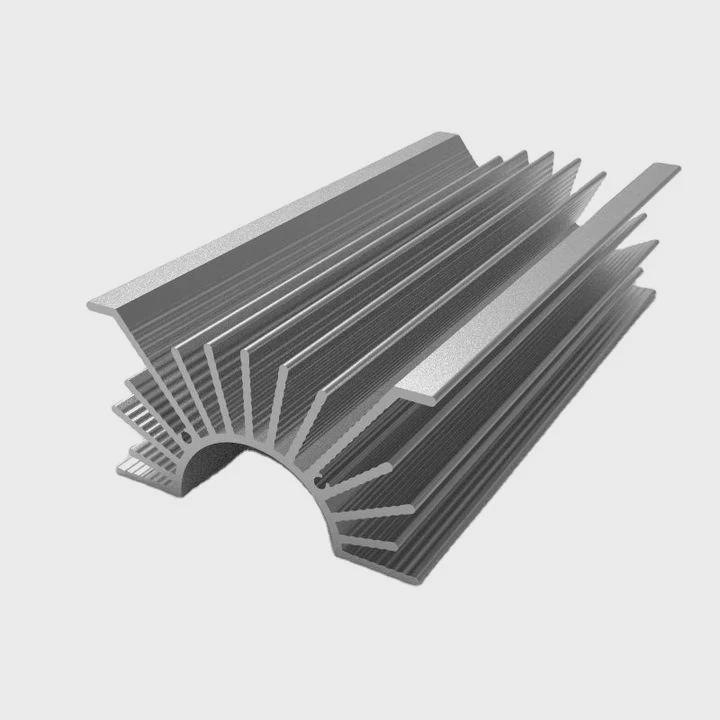
When I look deeper, I see two thickness factors: the metal shell and the vapor gap. Both affect how the chamber moves heat.
H3: How shell thickness changes performance
Thin plates conduct heat faster. They also respond faster when the chip temperature jumps. That fast response keeps hotspots small. Thick plates add strength, but they raise thermal resistance. Higher resistance slows down the whole system.
H3: How vapor gap affects flow
The vapor gap is the inner height between plates. A tall gap lets vapor move freely, but it also spreads pressure unevenly. A small gap keeps vapor close to the heat source. That improves spreading. But if too small, the wick may block the path.
H3: Thickness tradeoffs
In my own tests, I saw the following pattern:
- Very thin plate → fast heat spread but more bending
- Medium thin plate → best all-around performance
- Thick plate → strong shape but slow cooling
Table: Thickness and cooling effect
| Thickness | Benefit | Problem |
|---|---|---|
| Thin | Fast heat flow | Can deform easily |
| Medium | Balanced | Still needs strong seal |
| Thick | Strong | Slow heat response |
H3: Why industry uses thin plates
Most factories use thin copper or aluminum plates with high flatness. They control the thickness within very small tolerance. This accuracy ensures even vapor flow. DIY work often cannot reach this level. That is why DIY plates may warp under heat and lose efficiency.
Can DIY chambers match industry ones?
I spent months testing homemade chambers. Some worked for light loads. Some failed fast. These trials helped me understand what makes industry chambers so strong.
DIY chambers can work for learning and low-power tests, but they rarely match the strength, vacuum quality, wick structure, and long-term stability of industry products.
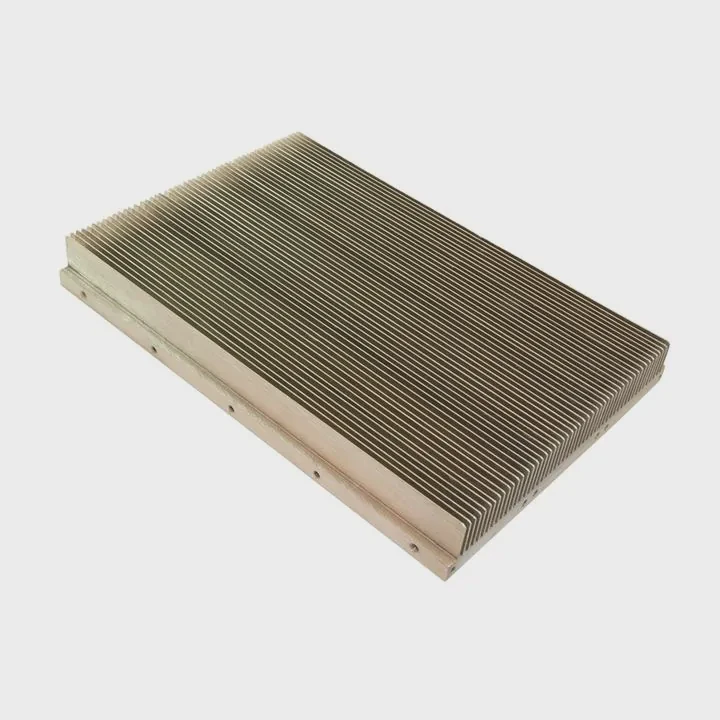
When I compare both, I see big differences in tools, precision, and seals. Industry chambers use strong vacuum pumps, clean rooms, controlled sintering, laser welding, and strict leak testing. DIY versions often skip these steps.
H3: Where DIY works well
DIY chambers can show basic vapor movement. They can cool small chips. They can help with science projects. They teach how pressure, wicks, and boiling work. I learned a lot from my own builds.
H3: Where DIY falls short
In my experience, the main issues were:
- Weak vacuum quality
- Poor sealing
- Wick not uniform
- Fluid amount hard to control
- Short performance life
- Pressure drifting with time
These issues show why DIY versions rarely match industry chambers. They work, but not at high power.
H3: Why industry chambers perform better
Factories use:
- Precision cutting
- Controlled sintering
- Laser welding
- Strong vacuum systems
- Helium leak testing
These steps create chambers that last years. They also keep performance stable. DIY builds cannot reach this level without expensive gear.
Table: DIY vs industry comparison
| Feature | DIY | Industry |
|---|---|---|
| Vacuum level | Low to medium | Very high |
| Wick quality | Simple mesh | Uniform sintered wick |
| Seal strength | Medium | Strong laser or brazed seal |
| Stability | Limited | Long-term |
| Power handling | Low | High |
H3: When DIY is enough
DIY is fine for small tests. It is fine for learning. It is fine when you want to understand the idea. But if you need stable cooling for a high-power chip, industry chambers are the only choice.
Conclusion
A vapor chamber needs the right tools, strong pressure control, and the right thickness to work well. DIY builds can teach the basics, but industry chambers deliver the strength and performance needed for real high-power cooling.
TAGS
Latest Articles

Volume discount levels for heat sink orders?
Buyers often ask when heat sink prices start to drop with volume. Many worry they’re overpaying for small orders. This guide explains how B2B volume pricing works for thermal components. Heat sink
21 Dec,2025
Heat sink long-term supply contract options?
Many buyers want stable pricing and reliable delivery for heat sinks. But without a clear contract, risks grow over time. This article explores how to secure better long-term supply deals. Long-term
21 Dec,2025
Tooling cost for new heat sink profiles?
Many engineers struggle to understand why tooling for custom heat sinks costs so much. They worry about budgeting and production timelines. This article breaks down the cost drivers behind tooling.
21 Dec,2025
Heat sink custom sample process steps?
Sometimes, starting a custom heat sink project feels overwhelming—too many steps, too many unknowns, and too many risks. You want a sample, but not endless delays. The process for requesting and
20 Dec,2025
Standard B2B terms for heat sink payments?
When buyers and sellers in B2B heat sink markets talk about payment, many don’t fully understand what’s standard. This can lead to delayed orders, miscommunication, and even lost business
20 Dec,2025
Heat sink pricing factors for large orders?
Heat sinks are vital for many systems. When prices rise, projects stall and budgets break. This problem can hit teams hard without warning. Large order heat sink pricing depends on many factors. You
20 Dec,2025Related Articles
- how to make chemical vapor deposition chamber?
- how to make a vapor deposition chamber?
- how to make a vapor chamber?
- how to lower vapor pressure in a chamber?
- how to clean wax vaporizer chamber?
- how to clean vaporizer chamber?
- is it ok to leave cartridge in vapor chamber?
- is-vc45 vapor chambe?
- was ist vapor chamber?
- what are the advantages to vapor chamber cooling?
- what is a vapor cooling chamber?
- what is iphone vapor chamber?
Author
Dr. Emily Chen
Chief AI Researcher
Leading expert in thermal dynamics and AI optimization with over 15 years of experience in data center efficiency research.
Categories
Latest Products






Recommend Categories
- Liquid cooling plate Manufacturer
- Industrial Heat Sink Manufacturer
- Standard Heat Sink Manufacturer
- Aluminum Heat Sink Manufacturer
- Copper Heat Sink Manufacturer
- Anodized Heatsink Manufacturer
- Stamping heat sink Manufacturer
- Die Casting Heatsink Manufacturer
- Soldering heat sink Manufacturer
- CNC Parts Manufacturer
Latest Products
- Wholesale Aluminum Radiator
- Water Cooling Plate Kit
- Water Cooling Heat Sink
- Water Cooling Heat Sink Kit
- Stainless Steel Water Distributor
- Server Water Cooling Plate Kit
- Server Liquid Cooling System
- Server Aluminum Cooling Kit
- S19 Full Cover Cooling Plate
- S19 Cooling Plate Kit
- S19 Aluminum Cooling Plate
Contact Expert
Have questions about this article? Reach out to our experts directly.