how to make a vapor chamber?
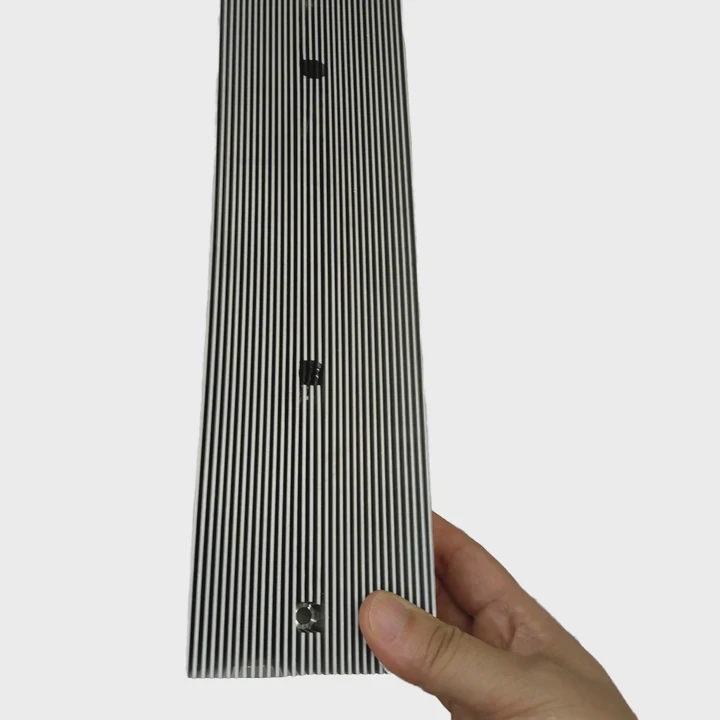
I see many engineers ask how they can make a simple vapor chamber at home, and I know this question often comes from tight budgets or pure curiosity. I also see people feel confused because online answers look too complex.
A DIY vapor chamber is possible, but the process needs careful control of material choice, wick structure, vacuum level, and sealing temperature. A basic unit works when I keep the design simple and stable.
I want to walk you through the full idea so you can see how each part works and how you can avoid the common problems.
What materials form DIY chambers?
I know many people feel lost when they see different metal options for vapor chambers. Some people choose materials only because they look easy to cut. This often causes problems when they try to pull vacuum or transfer heat.
DIY vapor chambers usually use thin copper sheets with a simple wick and a safe working fluid like distilled water because copper is easy to shape and conduct heat well.
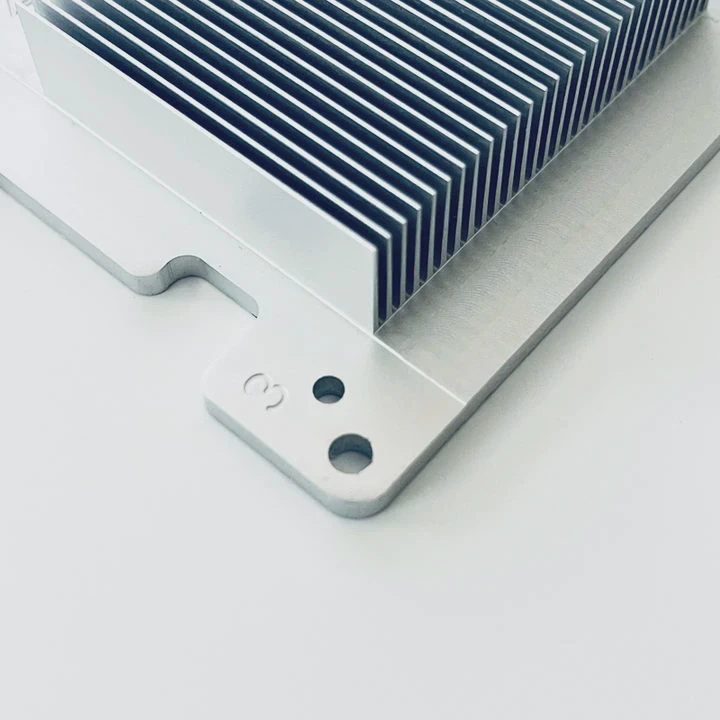
I want to explain this in a clearer way, because I know beginners need simple rules. When I built my first test chamber many years ago, I made mistakes by mixing metals and by choosing a fluid that did not match the boiling point I needed. I learned that the material decision shapes almost half of the final performance.
Basic Material Choices
I list the usual materials below. These are simple and easy to find for most people:
| Material | Why People Use It | Notes |
|---|---|---|
| Copper sheet | High heat transfer | Bends well, sold in many thicknesses |
| Stainless steel | Strong and cheap | Lower conductivity, harder to seal |
| Aluminum sheet | Light and cheap | Hard to seal without special tools |
I see most beginners use thin copper sheets because they are soft and they solder well with simple tools. Copper also helps wick structures bond to the inner surface. When I made early test units, copper saved many hours because I could solder two shells without a complex furnace.
Working Fluids
When I build basic chambers, I always use distilled water. It is safe and easy to boil at controlled vacuum pressure. Water also has a high latent heat value, so it carries more thermal energy during phase change.
Below is a simple working fluid table:
| Fluid | Boiling Point With Vacuum | Notes |
|---|---|---|
| Distilled water | Boils near room temp under low pressure | Best for beginners |
| Alcohol | Boils at lower temp | Faster but less stable |
| Acetone | Boils very fast | Unsafe for most DIY use |
When I test small DIY units, I remove all non-condensable gases. If air remains, the fluid will not evaporate at the right temperature. I learned this the hard way when one chamber formed a bubble pocket that stopped heat flow. I now always test the shell at low pressure before I add any fluid.
Why These Choices Matter
I explain this part because many people skip the basics. A vapor chamber works only when the shell conducts heat quickly and allows internal vapor to move freely. Copper is good at both. Stainless steel and aluminum can work, but they need better tools to seal. So I tell beginners to start with copper because it cuts down on error.
How does sealing affect performance?
I know many engineers worry about sealing because they think it needs a factory machine. I also thought that when I tried my first chamber. I later learned that sealing is not only about tools. It is also about temperature control and pressure timing.
Sealing affects performance because the chamber must stay vacuum-tight. Any leak lets air enter and reduce vapor flow, and the chamber then cannot move heat evenly.
I want to explain this with more detail because the idea sounds simple but the work is tricky when you do it at home.
Why Vacuum Level Matters
A vapor chamber works by boiling fluid at a low temperature. The boiling point drops when pressure drops. If the chamber does not reach the right vacuum, the fluid does not boil at the target temperature. So the chamber loses its main function.
Types of Seals
I list simple sealing methods that many people use:
| Sealing Method | Tools Needed | Notes |
|---|---|---|
| Soft soldering | Soldering iron | Best for copper |
| Brazing | Torch | Strong but harder to control |
| Epoxy sealing | High-temp epoxy | Only for very low-power units |
I used soft soldering for early tests because it gave me more control. I warmed the edges slowly so the copper did not warp. When I rushed the heating, the shell bent and I had to start again. I learned that slow heating gives a stronger seal.
Step-by-Step Idea
I break down the sealing steps:
- I bond one side of the shell.
- I attach the wick inside.
- I place a small tube on one corner as a fill port.
- I solder the remaining edges.
- I pull vacuum through the tube.
- I add a small amount of fluid.
- I seal the tube while heat keeps the chamber active.
I test the chamber by heating one surface and checking if the heat spreads fast. If the temperature stays uneven, I know air remains inside.
Why Good Sealing Raises Performance
A vapor chamber needs free vapor flow. Air blocks this flow. Good sealing is like building a quiet closed world inside the shell. Once the vacuum stays stable, the fluid boils evenly and the chamber starts moving heat in a smooth way.
Why wick design is essential?
Many people think the shell material is the most important part. I disagree. When I built several prototypes, I found that wick design mattered more than the shell. The wick pulls liquid back to the hot zone. When the wick fails, the chamber dries out.
Wick design is essential because it keeps the fluid cycling. A good wick brings liquid back to the heat source and prevents dry spots, which improves stability and heat transport.
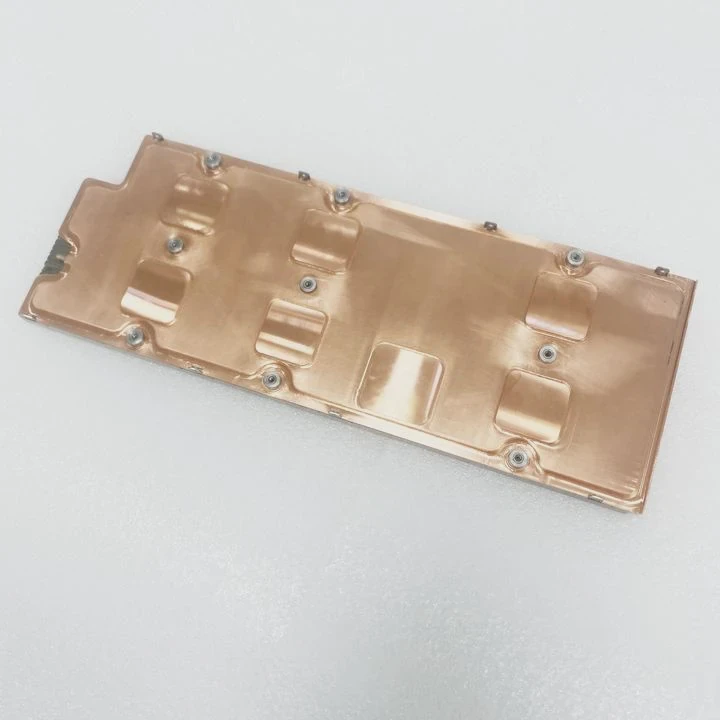
I want to explain wick design in the simplest possible way, because many online articles use very complex terms.
What a Wick Does
A wick is a network of tiny paths. These paths use capillary force to move fluid. When vapor moves to a cold area and condenses, the fluid must return to the hot side. Without this return path, the chamber loses performance.
Common DIY Wick Types
| Wick Type | How People Make It | Notes |
|---|---|---|
| Copper mesh | Cut and stack mesh layers | Simple and stable |
| Sintered powder | Hard for DIY | Needs furnace |
| Grooved plate | Cut grooves on sheet | Needs tools |
I like copper mesh because it bends easily and I can stack layers until they form a clear fluid path. I made a test model where I used only one mesh layer. It worked at first, but it dried out when heat increased. When I stacked three layers, the chamber stayed stable under load.
Important Wick Features
I break them into three parts:
1. Pore size
If pores are too large, fluid will not climb well. If pores are too small, flow will be slow.
2. Thickness
More thickness helps fluid storage, but it also raises weight.
3. Contact with shell
The wick must touch the shell so heat moves into the fluid. Loose mesh slows boiling.
Wick Placement
I place a main mesh on the bottom side. I sometimes add a small strip on the opposite side to guide fluid back. When I forgot this strip once, condensate formed at the far end and stayed there. The hot area then dried out.
Why Wick Design Raises Stability
The wick is the heart of a vapor chamber. Once the fluid flows in a full cycle, the chamber cools in a smooth and consistent way. If the wick design is wrong, the chamber becomes unstable. So I always test wick flow before sealing.
Can homemade chambers work reliably?
Many people ask if a homemade chamber can work every day inside a device. I tested several handmade samples in small devices, so I can answer based on real results.
A homemade vapor chamber can work reliably for light or medium loads when the shell, wick, and vacuum are controlled well, but it cannot match industrial chambers in high-load conditions.
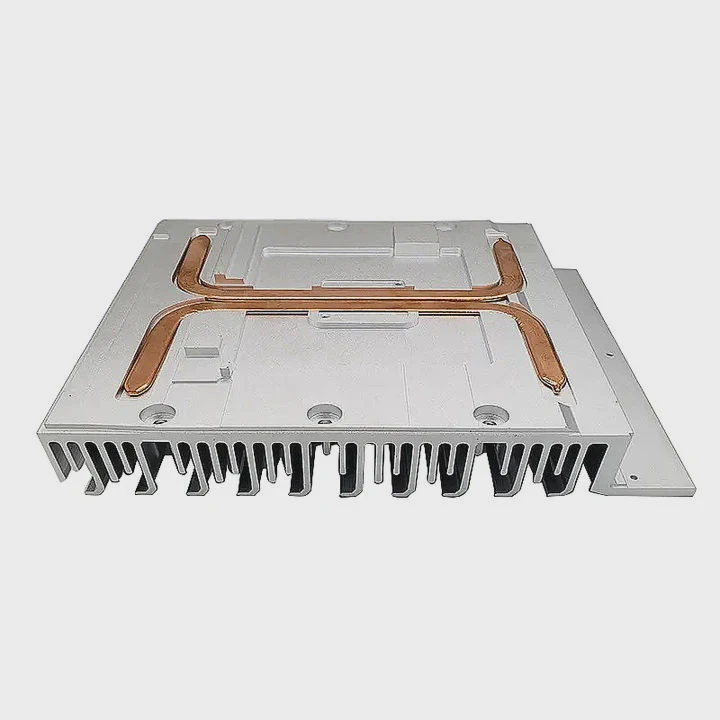
I want to share what I learned from long-term trials.
My Early Reliability Tests
I placed one small DIY chamber under a constant heat load for one week. I checked temperature every hour. The chamber stayed stable because the seal was good. But when heat increased, the wick could not carry fluid fast enough. The hot zone began to dry out. This showed me that reliability depends on wick strength.
Key Reliability Factors
I break down the main parts:
1. Shell thickness
If the shell is too thin, it warps under heat. Warping creates internal stress that can crack solder lines.
2. Fluid amount
Too much fluid floods the wick. Too little fluid dries out the hot area. I learned to add fluid until the wick is wet but not full.
3. Vibration
Homemade units fail faster when the device shakes. Industrial chambers use stronger welds.
Test Routine
Before I use a homemade chamber inside any device, I always do this:
- I heat one side to a steady temperature.
- I monitor how fast the far side warms.
- I shake the chamber lightly and watch for noise changes.
- I cool the chamber and check if pressure stays stable.
When I skip any of these tests, I often find problems later. So I keep a simple rule: a handmade chamber is only reliable if it passes slow, repeated heating cycles.
When DIY Works Well
DIY chambers work well when the heat load is small and constant. They also work well for learning and for science projects. They do not work well for devices that need high power or long daily operation. Industrial chambers use sintered wicks and vacuum furnaces, which give them much higher stability.
Conclusion
A homemade vapor chamber works when material, sealing, wick design, and vacuum control stay simple and stable. I always test long enough to confirm reliability before real use, because each small error grows under heat.
TAGS
Latest Articles

Volume discount levels for heat sink orders?
Buyers often ask when heat sink prices start to drop with volume. Many worry they’re overpaying for small orders. This guide explains how B2B volume pricing works for thermal components. Heat sink
21 Dec,2025
Heat sink long-term supply contract options?
Many buyers want stable pricing and reliable delivery for heat sinks. But without a clear contract, risks grow over time. This article explores how to secure better long-term supply deals. Long-term
21 Dec,2025
Tooling cost for new heat sink profiles?
Many engineers struggle to understand why tooling for custom heat sinks costs so much. They worry about budgeting and production timelines. This article breaks down the cost drivers behind tooling.
21 Dec,2025
Heat sink custom sample process steps?
Sometimes, starting a custom heat sink project feels overwhelming—too many steps, too many unknowns, and too many risks. You want a sample, but not endless delays. The process for requesting and
20 Dec,2025
Standard B2B terms for heat sink payments?
When buyers and sellers in B2B heat sink markets talk about payment, many don’t fully understand what’s standard. This can lead to delayed orders, miscommunication, and even lost business
20 Dec,2025
Heat sink pricing factors for large orders?
Heat sinks are vital for many systems. When prices rise, projects stall and budgets break. This problem can hit teams hard without warning. Large order heat sink pricing depends on many factors. You
20 Dec,2025Related Articles
- how to lower vapor pressure in a chamber?
- how to clean wax vaporizer chamber?
- how to clean vaporizer chamber?
- how to clean trippy stix vapor chamber?
- how to clean a breathing vaporizer chamber?
- how to calculate capillary limit in vapor chamber?
- how to make a vapor deposition chamber?
- how to make chemical vapor deposition chamber?
- How to make vapor chamber?
- is it ok to leave cartridge in vapor chamber?
- is-vc45 vapor chambe?
- was ist vapor chamber?
Author
Dr. Emily Chen
Chief AI Researcher
Leading expert in thermal dynamics and AI optimization with over 15 years of experience in data center efficiency research.
Categories
Latest Products






Recommend Categories
- Liquid cooling plate Manufacturer
- Industrial Heat Sink Manufacturer
- Standard Heat Sink Manufacturer
- Aluminum Heat Sink Manufacturer
- Copper Heat Sink Manufacturer
- Anodized Heatsink Manufacturer
- Stamping heat sink Manufacturer
- Die Casting Heatsink Manufacturer
- Soldering heat sink Manufacturer
- CNC Parts Manufacturer
Latest Products
- Wholesale Aluminum Radiator
- Water Cooling Plate Kit
- Water Cooling Heat Sink
- Water Cooling Heat Sink Kit
- Stainless Steel Water Distributor
- Server Water Cooling Plate Kit
- Server Liquid Cooling System
- Server Aluminum Cooling Kit
- S19 Full Cover Cooling Plate
- S19 Cooling Plate Kit
- S19 Aluminum Cooling Plate
Contact Expert
Have questions about this article? Reach out to our experts directly.