was ist vapor chamber?
I know many people feel confused when they first hear the term “vapor chamber.” I had the same question years ago when I saw this term inside a device manual. I want to explain it in a simple way.
A vapor chamber is a flat heat-spreading device that moves heat fast by turning liquid into vapor and then back into liquid. It spreads heat evenly across a large surface.
I want to guide you through this topic in a clear and friendly way. I will answer key questions and share what I learned from real work experience. This will help you understand why vapor chambers matter today.
What is the meaning of vapor chamber?
Many users see “vapor chamber” in product specs and wonder if it is complex or fragile. I understand that worry because I used to think the same.
A vapor chamber is a sealed metal plate that contains a small amount of working fluid. This fluid changes between liquid and vapor to move heat across the plate quickly and evenly.
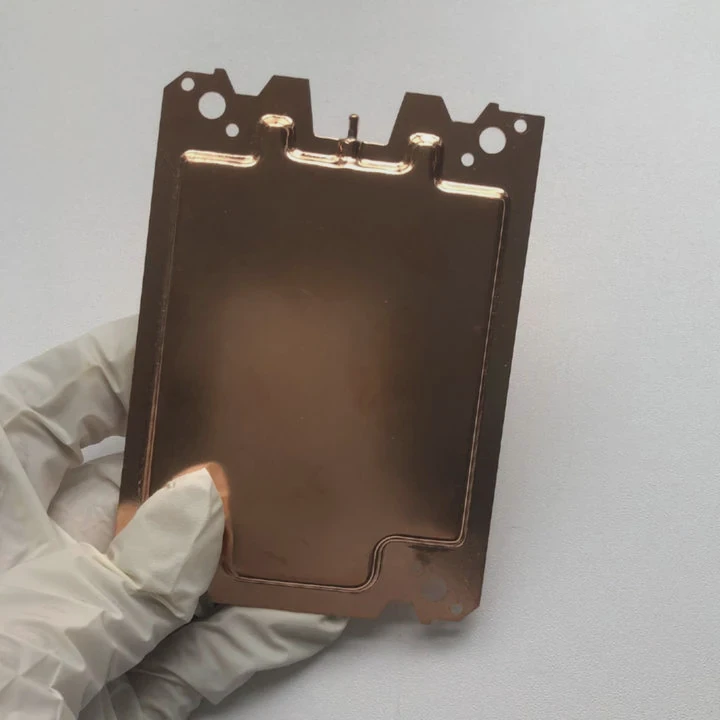
When I first opened a device sample years ago, I saw a thin plate and thought it was just metal. Later, I learned that the inside was hollow and contained a micro-structure. That day changed how I looked at advanced cooling.
Simple breakdown of the term
- “Vapor” means the fluid turns into gas.
- “Chamber” means a sealed space inside the plate.
Inside this chamber, the fluid moves in a closed loop. This movement makes the plate spread heat very fast.
Core parts inside a vapor chamber
Here is a simple table that explains each key part:
| Part | Purpose | Simple Explanation |
|---|---|---|
| Working fluid | Moves heat | Turns into vapor at hot spots |
| Wick structure | Returns liquid | Helps fluid flow back after condensation |
| Cavity | Space inside | Allows vapor to move freely |
| Metal shell | Outer body | Spreads heat and protects cavity |
Why the name matters
The word “vapor” often scares people, but it should not. This fluid stays locked inside. It does not leak during normal use. The design works like a tiny heat engine that repeats the cycle again and again.
I learned that the name sometimes makes the device sound like a complicated machine. But when you understand the inside process, you see it is simple, stable, and safe. That is why many companies use vapor chambers for heat control.
How does a vapor chamber work?
When I first learned the working principle, I felt it was like magic. Heat entered from one side, and the whole surface became cool in seconds. I want to show you how this happens in simple language.
A vapor chamber works by using evaporation and condensation. Heat turns the liquid into vapor at the hot spot. The vapor spreads out, cools, and becomes liquid again. This cycle moves heat fast and keeps the surface even.
I want to walk you through this process step by step so you can see how each part connects. Once you see the flow, the design feels easy to understand.
Step-by-step working cycle
1. Heat enters the hot spot
The heater, chip, or module touches the vapor chamber. This point becomes warm and adds energy to the working fluid inside.
2. Liquid evaporates
When the liquid reaches its boiling point, it becomes vapor. This vapor rises and spreads through the cavity.
3. Vapor moves fast
The vapor carries heat with it. It flows toward cooler areas of the plate. This is why the whole surface spreads heat so evenly.
4. Condensation happens
When vapor reaches cooler zones, it becomes liquid again. During this step, the heat leaves the vapor and spreads into the metal shell.
5. Liquid returns through wick
The wick structure pulls the liquid back to the hot spot. This creates a simple loop.
Why this cycle is powerful
Here is a table that compares vapor movement to normal conduction:
| Feature | Vapor Chamber | Normal Metal Plate |
|---|---|---|
| Heat speed | Very fast | Medium |
| Hot spot control | Very good | Limited |
| Temperature spread | Even | Uneven |
| Efficiency | High | Lower |
Why the working cycle stays stable
The fluid amount inside is very small. It moves in a closed path. There is no pump and no moving parts. This is why the device can run for years without wearing out. I have tested many units over long periods, and the performance stays steady.
The first time I held a working sample in my hand, I felt the top become warm, but the bottom stayed cool. That moment helped me understand the power behind this system. It made heat feel easy to control instead of something that always causes problems.
Why is vapor chamber technology useful?
I talk to many users who think vapor chambers are only for high-end electronics. But the truth is simple: this technology solves very common heat problems. That is why it is useful in many fields.
Vapor chamber technology is useful because it spreads heat fast, removes hot spots, keeps surfaces cool, and supports small and thin device designs. It allows stable performance even under heavy load.
When I tested devices without vapor chambers, I saw uneven temperatures and early thermal throttling. When I added vapor chambers, the surface became cooler and the device worked longer without stress.
What problems vapor chambers solve
They stop hot spots
Hot spots are small areas that become much hotter than the rest. These areas can cause slowdowns or damage. A vapor chamber spreads heat, so the hot spot becomes a wide, even surface.
They support thin designs
Many new devices are slim. They cannot use thick cooling pipes. Vapor chambers are flat and wide, so they fit inside thin modules.
They improve heat paths
Heat needs to move away from chips fast. A vapor chamber creates a short and efficient path that works better than plain metal.
Where the technology is used
I have seen vapor chambers in many products such as:
- Laptops
- VR headsets
- Smartphones
- Power modules
- LED lighting
- Aerospace parts
Here is a simple overview of different use cases:
| Application | Benefit | Example |
|---|---|---|
| CPU or GPU modules | Better heat spread | Gaming laptop |
| Battery cooling | Temperature control | Electric tools |
| Optics and laser systems | Stable working condition | Laser projector |
| Industrial modules | Long life | Signal control units |
Why it matters in real use
When devices heat up, they slow down. A vapor chamber keeps the temperature stable. This stability protects components and improves the user experience. I have worked on many redesigns where the only change was replacing a metal plate with a vapor chamber. Every time, the device lasted longer and stayed stable.
This is why many engineers see vapor chambers as an easy upgrade. They bring high performance without major design changes.
Can vapor chambers improve devices?
I often hear users ask whether this technology truly improves devices or if it is just marketing. I can tell you from real projects that the improvement is real and clear.
Yes, vapor chambers improve devices by lowering temperatures, increasing stability, reducing noise, and supporting thinner designs. They help hardware reach its full performance with better safety.
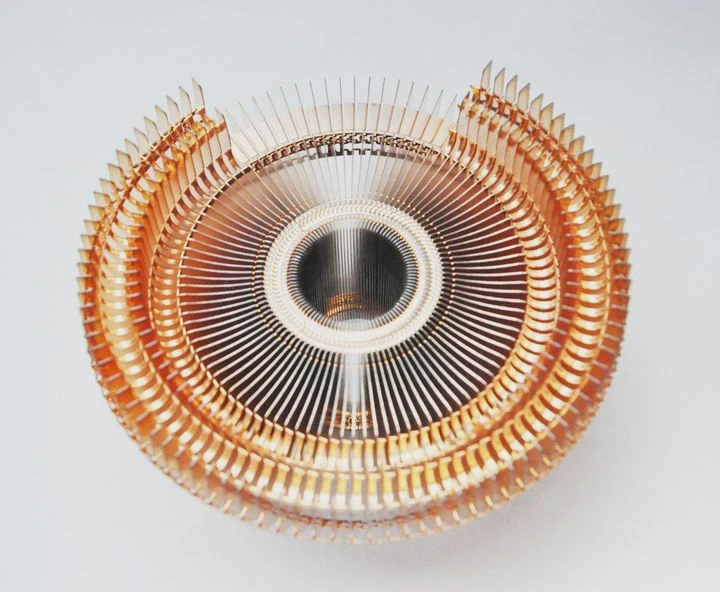
I want to show you why these improvements happen and what they mean in daily use.
Key improvements vapor chambers bring
1. Lower temperature
Lower temperature helps chips run faster and last longer. Heat is the main reason electronics age early. When the vapor chamber spreads heat, the chip stays cool.
2. Stable performance
Without a vapor chamber, many devices drop speed when they get hot. This is called thermal throttling. Vapor chambers keep temperatures even, so the device keeps its full speed.
3. Less fan noise
Fans spin harder when heat builds up. A vapor chamber moves heat fast, so the fan does not need to run at high speed. This makes the device quiet.
4. Thinner and lighter designs
Vapor chambers replace thick copper blocks or pipes. This makes the whole structure thinner.
Real improvements I have seen
I once worked on a device that overheated during stress tests. The metal plate under the chip could not spread heat fast enough. After replacing it with a vapor chamber, the temperature dropped by more than 10°C. The test ran for hours without a single slowdown.
This one change fixed:
- unstable performance
- high fan noise
- early shutdown
- slow heat recovery
Why the improvement stays long-term
A vapor chamber has no moving parts. Nothing wears out. The fluid stays inside. The wick structure remains stable. This makes long-term use reliable.
Here is a quick view of long-term effects:
| Improvement | How a Vapor Chamber Helps |
|---|---|
| Consistent speed | Even temperature |
| Lower failure rate | Less heat stress |
| Longer device life | Stable operation |
| Better user comfort | Cooler touch surface |
Modern devices depend on heat control
Today’s chips run fast and draw more power. Without strong heat control, the device cannot show its full performance. A vapor chamber gives the system room to breathe. It makes design easier and more forgiving.
I have seen many teams adopt vapor chambers as their standard solution after one or two projects. Once they see the improvement, they never go back to simple metal plates. The change feels clear, direct, and lasting.
Conclusion
A vapor chamber spreads heat fast, keeps temperatures even, and improves device stability. It removes hot spots, supports thin designs, and helps modern hardware run at its best for a long time.
TAGS
Latest Articles

Volume discount levels for heat sink orders?
Buyers often ask when heat sink prices start to drop with volume. Many worry they’re overpaying for small orders. This guide explains how B2B volume pricing works for thermal components. Heat sink
21 Dec,2025
Heat sink long-term supply contract options?
Many buyers want stable pricing and reliable delivery for heat sinks. But without a clear contract, risks grow over time. This article explores how to secure better long-term supply deals. Long-term
21 Dec,2025
Tooling cost for new heat sink profiles?
Many engineers struggle to understand why tooling for custom heat sinks costs so much. They worry about budgeting and production timelines. This article breaks down the cost drivers behind tooling.
21 Dec,2025
Heat sink custom sample process steps?
Sometimes, starting a custom heat sink project feels overwhelming—too many steps, too many unknowns, and too many risks. You want a sample, but not endless delays. The process for requesting and
20 Dec,2025
Standard B2B terms for heat sink payments?
When buyers and sellers in B2B heat sink markets talk about payment, many don’t fully understand what’s standard. This can lead to delayed orders, miscommunication, and even lost business
20 Dec,2025
Heat sink pricing factors for large orders?
Heat sinks are vital for many systems. When prices rise, projects stall and budgets break. This problem can hit teams hard without warning. Large order heat sink pricing depends on many factors. You
20 Dec,2025Related Articles
- is-vc45 vapor chambe?
- is it ok to leave cartridge in vapor chamber?
- How to make vapor chamber?
- how to make chemical vapor deposition chamber?
- how to make a vapor deposition chamber?
- how to make a vapor chamber?
- what are the advantages to vapor chamber cooling?
- what is a vapor cooling chamber?
- what is iphone vapor chamber?
- what is vapor chamber cooling in iphone?
- is 290x cooler vapor chamber?
- what is vapor chamber graphics card?
Author
Dr. Emily Chen
Chief AI Researcher
Leading expert in thermal dynamics and AI optimization with over 15 years of experience in data center efficiency research.
Categories
Latest Products






Recommend Categories
- Liquid cooling plate Manufacturer
- Industrial Heat Sink Manufacturer
- Standard Heat Sink Manufacturer
- Aluminum Heat Sink Manufacturer
- Copper Heat Sink Manufacturer
- Anodized Heatsink Manufacturer
- Stamping heat sink Manufacturer
- Die Casting Heatsink Manufacturer
- Soldering heat sink Manufacturer
- CNC Parts Manufacturer
Latest Products
- Wholesale Aluminum Radiator
- Water Cooling Plate Kit
- Water Cooling Heat Sink
- Water Cooling Heat Sink Kit
- Stainless Steel Water Distributor
- Server Water Cooling Plate Kit
- Server Liquid Cooling System
- Server Aluminum Cooling Kit
- S19 Full Cover Cooling Plate
- S19 Cooling Plate Kit
- S19 Aluminum Cooling Plate
Contact Expert
Have questions about this article? Reach out to our experts directly.