what is a vapor cooling chamber?

I work with many cooling systems, and I see people confused when they first hear about vapor cooling chambers. I know this feeling, so I want to explain it in a simple way.
A vapor cooling chamber is a flat sealed chamber that uses liquid evaporation and condensation to move heat fast. It spreads heat across its surface with high efficiency.
I want to give you clear ideas so you understand why this device is so popular, how it is built, and what you can expect from it in real work.
How is a vapor cooling chamber structured?
I often hear people say a vapor cooling chamber looks simple. It looks simple from the outside, but it has more detail inside.
A vapor cooling chamber has a sealed metal shell, a thin liquid layer, a wick structure, and inner support posts. These parts guide liquid flow, support the shell, and help the vapor move heat fast.
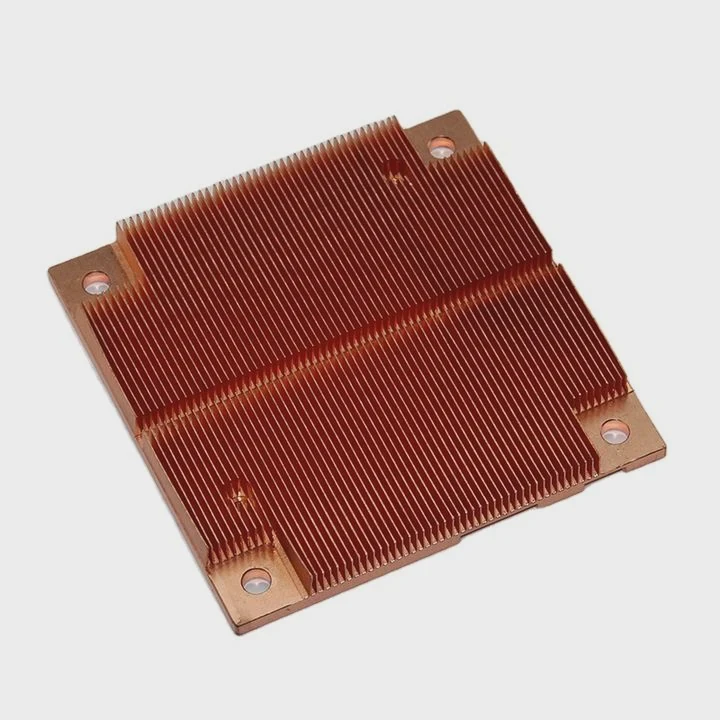
I want to explain this in detail because structure decides everything in thermal devices. When I first opened a sample chamber years ago, I was surprised to see how thin the inside parts were. The chamber looked like a small metal plate, but inside it had channels, wick textures, and support points that looked like tiny frames. These features may look small, but they shape the entire thermal path.
Main parts of the chamber
When I study a chamber, I see four core parts:
- A thin metal shell
- A working liquid
- A wick layer
- Support posts
Each part has a simple job, but the parts must work together.
H3: Shell, wick, and inner supports
The shell is usually copper or aluminum. It holds everything inside and moves heat fast. When heat enters, the liquid inside starts to evaporate. The vapor spreads across the chamber and moves heat away.
The wick sits on the inner walls. It pulls the liquid back to the hot zone. This keeps the circulation stable. Without the wick, the liquid would pool in one place and break the cycle.
The support posts keep the shell from bending. They stop the chamber from popping or sagging when pressure rises. These posts also create pathways that guide vapor movement.
Structure overview table
| Part | Role | Key Benefit |
|---|---|---|
| Shell | Holds heat and transfers it | Strong, fast heat spread |
| Wick | Moves liquid back to hot zone | Keeps cycle stable |
| Liquid | Evaporates and condenses | Moves heat with high efficiency |
| Support posts | Keep plate flat | Prevents deformation |
Why structure matters
When I work with chambers, I check the structure first. A good chamber has even wick thickness, strong posts, and a stable shell. This gives smooth vapor flow. When these parts work well, the chamber spreads heat fast and stays reliable for long use.
Why do devices rely on vapor cooling?
I see more and more devices use vapor cooling because power density keeps going up. Chips get smaller, but they also get hotter. This makes heat control very hard.
Devices rely on vapor cooling because it spreads heat evenly, handles high power, and stays thin and light. It works better than plain metal plates when heat must move fast across a large surface.
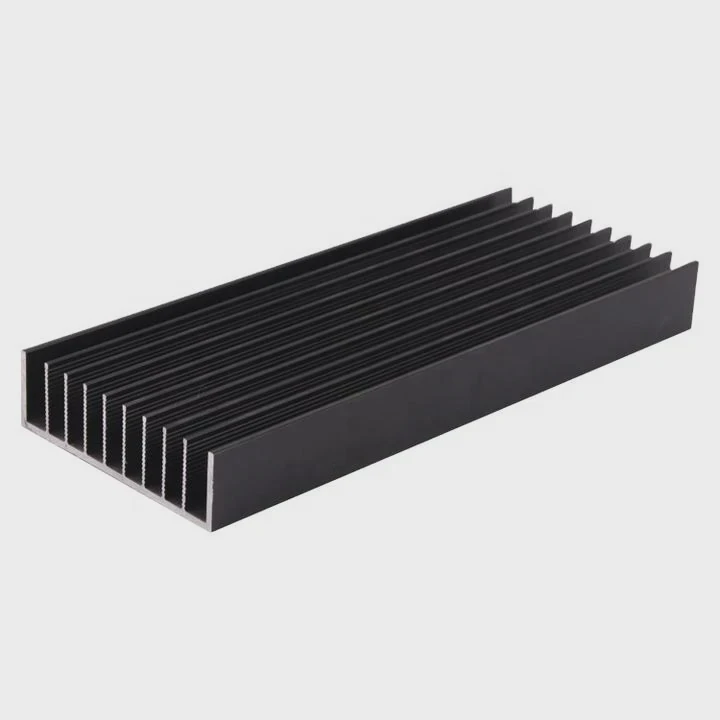
I want to explain why this matters. When a device heats up, the hot spot grows fast. A normal plate can only move heat by conduction, which is slow. This makes the center very hot, while the edges stay cool. This gap hurts performance. Vapor cooling fixes this problem by using phase change. This lets heat move much faster.
H3: How phase change helps real devices
When the chamber heats up, the liquid turns to vapor. This vapor travels inside the chamber and spreads the heat out. The vapor then condenses on cooler areas and turns back into liquid. The wick pulls the liquid back, and the cycle repeats. This loop makes the whole surface more even.
This even surface helps chips, batteries, lasers, and displays. When the center gets too hot, the device slows down or fails. When the heat spreads, the device stays stable.
Why designers pick vapor cooling
I talk with many engineers, and I see the same reasons:
- They want stable temperature.
- They want thin cooling.
- They want even heat.
- They want good shock resistance.
The chamber gives all these benefits in one thin plate. This is why phones, tablets, servers, and high-power modules use it.
Table: Why devices rely on vapor cooling
| Reason | Effect |
|---|---|
| Even heat | Stops hot spots |
| Thin size | Fits tight spaces |
| High power ability | Supports heavy loads |
| Stable performance | Keeps devices safe |
How this helps in real work
When I test high-power modules, I see big improvements when I move from a plain metal plate to a vapor chamber. The temperature curve becomes more flat. The hot area shrinks. The device works longer without cuts or dropouts. This simple change often solves many performance problems.
What performance gains come from it?
When people ask me why vapor cooling matters, I always talk about the performance gains. These gains show up fast in tests.
A vapor cooling chamber gives better heat spreading, lower hot spots, faster response to heat, and more stable temperature. These gains improve reliability and extend device life.
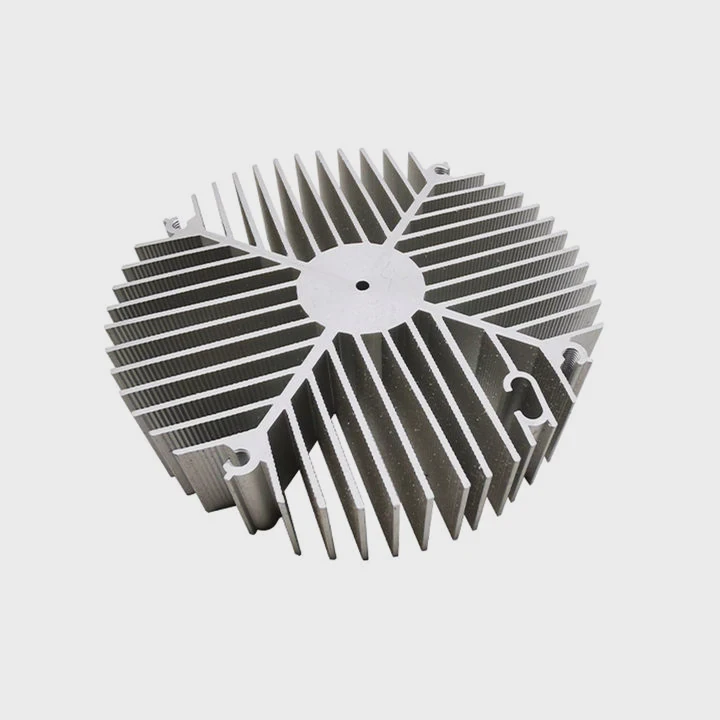
I want to explain this in a clear way. When I test cooling plates, I place sensors at several points. With a normal metal plate, the center gets much hotter than the edges. With a vapor chamber, the temperature difference becomes much smaller.
H3: Heat spreading and hot spot control
The biggest gain is heat spreading. The vapor moves heat across the plate faster than conduction alone. This reduces the hot spot temperature. A drop in hot spot temperature can save a device from early failure.
This also helps when the device has short bursts of high power. A vapor chamber can react fast. It spreads the heat before the hot spot becomes too large. This fast response helps CPUs, GPUs, lasers, and RF modules.
H3: Stability and life extension
A stable temperature helps parts inside the device. Materials behave better at steady temperatures. Solder joints last longer. Films stay flat. Sensors stay stable. I have seen devices fail early because the hot spot was too high. When I switch to a vapor chamber, the hot spot drops, and the device lasts much longer.
Performance table
| Gain | Description |
|---|---|
| Lower hot spot | Reduces maximum temperature |
| Fast response | Handles power spikes |
| Even surface | Improves user comfort and device safety |
| Longer life | Reduces thermal stress |
What this means in real testing
In my tests, a vapor chamber often cuts the hot spot temperature by 5–20°C compared with a simple metal plate. This change can be the difference between a stable device and one that shuts down. The chamber also reacts faster when the device moves between low and high power. This gives a smooth curve, which makes all control steps much easier.
Can vapor chambers replace heat pipes?
This is a question I get all the time. Some people think vapor chambers and heat pipes are the same thing, but they behave differently.
A vapor chamber can replace heat pipes in many flat and high-power designs, but heat pipes are still better for long-distance heat transfer or curved paths. Both devices use the same principle but suit different shapes.
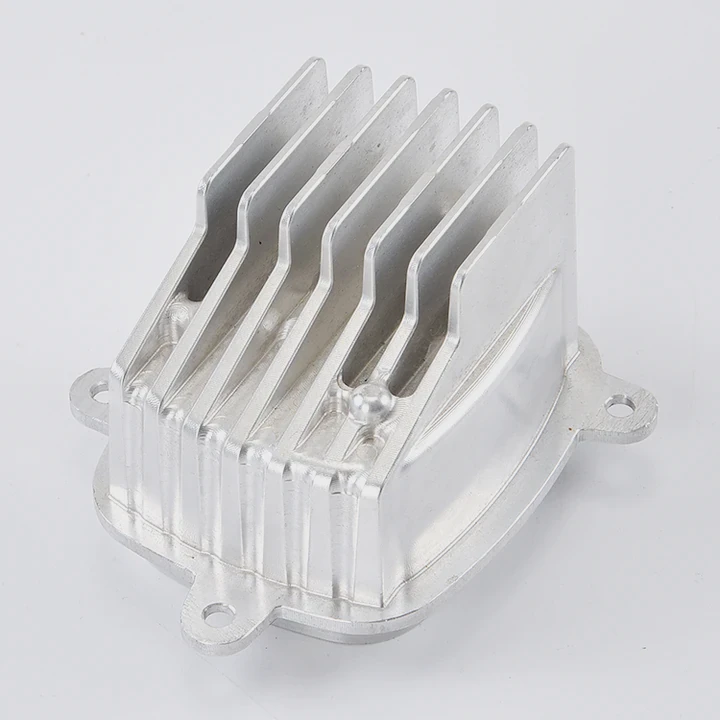
I want to explain this carefully. Both vapor chambers and heat pipes use phase change. Both move heat fast. Both have liquid, vapor, and wick structures. But their shapes and behaviors are different.
H3: When a vapor chamber works better
A vapor chamber works better when the heat must spread across a wide flat surface. It spreads heat in two dimensions. This gives even temperature. It also helps when you have a large hot area or several hot zones.
I see many phone and laptop makers replace heat pipes with vapor chambers because they want thin designs. A vapor chamber does not need long tubes. It is simple to place behind chips, displays, and metal covers.
H3: When a heat pipe works better
A heat pipe works better when the heat must move far. A long pipe carries heat from one area to another. It can bend. It fits around tight spaces. A chamber cannot do this.
If a device has a large space between the heat source and the cooling fins, the pipe is better. I use pipes in large systems that need long paths or curved routes. This is where the pipe still wins.
Comparison table
| Feature | Vapor Chamber | Heat Pipe |
|---|---|---|
| Shape | Flat | Tube |
| Heat path | Spreading | Transport |
| Best use | Large surfaces | Long distance |
| Flexibility | Low | High |
What I choose in real projects
When I design cooling for small high-power modules, I almost always pick a vapor chamber. It is stable and easy to mount. When I work on large devices with long heat paths, I pick heat pipes. Sometimes I even combine both. This mix gives the best performance.
Conclusion
A vapor cooling chamber is a simple but powerful device. It moves heat fast, keeps surfaces even, and supports thin and high-power designs. When I use it in real work, I get more stable performance, better control, and longer device life.
TAGS
Latest Articles

Volume discount levels for heat sink orders?
Buyers often ask when heat sink prices start to drop with volume. Many worry they’re overpaying for small orders. This guide explains how B2B volume pricing works for thermal components. Heat sink
21 Dec,2025
Heat sink long-term supply contract options?
Many buyers want stable pricing and reliable delivery for heat sinks. But without a clear contract, risks grow over time. This article explores how to secure better long-term supply deals. Long-term
21 Dec,2025
Tooling cost for new heat sink profiles?
Many engineers struggle to understand why tooling for custom heat sinks costs so much. They worry about budgeting and production timelines. This article breaks down the cost drivers behind tooling.
21 Dec,2025
Heat sink custom sample process steps?
Sometimes, starting a custom heat sink project feels overwhelming—too many steps, too many unknowns, and too many risks. You want a sample, but not endless delays. The process for requesting and
20 Dec,2025
Standard B2B terms for heat sink payments?
When buyers and sellers in B2B heat sink markets talk about payment, many don’t fully understand what’s standard. This can lead to delayed orders, miscommunication, and even lost business
20 Dec,2025
Heat sink pricing factors for large orders?
Heat sinks are vital for many systems. When prices rise, projects stall and budgets break. This problem can hit teams hard without warning. Large order heat sink pricing depends on many factors. You
20 Dec,2025Related Articles
- what are the advantages to vapor chamber cooling?
- was ist vapor chamber?
- is-vc45 vapor chambe?
- is it ok to leave cartridge in vapor chamber?
- How to make vapor chamber?
- how to make chemical vapor deposition chamber?
- what is iphone vapor chamber?
- what is vapor chamber cooling in iphone?
- is 290x cooler vapor chamber?
- what is vapor chamber graphics card?
- Where is the vapor chamber in the ROG Phone?
- does the google pixel 8 have a vapor chamber?
Author
Dr. Emily Chen
Chief AI Researcher
Leading expert in thermal dynamics and AI optimization with over 15 years of experience in data center efficiency research.
Categories
Latest Products






Recommend Categories
- Liquid cooling plate Manufacturer
- Industrial Heat Sink Manufacturer
- Standard Heat Sink Manufacturer
- Aluminum Heat Sink Manufacturer
- Copper Heat Sink Manufacturer
- Anodized Heatsink Manufacturer
- Stamping heat sink Manufacturer
- Die Casting Heatsink Manufacturer
- Soldering heat sink Manufacturer
- CNC Parts Manufacturer
Latest Products
- Wholesale Aluminum Radiator
- Water Cooling Plate Kit
- Water Cooling Heat Sink
- Water Cooling Heat Sink Kit
- Stainless Steel Water Distributor
- Server Water Cooling Plate Kit
- Server Liquid Cooling System
- Server Aluminum Cooling Kit
- S19 Full Cover Cooling Plate
- S19 Cooling Plate Kit
- S19 Aluminum Cooling Plate
Contact Expert
Have questions about this article? Reach out to our experts directly.