what are the advantages to vapor chamber cooling?
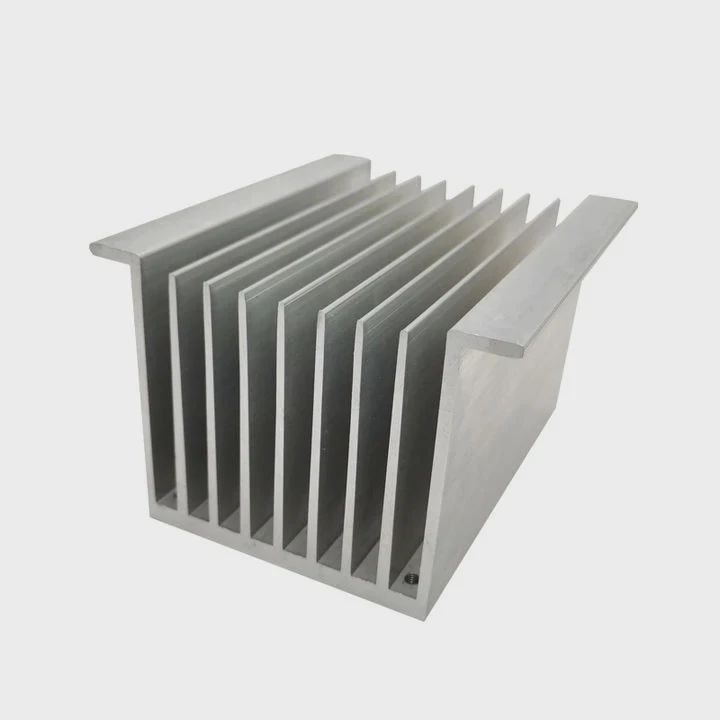
I work with many thermal systems, and I often see how heat builds up fast and hurts performance. This problem is common, and it creates stress for anyone who deals with hardware design.
A vapor chamber improves cooling by spreading heat fast, lowering hot spots, and keeping temperature stable across the entire surface.
I want to share what I learned from real engineering tasks, so you can understand how vapor chambers help your device run stronger and smoother.
How does vapor chamber cooling improve heat spread?
I know how painful it is when one small chip runs too hot while the rest of the plate stays cool. I saw this many times in compact systems. Hot spots make devices slow and unstable.
A vapor chamber improves heat spread because it uses phase-change and internal wick structures to move heat quickly from the source to the entire surface in a very uniform way.
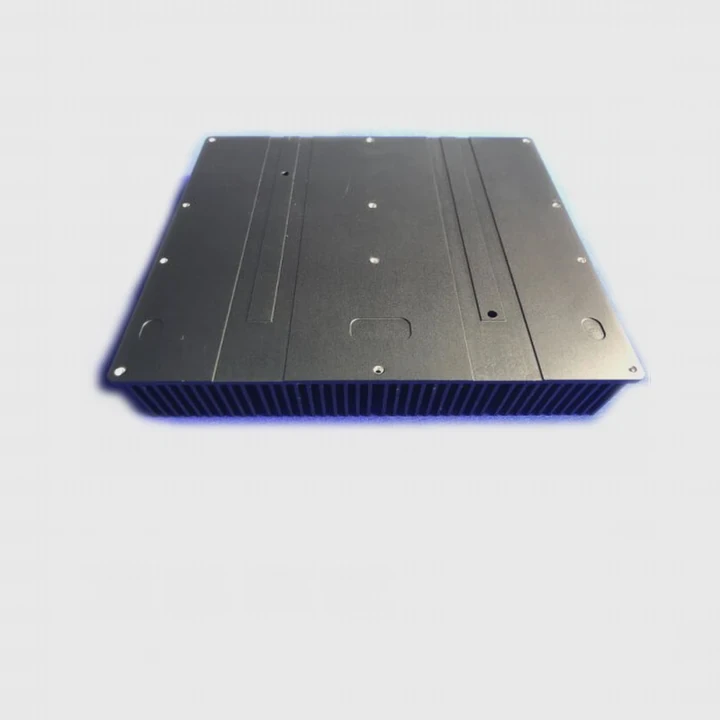
When I handled my first vapor chamber, I was surprised by how even the surface temperature became. I tested it on a high-power module. The heat spot dropped, and the whole plate felt warm in a balanced way. This change made the system much easier to control.
H3 – Why uniform heat spread matters
Uniform heat spread protects sensitive components. It reduces stress on materials. It also makes the entire cooling system work with less effort. When heat spreads well, fans or liquid systems do not need to work as hard.
How the vapor chamber spreads heat
A vapor chamber has a sealed cavity with liquid inside. When a chip heats the liquid, the liquid turns to vapor. The vapor moves fast and spreads heat across the chamber. When the vapor reaches a cooler area, it becomes liquid again. The wick pulls the liquid back. This loop repeats many times each second.
Table of heat-spreading methods
| Heat Spreading Method | Heat Spread Speed | Uniformity | Typical Use |
|---|---|---|---|
| Solid copper plate | Low | Medium | Basic cooling |
| Heat pipe | Medium | Medium | CPUs, GPUs |
| Vapor chamber | Very high | Very high | High-power modules |
Why I trust vapor chambers for heavy loads
I saw heat pipes bend or lose performance when placed in tight layouts. Vapor chambers stay flat, wide, and efficient. The large surface area helps heat move in every direction, not just along a pipe.
When I run a stress test, a vapor chamber keeps the heat spread smooth. This reduces the chance of thermal spikes. The device stays stable even when power rises.
Why is vapor chamber cooling more efficient?
I worked with metal plates, heat pipes, and vapor chambers. I noticed that vapor chambers often deliver the best performance for the same volume. This is because of the way they move heat.
A vapor chamber is more efficient because phase-change heat transfer is much faster than solid-metal conduction, and the vapor moves heat with lower thermal resistance.
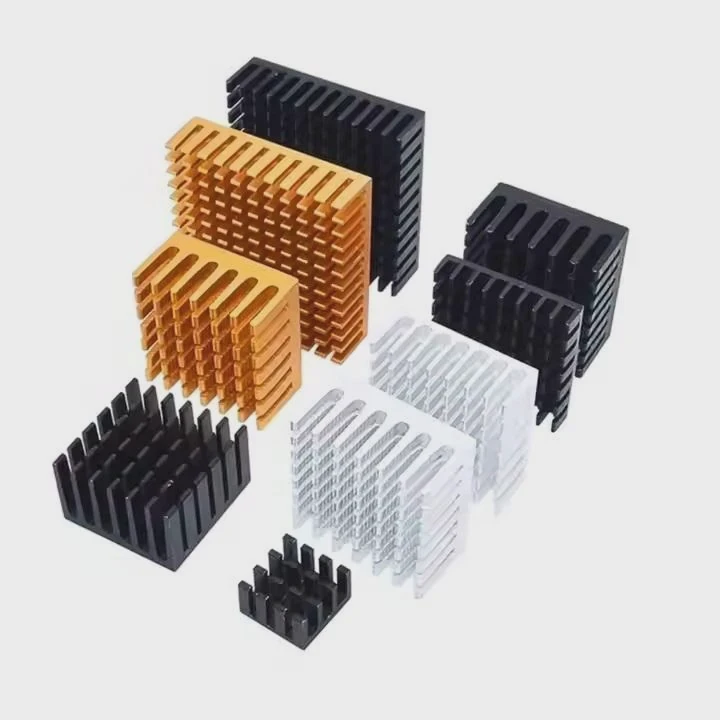
When I compare materials, solid copper needs a long path to move heat. Vapor, on the other hand, travels inside the chamber fast. It carries heat with less loss. This gives vapor chambers a huge advantage in compact spaces.
H3 – Why phase change is so powerful
Phase change lets a small amount of liquid absorb a large amount of heat. This makes the heat transfer very strong. Every time the liquid turns to vapor, it takes heat away from the source. Every time vapor turns back to liquid, it releases heat to a cooler surface.
Internal wick efficiency
A vapor chamber has a wick on the inner walls. This wick pulls liquid back to the hot spot. The wick ensures a constant fuel supply for evaporation. This steady cycle makes the chamber stable and reliable.
Efficiency comparison table
| Cooling Method | Thermal Resistance | Weight | Efficiency at High Power |
|---|---|---|---|
| Solid plate | High | Heavy | Low |
| Heat pipe | Medium | Light | Medium |
| Vapor chamber | Very low | Light | Very high |
Why vapor chambers fit modern hardware
Modern chips pack more power into smaller areas. Traditional metal plates cannot keep up because local hot spots grow fast. Vapor chambers handle this well because they spread heat in all directions.
In my experience, when I move from a metal plate to a vapor chamber in a prototype, I often see temperature drops of several degrees. This difference can be the line between stable and unstable operation.
My real test experience
Once, I tested a module with a 20-watt chip. A copper plate hit temperature limits quickly. A vapor chamber handled the same load with far better stability. The chamber kept temperatures even. This made the entire structure safe to run for long periods.
What devices benefit most from vapor chambers?
I worked on many types of systems. Some run cool. Some run hot. I learned which devices get the most from vapor chambers because of their heat patterns.
Devices that benefit most from vapor chambers are those with high heat density, small space, or parts that must stay very stable, such as laptops, gaming consoles, LED modules, and telecom equipment.
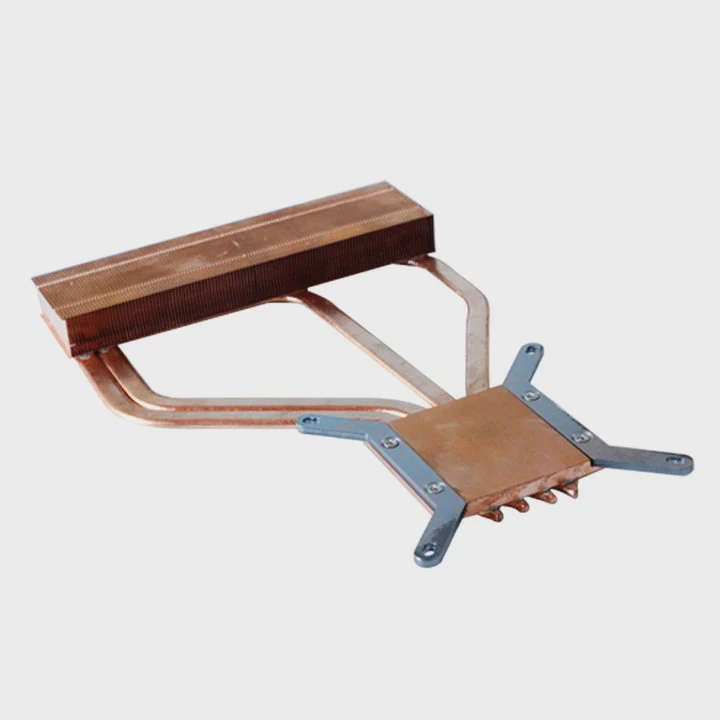
I saw vapor chambers used in thin laptops. These laptops have strong CPUs and GPUs in tight spaces. Vapor chambers make the heat spread wider, so fan systems work better.
H3 – Common devices that use vapor chambers
Here are some devices I worked with:
- High-end laptops
- Compact gaming machines
- 5G communication modules
- High-power LEDs
- Drone power modules
- Mini PCs
- VR headsets
- Industrial control boards
All these devices share one problem: not enough room for airflow or large heatsinks. Vapor chambers help them stay cool by spreading heat in a flat shape.
Table of device needs
| Device Type | Heat Density | Space Limit | Benefit From Vapor Chamber |
|---|---|---|---|
| Laptop | High | Very tight | Very high |
| Gaming console | High | Medium | High |
| 5G module | Very high | Tight | Very high |
| LED lighting | Medium | Medium | Medium |
| Industrial board | High | Medium | High |
Why these devices depend on uniform cooling
When heat sits in one place, electronics age faster. I saw LED modules lose brightness. I saw communication modules fail at high temperature. Uniform cooling extends their life.
My personal project example
One year, I worked on a compact computing system. The top cover had almost no room for a large heatsink. We tested different solutions. A vapor chamber gave the best spread and kept the unit stable during long runs. It solved the overheating issue without changing the device shape.
Can vapor chambers reduce thermal throttling?
Thermal throttling is something I see all the time. A device seems fast at first. Then the heat rises, and the performance drops. This happens when the cooling system cannot move heat away fast enough.
A vapor chamber reduces thermal throttling by lowering hot spots, keeping temperatures stable, and giving the processor a larger surface to release heat.
I saw strong processors slow down in just a few minutes because the center of the chip became too hot. Vapor chambers help because they move the heat out quickly and evenly.
H3 – Why hot spots cause throttling
Processors watch their temperature. When a small hot area reaches a limit, the system lowers speed to protect itself. Even if the rest of the surface is cool, one hot spot can trigger throttling.
How vapor chambers prevent this
A vapor chamber spreads heat before it forms a concentrated spike. When the heat spreads out, the cooling system removes it more evenly. The processor stays within safe limits longer.
What I saw in real tests
In one of my test runs, a processor without a vapor chamber throttled at around 90°C. With a vapor chamber, the temperature stayed below the limit. The chip held full performance for the whole test.
Why flat chambers help airflow
Air coolers work better on wide, even surfaces. A vapor chamber gives them that surface. Heat pipes need layout space and bends. Vapor chambers sit flat and move heat in every direction.
Deep explanation of throttling prevention
When heat loads rise fast, a vapor chamber reacts instantly because vapor movement is almost immediate. The chamber pulls heat away the moment it forms. This fast reaction slows the rise of temperature. This gives the processor more time at full speed. Long tasks run smoother. Large files process faster. Games hold their frame rate longer.
Conclusion
Vapor chambers help devices run cooler by spreading heat fast, lowering hot spots, and improving stability. They boost efficiency, support compact designs, and reduce throttling in demanding systems.
TAGS
Latest Articles

Volume discount levels for heat sink orders?
Buyers often ask when heat sink prices start to drop with volume. Many worry they’re overpaying for small orders. This guide explains how B2B volume pricing works for thermal components. Heat sink
21 Dec,2025
Heat sink long-term supply contract options?
Many buyers want stable pricing and reliable delivery for heat sinks. But without a clear contract, risks grow over time. This article explores how to secure better long-term supply deals. Long-term
21 Dec,2025
Tooling cost for new heat sink profiles?
Many engineers struggle to understand why tooling for custom heat sinks costs so much. They worry about budgeting and production timelines. This article breaks down the cost drivers behind tooling.
21 Dec,2025
Heat sink custom sample process steps?
Sometimes, starting a custom heat sink project feels overwhelming—too many steps, too many unknowns, and too many risks. You want a sample, but not endless delays. The process for requesting and
20 Dec,2025
Standard B2B terms for heat sink payments?
When buyers and sellers in B2B heat sink markets talk about payment, many don’t fully understand what’s standard. This can lead to delayed orders, miscommunication, and even lost business
20 Dec,2025
Heat sink pricing factors for large orders?
Heat sinks are vital for many systems. When prices rise, projects stall and budgets break. This problem can hit teams hard without warning. Large order heat sink pricing depends on many factors. You
20 Dec,2025Related Articles
- was ist vapor chamber?
- is-vc45 vapor chambe?
- is it ok to leave cartridge in vapor chamber?
- How to make vapor chamber?
- how to make chemical vapor deposition chamber?
- how to make a vapor deposition chamber?
- what is a vapor cooling chamber?
- what is iphone vapor chamber?
- what is vapor chamber cooling in iphone?
- is 290x cooler vapor chamber?
- what is vapor chamber graphics card?
- Where is the vapor chamber in the ROG Phone?
Author
Dr. Emily Chen
Chief AI Researcher
Leading expert in thermal dynamics and AI optimization with over 15 years of experience in data center efficiency research.
Categories
Latest Products






Recommend Categories
- Liquid cooling plate Manufacturer
- Industrial Heat Sink Manufacturer
- Standard Heat Sink Manufacturer
- Aluminum Heat Sink Manufacturer
- Copper Heat Sink Manufacturer
- Anodized Heatsink Manufacturer
- Stamping heat sink Manufacturer
- Die Casting Heatsink Manufacturer
- Soldering heat sink Manufacturer
- CNC Parts Manufacturer
Latest Products
- Wholesale Aluminum Radiator
- Water Cooling Plate Kit
- Water Cooling Heat Sink
- Water Cooling Heat Sink Kit
- Stainless Steel Water Distributor
- Server Water Cooling Plate Kit
- Server Liquid Cooling System
- Server Aluminum Cooling Kit
- S19 Full Cover Cooling Plate
- S19 Cooling Plate Kit
- S19 Aluminum Cooling Plate
Contact Expert
Have questions about this article? Reach out to our experts directly.