how to tighten heatsink?
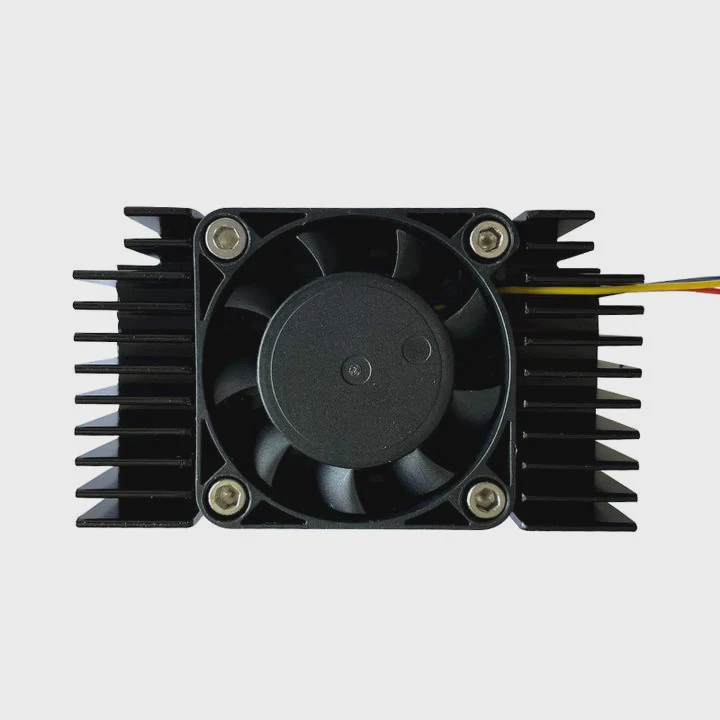
I remember the day I built my first PC. I held the heatsink in my hand and felt scared to tighten the screws. I worried that one wrong turn would break the board.
You tighten a heatsink by lowering it gently, aligning the holes, turning each screw in small steps, and building pressure slowly until the cooler sits flat and firm on the chip. This helps the paste spread correctly and keeps temperatures steady.
I want to share the method I use now so you can tighten your heatsink with confidence and avoid common mistakes.
Why cross-pattern tightening works?
I used to tighten screws in a circle, and the heatsink always leaned to one side. When I switched to a cross pattern, the contact became flat and temps dropped right away.
The cross-pattern works because it spreads pressure evenly across the heatsink base. When you tighten one corner and then the opposite corner, the cooler settles flat and the thermal paste spreads in a balanced way.
When the pressure spreads evenly, heat moves out of the chip with less resistance. This is why even small improvements in mounting can lower temperatures by several degrees.
How the cross-pattern balances pressure
When you tighten one screw, the cooler tilts toward that side. If you go straight to the opposite screw, you tilt it back in the other direction. These two movements balance each other. The surface becomes flat, and the paste layer stays even.
How to do the cross-pattern step-by-step
- Lower the heatsink gently.
- Insert all screws loosely until they catch the threads.
- Give the first screw a small quarter turn.
- Move to the opposite screw.
- Repeat for the next pair.
- Cycle through again until all screws feel firm.
Table: Tightening patterns and results
| Pattern | Pressure Spread | Result |
|---|---|---|
| Cross-pattern | Very even | Best paste spread |
| Star-pattern | Good | Works on large heatsinks |
| Circular pattern | Uneven | Can tilt cooler |
Why I never skip the cross-pattern
I tested many mounts on the same chip. Every time I used the cross-pattern, temps stayed lower and more stable. Every time I used a circular pattern, the temps were higher because one side lifted. This pattern makes the whole process safer and faster.
How much pressure is safe?
When I started, I always wondered how tight was too tight. I learned that safe pressure is firm but not forced. If you need serious strength to turn the screw, it is already too tight.
Safe pressure is the point where the screw stops turning easily and the heatsink no longer wiggles. At this pressure, the paste spreads thin and even, but the board stays flat.
I follow one simple rule: once you feel solid resistance, stop. Most coolers only need moderate pressure. Heavy force does not improve cooling.
How to recognize safe pressure by feel
Safe pressure feels like a clean stop. You can turn the screw easily at first, then it slows, then it reaches a point where it does not want to turn more. This is the point where the spring or bracket reaches its limit.
Signs you are using the right pressure
- The cooler does not move when you wiggle it gently.
- The screws stop smoothly at the same point.
- The paste layer looks thin and even when you check later.
- The board stays flat without bends.
Table: Pressure outcomes
| Pressure Level | Result | Risk |
|---|---|---|
| Too loose | Thick paste layer | Higher temps |
| Correct pressure | Thin paste, flat contact | Safe |
| Too tight | PCB bending | Damage risk |
Why pressure affects cooling
Pressure controls how well the paste spreads. Too little pressure traps air pockets. Too much pressure squeezes out too much paste. The right pressure makes the paste coat the chip evenly. This improves heat flow and reduces hot spots.
Can overtightening warp boards?
I still remember the sound I heard the first time I overtightened a screw. It made a small crack, and the board bent. The system still worked, but I knew damage had started.
Yes, overtightening can warp boards because heavy force bends the PCB, stresses solder joints, and strains the mounting bracket. Even a small bend can hurt long-term reliability.
Boards are strong, but they are not designed to carry extreme pressure on small points. Screws concentrate force, and too much force can break something without warning.
How overtightening affects a PCB
Bending
The PCB flexes under force. This flex can stress traces and solder joints.
Stress on socket area
The CPU socket is sensitive. Too much pressure can distort it. This may cause memory errors or boot problems.
Mounting bracket deformation
If the bracket bends, the heatsink no longer sits flat. Cooling becomes worse instead of better.
Table: Problems caused by overtightening
| Problem | Cause | Effect |
|---|---|---|
| PCB warp | Too much torque | Board stress |
| Paste squeeze-out | Excess pressure | Hot spots |
| Socket strain | Uneven force | Boot errors |
| Bracket distortion | Hard tightening | Weak contact |
Why small steps prevent warping
I turn each screw slowly and stop after each small turn. When I rotate through the screws in a cross-pattern, the pressure stays balanced and the risk of bending drops. This simple habit prevents many problems.
Should screws stop at firm resistance?
When I mentor beginners, the question I hear most is, “How do I know when to stop tightening?” The answer is simple: stop at firm resistance.
Yes, screws should stop at firm resistance because this is the point where the mounting system reaches its designed pressure. Turning past this point adds risk without improving cooling.
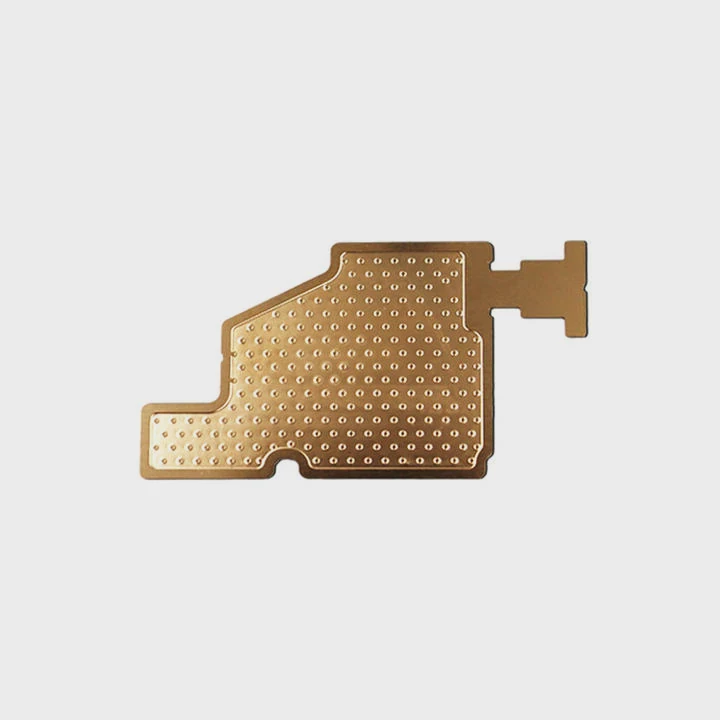
Most heatsink screws have built-in limits. Some use springs. Some use standoffs. Some use fixed posts. These limits are there to protect the board.
How firm resistance feels
Firm resistance is a clean stop. You feel the screw slow down as the bracket reaches its limit. If you push past that, the force goes into the board instead of the mount.
Why stopping early is safe
When I stop at firm resistance, the paste stays even, the board stays flat, and the cooler makes full contact. I get good cooling without any risk.
How manufacturers design the stop point
Many coolers use:
- Springs to cap the force
- Fixed-length standoffs to set the maximum height
- Screw collars to prevent over-turning
These features protect the board. This is why forcing the screw past the stop point is never useful.
Table: Safe tightening indicators
| Indicator | Meaning |
|---|---|
| Screw stops smoothly | Max pressure reached |
| Both sides stop at same time | Even contact |
| Cooler stays stable | Good mount |
| No board flex | Safe pressure |
Why this rule works on all coolers
Whether it is an air cooler, a pump block, or a GPU heatsink, the rule stays the same. Tighten until firm resistance. Stop there. This keeps the hardware safe and the cooling efficient.
Conclusion
Tightening a heatsink becomes simple once you use a cross-pattern, apply safe pressure, avoid overtightening, and stop at firm resistance. These habits protect the board, keep contact even, and help your system stay cool and stable.
TAGS
Latest Articles

Volume discount levels for heat sink orders?
Buyers often ask when heat sink prices start to drop with volume. Many worry they’re overpaying for small orders. This guide explains how B2B volume pricing works for thermal components. Heat sink
21 Dec,2025
Heat sink long-term supply contract options?
Many buyers want stable pricing and reliable delivery for heat sinks. But without a clear contract, risks grow over time. This article explores how to secure better long-term supply deals. Long-term
21 Dec,2025
Tooling cost for new heat sink profiles?
Many engineers struggle to understand why tooling for custom heat sinks costs so much. They worry about budgeting and production timelines. This article breaks down the cost drivers behind tooling.
21 Dec,2025
Heat sink custom sample process steps?
Sometimes, starting a custom heat sink project feels overwhelming—too many steps, too many unknowns, and too many risks. You want a sample, but not endless delays. The process for requesting and
20 Dec,2025
Standard B2B terms for heat sink payments?
When buyers and sellers in B2B heat sink markets talk about payment, many don’t fully understand what’s standard. This can lead to delayed orders, miscommunication, and even lost business
20 Dec,2025
Heat sink pricing factors for large orders?
Heat sinks are vital for many systems. When prices rise, projects stall and budgets break. This problem can hit teams hard without warning. Large order heat sink pricing depends on many factors. You
20 Dec,2025Related Articles
- Does i3 8100 come with heatsink?
- do heatsinks help vnme ssd?
- do m2 ssds need heatsinks?
- can computer turn on without heatsink?
- how to mount heatsink?
- can you buy wd black sn750 heatsink cover?
- will adding aluminum heatsinks to xbox 360 help it reddit?
- what size are intel cpu heatsink screws?
- Where is the heatsink on the motherboard?
- does the adata xpg sx8200 pro 1tb need a heatsink?
- do laptop ssd need heatsink?
- how do i reuse a heatsink on a cpu?
Author
Dr. Emily Chen
Chief AI Researcher
Leading expert in thermal dynamics and AI optimization with over 15 years of experience in data center efficiency research.
Categories
Latest Products
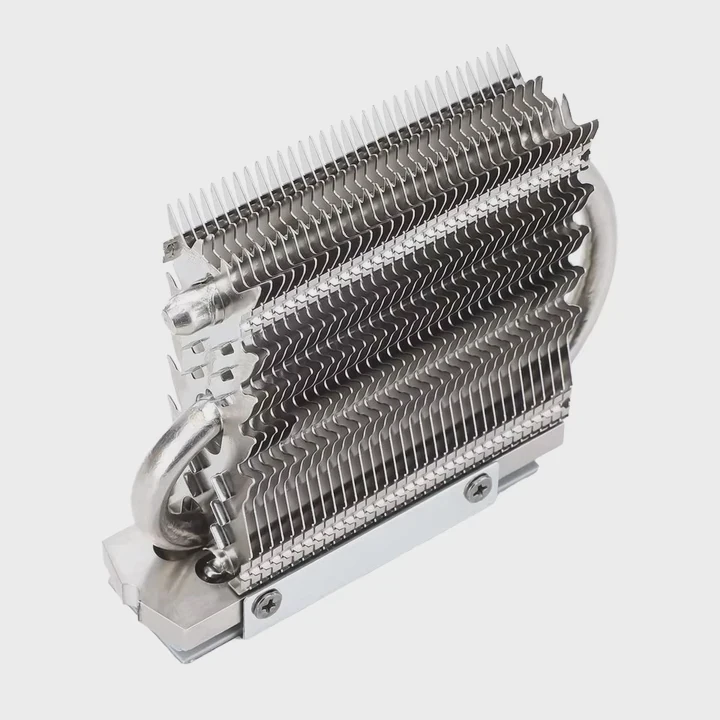
M.2 Heatpipe Heatsink With Dual Fans For Pc Case
19 Mar,2026
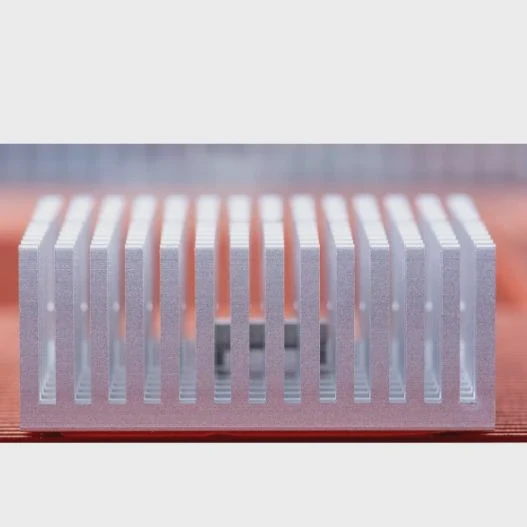
Heavy-Duty Aluminum Heat Sink Custom
19 Mar,2026
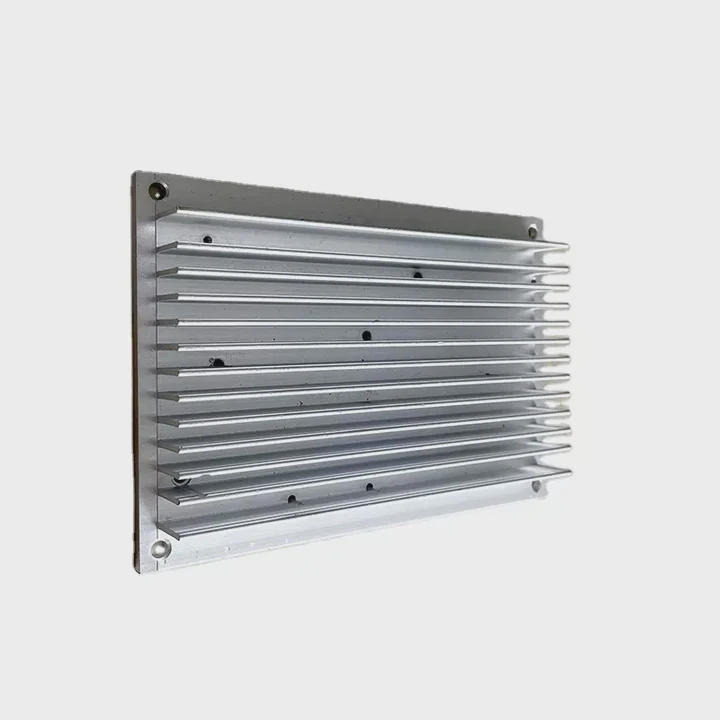
Oem Skived Fin Heatsink Aluminum Radiator For Plants
19 Mar,2026
Water Cooled Cnc Aluminum Heat Sink For Medical
19 Mar,2026
High Density 6000 Series Aluminum Heat Sink Profile
19 Mar,2026
High-Density Extruded Aluminum & Bonded-Fin Heat Sink Profile
19 Mar,2026
Recommend Categories
- Liquid cooling plate Manufacturer
- Industrial Heat Sink Manufacturer
- Standard Heat Sink Manufacturer
- Aluminum Heat Sink Manufacturer
- Copper Heat Sink Manufacturer
- Anodized Heatsink Manufacturer
- Stamping heat sink Manufacturer
- Die Casting Heatsink Manufacturer
- Soldering heat sink Manufacturer
- CNC Parts Manufacturer
Latest Products
- M.2 Heatpipe Heatsink With Dual Fans For Pc Case
- Heavy-Duty Aluminum Heat Sink Custom
- Oem Skived Fin Heatsink Aluminum Radiator For Plants
- Water Cooled Cnc Aluminum Heat Sink For Medical
- High Density 6000 Series Aluminum Heat Sink Profile
- High-Density Extruded Aluminum & Bonded-Fin Heat Sink Profile
- Dongguan Cnc Aluminum Heat Sink For Led & Brass Parts
- Wholesale Cnc Aluminum Heat Sink - Custom Extruded
- Led Cnc Round Heat Sink With Screw Holes
- Copper Pin-Fin Heat-Sink Large-Area For Photoled Cooling
- Telecom Heatsink Zipper Fin Wcopper Tubes Oem
Contact Expert
Have questions about this article? Reach out to our experts directly.