how do i reuse a heatsink on a cpu?
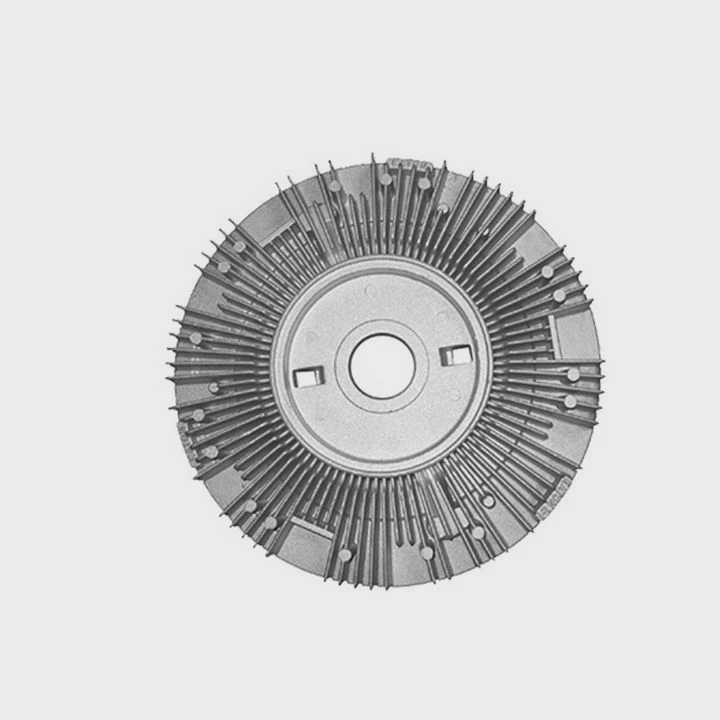
I have reused many heatsinks across builds, so I know the doubt that rises when old paste dries, brackets change, and the base no longer sits like it used to.
To reuse a heatsink, I clean the old paste, check the brackets, inspect the base, restore flatness if needed, and mount it with even pressure so the CPU runs cool and stable.
I want to show you each step in a simple way, so you see what really matters and how a reused heatsink can still perform like new.
Why clean old paste carefully?
I often see reused heatsinks run hot only because old paste stayed stuck in small pockets on the base.
Old paste must be cleaned carefully because dried residue creates uneven contact, traps air, and stops fresh paste from spreading across the CPU surface.
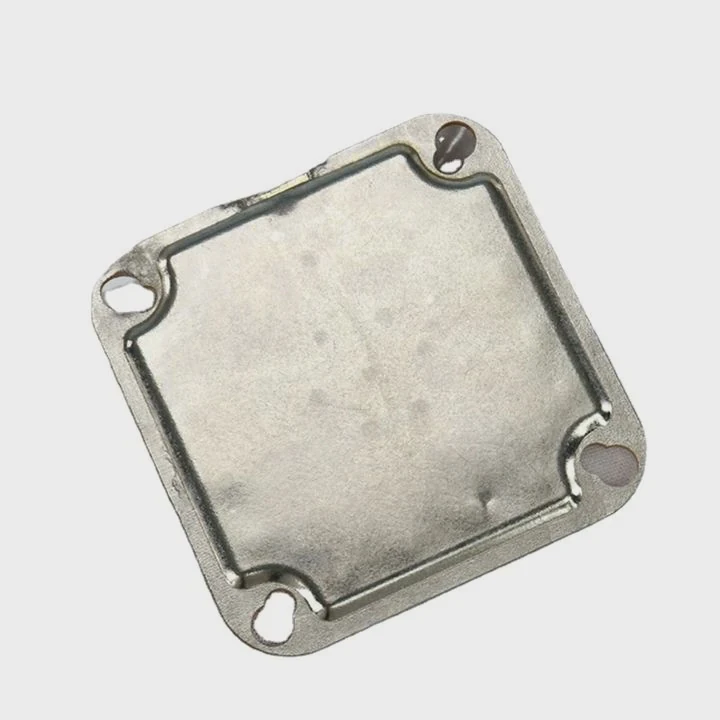
I start every reuse job by checking the paste layer. Old paste gets hard, cracks into pieces, and sticks inside the micro-grooves on the base. When I mount the heatsink without full cleaning, the new paste does not spread well. This leaves tiny voids that slow heat flow. I use simple tools: soft cloth, alcohol, cotton swabs, and a plastic scraper. These tools remove paste without scratching the base.
What Old Paste Usually Looks Like
| Paste Condition | What I See | Impact on Contact |
|---|---|---|
| Dried chunks | Hard spots | Creates tiny air gaps |
| Thick residue | Uneven layer | Stops paste flow |
| Dust mixed in | Dirty surface | Weakens heat path |
Why Clean Paste Matters So Much
I explain this in a simple way. Heat moves best when the CPU lid and the heatsink meet with a thin layer of fresh paste. The paste fills micro-gaps, but it must stay thin. When old paste stays in place, the layer becomes thick. Thick paste slows heat movement. It also dries faster, which makes temperatures rise over time.
I also see that old paste can scratch the base if it contains dust. Dust becomes like sand. When I rub the base without cleaning, the dust drags across the surface and leaves marks. These marks stop the base from sitting flat. So I always clean first, wipe in one direction, and check the shine of the metal. If the base reflects light evenly, I know it is clean.
I also clean the CPU lid. Some users forget this part. I clean both surfaces because paste residue on the lid also affects the spread. When both sides stay clean, the reused heatsink performs almost like new.
Which brackets enable reuse?
I work with many heatsinks, and I see that reuse depends more on the brackets than the heatsink itself.
Reusable brackets are the ones with adjustable standoffs, cross-plates, or multi-socket kits that match different CPUs without bending the board or tilting the heatsink.
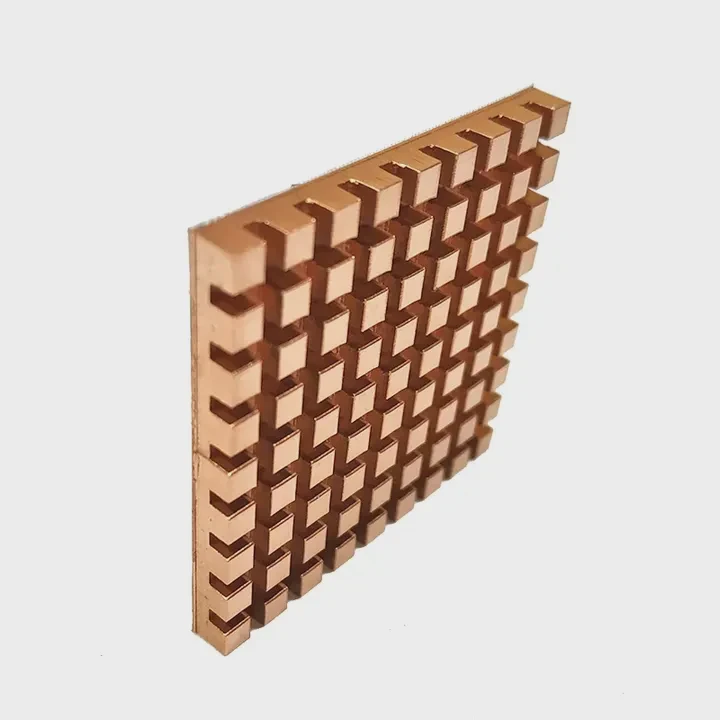
I check bracket kits before reusing a heatsink. Some heatsinks come with fixed brackets that only fit one socket. Some come with multi-socket kits that fit Intel and AMD boards. When I try to reuse a heatsink with the wrong bracket, the screws do not line up, or the pressure becomes uneven. I also check the screw length because some screws bottom out too early and reduce pressure.
Common Bracket Types I Use
| Bracket Type | What It Does | Reuse Quality |
|---|---|---|
| Multi-socket kit | Fits many boards | Best for reuse |
| Adjustable standoffs | Change height | Good for alignment |
| Fixed plate | One socket only | Poor reuse flexibility |
Why Brackets Decide Whether I Can Reuse the Heatsink
I explain this step by step. The heatsink base must sit flat on the CPU. The bracket holds the base in place. If the bracket is wrong, the base tilts even if the heatsink itself is perfect. A small tilt creates gaps. Gaps create hotspots. Hotspots force throttling. So I check the bracket first before I decide to reuse the heatsink.
I also look at screw springs. Springs help maintain pressure over time. Some heatsinks use springs that fit only one bracket system. If the springs do not match the new bracket, the pressure becomes too low. Low pressure reduces contact. So I check the spring compression distance. When the springs compress evenly, the mount stays stable.
I also test how the bracket fits the backplate. Some backplates shift when the screws tighten. When the backplate shifts, the bracket bends. This bend shows up in the contact pattern. I see uneven paste marks when the bracket pulls harder on one side. To solve this, I use bracket kits that include their own backplates. These kits usually work well across many builds.
Can warped bases hurt temps?
I find warped bases more often than users think, especially after years of heat cycles.
Warped heatsink bases hurt temperatures because they lift off the CPU lid in small spots, create micro-gaps, and force the paste to form thick patches that slow heat flow.
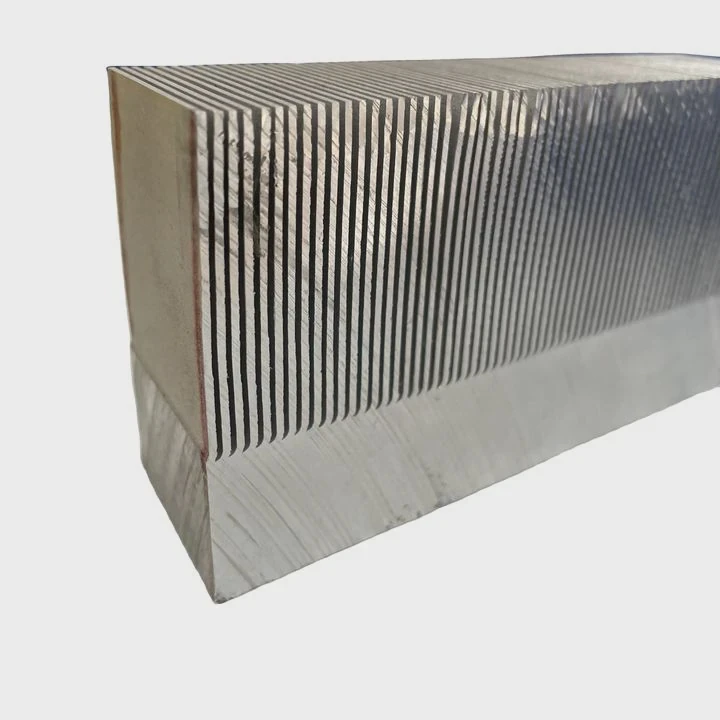
I check base flatness every time I reuse a heatsink. Heat cycles bend metal slowly. When the CPU heats up, the base expands. When it cools, it shrinks. This cycle repeats hundreds of times. The metal bends a little each time. I also see warped bases in systems that were mounted with too much pressure.
How I Identify Warp Problems
| Check Method | What I Look For | What Warp Causes |
|---|---|---|
| Straight-edge test | Gaps in light | Contact loss |
| Paste imprint | Uneven spread | Hotspots |
| Reflection check | Distorted shapes | Bent base |
Why Warp Damages Performance
I want to make this clear. A heatsink must sit flat. A warped base lifts on one side. When it lifts, the paste flows into the gap. The paste becomes thick. Thick paste slows heat. This creates a temperature spike near the hotspot on the CPU.
I also see that warped bases produce strange temperature patterns. Some cores run hot. Some stay cool. This happens because the die under the CPU lid has different sections. If only one section loses good contact, that section overheats. I see this in many tests with reused heatsinks.
Warp also weakens long-term stability. When the base sits uneven, the pressure becomes uneven. One screw pushes harder. One corner lifts. This movement grows over time. So if the base shows warp marks, I decide whether to flatten it or replace it.
Should lapping restore flatness?
I have restored many heatsinks by lapping them when they no longer sit flat.
Lapping can restore flatness because sanding the base removes high spots, reduces micro-gaps, and creates a smooth surface for better contact and paste flow.
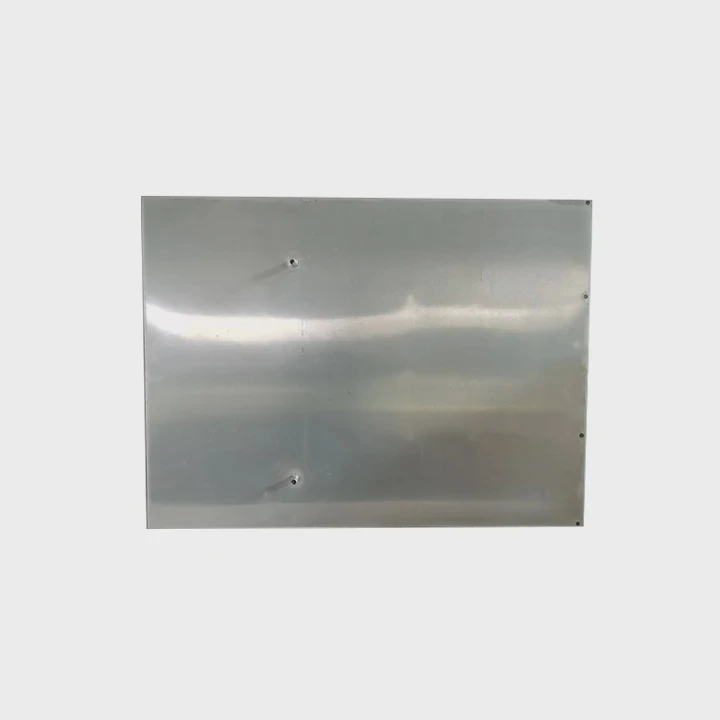
I use lapping when the warp is small. If the base curves too much, lapping may remove too much metal. So I check the base first with a straight-edge. When the warp stays within safe limits, I use fine sandpaper on a flat glass surface. I sand slowly, one direction at a time. I keep the strokes even. This keeps the base level.
Lapping Steps I Follow
| Step | What I Do | Why It Helps |
|---|---|---|
| Prepare flat surface | Use thick glass | Keeps sanding even |
| Use fine grit | 800–2000 grit | Removes metal slowly |
| Check progress | Test with straight-edge | Prevents over-sanding |
Why Lapping Helps a Reused Heatsink
I explain this in a clear way. A flat base spreads heat well. A lapped base touches the CPU lid fully. When I lap the base, I remove tiny bumps. These bumps come from past mounts, heat cycles, and paste residue. Removing them restores clean contact.
I also find that lapping improves paste flow. Paste moves better across a smooth base. When the base stays rough, paste sticks in pockets and forms thick patches. Thick patches trap heat. A lapped base spreads paste in a thin layer. Thin layers move heat fast.
Lapping also extends heatsink life. When the base stays flat, it survives many mounts. When the base stays uneven, stress builds up each time I tighten the screws. Lapping removes the uneven points and stabilizes the mount.
I always clean the base after lapping. I remove metal dust with alcohol. I polish lightly with a clean cloth. Then I check flatness again. When the base reflects light evenly, I know it is ready for reuse.
Conclusion
A reused heatsink works well when the paste is clean, the brackets fit, the base stays flat, and lapping restores smooth contact. With these steps, the heatsink cools the CPU as well as a new one.
TAGS
Latest Articles

Volume discount levels for heat sink orders?
Buyers often ask when heat sink prices start to drop with volume. Many worry they’re overpaying for small orders. This guide explains how B2B volume pricing works for thermal components. Heat sink
21 Dec,2025
Heat sink long-term supply contract options?
Many buyers want stable pricing and reliable delivery for heat sinks. But without a clear contract, risks grow over time. This article explores how to secure better long-term supply deals. Long-term
21 Dec,2025
Tooling cost for new heat sink profiles?
Many engineers struggle to understand why tooling for custom heat sinks costs so much. They worry about budgeting and production timelines. This article breaks down the cost drivers behind tooling.
21 Dec,2025
Heat sink custom sample process steps?
Sometimes, starting a custom heat sink project feels overwhelming—too many steps, too many unknowns, and too many risks. You want a sample, but not endless delays. The process for requesting and
20 Dec,2025
Standard B2B terms for heat sink payments?
When buyers and sellers in B2B heat sink markets talk about payment, many don’t fully understand what’s standard. This can lead to delayed orders, miscommunication, and even lost business
20 Dec,2025
Heat sink pricing factors for large orders?
Heat sinks are vital for many systems. When prices rise, projects stall and budgets break. This problem can hit teams hard without warning. Large order heat sink pricing depends on many factors. You
20 Dec,2025Related Articles
- do laptop ssd need heatsink?
- does the adata xpg sx8200 pro 1tb need a heatsink?
- Where is the heatsink on the motherboard?
- what size are intel cpu heatsink screws?
- will adding aluminum heatsinks to xbox 360 help it reddit?
- how to tighten heatsink?
- how to install heatsink and fan into a cpu?
- can you boot skylake without heatsink?
- how to put heatsink on cpu?
- how to mount a 212 evo heatsink?
- what is a heatsink chipset?
- can extruded aluminum be a heatsink?
Author
Dr. Emily Chen
Chief AI Researcher
Leading expert in thermal dynamics and AI optimization with over 15 years of experience in data center efficiency research.
Categories
Latest Products
M.2 Heatpipe Heatsink With Dual Fans For Pc Case
19 Mar,2026
Heavy-Duty Aluminum Heat Sink Custom
19 Mar,2026
Oem Skived Fin Heatsink Aluminum Radiator For Plants
19 Mar,2026
Water Cooled Cnc Aluminum Heat Sink For Medical
19 Mar,2026
High Density 6000 Series Aluminum Heat Sink Profile
19 Mar,2026
High-Density Extruded Aluminum & Bonded-Fin Heat Sink Profile
19 Mar,2026
Recommend Categories
- Liquid cooling plate Manufacturer
- Industrial Heat Sink Manufacturer
- Standard Heat Sink Manufacturer
- Aluminum Heat Sink Manufacturer
- Copper Heat Sink Manufacturer
- Anodized Heatsink Manufacturer
- Stamping heat sink Manufacturer
- Die Casting Heatsink Manufacturer
- Soldering heat sink Manufacturer
- CNC Parts Manufacturer
Latest Products
- M.2 Heatpipe Heatsink With Dual Fans For Pc Case
- Heavy-Duty Aluminum Heat Sink Custom
- Oem Skived Fin Heatsink Aluminum Radiator For Plants
- Water Cooled Cnc Aluminum Heat Sink For Medical
- High Density 6000 Series Aluminum Heat Sink Profile
- High-Density Extruded Aluminum & Bonded-Fin Heat Sink Profile
- Dongguan Cnc Aluminum Heat Sink For Led & Brass Parts
- Wholesale Cnc Aluminum Heat Sink - Custom Extruded
- Led Cnc Round Heat Sink With Screw Holes
- Copper Pin-Fin Heat-Sink Large-Area For Photoled Cooling
- Telecom Heatsink Zipper Fin Wcopper Tubes Oem
Contact Expert
Have questions about this article? Reach out to our experts directly.