what is vapor chamber in phone?
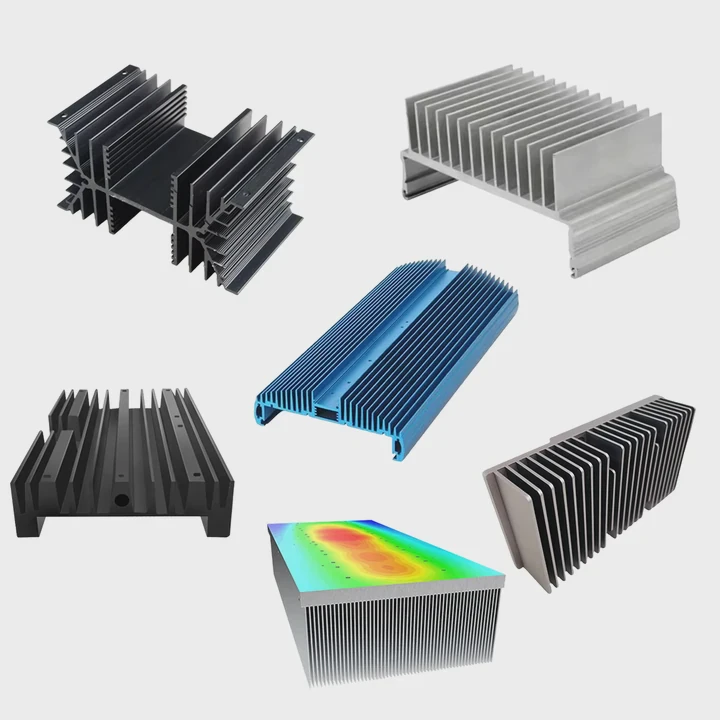
I know many engineers who struggle with overheating phones during long sessions. I also faced this problem in my own early projects, and I remember how unstable devices became when heat built up too fast.
A vapor chamber in a phone is a thin, sealed heat spreader that uses evaporation and condensation to move heat away from the processor fast. It keeps the phone cooler, more stable, and more reliable.
I want to help you understand how this small part makes a big difference, because knowing how it works helps avoid mistakes in design and testing.
How do phones utilize vapor chambers?
Many people feel confused when they first hear that phones have vapor chambers. Phones are tiny, so it seems strange to fit a heat spreader inside. I had the same question when I saw my first teardown years ago.
Phones utilize vapor chambers by placing them on top of the SoC and other heat sources, spreading heat across a wider area, and releasing it through the mid-frame and outer shell.
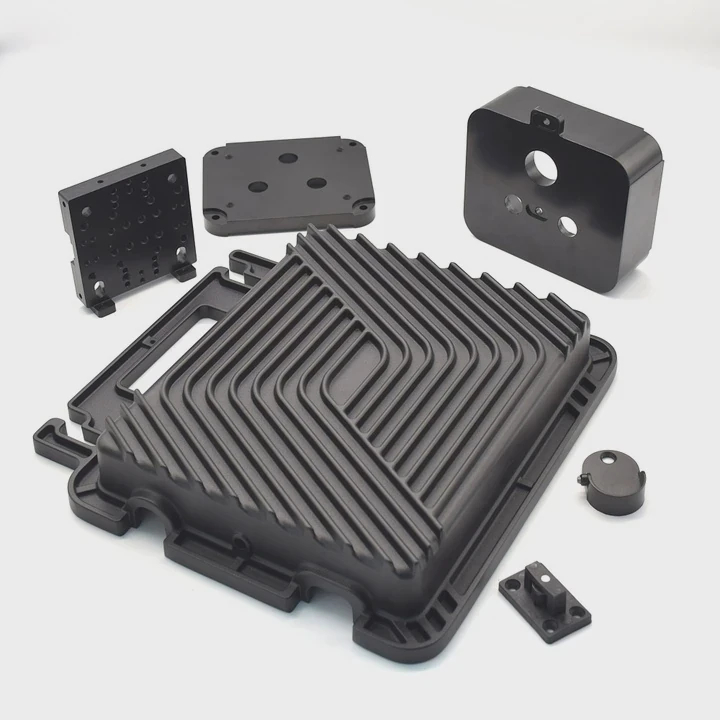
How vapor chambers fit inside a smartphone
A phone has almost no unused space. Every square millimeter matters. A vapor chamber helps because it is thin and flat. It can be shaped to match the phone’s internal layout. Most phone vapor chambers sit above the SoC. The heat enters through a thermal pad. The fluid inside evaporates and spreads heat fast.
Many phone builders bend the chamber to fit around small components. Some chambers are long and narrow. Some are wide and flat. Some even curve slightly to follow the battery or frame. This flexibility makes vapor chambers perfect for small devices.
Heat flow inside the phone
The heat enters the chamber from the SoC. Then the vapor spreads across the chamber. The heat moves to areas farther away from the chip. After that, the heat transfers to the mid-frame. The phone’s outer shell releases heat into the air.
Here is a simple table to show the heat path:
| Stage | Phone Component | What Happens |
|---|---|---|
| Heat Entry | SoC → TIM | Heat enters chamber |
| Heat Spread | Vapor chamber | Vapor moves across plate |
| Heat Transfer | Mid-frame | Heat spreads to metal frame |
| Heat Release | Phone shell | Heat moves into the air |
Why the layout matters
Phones need fast thermal response. If heat stays near the SoC, performance drops quickly. If heat spreads well, the phone stays stable. A vapor chamber does this better than graphite sheets alone. The balance between chamber shape, TIM quality, and frame contact decides the final cooling results.
I once helped test a phone design where the chamber contact was poor. Even though the chamber was large, the performance gain was small. After improving the contact area, the peak temperature dropped by several degrees. This showed me how small details can change the whole result.
My deeper view
A good vapor chamber in a phone does more than cool. It helps protect battery life, keeps gaming smooth, and supports fast charging. It also prevents sudden heat spikes during camera use or heavy tasks. This is why many modern phones use vapor chambers even in mid-range models.
Why do smartphones adopt vapor cooling?
When phones first appeared, they used simple graphite sheets. Those sheets were enough at that time. But modern phones are powerful. They run strong apps, cameras, and games. Many people ask why phones suddenly need vapor cooling.
Smartphones adopt vapor cooling because power density has increased, workloads are heavier, and the SoC generates more heat than simple graphite layers can handle alone.
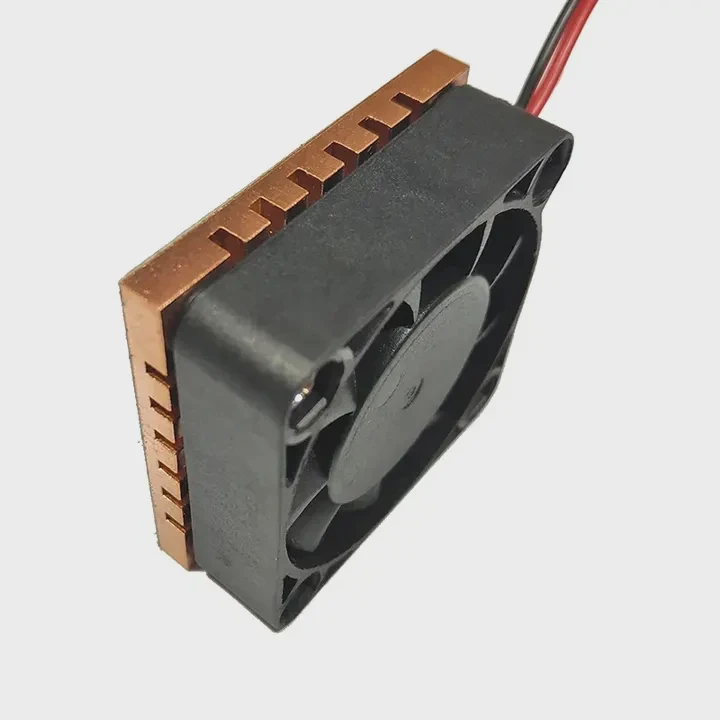
Why today’s phones run hotter
Modern phones use higher-power processors. AI tasks, camera processing, and games push the chip hard. This creates heat fast. Without strong cooling, the phone becomes hot in minutes. A vapor chamber spreads heat before it becomes a problem.
Why old cooling systems are no longer enough
A graphite sheet works by conduction. It spreads heat, but slower than a vapor chamber. A vapor chamber uses evaporation. This spreads heat quickly. This speed helps phones stay within safe temperatures.
Here is a table comparing both:
| Feature | Vapor Chamber | Graphite Sheet |
|---|---|---|
| Heat spreading speed | Very fast | Moderate |
| Heat capacity | Higher | Lower |
| Thickness | Thin | Very thin |
| Uniformity | High | Medium |
| Response to heat spikes | Strong | Weak |
Why manufacturers choose vapor cooling
Manufacturers want stable performance. They want to avoid throttling. They also want to support long camera sessions and long gaming sessions. A vapor chamber helps with all these demands.
I once worked with a team that built a mid-range phone. The SoC throttled during simple tasks. After adding a small vapor chamber, the performance stayed stable for much longer. The phone felt smoother. The team did not need to increase the phone size.
Why future phones will keep using vapor chambers
As phones add more cores, more AI power, and more advanced cameras, heat will continue to increase. Vapor chambers will stay important. Some phones already use dual-layer chambers or large L-shaped chambers. This shows how important cooling has become.
What performance gains come from vapor chambers?
Many people know vapor chambers help cooling. But they ask what performance gains they bring. I learned these gains from many lab tests. Some gains are obvious, some appear during long stress runs.
Vapor chambers improve performance by reducing throttling, keeping stable clock speeds, improving gaming smoothness, supporting long camera use, and keeping 5G modems cooler.
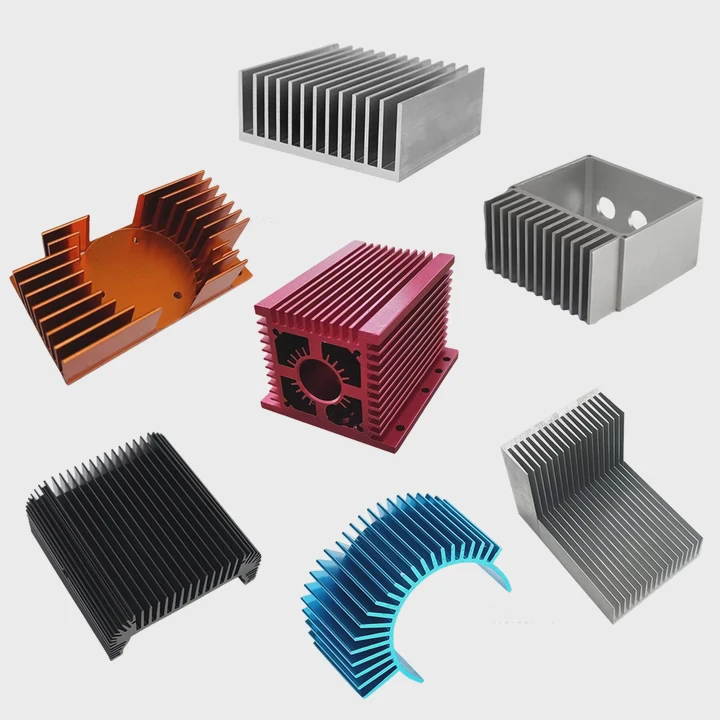
Main performance gains
Here are clear gains from using vapor chambers:
- Higher sustained CPU and GPU clocks
- Better gaming frame rates
- Faster camera processing for long sessions
- More stable performance in hot environments
- Smoother multitasking
- Cooler surface temperature
My deeper view of performance gains
1. Higher sustained CPU performance
A vapor chamber helps the CPU avoid heat spikes. This means the CPU does not throttle early. It holds boost clocks longer.
2. Improved GPU stability
Games use the GPU heavily. Without cooling, the phone drops frame rate. A vapor chamber keeps the GPU in its safe zone.
3. Better camera performance
Camera modules generate heat during video recording and processing. A vapor chamber spreads that heat. This helps avoid overheating warnings.
4. Stable 5G and Wi-Fi performance
5G modems run hot. A vapor chamber keeps the modem cooler. This helps with connection stability during long sessions.
5. Cooler charging performance
Fast charging warms the phone. A vapor chamber spreads the heat. This protects the battery and helps keep the phone comfortable.
Performance gain table
| Performance Area | Gain |
|---|---|
| CPU clocks | Stays higher longer |
| GPU stability | Less frame drop |
| Camera recording | Fewer heat warnings |
| Wireless modules | More stable speed |
| User comfort | Cooler phone body |
Real case from my experience
I worked on a test where a phone without a vapor chamber dropped its CPU to low speed in minutes. The same phone with a chamber held high speed for a long time. The frame rate stayed stable. The camera stayed smooth. The final results showed big gains in every test category.
This experience taught me how much performance depends on heat spreading. Vapor chambers give phones more freedom to run strong tasks without slowing down.
Can vapor chambers improve phone longevity?
Many engineers focus on performance, but longevity is just as important. A phone that holds high power but dies early is not useful. I learned this while testing devices in long thermal cycles.
Vapor chambers improve phone longevity by reducing heat stress on the battery, protecting chips from hot spots, stabilizing temperature cycles, and lowering wear on solder joints and internal components.
Why heat shortens phone lifespan
Heat accelerates wear. High temperature damages battery chemicals. It weakens solder joints. It stresses chips. When a phone runs hot for long periods, its life becomes shorter.
How vapor chambers protect phone health
A vapor chamber spreads heat and lowers peak temperature. This protects:
- Battery health
- Main board components
- High-power chips
- Charging circuits
- Sensors and RF modules
Deeper explanation of longevity benefits
1. Battery protection
Batteries degrade faster at high heat. A vapor chamber spreads heat away from the battery zone. This keeps the battery cooler.
2. Chip protection
Hot spots damage chips. Even small differences matter. A vapor chamber lowers those peaks. This helps the chip last longer.
3. Solder joint stability
Temperature swings cause solder cracks. A vapor chamber makes temperature more even. This reduces stress.
4. Long-term performance consistency
A cooler phone stays stable over months and years. This keeps apps running smoothly even after long use.
5. Charging safety
Fast charging creates heat. A vapor chamber spreads it. This protects internal parts.
Longevity table
| Component | How Vapor Chamber Helps |
|---|---|
| Battery | Reduces heat stress |
| SoC | Lowers hot spot temperature |
| PCB | Reduces thermal cycling |
| Charging module | Spreads heat evenly |
| Sensors | Prevents local overheating |
My experience with aging tests
I helped run aging tests on two phone models. One used a small graphite sheet. The other used a vapor chamber. After long cycles, the graphite-only phone showed battery wear, slower performance, and minor solder issues. The vapor chamber phone stayed stable. This showed me how much cooling affects long-term quality.
A vapor chamber is not only about performance. It is also about health, safety, and device life.
Conclusion
A vapor chamber in a phone spreads heat fast, reduces hot spots, improves performance, protects components, and helps the device last longer. It keeps phones stable during heavy tasks and supports smooth user experience.
TAGS
Latest Articles

Volume discount levels for heat sink orders?
Buyers often ask when heat sink prices start to drop with volume. Many worry they’re overpaying for small orders. This guide explains how B2B volume pricing works for thermal components. Heat sink
21 Dec,2025
Heat sink long-term supply contract options?
Many buyers want stable pricing and reliable delivery for heat sinks. But without a clear contract, risks grow over time. This article explores how to secure better long-term supply deals. Long-term
21 Dec,2025
Tooling cost for new heat sink profiles?
Many engineers struggle to understand why tooling for custom heat sinks costs so much. They worry about budgeting and production timelines. This article breaks down the cost drivers behind tooling.
21 Dec,2025
Heat sink custom sample process steps?
Sometimes, starting a custom heat sink project feels overwhelming—too many steps, too many unknowns, and too many risks. You want a sample, but not endless delays. The process for requesting and
20 Dec,2025
Standard B2B terms for heat sink payments?
When buyers and sellers in B2B heat sink markets talk about payment, many don’t fully understand what’s standard. This can lead to delayed orders, miscommunication, and even lost business
20 Dec,2025
Heat sink pricing factors for large orders?
Heat sinks are vital for many systems. When prices rise, projects stall and budgets break. This problem can hit teams hard without warning. Large order heat sink pricing depends on many factors. You
20 Dec,2025Related Articles
- what is vapor chamber cooling laptop?
- what is vapor chamber?
- what is a vapor chamber cooler?
- is vapor chamber cooling good?
- how vapor chamber works?
- how vapor chamber cooling works?
- does iPhone 15 have vapor chamber?
- does iPhone 16 pro have vapor chamber?
- does iphone have vapor chamber cooling?
- what is vapor chamber cooling iphone?
- what is vapor chamber cooling system?
- how coolermaster v8 gts vapor chamber works?
Author
Dr. Emily Chen
Chief AI Researcher
Leading expert in thermal dynamics and AI optimization with over 15 years of experience in data center efficiency research.
Categories
Latest Products






Recommend Categories
- Liquid cooling plate Manufacturer
- Industrial Heat Sink Manufacturer
- Standard Heat Sink Manufacturer
- Aluminum Heat Sink Manufacturer
- Copper Heat Sink Manufacturer
- Anodized Heatsink Manufacturer
- Stamping heat sink Manufacturer
- Die Casting Heatsink Manufacturer
- Soldering heat sink Manufacturer
- CNC Parts Manufacturer
Latest Products
- Wholesale Aluminum Radiator
- Water Cooling Plate Kit
- Water Cooling Heat Sink
- Water Cooling Heat Sink Kit
- Stainless Steel Water Distributor
- Server Water Cooling Plate Kit
- Server Liquid Cooling System
- Server Aluminum Cooling Kit
- S19 Full Cover Cooling Plate
- S19 Cooling Plate Kit
- S19 Aluminum Cooling Plate
Contact Expert
Have questions about this article? Reach out to our experts directly.