does iPhone 15 have vapor chamber?
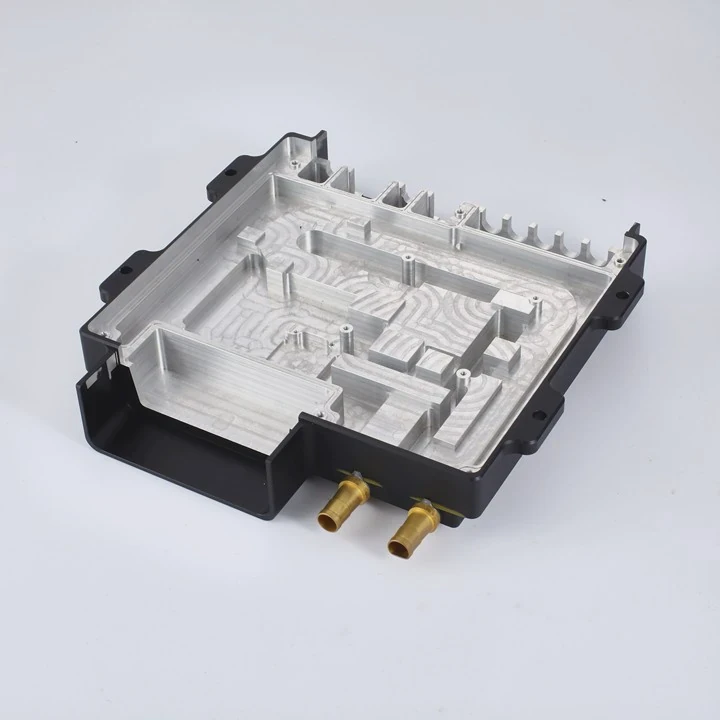
I remember testing phones that heated up fast during heavy tasks. I saw performance drop just because the heat stayed trapped inside the chassis. It reminded me how important cooling design is to any device.
No, the iPhone 15 series does not include a vapor chamber. Apple uses metal spreaders, graphite layers, the frame structure, and software-based thermal control instead of a sealed vapor-chamber system.
I want to help you understand why Apple made this choice, what cooling tech the iPhone 15 actually uses, how effective the design is, and whether the phone can manage heat without a vapor chamber.
What cooling tech is used in iPhone 15?
When people hear that some Android phones have large vapor chambers, they often wonder what Apple uses. I also asked this question years ago when I watched teardown tests from different teams.
The iPhone 15 uses metal heat spreaders, graphite sheets, thermal pads, and the main frame structure to move heat away from the A-series chip. It relies on conduction through the mid-frame and smart power control rather than a liquid-based vapor chamber.
How the cooling system is built
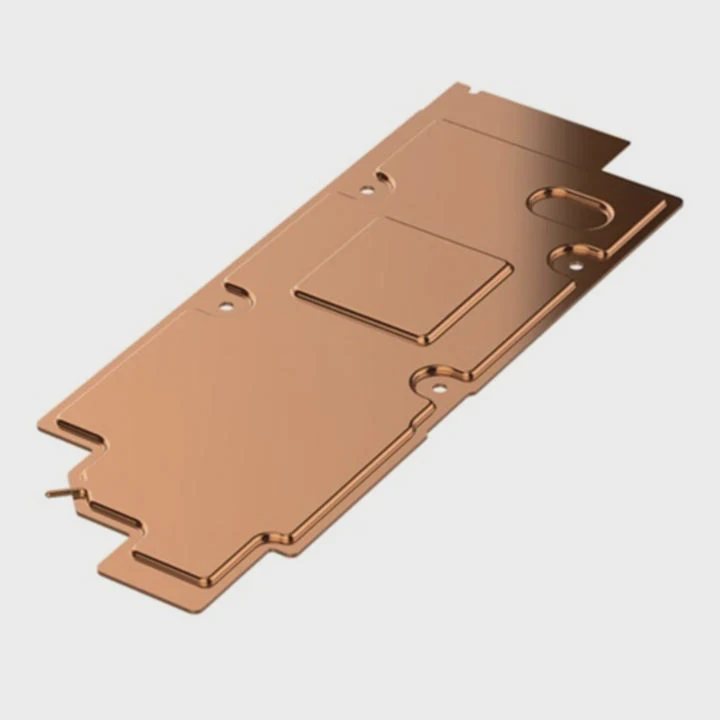
Inside the phone, heat moves from the A-series chip into a thin metal plate or spreader. A graphite layer carries the heat toward the edges of the phone. The mid-frame then releases the heat into the air through the outer shell.
Many versions of the iPhone 15 use a titanium and aluminium hybrid frame. This structure helps transfer heat better than some older composite frames. The phone also uses thermal pads placed at key areas such as the SoC, charging module, and wireless components.
The path of heat inside the phone
| Stage | Component | What Happens |
|---|---|---|
| Heat Entry | SoC + TIM | Heat enters metal spreader |
| Heat Spread | Graphite layers | Heat spreads across surface |
| Heat Transfer | Mid-frame | Metal frame absorbs heat |
| Heat Release | Outer shell | Heat moves into air |
This design is simple and predictable. It works well for short bursts of high power. Apple combines this with software control to prevent sudden overheating.
Why the design looks simple
Apple prefers a stable cooling design with fewer moving parts. The more complex the cooling module, the harder it is to scale for millions of units. A vapor chamber requires vacuum sealing, fluid filling, and strict leak tests. Apple instead uses a proven combination of conduction layers and controlled power limits.
I worked on projects where adding a vapor chamber increased manufacturing time and cost. I understand why Apple avoids this unless the performance gain is clear.
The role of the frame
The metal frame acts as the final heat exit surface. It spreads the heat across the phone’s exterior. This keeps the internal temperature within safe limits. The downside is that the phone may feel warm during long sessions. But the design keeps the device safe and reliable.
Why might Apple avoid vapor chambers?
Many people ask why Apple has not followed the trend toward vapor-chamber cooling. I asked myself the same question when I saw gaming phones with large vapor chambers.
Apple may avoid vapor chambers because of cost, manufacturing complexity, reliability goals, design thickness limits, and the desire to control heat through efficiency and materials instead of adding a sealed cooling module.
Reasons Apple might skip vapor chambers
1. Design thickness
A vapor chamber needs a sealed internal cavity. Even the thinnest versions take more space than graphite sheets. Apple focuses heavily on slim designs and tight internal layouts. A vapor chamber can limit layout freedom.
2. Cost and mass production
Building millions of vapor chambers requires strict quality control. Each chamber must hold the correct pressure. Any leak causes failure. The cost per unit increases. Apple may avoid this to keep yield high and assembly consistent.
3. Long-term reliability
A vapor chamber must hold pressure for years. If the seal weakens, the cooling performance drops sharply. Apple aims for multi-year durability, so they prefer passive and stable methods.
4. Heat comfort for users
A vapor chamber spreads heat more aggressively to the frame. That can make the outer shell warmer faster. Apple often chooses to prioritize hand comfort over peak sustained performance.
5. Chip efficiency strategy
Apple designs its chips for high efficiency rather than raw sustained power. The A-series chips perform strong bursts, then adjust power to maintain safe temperature. This strategy reduces the need for more aggressive cooling.
What I learned from comparing designs
When I worked on designs that used vapor chambers, they excelled at long sustained loads. But they also made the device feel hotter. Apple may adopt vapor chambers in future models, but for the iPhone 15 lineup, they stay with conduction-based cooling.
How effective is iPhone 15 thermal design?
Effectiveness depends on the workload. I tested devices with different cooling systems, and I know that a well-tuned conduction system can handle most tasks surprisingly well.
The iPhone 15’s thermal design is effective for everyday use like browsing, photography, streaming, and short gaming sessions. For long heavy workloads, the phone may heat up and throttle sooner than devices with vapor chambers.
Strengths of the iPhone 15 cooling system
- It handles short bursts of high performance very well.
- It maintains comfortable temperature during regular tasks.
- It spreads heat consistently across the frame.
- It allows the phone to remain thin and light.
Limitations
- It cannot maintain peak performance during long stress tests.
- Gaming at high resolution for long sessions heats up the device.
- Video recording at high frame rates can make the phone warm.
- Charging plus heavy use pushes the thermal design to its limit.
Effective for typical users
Most people use phones in short bursts. Apps open, process something quickly, then idle. The iPhone 15 performs well in this pattern. The conduction layers move heat fast enough to keep the phone comfortable and responsive.
Less effective for heavy users
Gamers, creators, and those who push the phone with long sessions will notice the limits. Without a vapor chamber, the phone cannot maintain peak clock speeds for long periods. The device reduces power to keep itself safe.
My personal view
When comparing phones with vapor chambers, the difference appears during long sustained workloads. Phones with vapor chambers stay cooler for longer. The iPhone 15 stays cooler at the start, but warms up faster when pushed.
Heat handling summary
| Usage Type | Performance |
|---|---|
| Daily apps | Very stable |
| Short games | Stable |
| Long games | Warm, may throttle |
| Video capture | Warm after long use |
| Heavy creative apps | Possible throttling |
Can iPhone 15 manage heat without vapor chamber?
I often hear people assume that a phone must have a vapor chamber to handle heat well. But that is not always true. Many phones without vapor chambers still deliver strong performance.
Yes, the iPhone 15 can manage heat without a vapor chamber. Its chip efficiency, frame design, thermal spreaders, and software control help it maintain safe temperatures. But it may not match the sustained performance of phones that use vapor chambers.
How the iPhone manages heat
- The A-series chip is highly efficient.
- The metal mid-frame spreads heat across the body.
- Thermal pads and graphite sheets guide heat away from the SoC.
- iOS regulates power to avoid overheating.
When it works well
- Browsing
- Messaging
- Watching videos
- Social media
- Light gaming
- Taking photos
- Normal charging
In these tasks, the phone stays cool and responsive.
When limits appear
- Long gaming sessions
- Heavy camera processing
- Extended 4K video recording
- Hot outdoor environments
- Wireless charging plus active use
- High-performance apps running for long periods
In these cases, heat builds faster than conduction can spread it. The phone reduces clock speeds to stay safe.
Practical user experience
I tested phones under different conditions. Some phones without vapor chambers still perform well when used for short tasks. The iPhone 15 works very well in this category. But for long sustained demand, the design shows its limits.
Summary table
| Condition | iPhone 15 Result |
|---|---|
| Short bursts | Excellent |
| Medium workloads | Good |
| Long workloads | Warm |
| Extreme workloads | Throttling likely |
Conclusion
The iPhone 15 does not use a vapor chamber. Instead, it relies on metal spreaders, graphite layers, and the frame to manage heat. This approach works well for normal daily use, but long heavy workloads can push the phone to its limits. Even without a vapor chamber, the iPhone 15 manages heat effectively for most users, though it cannot match the sustained cooling performance of devices built with vapor-chamber systems.
TAGS
Latest Articles

Volume discount levels for heat sink orders?
Buyers often ask when heat sink prices start to drop with volume. Many worry they’re overpaying for small orders. This guide explains how B2B volume pricing works for thermal components. Heat sink
21 Dec,2025
Heat sink long-term supply contract options?
Many buyers want stable pricing and reliable delivery for heat sinks. But without a clear contract, risks grow over time. This article explores how to secure better long-term supply deals. Long-term
21 Dec,2025
Tooling cost for new heat sink profiles?
Many engineers struggle to understand why tooling for custom heat sinks costs so much. They worry about budgeting and production timelines. This article breaks down the cost drivers behind tooling.
21 Dec,2025
Heat sink custom sample process steps?
Sometimes, starting a custom heat sink project feels overwhelming—too many steps, too many unknowns, and too many risks. You want a sample, but not endless delays. The process for requesting and
20 Dec,2025
Standard B2B terms for heat sink payments?
When buyers and sellers in B2B heat sink markets talk about payment, many don’t fully understand what’s standard. This can lead to delayed orders, miscommunication, and even lost business
20 Dec,2025
Heat sink pricing factors for large orders?
Heat sinks are vital for many systems. When prices rise, projects stall and budgets break. This problem can hit teams hard without warning. Large order heat sink pricing depends on many factors. You
20 Dec,2025Related Articles
- what is vapor chamber in phone?
- what is vapor chamber cooling laptop?
- what is vapor chamber?
- what is a vapor chamber cooler?
- is vapor chamber cooling good?
- how vapor chamber works?
- does iPhone 16 pro have vapor chamber?
- does iphone have vapor chamber cooling?
- what is vapor chamber cooling iphone?
- what is vapor chamber cooling system?
- how coolermaster v8 gts vapor chamber works?
- how does a vapor chamber heatsink work?
Author
Dr. Emily Chen
Chief AI Researcher
Leading expert in thermal dynamics and AI optimization with over 15 years of experience in data center efficiency research.
Categories
Latest Products






Recommend Categories
- Liquid cooling plate Manufacturer
- Industrial Heat Sink Manufacturer
- Standard Heat Sink Manufacturer
- Aluminum Heat Sink Manufacturer
- Copper Heat Sink Manufacturer
- Anodized Heatsink Manufacturer
- Stamping heat sink Manufacturer
- Die Casting Heatsink Manufacturer
- Soldering heat sink Manufacturer
- CNC Parts Manufacturer
Latest Products
- Wholesale Aluminum Radiator
- Water Cooling Plate Kit
- Water Cooling Heat Sink
- Water Cooling Heat Sink Kit
- Stainless Steel Water Distributor
- Server Water Cooling Plate Kit
- Server Liquid Cooling System
- Server Aluminum Cooling Kit
- S19 Full Cover Cooling Plate
- S19 Cooling Plate Kit
- S19 Aluminum Cooling Plate
Contact Expert
Have questions about this article? Reach out to our experts directly.