Installation tools needed for Vapor Chamber
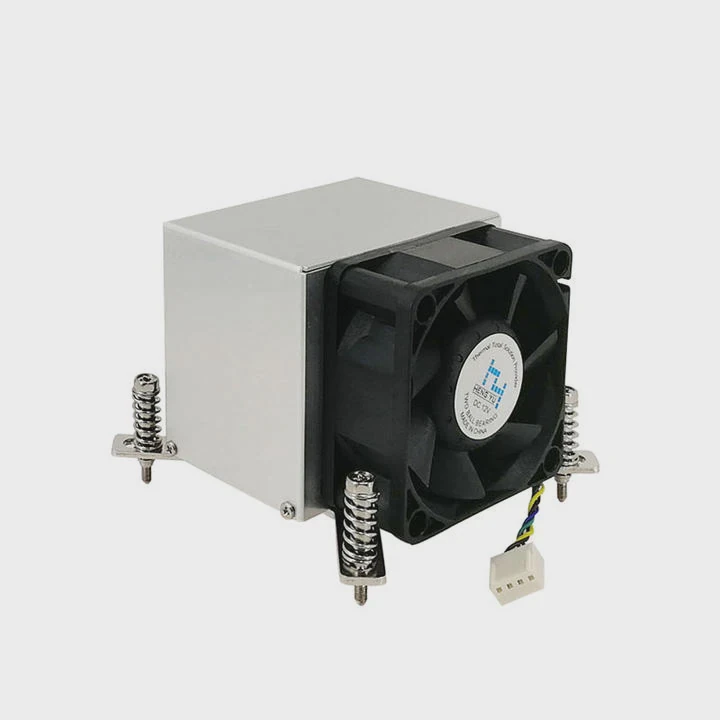
Improper installation can compromise the performance of a vapor chamber — or even cause mechanical damage. Many assume vapor chambers are just “metal plates,” but mounting them requires care, correct tools, and an understanding of thermal contact.
Installing a vapor chamber safely requires basic hand tools, a torque driver, thermal interface materials, and a clean process. While suppliers may not always provide toolkits, having the right setup ensures thermal efficiency and reliability.
What tools are needed to install Vapor Chambers?
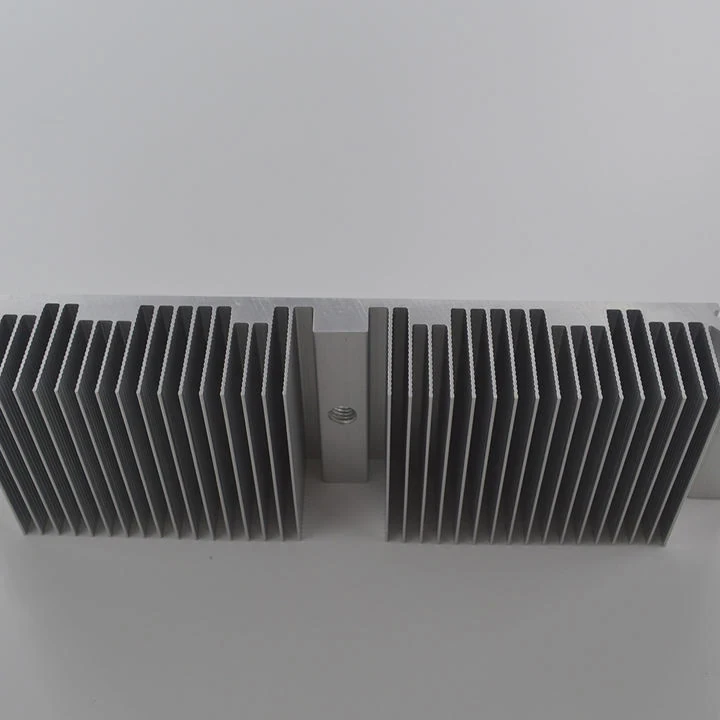
Vapor chambers must be installed with precision to preserve their structural integrity and thermal performance. These are the tools typically needed:
- Screwdriver set: Phillips, Torx, or hex drivers depending on fastener types.
- Torque driver: Ensures even pressure across all mounting points.
- Thermal paste or pad: Maintains good thermal contact.
- Lint-free wipes + alcohol: For cleaning surfaces.
- Anti-static gloves or straps: Prevent contamination.
- Mounting fixtures or brackets: Designed for specific assembly situations.
Here’s a summary table of recommended tools:
| Tool / Item | Purpose |
|---|---|
| Screwdrivers / Allen keys | For fastener installation |
| Torque driver / wrench | Prevents over-tightening and maintains flat contact |
| Cleaning alcohol & wipes | Removes dust, oil, or debris from contact surfaces |
| Thermal paste / pads | Improves thermal contact at the interface |
| Gloves / anti-static gear | Avoid contamination, especially in sensitive systems |
| Mounting brackets | Align and secure chamber during assembly |
Important Notes:
Always prepare a clean workstation.
Use trays or protective foam to hold the chamber before mounting.
Avoid touching chamber contact surfaces with bare hands.
Are torque drivers required for mounting?
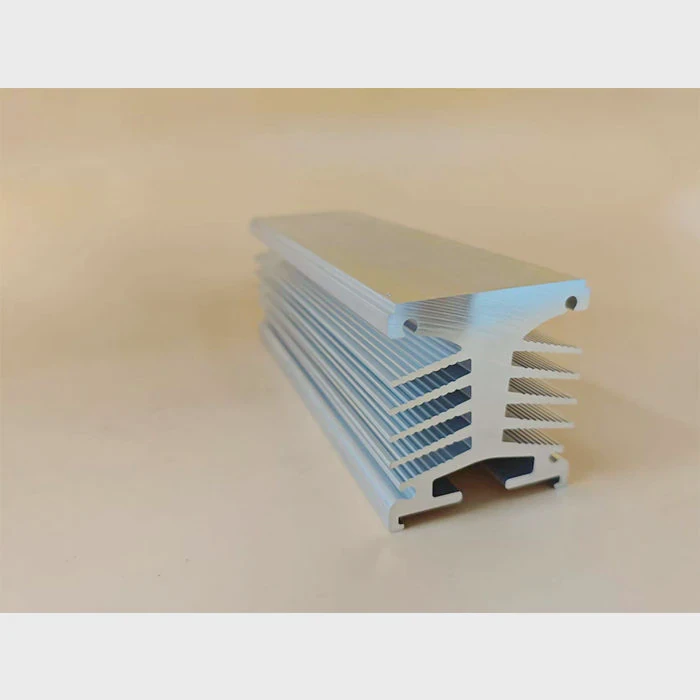
Yes. Using a torque-controlled driver is strongly recommended when installing vapor chambers. Even pressure distribution is crucial to avoid bending the chamber, which can damage internal structures or reduce flatness.
Why torque matters:
- Over-tightening can warp the chamber or crack welds.
- Under-tightening leads to poor contact and higher thermal resistance.
- Uneven torque across screws may cause stress concentrations.
Many vapor chambers are only a few millimeters thick and rely on their base maintaining flat contact with a heat source or interface. Warping, even slightly, can introduce air gaps and degrade performance.
Suggested torque values:
| Application Type | Torque Value (Nm) | Notes |
|---|---|---|
| Laptop cooling | 0.3–0.5 Nm | Delicate frames |
| Server CPU modules | 0.6–1.0 Nm | Heavier assemblies |
| Industrial plates | 1.0–2.5 Nm | Based on bolt size and gasket |
Tip: Tighten screws diagonally in small steps (cross-pattern). This evenly distributes pressure and minimizes twist or tilt of the chamber.
Should thermal paste be applied during installation?
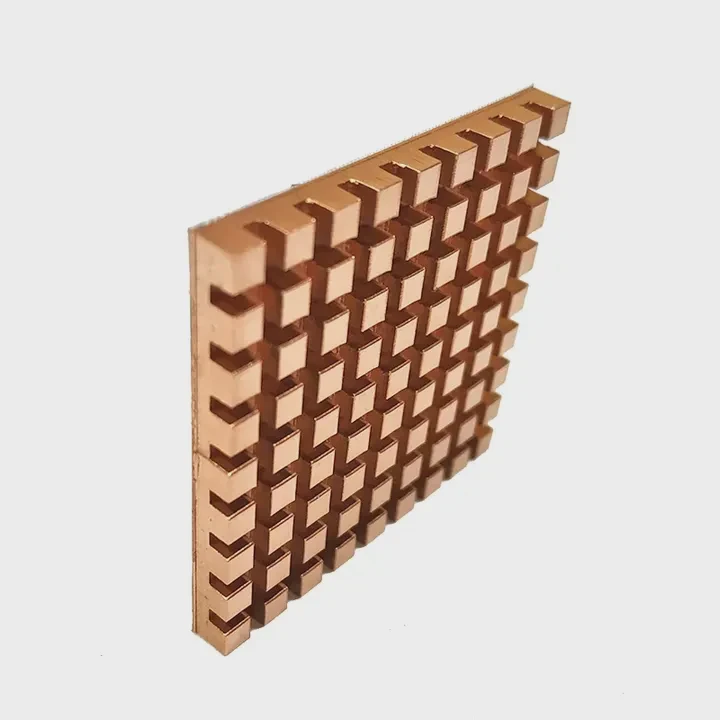
Yes. A thermal interface material (TIM) such as thermal paste or pad is essential when installing vapor chambers unless they are pre-attached or directly soldered.
Why TIM is needed:
- Fills microscopic gaps between the chamber and heat source.
- Maximizes surface contact area for efficient heat transfer.
- Prevents air gaps that act as insulators.
Thermal paste vs thermal pad:
| TIM Type | Pros | Cons |
|---|---|---|
| Thermal paste | High conductivity, low thickness | Messy, requires application |
| Thermal pad | Easy to apply, clean handling | Lower performance in some cases |
Application tips:
- Use just enough to cover the contact area with a thin film.
- Avoid applying too much — excessive paste may spill or insulate.
- Reapply new paste after each disassembly; never reuse dried paste.
For high-power assemblies (e.g., GPU/CPU blocks), thermal paste is usually preferred due to its performance. Pads are more common in systems that prioritize assembly speed over peak performance.
Do suppliers provide installation toolkits?
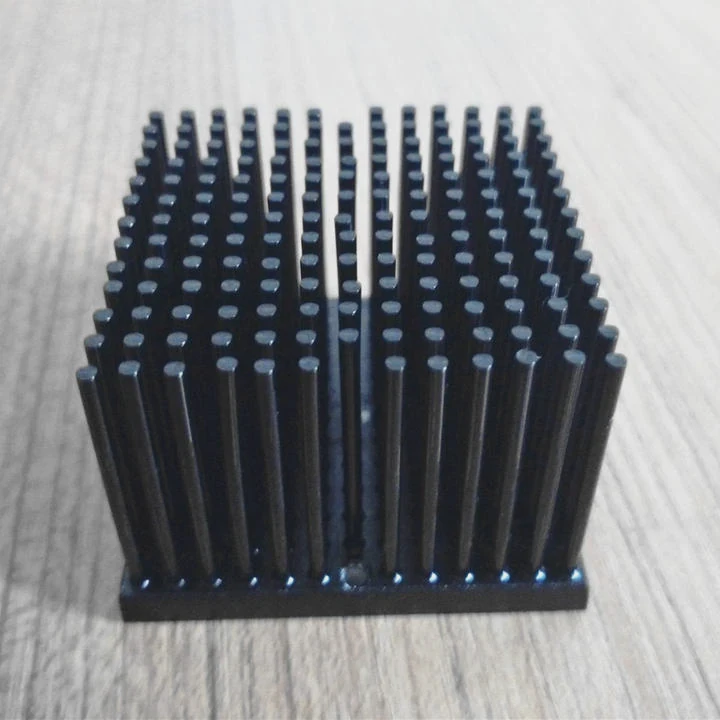
In most B2B or OEM situations, vapor chamber suppliers do not include installation toolkits by default. They focus on delivering the core product — chambers, brackets, or complete thermal assemblies. However, under some conditions, toolkits may be offered.
When suppliers may include tools:
- In sample orders, to help clients test prototypes.
- In volume projects, where standardization improves QA outcomes.
- As part of a co-developed thermal module or system.
What’s typically included (if available):
| Toolkit Item | Description |
|---|---|
| Mounting hardware | Screws, washers, standoffs |
| Brackets or frames | Custom fit for prototype evaluation |
| Alignment guide | Prevents misalignment during first tests |
| Installation guide | Step-by-step for correct assembly |
However, tools like torque drivers or paste are rarely included, as they are considered standard bench equipment. Most clients are expected to have them or source them locally.
Best practice:
Request a basic installation guide with drawings from the supplier.
Ask for hardware specs (e.g., torque range, paste type).
Set up internal assembly SOPs using this documentation.
Extra Installation Tips
To improve reliability and performance during installation:
1. Cleanliness is key
Use lint-free cloths and alcohol to wipe down surfaces. Any dust, oil, or oxidation can affect thermal contact.
2. Handle with care
Avoid bending the chamber. Most vapor chambers have a thin structure and internal wick layers that can be damaged by twisting or pressure.
3. Use gloves
Nitrile or anti-static gloves keep oils and contaminants off the chamber and TIM surface.
4. Document your assembly
Create a checklist for torque values, paste type, visual inspection, and final mounting order. Use this for repeat installations or quality checks.
Common Installation Mistakes to Avoid
| Mistake | Why It’s a Problem |
|---|---|
| Uneven screw tightening | Causes warping and poor contact |
| No thermal paste or pad | Leads to high thermal resistance |
| Touching surface with bare hands | Leaves oils that reduce conductivity |
| Overtightening screws | Can crack chamber or deform the base |
| Reusing old paste | Degrades performance over time |
Conclusion
Proper installation of vapor chambers isn’t difficult — but it does require attention to detail and the right tools. Use a torque driver to apply even pressure. Always apply thermal interface material to eliminate air gaps. Clean surfaces thoroughly, and handle the chamber with care. While most suppliers don’t offer full toolkits, they do provide specs and basic mounting hardware. By setting up a consistent installation process, you protect your thermal investment and achieve stable, high-efficiency heat transfer every time.
TAGS
Latest Articles

Volume discount levels for heat sink orders?
Buyers often ask when heat sink prices start to drop with volume. Many worry they’re overpaying for small orders. This guide explains how B2B volume pricing works for thermal components. Heat sink
21 Dec,2025
Heat sink long-term supply contract options?
Many buyers want stable pricing and reliable delivery for heat sinks. But without a clear contract, risks grow over time. This article explores how to secure better long-term supply deals. Long-term
21 Dec,2025
Tooling cost for new heat sink profiles?
Many engineers struggle to understand why tooling for custom heat sinks costs so much. They worry about budgeting and production timelines. This article breaks down the cost drivers behind tooling.
21 Dec,2025
Heat sink custom sample process steps?
Sometimes, starting a custom heat sink project feels overwhelming—too many steps, too many unknowns, and too many risks. You want a sample, but not endless delays. The process for requesting and
20 Dec,2025
Standard B2B terms for heat sink payments?
When buyers and sellers in B2B heat sink markets talk about payment, many don’t fully understand what’s standard. This can lead to delayed orders, miscommunication, and even lost business
20 Dec,2025
Heat sink pricing factors for large orders?
Heat sinks are vital for many systems. When prices rise, projects stall and budgets break. This problem can hit teams hard without warning. Large order heat sink pricing depends on many factors. You
20 Dec,2025Related Articles
- Standard moisture protection for Vapor Chamber
- How to inspect delivered Vapor Chamber batch?
- Vapor Chamber DDP shipping availability
- Vapor Chamber customs clearance process
- Can Vapor Chamber be shipped by courier?
- Minimum lead time for Vapor Chamber prototype?
- Can Vapor Chamber be disassembled?
- Maintenance tools for Vapor Chamber systems
- How long does a Vapor Chamber last?
- Warranty claim process for Vapor Chamber
- Typical after sales support for Vapor Chamber
- Common Vapor Chamber replacement parts?
Author
Dr. Emily Chen
Chief AI Researcher
Leading expert in thermal dynamics and AI optimization with over 15 years of experience in data center efficiency research.
Categories
Latest Products






Recommend Categories
- Liquid cooling plate Manufacturer
- Industrial Heat Sink Manufacturer
- Standard Heat Sink Manufacturer
- Aluminum Heat Sink Manufacturer
- Copper Heat Sink Manufacturer
- Anodized Heatsink Manufacturer
- Stamping heat sink Manufacturer
- Die Casting Heatsink Manufacturer
- Soldering heat sink Manufacturer
- CNC Parts Manufacturer
Latest Products
- Wholesale Aluminum Radiator
- Water Cooling Plate Kit
- Water Cooling Heat Sink
- Water Cooling Heat Sink Kit
- Stainless Steel Water Distributor
- Server Water Cooling Plate Kit
- Server Liquid Cooling System
- Server Aluminum Cooling Kit
- S19 Full Cover Cooling Plate
- S19 Cooling Plate Kit
- S19 Aluminum Cooling Plate
Contact Expert
Have questions about this article? Reach out to our experts directly.