Vapor Chamber optimization for CPU cooling?
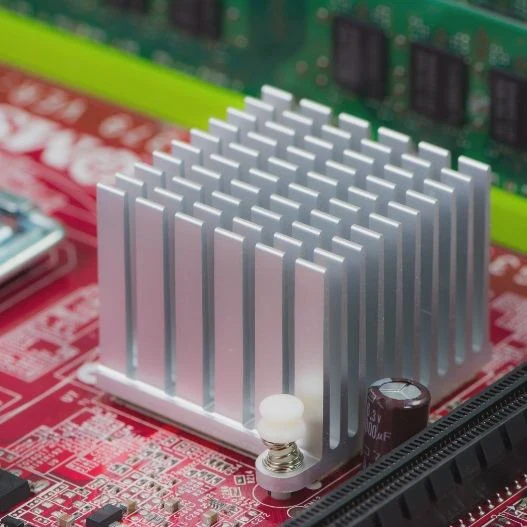
Modern CPUs push more watts into smaller areas than ever before. If the vapor chamber is not optimized for these conditions, thermal throttling and long-term reliability issues are inevitable.
Yes, vapor chambers must be specially optimized for CPU cooling with careful design of vapor paths, flatness, contact pressure, and internal structure.
CPUs present a very specific thermal challenge: small hotspots, rapid transients, and limited vertical space. In this article, I’ll explain how to tailor vapor chambers for CPU applications, from vapor flow to surface flatness, and why they can outperform heat pipes when properly designed.
How to optimize Vapor Chambers for CPU cooling?
CPUs generate concentrated heat in small areas, often under 1 cm². A standard vapor chamber may not handle this load efficiently unless tuned.
To optimize a vapor chamber for CPU cooling, you must adapt wick structure, fluid charge, and internal geometry to support quick vapor movement and efficient condensation.
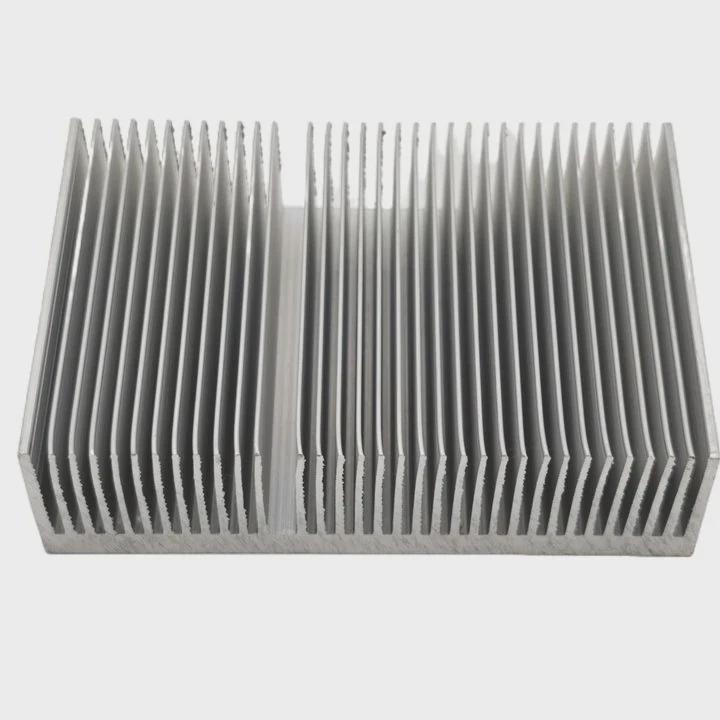
The key goal is to reduce the thermal resistance between the CPU die and the heat dissipation path. To do this, several aspects must be optimized:
Key Optimization Areas
| Component | Optimization Action |
|---|---|
| Wick structure | Use fine-pore sintered copper for faster return flow |
| Chamber thickness | Keep ≤ 3.0 mm to fit height limits |
| Fill ratio | Adjust working fluid volume to match load transients |
| Vapor flow paths | Create unobstructed paths from source to sink |
| Baseplate flatness | Maintain ≤ 20 µm deviation for die contact |
The wick must return liquid quickly to the CPU hotspot after condensation. This requires fine-pore materials, consistent porosity, and uniform thickness. For Intel and AMD CPUs with integrated heat spreaders (IHS), the vapor chamber should also cover a wider base to spread heat laterally.
Avoid overfilling with fluid. Too much liquid can cause flooding, which restricts vapor movement. At the same time, underfilling can lead to dry-out during turbo mode.
For each CPU class (desktop, server, mobile), testing different fluid charges and wick densities is essential. The design should also account for CPU mounting pressure, bracket shape, and vertical clearance.
In summary, optimizing for CPU cooling is not just about shape—it’s about tuning every parameter for speed, pressure, and phase-change balance.
Do vapor paths need redesign for CPUs?
Standard vapor chambers are designed for broad heat sources or GPU spreaders. CPUs, with their sharp, centered hotspots, need more targeted internal flow paths.
Yes, vapor paths must be redesigned to direct vapor from the CPU hotspot to the condensation zone quickly and without obstruction.
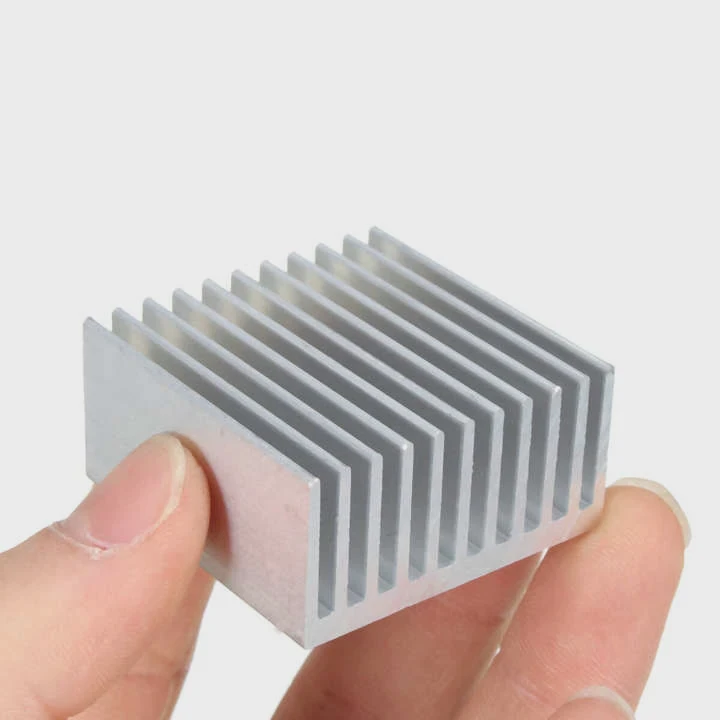
In CPU cooling, vapor moves from a tiny heat source (often 10x10 mm) toward fins or fans located farther away. If the internal structure does not support this specific flow, performance drops.
What to Redesign?
- Vapor channels: Create clear low-resistance paths from heat zone to cooler regions
- Wick gaps: Leave vapor cavities above hotspots for efficient evaporation
- Internal pillars: Use posts or ridges to improve structural stability without blocking flow
- Condensation surfaces: Position them near edges or behind fins to speed cooling
Without proper path design, vapor stagnates or flows unevenly. This leads to pressure imbalance and dry-out zones.
Some engineers use CFD (computational fluid dynamics) simulations to model vapor flow inside CPU vapor chambers. These simulations help position wick breaks, optimize channel width, and tune fluid mass for dynamic CPU loads.
Key CPU Challenges
| Challenge | Impact Without Redesign |
|---|---|
| High heat flux center | Overheating, poor spreading |
| Fast thermal pulses | Lag in vapor movement |
| Tight form factor | Blocked vapor return paths |
A well-optimized vapor chamber shows quick response during turbo spikes, stable cooling during stress loads, and no thermal drift after long operation.
So yes, the vapor paths absolutely must be redesigned when moving from generic plate coolers to CPU-specific applications.
Are flatness and contact pressure critical in CPU use?
Even the best vapor chamber is useless if it doesn’t touch the CPU properly. CPUs demand perfect flatness and high pressure for heat to move efficiently into the vapor chamber.
Yes, both flatness and contact pressure are critical to ensure low interface resistance and reliable thermal performance in CPU cooling.
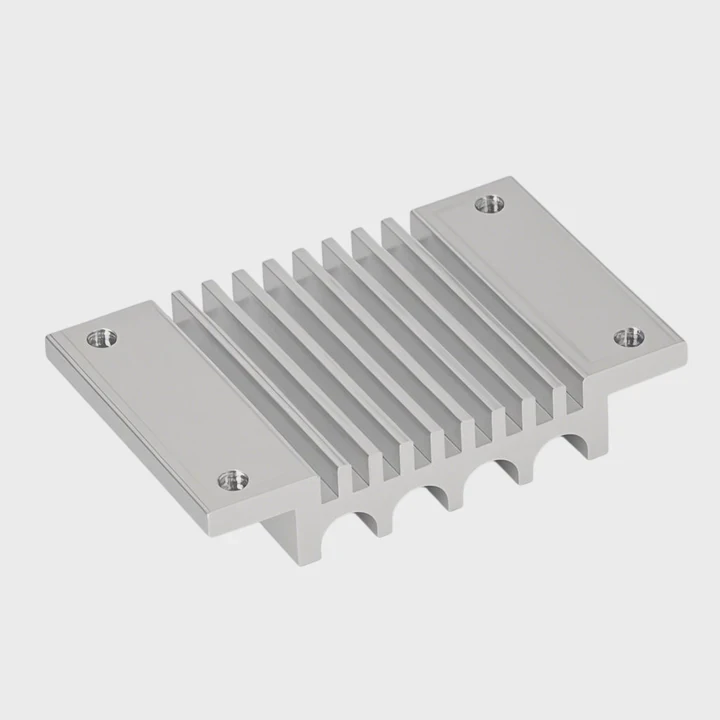
Most CPUs transfer heat through a small IHS (integrated heat spreader). Any gap, even microscopic, leads to temperature spikes.
Flatness Targets
| Surface Size (mm²) | Max Deviation (µm) |
|---|---|
| ≤ 40×40 | ≤ 15 |
| 50×50–70×70 | ≤ 20 |
| ≥ 80×80 | ≤ 25 |
If the vapor chamber base is warped or domed, the TIM (thermal interface material) won’t fill the gap effectively. This leads to air pockets, which are poor conductors.
Proper contact pressure is also essential. Intel LGA sockets and AMD AM5 platforms often require 30–60 N of mounting force. Your vapor chamber must maintain structural integrity under this pressure while staying flat.
Some manufacturers add a stiffener or frame around the base to prevent bowing. Others reinforce with internal columns to balance pressure.
How to Ensure Good Contact
- Lapped or ground base surface
- Validated TIM thickness and type
- Uniform torque on mount screws
- Use of retention springs or brackets
In CPU applications, flatness and contact pressure can make or break your design. A chamber with perfect internals but poor contact will still perform worse than a simple heat pipe with good mating.
Can Vapor Chambers outperform heat pipes in CPUs?
Many CPUs today use heat pipes in their coolers. But can vapor chambers really do better? The answer depends on how each is used.
Yes, vapor chambers can outperform heat pipes in CPU cooling when designed for low thermal resistance, better spreading, and compact integration.
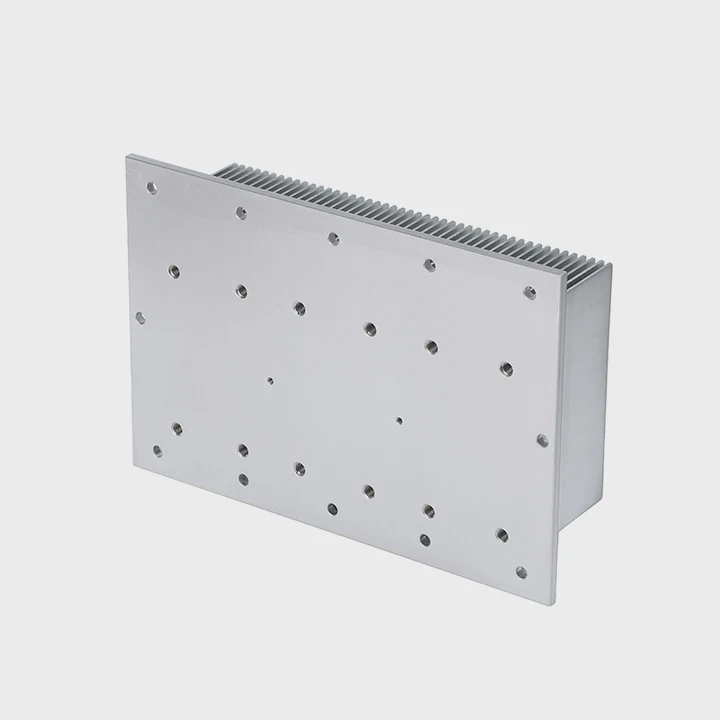
Heat pipes are efficient at transporting heat in a single direction — from point A to B. But vapor chambers can spread heat in two dimensions, making them ideal for CPU IHSs that have non-uniform heat zones.
Comparison Table
| Feature | Heat Pipe | Vapor Chamber |
|---|---|---|
| Heat transport | Line-based | Area-based |
| Spreading resistance | High | Low |
| Mounting flatness | Varies | High |
| Compactness | Needs multiple pipes | Single thin plate |
| Cost | Lower | Higher |
| Multi-hotspot handling | Limited | Excellent |
In server CPUs or high-power desktop processors, vapor chambers offer lower spreading resistance. They absorb localized heat quickly and distribute it evenly to fins or cold plates.
In one test we performed, replacing three 6 mm heat pipes with a 2.5 mm vapor chamber of similar width reduced core temperature by 5–7°C under Prime95 load.
However, heat pipes still work well for entry-level CPUs or when cost is a concern. They’re easier to route in tower coolers or mobile layouts.
For premium CPU designs — especially compact or performance-focused ones — vapor chambers give clear advantages when contact area is large and hotspots are intense.
Conclusion
To cool a CPU properly, a vapor chamber must be more than just flat copper. You need a design that matches the heat profile, contact surface, mounting system, and airflow pattern of the processor. When optimized for wick structure, vapor paths, and mechanical contact, vapor chambers can deliver lower temperatures, faster response, and better reliability than traditional heat pipes.
TAGS
Latest Articles

Volume discount levels for heat sink orders?
Buyers often ask when heat sink prices start to drop with volume. Many worry they’re overpaying for small orders. This guide explains how B2B volume pricing works for thermal components. Heat sink
21 Dec,2025
Heat sink long-term supply contract options?
Many buyers want stable pricing and reliable delivery for heat sinks. But without a clear contract, risks grow over time. This article explores how to secure better long-term supply deals. Long-term
21 Dec,2025
Tooling cost for new heat sink profiles?
Many engineers struggle to understand why tooling for custom heat sinks costs so much. They worry about budgeting and production timelines. This article breaks down the cost drivers behind tooling.
21 Dec,2025
Heat sink custom sample process steps?
Sometimes, starting a custom heat sink project feels overwhelming—too many steps, too many unknowns, and too many risks. You want a sample, but not endless delays. The process for requesting and
20 Dec,2025
Standard B2B terms for heat sink payments?
When buyers and sellers in B2B heat sink markets talk about payment, many don’t fully understand what’s standard. This can lead to delayed orders, miscommunication, and even lost business
20 Dec,2025
Heat sink pricing factors for large orders?
Heat sinks are vital for many systems. When prices rise, projects stall and budgets break. This problem can hit teams hard without warning. Large order heat sink pricing depends on many factors. You
20 Dec,2025Related Articles
- Vapor Chamber unit weight calculation method?
- Vapor Chamber tolerance for thickness variation?
- Vapor Chamber for inverter heat management?
- Can Vapor Chamber withstand shock testing?
- Vapor Chamber compatibility with graphite sheet?
- Does Vapor Chamber require vacuum forming?
- Does Vapor Chamber work with water cooling?
- Vapor Chamber for solar energy systems?
- Can Vapor Chamber operate in high humidity?
- Thermal expansion coefficient of Vapor Chamber?
- Vapor Chamber reliability in field usage?
- Should Vapor Chamber be tested individually?
Author
Dr. Emily Chen
Chief AI Researcher
Leading expert in thermal dynamics and AI optimization with over 15 years of experience in data center efficiency research.
Categories
Latest Products






Recommend Categories
- Liquid cooling plate Manufacturer
- Industrial Heat Sink Manufacturer
- Standard Heat Sink Manufacturer
- Aluminum Heat Sink Manufacturer
- Copper Heat Sink Manufacturer
- Anodized Heatsink Manufacturer
- Stamping heat sink Manufacturer
- Die Casting Heatsink Manufacturer
- Soldering heat sink Manufacturer
- CNC Parts Manufacturer
Latest Products
- Wholesale Aluminum Radiator
- Water Cooling Plate Kit
- Water Cooling Heat Sink
- Water Cooling Heat Sink Kit
- Stainless Steel Water Distributor
- Server Water Cooling Plate Kit
- Server Liquid Cooling System
- Server Aluminum Cooling Kit
- S19 Full Cover Cooling Plate
- S19 Cooling Plate Kit
- S19 Aluminum Cooling Plate
Contact Expert
Have questions about this article? Reach out to our experts directly.