Vapor Chamber for solar energy systems?
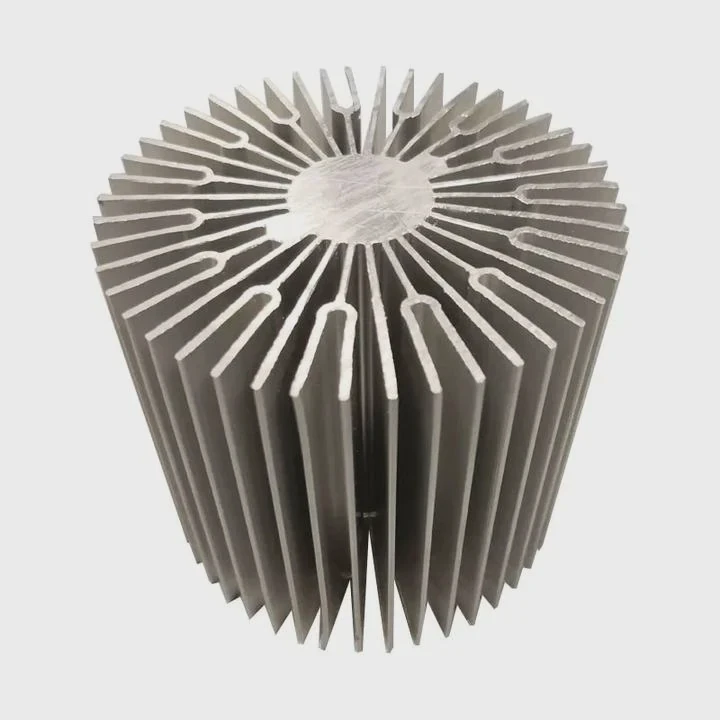
Solar energy systems face a hidden problem: heat. High temperatures reduce the efficiency of solar panels and electronics. People want a way to cool these systems passively, without using power.
Yes. Vapor chamber technology can be used in solar energy systems. It helps spread heat evenly and keeps temperatures lower, improving performance and protecting sensitive parts in solar modules.
This article explores how vapor chambers are used in solar energy, what applications benefit most, and whether they offer a practical way to reduce overheating.
Is Vapor Chamber technology used in solar systems?
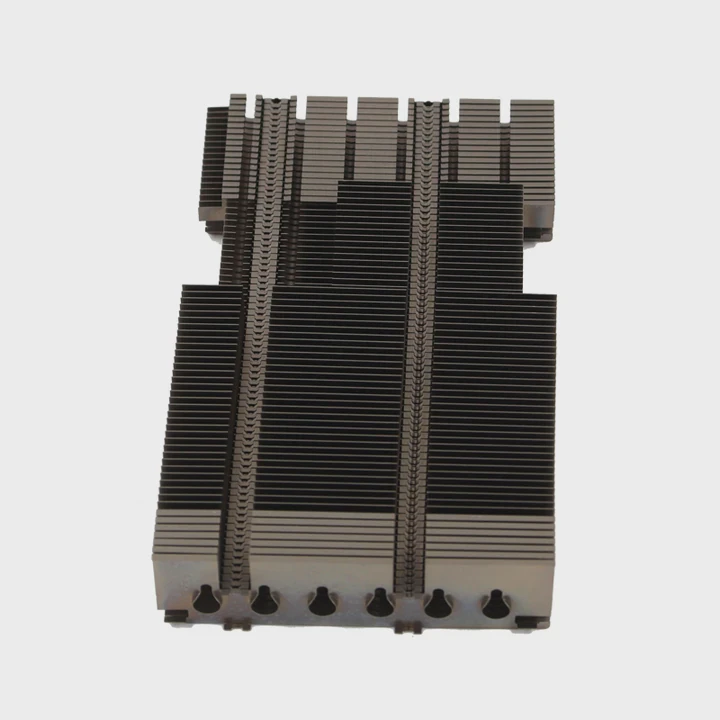
Most people think vapor chambers are only for CPUs or GPUs. But solar panels and energy storage systems also generate heat that needs to be managed.
Yes. Vapor chambers are increasingly being used in solar energy systems. They help distribute heat away from hotspots in photovoltaic panels and solar inverters.
In high-efficiency solar modules, especially those used in concentrated solar power (CSP) or high-density PV systems, heat becomes a limiting factor. Excess heat lowers voltage output and long-term reliability.
Vapor chambers can be embedded in:
- The backplate of solar panels
- The enclosure of power electronics like inverters
- Battery housing in off-grid solar storage systems
They spread heat passively, without fans or electricity. This makes them ideal for outdoor and off-grid applications where energy savings and durability are crucial.
| Component | Vapor Chamber Role |
|---|---|
| PV Backplane | Spreads sun-induced heat |
| Inverter Enclosure | Cools power transistors |
| Battery Housing | Prevents thermal buildup |
Adoption is still growing, but early results from research and pilot projects suggest real benefits in efficiency and lifespan.
What solar applications benefit from heat spreading?
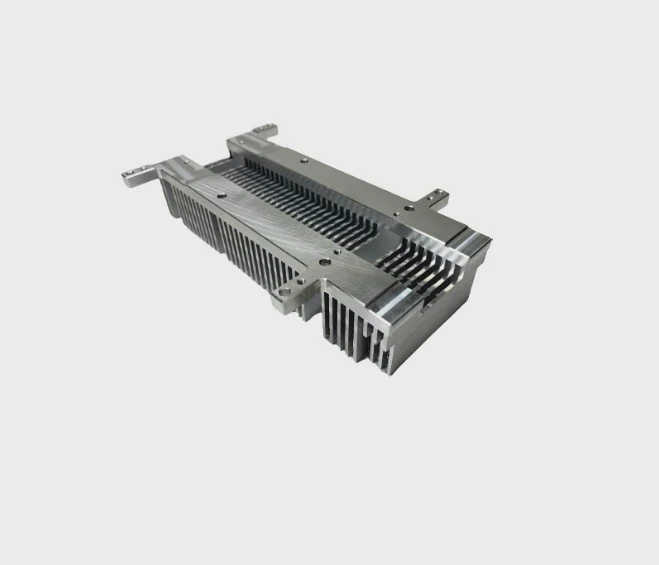
Solar technology is used in many ways — rooftops, farms, satellites. But not all setups suffer from the same thermal problems.
Solar modules with dense electronics or high sun exposure benefit most from vapor chamber heat spreading. This includes concentrated PV panels, hybrid solar-thermal systems, and power inverters.
Some solar panels have areas that absorb more sunlight than others, especially when partially shaded. This creates localized hotspots. Vapor chambers help spread this heat across the panel surface, preventing damage.
Here are some examples:
| Application | Why Heat Spreading Helps |
|---|---|
| CPV (Concentrated PV) | Prevents overheating from focused light |
| Hybrid solar-thermal panels | Boosts overall efficiency |
| Microinverters | Cools internal circuits in direct sunlight |
| Solar tracking modules | Reduces stress during rotation |
In solar inverters, heat comes from switching transistors and power conversion. Vapor chambers placed under these components spread the heat across a larger aluminum plate. This lowers peak temperatures and avoids active fans, which may fail outdoors.
In thermal energy storage modules (used in hybrid systems), vapor chambers can help manage charging/discharging heat, improving system stability.
Additional Benefits:
- Reduces hot-spot risk in PV cells
- Improves energy conversion under heat stress
- Extends lifespan of temperature-sensitive electronics
This passive method of heat control is especially useful in rural or remote solar setups, where maintenance is difficult and power consumption must be minimal.
Are outdoor solar panels using passive cooling chambers?
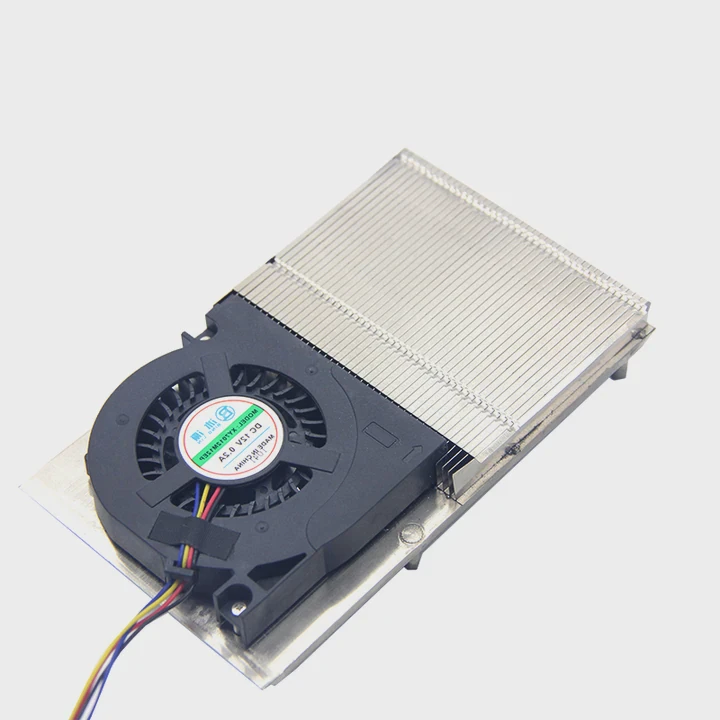
Some might think active fans or liquid loops are needed to cool solar panels. But outdoors, these methods are hard to maintain.
Yes. Some outdoor solar systems are starting to use passive cooling with vapor chambers. They improve heat distribution without any moving parts or energy use.
In standard PV modules, heat builds up under direct sunlight, especially on roofs or desert fields. Airflow often isn’t enough. Vapor chambers offer a silent, maintenance-free way to move heat away from cell clusters.
Manufacturers are now exploring aluminum vapor chambers embedded in:
- Backsheets
- Junction box enclosures
- Framing elements
The technology is similar to those used in electronics, but larger and more robust for outdoor use. These chambers are sealed and operate in any orientation — even vertical installations.
Case Study Highlights:
A 2022 field test in the Middle East installed passive vapor chambers behind 300W mono-PERC panels. Results showed:
- 6–9°C drop in panel back surface temperature
- 3–5% improvement in power output at peak sun
- No degradation in 12 months of exposure
This shows promise, especially in sunny and hot climates. The lack of moving parts or power demand makes vapor chambers ideal for large farms and harsh outdoor locations.
But challenges remain:
- Cost per panel is still higher
- Durability over 10–15 years must be proven
- Limited suppliers of large-area vapor chambers
Still, the trend toward smart passive thermal design continues to grow in solar hardware engineering.
Can Vapor Chambers reduce panel overheating?
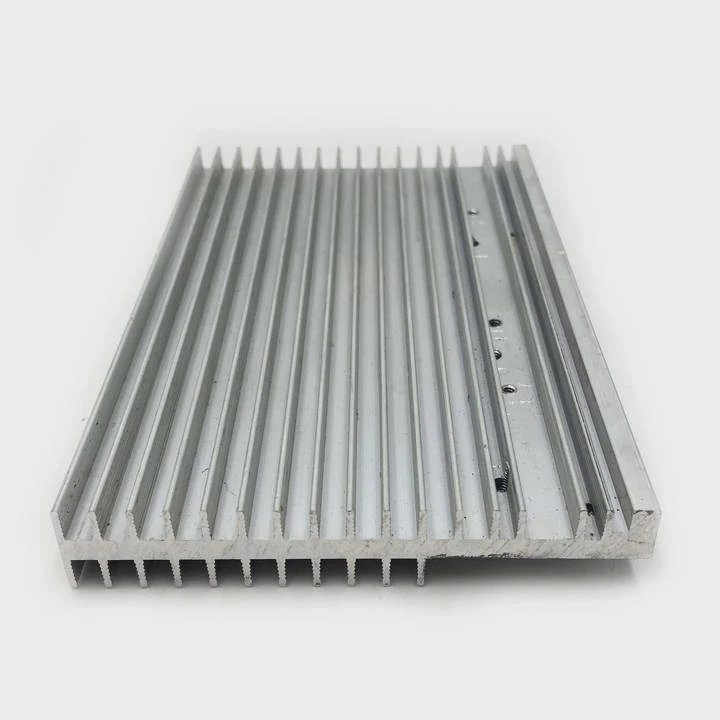
When panels overheat, voltage drops, lifespan shortens, and users lose energy and money. It’s a problem with no easy fix.
Yes. Vapor chambers reduce overheating by spreading localized heat quickly. This prevents hotspots and reduces the temperature gradient across the panel surface.
The typical solar panel suffers efficiency loss at high temperature. For most crystalline silicon cells, each 1°C rise can cut efficiency by 0.4–0.5%. So dropping 10°C can regain 4–5% power.
Here’s how vapor chambers help:
- Absorb: The chamber picks up heat from hotspots
- Transport: Fluid inside evaporates and moves heat outward
- Dissipate: Heat spreads across metal plate and to air
By reducing the peak heat in any one area, the overall temperature is lower. That improves:
- Daily output
- Panel stability
- Module safety
Some panels use graphite sheets to spread heat. Vapor chambers are more efficient because they use phase-change for much faster conduction — often 10x or more.
| Material | Approx. Effective Thermal Conductivity |
|---|---|
| Aluminum Plate | 200 W/m·K |
| Graphite Sheet | 400–800 W/m·K |
| Vapor Chamber | 2000–5000 W/m·K |
For large-area applications, vapor chambers must be customized in shape, size, and filling material. Some use water; others use methanol or acetone for different climates.
Still, the performance gain is clear in side-by-side tests, especially where panels are tilted and receive uneven sunlight across their surface.
Conclusion
Vapor chambers offer a promising solution to heat problems in solar energy systems. From panel backplates to inverter cooling, they reduce overheating without active parts. While still growing in adoption, they show strong potential in boosting solar output, protecting electronics, and enabling efficient, passive thermal control.
TAGS
Latest Articles

Volume discount levels for heat sink orders?
Buyers often ask when heat sink prices start to drop with volume. Many worry they’re overpaying for small orders. This guide explains how B2B volume pricing works for thermal components. Heat sink
21 Dec,2025
Heat sink long-term supply contract options?
Many buyers want stable pricing and reliable delivery for heat sinks. But without a clear contract, risks grow over time. This article explores how to secure better long-term supply deals. Long-term
21 Dec,2025
Tooling cost for new heat sink profiles?
Many engineers struggle to understand why tooling for custom heat sinks costs so much. They worry about budgeting and production timelines. This article breaks down the cost drivers behind tooling.
21 Dec,2025
Heat sink custom sample process steps?
Sometimes, starting a custom heat sink project feels overwhelming—too many steps, too many unknowns, and too many risks. You want a sample, but not endless delays. The process for requesting and
20 Dec,2025
Standard B2B terms for heat sink payments?
When buyers and sellers in B2B heat sink markets talk about payment, many don’t fully understand what’s standard. This can lead to delayed orders, miscommunication, and even lost business
20 Dec,2025
Heat sink pricing factors for large orders?
Heat sinks are vital for many systems. When prices rise, projects stall and budgets break. This problem can hit teams hard without warning. Large order heat sink pricing depends on many factors. You
20 Dec,2025Related Articles
- Does Vapor Chamber work with water cooling?
- Vapor Chamber optimization for CPU cooling?
- Vapor Chamber unit weight calculation method?
- Vapor Chamber tolerance for thickness variation?
- Vapor Chamber for inverter heat management?
- Can Vapor Chamber withstand shock testing?
- Can Vapor Chamber operate in high humidity?
- Thermal expansion coefficient of Vapor Chamber?
- Vapor Chamber reliability in field usage?
- Should Vapor Chamber be tested individually?
- Vapor Chamber sample cost estimation?
- Export tax for Vapor Chamber to Europe?
Author
Dr. Emily Chen
Chief AI Researcher
Leading expert in thermal dynamics and AI optimization with over 15 years of experience in data center efficiency research.
Categories
Latest Products
Recommend Categories
- Liquid cooling plate Manufacturer
- Industrial Heat Sink Manufacturer
- Standard Heat Sink Manufacturer
- Aluminum Heat Sink Manufacturer
- Copper Heat Sink Manufacturer
- Anodized Heatsink Manufacturer
- Stamping heat sink Manufacturer
- Die Casting Heatsink Manufacturer
- Soldering heat sink Manufacturer
- CNC Parts Manufacturer
Latest Products
- Wholesale Aluminum Radiator
- Water Cooling Plate Kit
- Water Cooling Heat Sink
- Water Cooling Heat Sink Kit
- Stainless Steel Water Distributor
- Server Water Cooling Plate Kit
- Server Liquid Cooling System
- Server Aluminum Cooling Kit
- S19 Full Cover Cooling Plate
- S19 Cooling Plate Kit
- S19 Aluminum Cooling Plate
Contact Expert
Have questions about this article? Reach out to our experts directly.