Thermal expansion coefficient of Vapor Chamber?
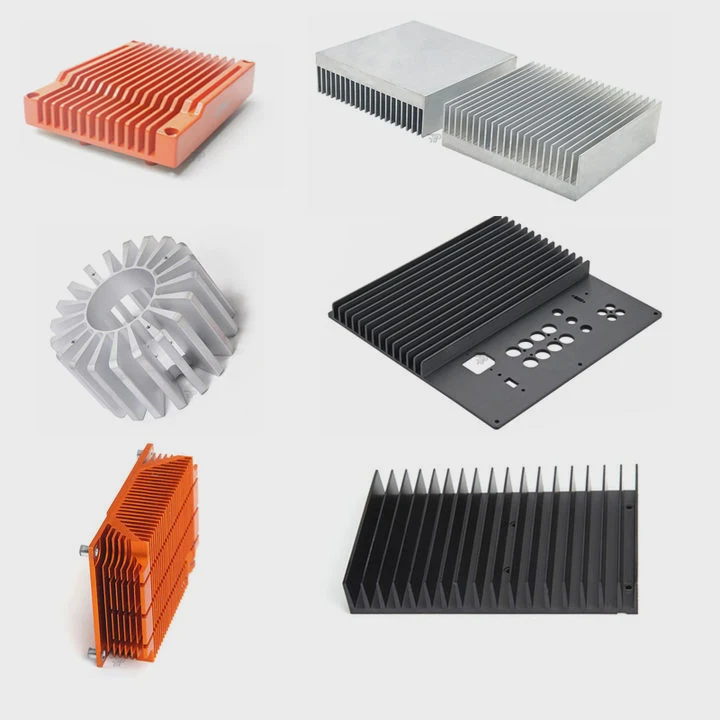
Thermal mismatch is a silent killer in electronics. Devices heat up, expand, and if different materials shift unequally, they crack or warp. Vapor chambers handle extreme heat — but do they expand safely?
Yes. Vapor chambers do expand with heat, but their thermal expansion rate depends on material. Most use copper, which has a known and manageable coefficient. Designers must match materials carefully to avoid stress.
This article explains the thermal expansion rate of vapor chambers, how it’s managed in assemblies, and what to watch for when combining different materials.
What is the thermal expansion rate of a Vapor Chamber?
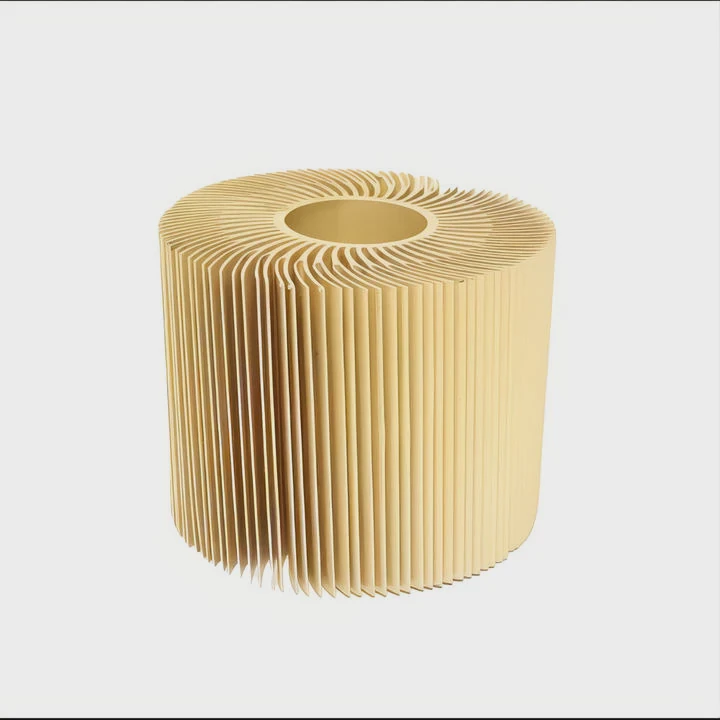
Most vapor chambers are made from copper, sometimes aluminum or composite layers. Like any metal, they expand as temperature rises.
The typical thermal expansion coefficient (CTE) of a copper vapor chamber is about 16.5 µm/m·K. This means for every meter of length, it expands 16.5 microns per °C rise.
Let’s look at common vapor chamber materials:
| Material | Thermal Expansion Coefficient (CTE) |
|---|---|
| Copper | ~16.5 µm/m·K |
| Aluminum | ~23.0 µm/m·K |
| Stainless Steel | ~17.0 µm/m·K |
| Graphite | ~4–8 µm/m·K (in-plane) |
Copper vapor chambers will expand more than ceramics or glass. When bonded to other parts — such as PCB, silicon dies, or composite bases — thermal mismatch can create stress.
That’s why engineers need to consider temperature swing and expansion range when designing with vapor chambers.
For a 100 mm long copper chamber and a 60°C temperature rise:
- Expansion = 100 × 16.5 × 60 / 1,000,000 = 0.099 mm
That may seem small, but repeated cycling or tight mechanical fit can cause long-term fatigue if not managed.
Do materials with different CTE affect design?
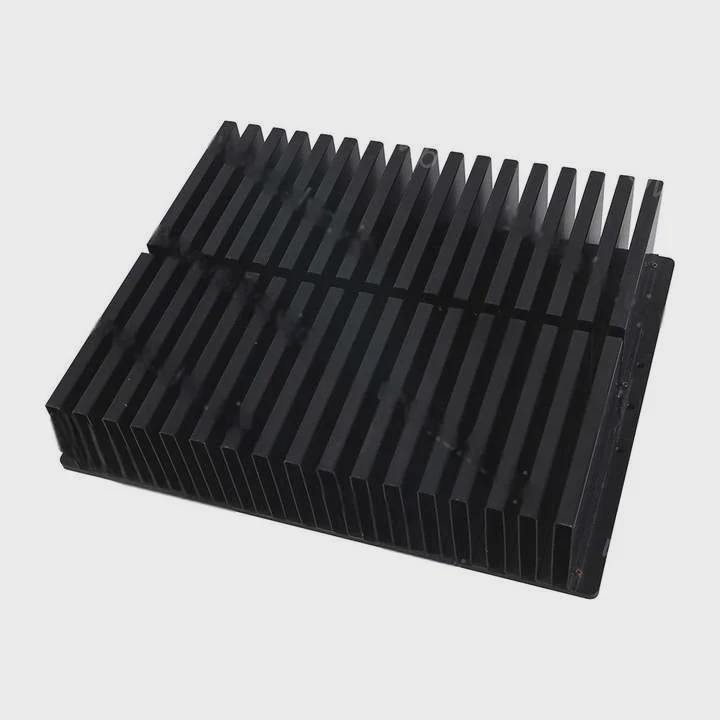
Vapor chambers are rarely used alone. They sit on chips, under heatsinks, inside enclosures. Each of these materials expands at a different rate.
Yes. When materials in the assembly have different CTE values, design must adjust to handle mechanical stress. If not, it risks warping, delamination, or cracking.
Let’s consider a common stack-up:
- Vapor Chamber: Copper (CTE ≈ 16.5 µm/m·K)
- Silicon Die: CTE ≈ 2.6 µm/m·K
- FR4 PCB: CTE ≈ 14–17 µm/m·K in-plane
- Ceramic Substrate: CTE ≈ 6–9 µm/m·K
When heat cycles between 25°C and 100°C, these materials expand differently. If hard-bonded, this difference can cause solder joint fatigue or thermal interface breakdown.
Designers use several methods to manage CTE mismatch:
- Use compliant interface layers (thermal pads, grease, phase-change material)
- Limit bonded areas (float the chamber instead of glueing)
- Design flex structures (slot mounts, spring clips)
- Use matched materials (Al chamber + Al base)
| Assembly Layer | CTE (µm/m·K) | Flexibility Strategy |
|---|---|---|
| Vapor Chamber (Cu) | ~16.5 | Floating mount |
| Silicon Die | ~2.6 | TIM or flexible underfill |
| Ceramic Baseplate | ~7.0 | Compliant adhesive |
| Aluminum Heatsink | ~23.0 | Slotted holes for mounting |
So yes — mismatched CTEs definitely affect thermal and mechanical design.
How is thermal expansion managed in assembly?
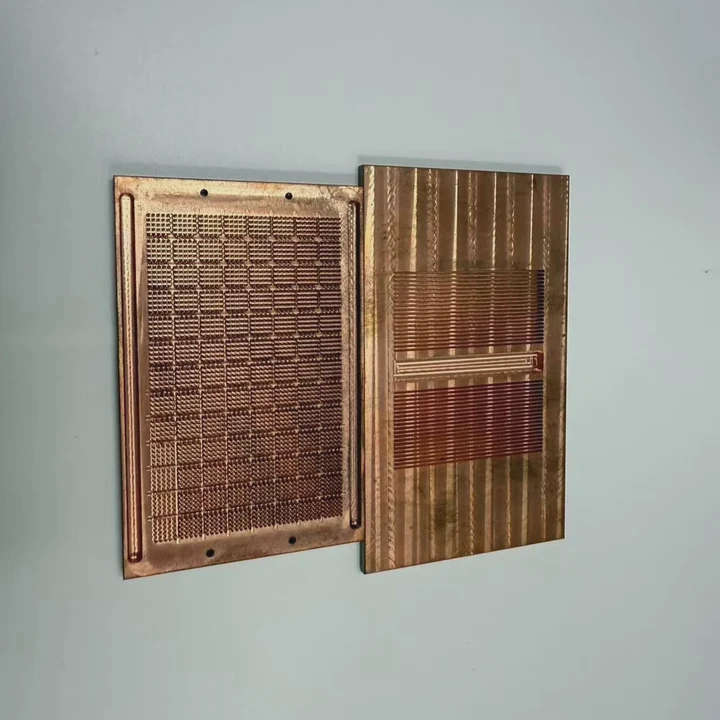
Vapor chambers might only grow by a tenth of a millimeter — but in high-precision electronics, that matters. Especially after 1000 thermal cycles.
Thermal expansion in vapor chamber assemblies is managed using flexible interfaces, compliant joints, and controlled mounting structures.
Here are common methods:
Floating Mounts:
Vapor chamber is not fixed rigidly to all surfaces. One edge is allowed to move slightly with expansion.Slot or Clip Mounts:
Mounting holes are elongated to let the chamber expand without stress.Thermal Interface Materials (TIM):
These soft layers accommodate thermal expansion and maintain contact even as materials grow/shrink.Avoid Rigid Bonding:
Epoxy or solder bonding over large areas can trap thermal stress. Use point bonds or flexible adhesives instead.Matched Layers:
In systems with repeated heating, designers match the CTE of each layer to reduce stress.Stress Relief Features:
Grooves, expansion joints, or spring-loaded clamps help reduce mechanical load during temperature swings.
Let’s visualize a typical mounting setup:
| Part | Mounting Method | Why? |
|---|---|---|
| Vapor Chamber to CPU | TIM (paste or pad) | Soft contact handles CTE difference |
| Chamber to Frame | Spring clamp or bracket | Allows floating movement |
| Frame to PCB | Bolted with washers | Spreads force evenly |
By using these practices, vapor chambers can last for thousands of thermal cycles without delamination or leakage.
Are mismatches with substrates a concern?
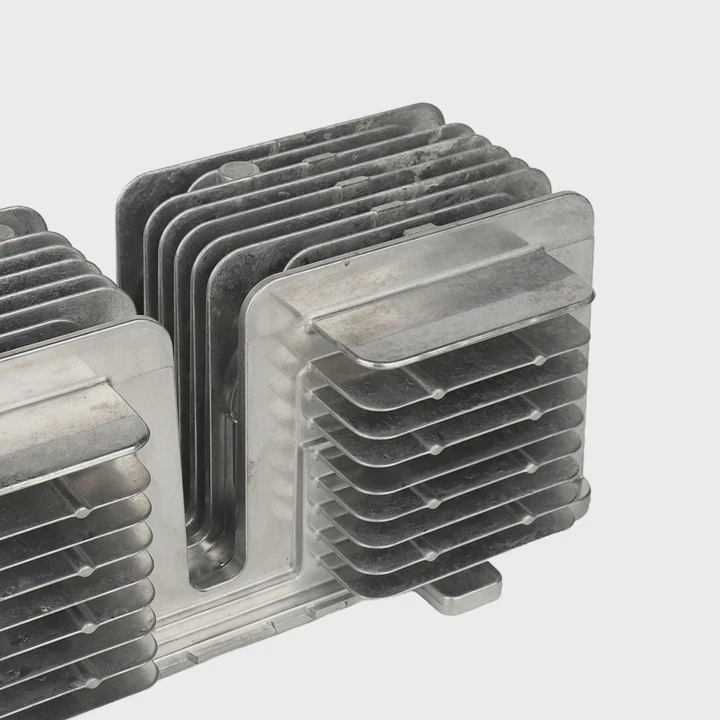
Some engineers avoid vapor chambers near fragile ceramic or glass because of expansion mismatch. Are they right?
Yes. CTE mismatch between vapor chambers and low-expansion substrates like ceramics is a known design concern. It can lead to micro-cracks, joint fatigue, or thermal pad failures.
Substrates like alumina, aluminum nitride, or glass have much lower CTE than copper. If bonded rigidly, copper expands more than the substrate during heating. On cooling, the reverse happens. These shifts introduce shear stress.
This is critical when vapor chambers are used:
- On power modules with ceramic DBC bases
- In military or aerospace hardware with glass-sealed connectors
- In tightly clamped PCB assemblies
To reduce failure risk:
- Use a compliant interface layer between chamber and substrate
- Avoid full-surface bonding — use dots or edge contact
- Design mechanical supports that flex with expansion
- Test assemblies using thermal cycling (often 500–2000 cycles from -40°C to +125°C)
| Substrate Material | CTE (µm/m·K) | Risk Level with Copper VC |
|---|---|---|
| FR4 PCB | 14–17 | Low |
| Alumina Ceramic | ~7 | Medium |
| AlN Ceramic | ~4.5 | High |
| Glass Fiber Boards | ~8–10 | Medium |
So yes, mismatches with substrates do matter. But with proper design and mounting, they can be controlled effectively.
Conclusion
Vapor chambers expand with heat, just like any metal structure. Their CTE — typically 16.5 µm/m·K for copper — must be considered in assembly design. Mismatched materials can cause stress, but with flexible mounts and soft interfaces, vapor chambers work safely and reliably across many environments and applications.
TAGS
Latest Articles

Volume discount levels for heat sink orders?
Buyers often ask when heat sink prices start to drop with volume. Many worry they’re overpaying for small orders. This guide explains how B2B volume pricing works for thermal components. Heat sink
21 Dec,2025
Heat sink long-term supply contract options?
Many buyers want stable pricing and reliable delivery for heat sinks. But without a clear contract, risks grow over time. This article explores how to secure better long-term supply deals. Long-term
21 Dec,2025
Tooling cost for new heat sink profiles?
Many engineers struggle to understand why tooling for custom heat sinks costs so much. They worry about budgeting and production timelines. This article breaks down the cost drivers behind tooling.
21 Dec,2025
Heat sink custom sample process steps?
Sometimes, starting a custom heat sink project feels overwhelming—too many steps, too many unknowns, and too many risks. You want a sample, but not endless delays. The process for requesting and
20 Dec,2025
Standard B2B terms for heat sink payments?
When buyers and sellers in B2B heat sink markets talk about payment, many don’t fully understand what’s standard. This can lead to delayed orders, miscommunication, and even lost business
20 Dec,2025
Heat sink pricing factors for large orders?
Heat sinks are vital for many systems. When prices rise, projects stall and budgets break. This problem can hit teams hard without warning. Large order heat sink pricing depends on many factors. You
20 Dec,2025Related Articles
- Can Vapor Chamber operate in high humidity?
- Vapor Chamber for solar energy systems?
- Does Vapor Chamber work with water cooling?
- Vapor Chamber optimization for CPU cooling?
- Vapor Chamber unit weight calculation method?
- Vapor Chamber tolerance for thickness variation?
- Vapor Chamber reliability in field usage?
- Should Vapor Chamber be tested individually?
- Vapor Chamber sample cost estimation?
- Export tax for Vapor Chamber to Europe?
- Can Vapor Chamber be air freighted?
- Vapor Chamber shipment tracking methods?
Author
Dr. Emily Chen
Chief AI Researcher
Leading expert in thermal dynamics and AI optimization with over 15 years of experience in data center efficiency research.
Categories
Latest Products






Recommend Categories
- Liquid cooling plate Manufacturer
- Industrial Heat Sink Manufacturer
- Standard Heat Sink Manufacturer
- Aluminum Heat Sink Manufacturer
- Copper Heat Sink Manufacturer
- Anodized Heatsink Manufacturer
- Stamping heat sink Manufacturer
- Die Casting Heatsink Manufacturer
- Soldering heat sink Manufacturer
- CNC Parts Manufacturer
Latest Products
- Wholesale Aluminum Radiator
- Water Cooling Plate Kit
- Water Cooling Heat Sink
- Water Cooling Heat Sink Kit
- Stainless Steel Water Distributor
- Server Water Cooling Plate Kit
- Server Liquid Cooling System
- Server Aluminum Cooling Kit
- S19 Full Cover Cooling Plate
- S19 Cooling Plate Kit
- S19 Aluminum Cooling Plate
Contact Expert
Have questions about this article? Reach out to our experts directly.