Can Vapor Chamber operate in high humidity?
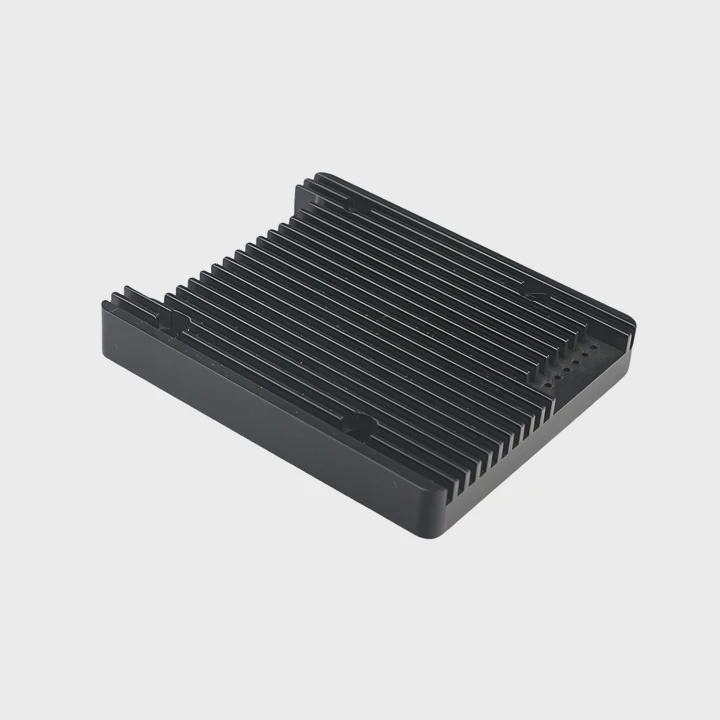
Tropical climates and coastal regions often have one key challenge: moisture. Many engineers wonder if vapor chambers can survive and perform in these humid conditions without failure.
Yes. Vapor chambers can operate in high humidity environments. These devices are fully sealed and built to resist moisture ingress, making them suitable for humid, outdoor, and even corrosive conditions.
This article breaks down how vapor chambers behave under humidity, how they are protected, and what testing is done to ensure long-term performance.
Does high humidity affect Vapor Chamber operation?
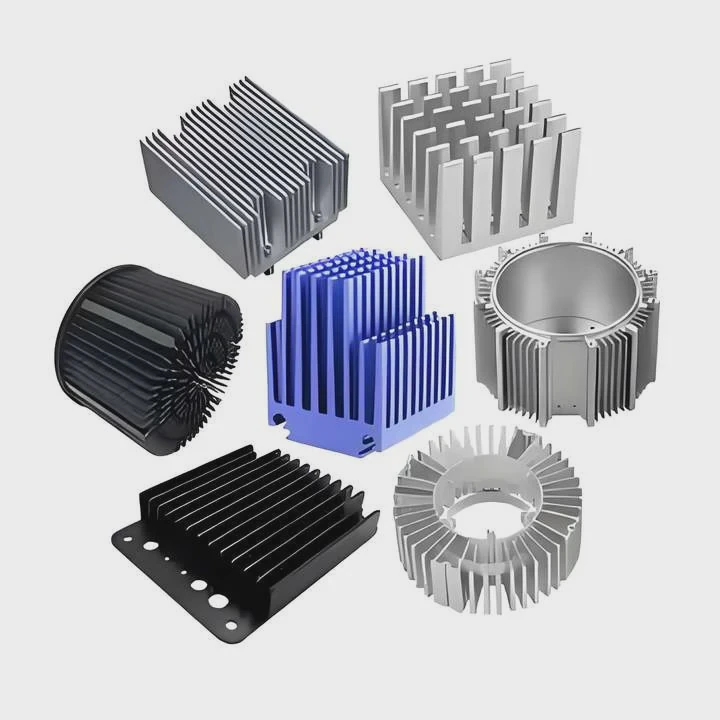
When using thermal devices outdoors or in coastal factories, high humidity always raises concerns about corrosion or fluid leaks. That fear is valid — for unsealed components.
No. High humidity does not affect the internal function of vapor chambers. They are hermetically sealed, meaning external moisture cannot enter the device.
Vapor chambers contain a working fluid and internal wicking structure. The internal cycle — evaporation and condensation — occurs in a vacuum-sealed environment. As long as the welds and seals are intact, outside humidity has no influence on the phase-change process inside.
However, external humidity may affect:
- Surface oxidation of the metal body
- Contact resistance at the interface (if condensation occurs)
- Long-term corrosion (especially if material is copper or bare aluminum)
Thus, while humidity does not harm the core function, external protection is important. Using protective coatings, corrosion-resistant materials, and proper packaging ensures long service life.
| Risk Factor | Impact on Vapor Chamber |
|---|---|
| External moisture | No internal effect |
| Condensation on surface | Can raise contact thermal resistance |
| Salt in humid air | May cause corrosion over years |
Most well-designed vapor chambers are built with this in mind, especially those made for aerospace, telecom, or solar applications in humid zones.
Are Vapor Chambers sealed against moisture ingress?
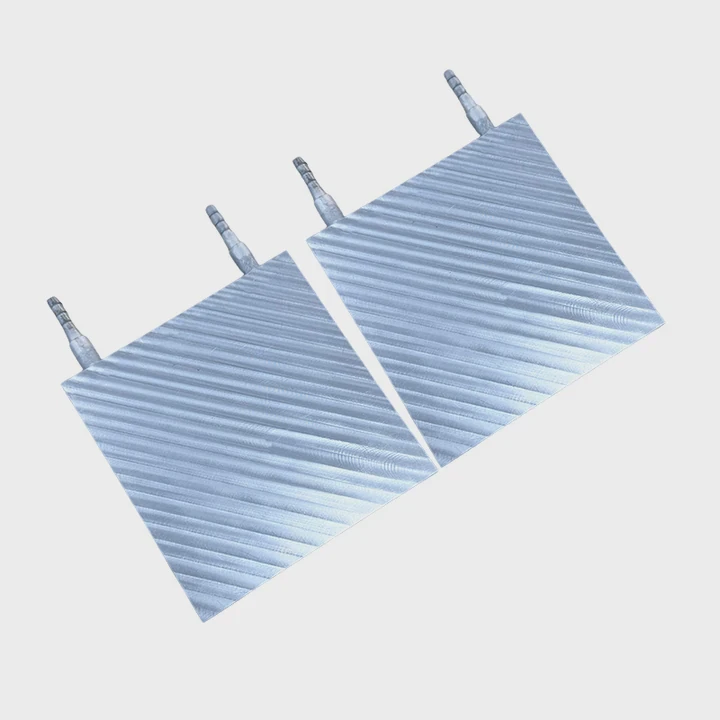
People often ask whether the chamber can be breached by water vapor or if humid air can slowly seep in over time. That would destroy function.
Yes. Vapor chambers are hermetically sealed and fully resistant to moisture ingress. This sealing is essential for their phase-change process to work.
The chamber is evacuated during production to create a low-pressure internal space. Then, it is filled with a small amount of working fluid (like water, methanol, or acetone), and sealed shut, often through laser welding or high-temperature brazing.
Sealing methods include:
- Laser welds along the chamber perimeter
- Diffusion bonding or brazing for all-metal designs
- Leak testing using helium or pressure drop methods
A leak would destroy the vacuum, allow air or moisture to enter, and stop the working fluid from circulating. That’s why manufacturers test every chamber for vacuum integrity.
| Sealing Method | Common Use | Leak Rate (typical) |
|---|---|---|
| Laser Welding | Copper or copper-aluminum mix | < 10^-9 mbar·L/s |
| Diffusion Bonding | All-metal chambers | Extremely low |
| Brazing | Mass production chambers | Good for bulk units |
High humidity does not get past a proper seal. As long as the device passes helium leak tests and isn’t physically damaged later, it stays moisture-proof throughout its life.
Is humidity resistance tested in QA processes?
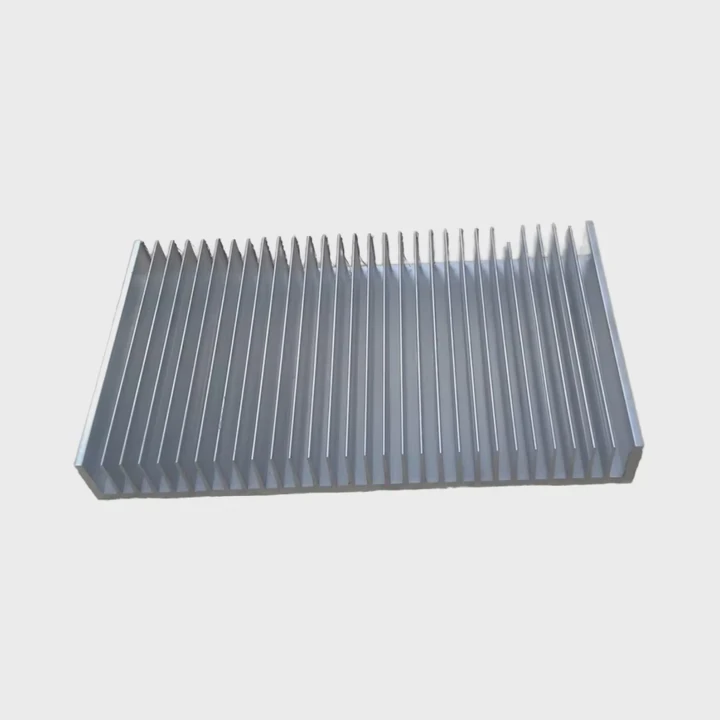
Some industries — especially military, telecom, or medical — need solid proof that devices survive in harsh conditions. Testing under humidity is one way to simulate years of exposure.
Yes. Humidity resistance is part of standard reliability testing for vapor chambers. These tests simulate long-term exposure to hot and humid environments.
Manufacturers often run these tests:
- 85°C / 85% RH Test: Simulates tropical aging (1000–2000 hours)
- Salt Fog Test: Exposes samples to salt-laden mist
- Condensation Exposure: Checks for surface degradation
- Thermal Shock in Humidity: Alternates temperature and moisture
These tests help qualify vapor chambers for:
- Outdoor solar applications
- Base station equipment in coastal areas
- Military gear used in jungle or marine zones
Test results show if surface oxidation occurs, if seals degrade, or if coatings fail. Chambers made from aluminum or coated copper usually pass with little impact.
| QA Test | Purpose | Typical Duration |
|---|---|---|
| 85⁄85 Damp Heat | Aging in high humidity | 1000+ hrs |
| Salt Spray | Check for corrosion under saline air | 48–96 hrs |
| Thermal Cycling in RH | Observe seal expansion/contraction | 100–200 cycles |
I’ve seen many vapor chamber designs tested to international standards like IEC 60068 or GJB-150A. These tests ensure real-world readiness.
Can coatings improve humidity durability?
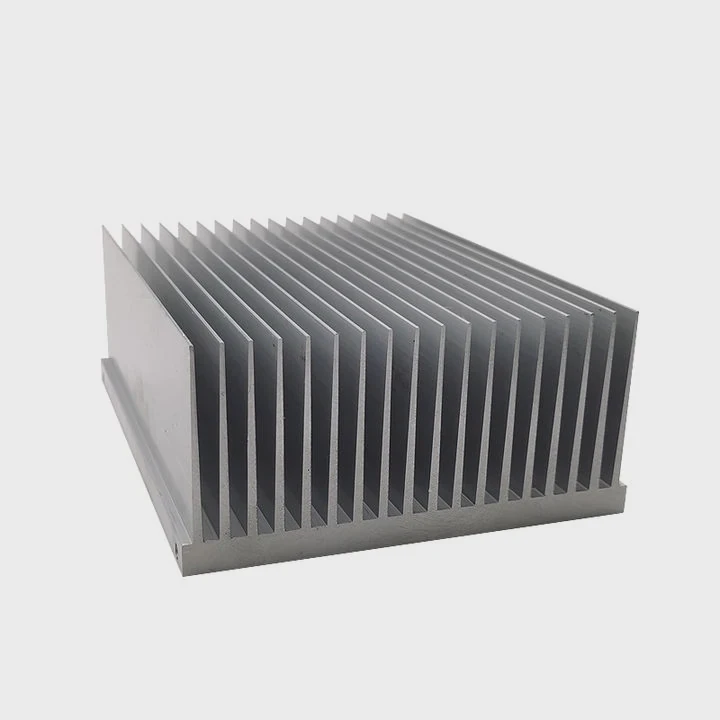
Some vapor chambers turn dull or oxidize in salty, humid places. That doesn’t stop them from working, but it may hurt thermal interface performance or appearance.
Yes. Anti-corrosion coatings and surface treatments improve vapor chamber durability in humid environments. These layers protect metal surfaces from oxidation, especially copper.
Common protective treatments include:
- Nickel plating: Adds a thin corrosion-resistant metal layer
- Anodizing (for aluminum): Hardens and protects surface
- Epoxy coatings: Blocks moisture and provides insulation
- Chemical conversion coatings: Creates passivation layers
These coatings prevent:
- Greenish corrosion on copper
- Surface pitting under condensation
- Contact surface degradation in stacked assemblies
Even in high-end laptops, nickel-plated vapor chambers are common because they stay stable longer and handle skin oils, moisture, and air better.
For outdoor or high-humidity use, plating is a must. Manufacturers sometimes combine surface treatment with hydrophobic interface pads to keep condensation away from contact points.
| Coating Type | Best Used For | Resistance Level |
|---|---|---|
| Nickel Plating | Copper chambers | High |
| Anodized Aluminum | Lightweight devices | Medium |
| Epoxy Layer | Electrical insulation | High (if intact) |
| Chem Conversion | Low-cost moisture barrier | Moderate |
Choosing the right coating depends on cost, application, and expected lifespan. But even basic plating offers major improvement in moisture resistance.
Conclusion
Vapor chambers are well suited for high-humidity environments. Their sealed design prevents moisture ingress, while coatings and QA tests ensure long-term performance. With proper surface protection, they operate reliably even in tropical, coastal, or marine settings.
TAGS
Latest Articles

Volume discount levels for heat sink orders?
Buyers often ask when heat sink prices start to drop with volume. Many worry they’re overpaying for small orders. This guide explains how B2B volume pricing works for thermal components. Heat sink
21 Dec,2025
Heat sink long-term supply contract options?
Many buyers want stable pricing and reliable delivery for heat sinks. But without a clear contract, risks grow over time. This article explores how to secure better long-term supply deals. Long-term
21 Dec,2025
Tooling cost for new heat sink profiles?
Many engineers struggle to understand why tooling for custom heat sinks costs so much. They worry about budgeting and production timelines. This article breaks down the cost drivers behind tooling.
21 Dec,2025
Heat sink custom sample process steps?
Sometimes, starting a custom heat sink project feels overwhelming—too many steps, too many unknowns, and too many risks. You want a sample, but not endless delays. The process for requesting and
20 Dec,2025
Standard B2B terms for heat sink payments?
When buyers and sellers in B2B heat sink markets talk about payment, many don’t fully understand what’s standard. This can lead to delayed orders, miscommunication, and even lost business
20 Dec,2025
Heat sink pricing factors for large orders?
Heat sinks are vital for many systems. When prices rise, projects stall and budgets break. This problem can hit teams hard without warning. Large order heat sink pricing depends on many factors. You
20 Dec,2025Related Articles
- Vapor Chamber for solar energy systems?
- Does Vapor Chamber work with water cooling?
- Vapor Chamber optimization for CPU cooling?
- Vapor Chamber unit weight calculation method?
- Vapor Chamber tolerance for thickness variation?
- Vapor Chamber for inverter heat management?
- Thermal expansion coefficient of Vapor Chamber?
- Vapor Chamber reliability in field usage?
- Should Vapor Chamber be tested individually?
- Vapor Chamber sample cost estimation?
- Export tax for Vapor Chamber to Europe?
- Can Vapor Chamber be air freighted?
Author
Dr. Emily Chen
Chief AI Researcher
Leading expert in thermal dynamics and AI optimization with over 15 years of experience in data center efficiency research.
Categories
Latest Products






Recommend Categories
- Liquid cooling plate Manufacturer
- Industrial Heat Sink Manufacturer
- Standard Heat Sink Manufacturer
- Aluminum Heat Sink Manufacturer
- Copper Heat Sink Manufacturer
- Anodized Heatsink Manufacturer
- Stamping heat sink Manufacturer
- Die Casting Heatsink Manufacturer
- Soldering heat sink Manufacturer
- CNC Parts Manufacturer
Latest Products
- Wholesale Aluminum Radiator
- Water Cooling Plate Kit
- Water Cooling Heat Sink
- Water Cooling Heat Sink Kit
- Stainless Steel Water Distributor
- Server Water Cooling Plate Kit
- Server Liquid Cooling System
- Server Aluminum Cooling Kit
- S19 Full Cover Cooling Plate
- S19 Cooling Plate Kit
- S19 Aluminum Cooling Plate
Contact Expert
Have questions about this article? Reach out to our experts directly.