Does Vapor Chamber work with water cooling?
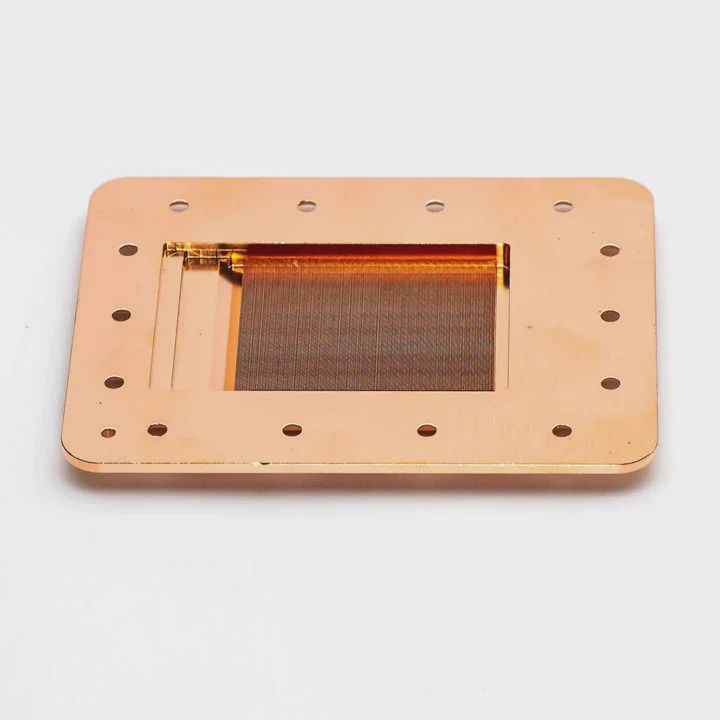
What if you could get the best of both cooling technologies? Many engineers wonder whether combining vapor chambers with water cooling systems makes sense or leads to waste.
Yes. A vapor chamber can work together with a water cooling system. The vapor chamber spreads heat across a larger surface area, while the water loop carries that heat away. Together, they improve thermal performance for high-load applications.
This article explains how these two systems can work together, when hybrid cooling makes sense, and why more high-end devices are turning to this approach.
Can Vapor Chambers be used with water cooling systems?
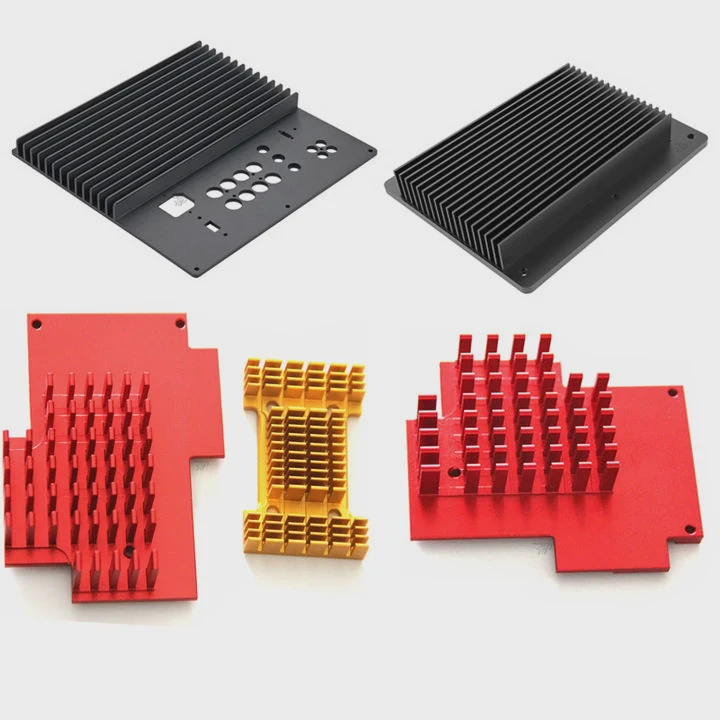
Sometimes the chip surface is too small or uneven, making it hard for a water block to draw heat efficiently. That’s where a vapor chamber helps.
A vapor chamber can sit between the heat source and the water block. It spreads the heat quickly across a flat surface, allowing the water cooling loop to remove heat more effectively.
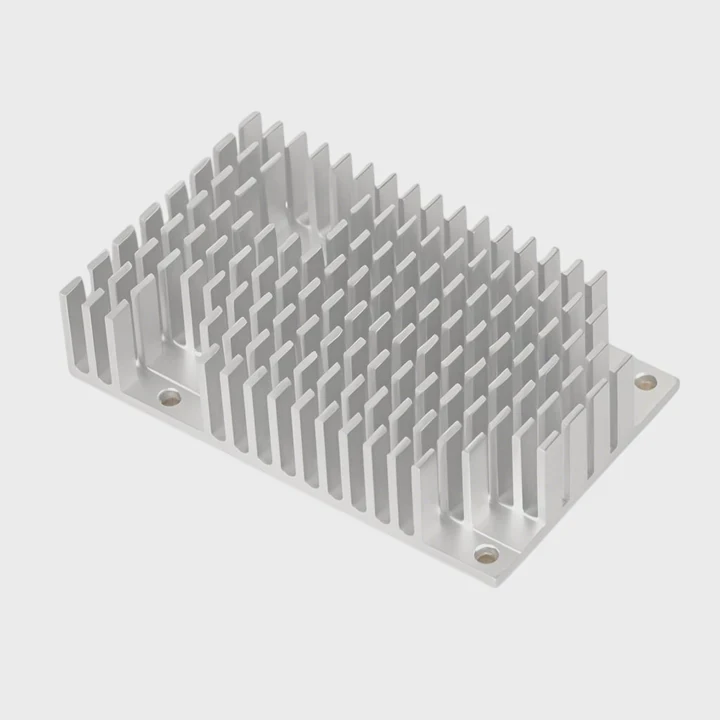
A vapor chamber moves heat using an internal working fluid. When the chip heats up, the fluid evaporates and moves the heat to cooler zones where it condenses. This spreads heat evenly. When combined with a water block, the heat is then transferred from the vapor chamber to the coolant.
This combination works especially well when:
- The chip has a small or irregular contact surface
- There are multiple hotspots on a module
- High performance is required under thermal stress
In most cases, the vapor chamber improves the interface between the heat source and the water block. It makes the thermal transfer smoother, reducing localized hotspots.
But it’s not always simple. The design must consider thickness, contact pressure, and mounting. Poor alignment or low pressure can reduce performance. And adding a vapor chamber increases cost and system complexity.
| Parameter | With Vapor Chamber | Without Vapor Chamber |
|---|---|---|
| Surface Contact Area | Larger | Smaller |
| Hotspot Distribution | More uniform | Localized |
| Thermal Response Time | Faster | Slower |
| System Complexity | Higher | Lower |
Overall, yes — vapor chambers can be used with water cooling, and they offer better performance in the right conditions.
Is hybrid cooling feasible with Vapor Chamber and water loop?
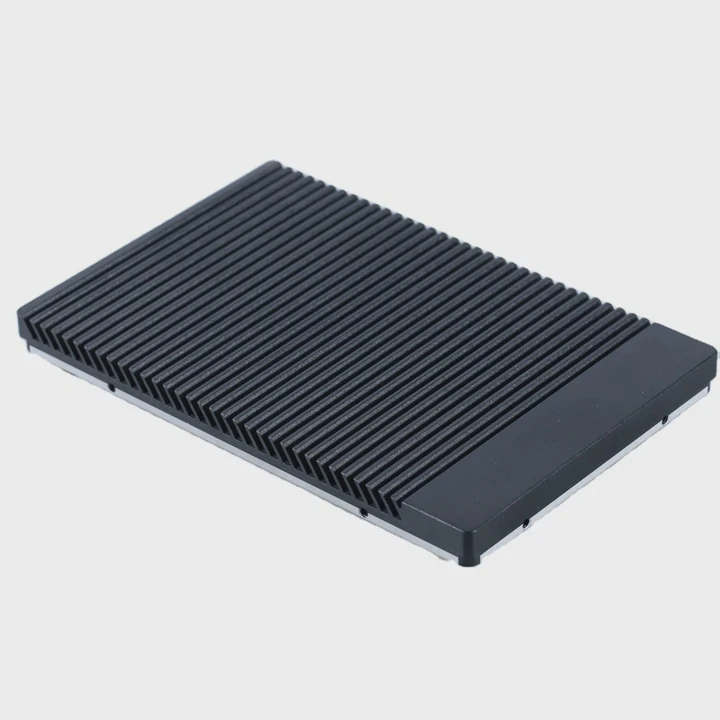
People worry that combining two methods will lead to inefficiency. But in the right setup, the combo can be stronger than each alone.
Yes. Hybrid cooling with vapor chamber and water loop is feasible and effective. The vapor chamber handles fast heat spreading, while the water loop handles bulk heat removal.
Hybrid systems are used in devices with high thermal density. For example:
- Overclocked CPUs and GPUs
- Telecom base stations
- Power conversion units
- Medical imaging electronics
When a vapor chamber spreads heat across a large surface, the water loop can perform better. The heat reaches the water block more evenly, which helps the radiator dissipate it more consistently.
Designers must ensure proper thermal interfaces between all layers. That means using quality thermal pads or pastes, and keeping surfaces clean and flush.
| Hybrid Component | Function |
|---|---|
| Vapor Chamber | Spreads heat quickly |
| Thermal Interface Pad | Ensures tight contact |
| Water Block | Transfers heat to coolant |
| Radiator | Dissipates heat to air |
While hybrid systems work well under high thermal loads, they do come with extra design requirements. Clearance, pressure, sealing, and maintenance must all be carefully managed. Still, the performance gains often justify the cost.
Do Vapor Chambers reduce water pump load?
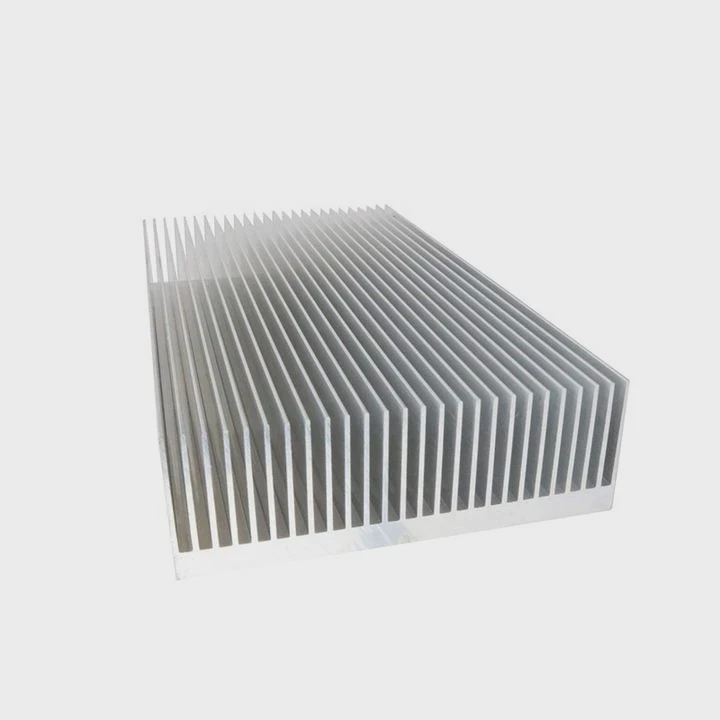
Some hope that using a vapor chamber makes life easier for the pump. But the system doesn’t work that way.
No. Vapor chambers do not directly reduce water pump load. The water pump must still circulate coolant through the loop. The vapor chamber only affects heat transfer before the coolant absorbs it.
The job of the pump is to move coolant, not manage heat. The loop resistance — length of tubing, fittings, and radiator design — determines how hard the pump works.
The vapor chamber might lower the inlet temperature of the coolant slightly. But this doesn’t change the mass flow rate or pressure needed. If anything, more components in the thermal path might increase loop resistance.
There is an indirect benefit: the water block may operate at a more stable temperature. That could allow the radiator fans or pump to run at slightly lower speeds. But this depends on how the system is tuned.
Key points:
- Pump work is based on flow and pressure, not heat source design
- Vapor chamber improves thermal spread, not coolant movement
- Heat still needs to be carried out of the system
In short, the pump still needs to do the same job, whether or not a vapor chamber is used.
Are dual-cooling systems common in high-end devices?
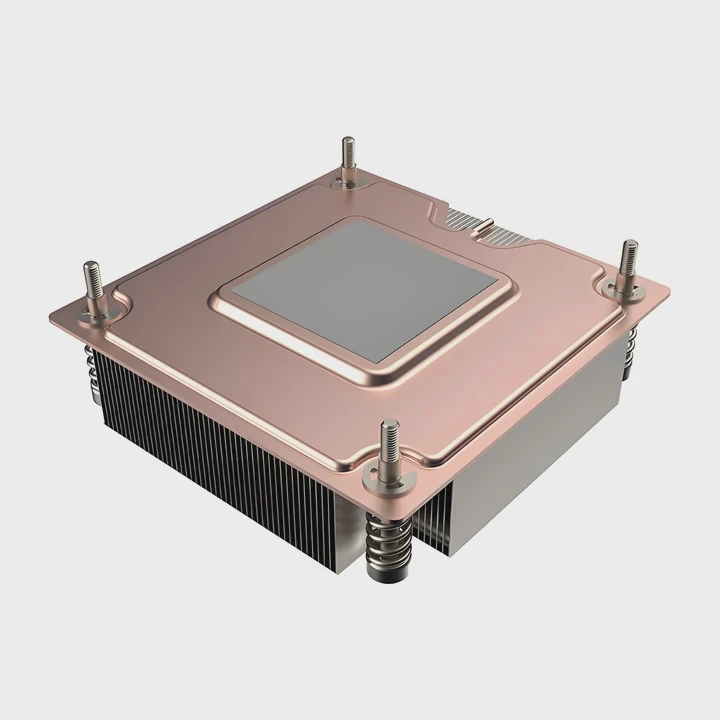
You might wonder if dual systems are just a gimmick. But in specific markets, they’re very real — and growing.
Yes. Dual-cooling systems are used in many high-end applications. They appear in gaming GPUs, servers, industrial power systems, and other thermally demanding platforms.
Gaming laptops are a good example. Some use a vapor chamber to cover multiple chips, then a water block or heat pipe pulls heat to a shared heatsink.
Servers often use copper vapor chambers under a large cold plate to even out heat before liquid cooling. This helps balance thermal load across multiple processors or memory modules.
In industrial setups, some modules use embedded vapor chambers combined with external cold plates and pumps.
Here’s a breakdown:
| Application | Why Use Dual Cooling? |
|---|---|
| Gaming GPUs | Handle high spikes in power draw |
| 5G telecom base stations | Support dense, hot chips |
| Industrial power units | Ensure reliability under heavy loads |
| Workstations | Balance long run time and performance |
These systems are not yet standard in consumer devices, mostly because of added cost and size. But in high-stakes performance markets, the added control over thermals is worth it.
I’ve seen hybrid systems especially in devices that cannot afford overheating — like aerospace units or medical equipment — where downtime or damage is unacceptable.
Conclusion
Vapor chambers can be used with water cooling to form an effective hybrid system. This design spreads and removes heat better than either method alone, especially for high-power, high-density devices. It doesn’t reduce pump load directly, but improves thermal efficiency where it matters most.
TAGS
Latest Articles

Volume discount levels for heat sink orders?
Buyers often ask when heat sink prices start to drop with volume. Many worry they’re overpaying for small orders. This guide explains how B2B volume pricing works for thermal components. Heat sink
21 Dec,2025
Heat sink long-term supply contract options?
Many buyers want stable pricing and reliable delivery for heat sinks. But without a clear contract, risks grow over time. This article explores how to secure better long-term supply deals. Long-term
21 Dec,2025
Tooling cost for new heat sink profiles?
Many engineers struggle to understand why tooling for custom heat sinks costs so much. They worry about budgeting and production timelines. This article breaks down the cost drivers behind tooling.
21 Dec,2025
Heat sink custom sample process steps?
Sometimes, starting a custom heat sink project feels overwhelming—too many steps, too many unknowns, and too many risks. You want a sample, but not endless delays. The process for requesting and
20 Dec,2025
Standard B2B terms for heat sink payments?
When buyers and sellers in B2B heat sink markets talk about payment, many don’t fully understand what’s standard. This can lead to delayed orders, miscommunication, and even lost business
20 Dec,2025
Heat sink pricing factors for large orders?
Heat sinks are vital for many systems. When prices rise, projects stall and budgets break. This problem can hit teams hard without warning. Large order heat sink pricing depends on many factors. You
20 Dec,2025Related Articles
- Vapor Chamber optimization for CPU cooling?
- Vapor Chamber unit weight calculation method?
- Vapor Chamber tolerance for thickness variation?
- Vapor Chamber for inverter heat management?
- Can Vapor Chamber withstand shock testing?
- Vapor Chamber compatibility with graphite sheet?
- Vapor Chamber for solar energy systems?
- Can Vapor Chamber operate in high humidity?
- Thermal expansion coefficient of Vapor Chamber?
- Vapor Chamber reliability in field usage?
- Should Vapor Chamber be tested individually?
- Vapor Chamber sample cost estimation?
Author
Dr. Emily Chen
Chief AI Researcher
Leading expert in thermal dynamics and AI optimization with over 15 years of experience in data center efficiency research.
Categories
Latest Products






Recommend Categories
- Liquid cooling plate Manufacturer
- Industrial Heat Sink Manufacturer
- Standard Heat Sink Manufacturer
- Aluminum Heat Sink Manufacturer
- Copper Heat Sink Manufacturer
- Anodized Heatsink Manufacturer
- Stamping heat sink Manufacturer
- Die Casting Heatsink Manufacturer
- Soldering heat sink Manufacturer
- CNC Parts Manufacturer
Latest Products
- Wholesale Aluminum Radiator
- Water Cooling Plate Kit
- Water Cooling Heat Sink
- Water Cooling Heat Sink Kit
- Stainless Steel Water Distributor
- Server Water Cooling Plate Kit
- Server Liquid Cooling System
- Server Aluminum Cooling Kit
- S19 Full Cover Cooling Plate
- S19 Cooling Plate Kit
- S19 Aluminum Cooling Plate
Contact Expert
Have questions about this article? Reach out to our experts directly.