blogs
Vapor Chamber REACH SVHC requirements?
Failure to address REACH SVHC requirements could lead to product bans or customer rejection. Yes, vapor chambers used in electronic devices must comply with REACH regulations, especially regarding
Vapor Chamber RoHS documentation sample?
Without proper RoHS documentation, your vapor chamber shipment might get stuck in customs or flagged by customers. Yes, every vapor chamber needs supporting documents to prove RoHS compliance, or you
Vapor Chamber Quality Traceability System?
In manufacturing high‑performance vapor chambers, traceability is a core need—failure to track units from raw material to delivery means risk of defects, recalls, and lost reputation. A quality
Vapor Chamber recommended brazing method?
Creating a high-performance vapor chamber depends heavily on a reliable brazing process. If the brazed joints fail, the entire heat transfer system can lose vacuum or develop leaks. Good brazing
Vapor Chamber for industrial robotics cooling?
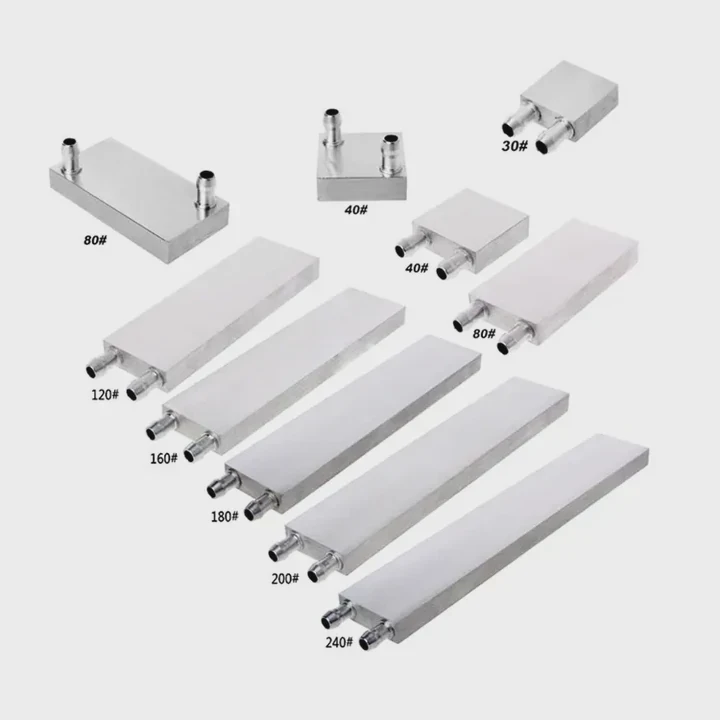
In industrial robotics, cooling isn’t just a nice‑to‑have—it can make or break uptime and precision. Robotics systems push power, duty‑cycles and thermal loads. That’s why using a properly designed
Vapor Chamber performance under vibration?
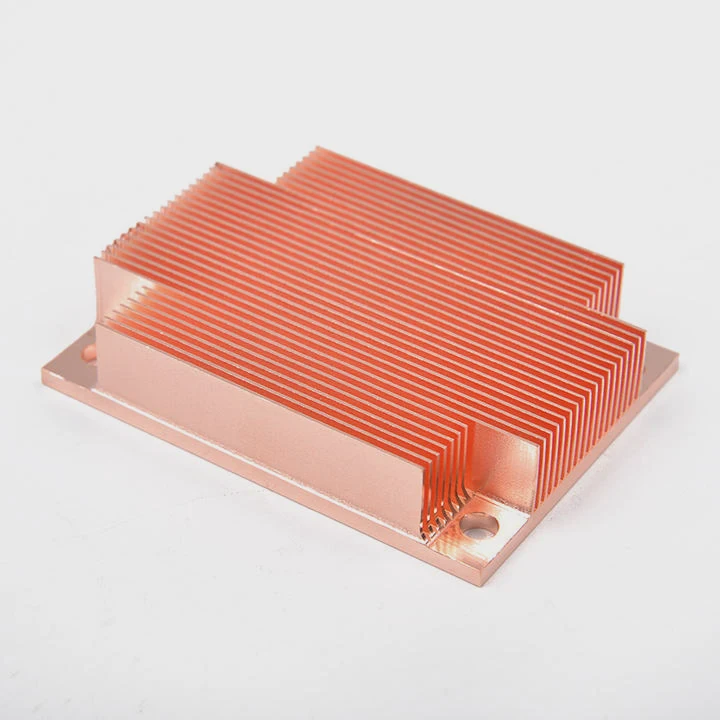
Vibration is a serious reliability challenge for heat-transfer components in demanding applications. For vapor chambers, vibration can degrade performance by affecting internal fluid dynamics, wick
Vapor Chamber pressure leak test method?
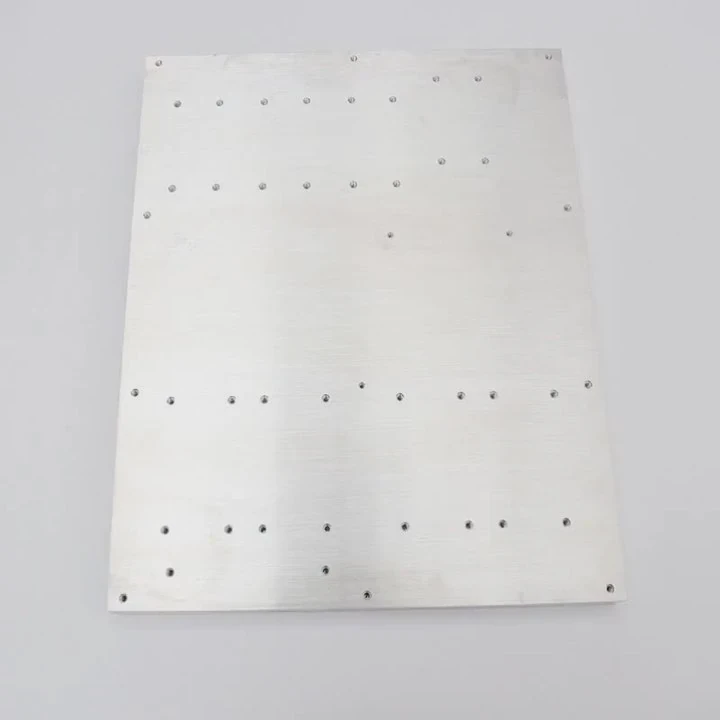
Thermal reliability of vapor chambers depends heavily on sealing integrity. Even microscopic leaks can degrade performance, cause internal pressure loss, or allow fluid contamination. Vapor chamber
Common defects in Vapor Chamber manufacturing?
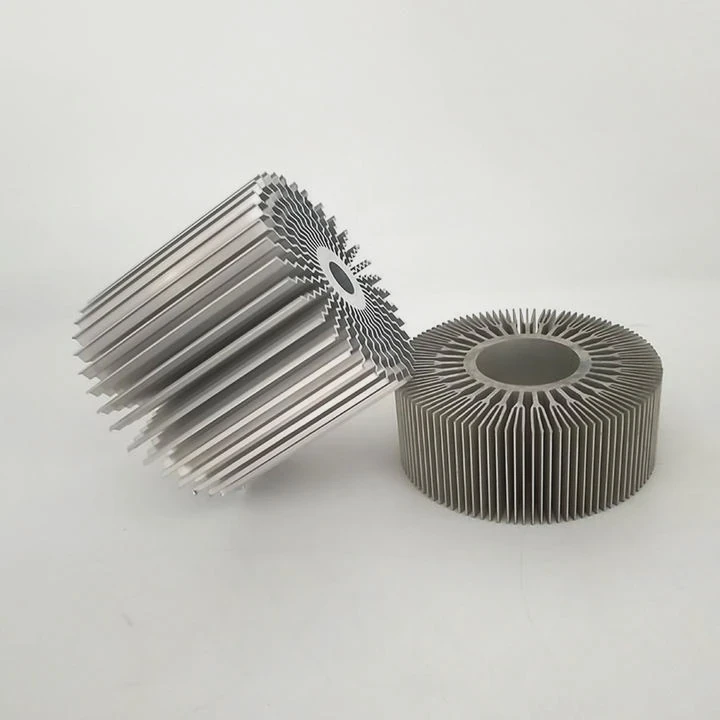
Unexpected thermal performance or early failure of vapor chambers often trace back to manufacturing defects. Many defects arise in the sealing, wick structure, vacuum/filling process or brazing of
Vapor Chamber lifetime expectation?
Many buyers worry whether vapor chambers can survive in harsh conditions for years—understanding their lifetime is key to reliable design. A typical vapor chamber lasts 5 to 10 years, depending on
Should Vapor Chamber use pure copper?
Material choice in vapor chambers isn’t just about cost—it determines performance, reliability, and lifespan. So, is pure copper always the right move? Yes—pure copper offers the highest thermal
Standard thickness of Vapor Chamber copper plate?
Many designers struggle to decide on the right plate thickness for a vapor chamber. Choosing wrongly can compromise spreading performance or increase cost and weight. Typical copper plates in vapor
How to choose Vapor Chamber supplier?
Buying from the wrong supplier can cost time, money and reliability. Choosing the right vapor‑chamber supplier is key to ensuring performance, quality, delivery and long‑term partnership success.
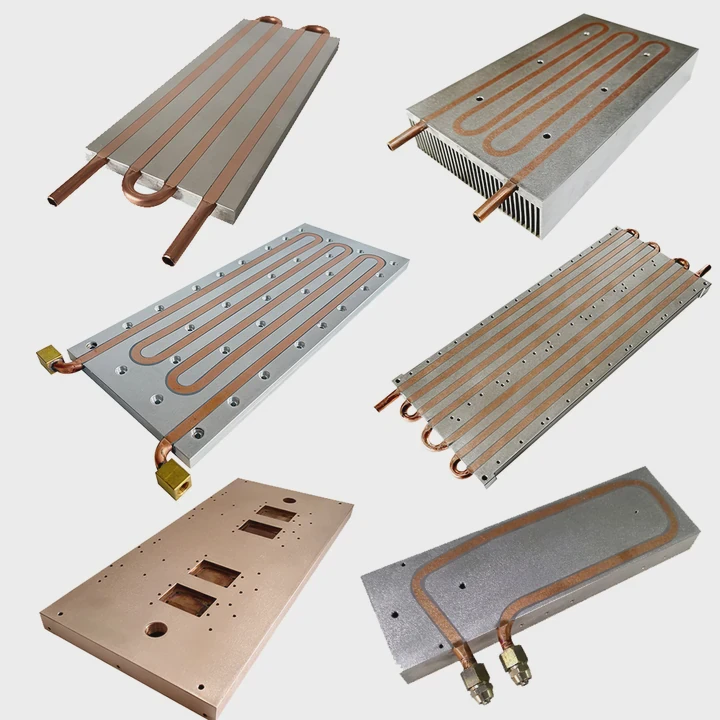
Custom Vapor Chamber for High Power Devices?
Handling high-power electronics means handling serious heat. Let’s walk through how a custom vapor chamber can meet those demands and what to ask from a supplier. What specs are critical for
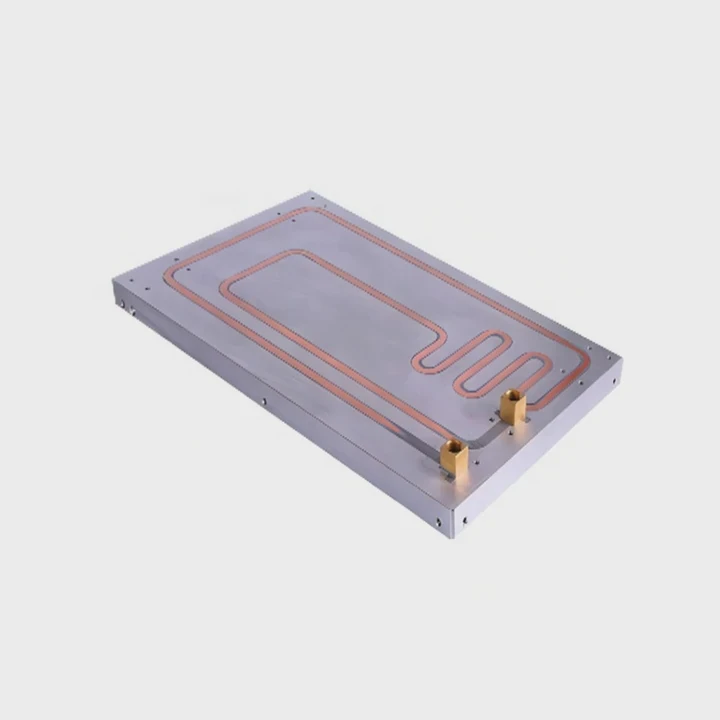
Vapor Chamber design service available?
When you’re building high‑performance thermal systems and the standard parts don’t hit the mark, it’s time to talk custom design. Custom vapor‑chamber design services let you tailor dimensions,
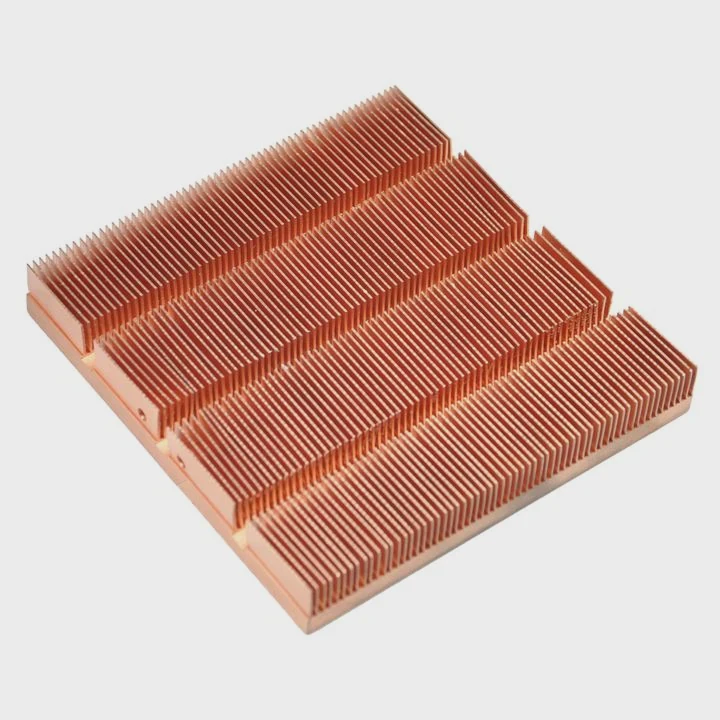
Can Vapor Chamber improve CPU cooling performance?
CPU performance is often limited by heat. Standard cooling may leave hot spots or throttle speeds. Vapor chambers promise better thermal spread and stability under load. Yes — vapor chambers improve
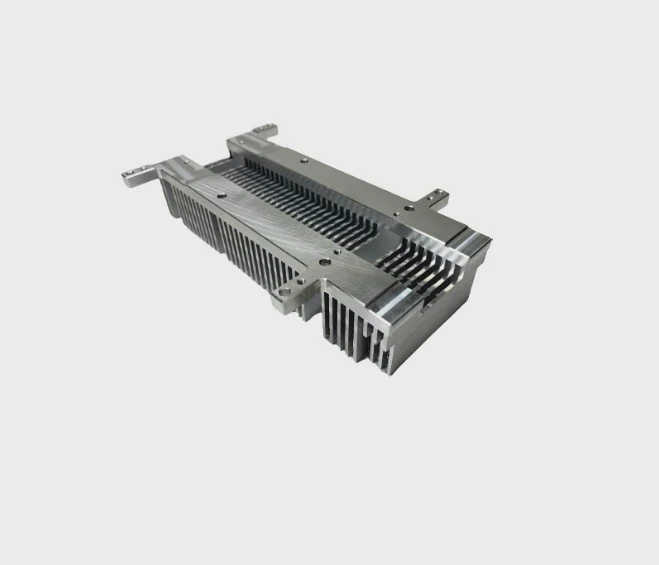
High efficiency Vapor Chamber alternative materials?
When the standard copper vapor‑chamber envelope isn’t ideal (due to cost, weight, corrosion or supply), exploring alternative materials becomes a pressing design challenge . Yes — there are several