Vapor Chamber pressure leak test method?
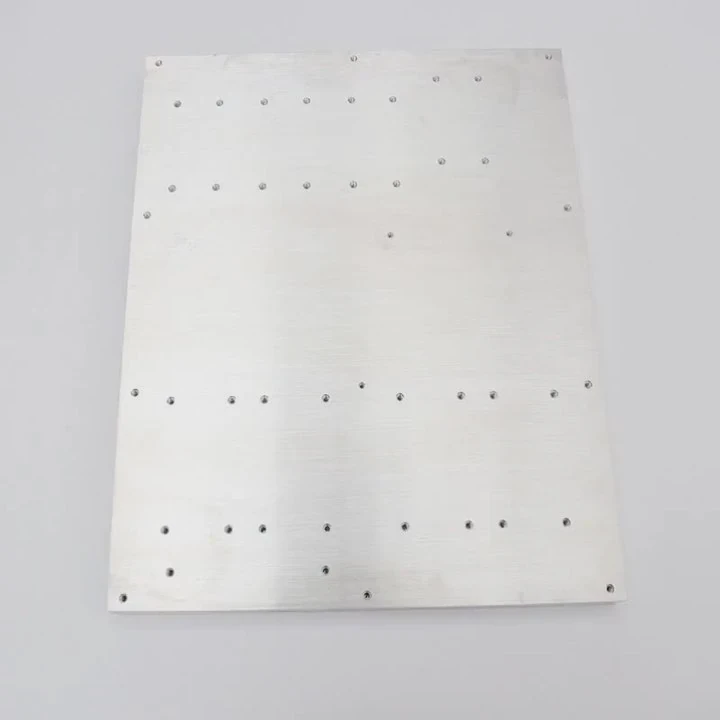
Thermal reliability of vapor chambers depends heavily on sealing integrity. Even microscopic leaks can degrade performance, cause internal pressure loss, or allow fluid contamination.
Vapor chamber pressure leak testing typically involves applying internal pressure or vacuum, monitoring for decay, or using tracer gas detection such as helium.
A well-planned leak test process ensures each unit meets quality standards before delivery or system integration.
How is pressure leak testing done on Vapor Chambers?
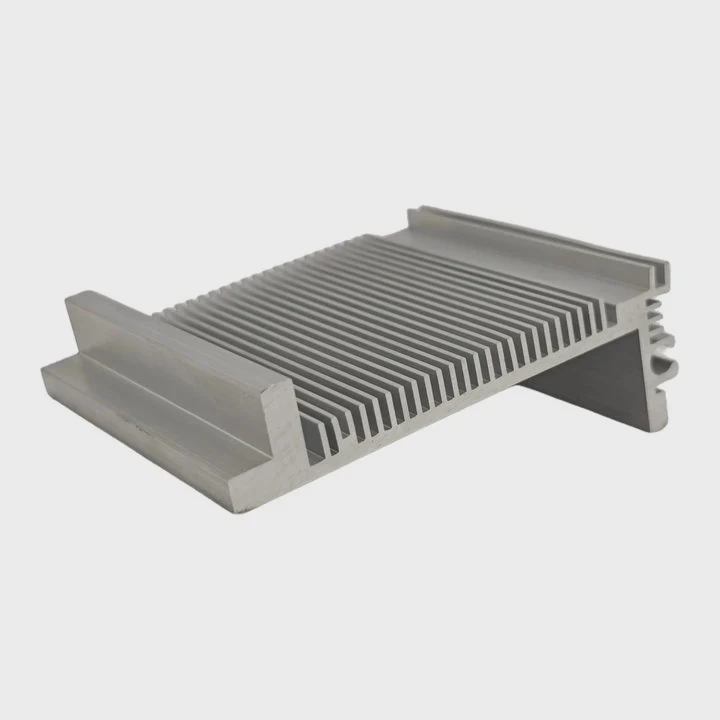
Vapor chambers are sealed structures containing working fluid and wick systems. Leak testing must detect even minute leaks that could compromise vacuum or allow gas ingress.
The most common method involves pressure or vacuum decay: applying pressure, holding, and checking for changes over time.
The chamber is sealed and either pressurized with inert gas or placed under vacuum. The test setup monitors pressure stability for a defined dwell period. If pressure falls (or vacuum rises) beyond a threshold, the unit fails.
Some manufacturers enhance sensitivity using a combination of pressurization and immersion — watching for bubble formation when submerged in fluid.
In high-precision setups, tracer gases like helium are used. The vapor chamber is filled with helium and placed in a vacuum chamber. Any escaping helium is detected with a sensitive mass spectrometer. This method identifies even ultra-small leaks.
To run these tests consistently, procedures typically include:
- Cleaning and drying the unit
- Sealing test ports or joints
- Applying pressure (e.g., 1 bar over ambient)
- Monitoring for 10–30 minutes
- Logging pressure decay or gas leakage rate
- Comparing to pass/fail thresholds (e.g., ≤1×10⁻⁶ mbar·L/s)
This ensures each chamber remains hermetically sealed under operating conditions.
What tools are used for Vapor Chamber leak testing?
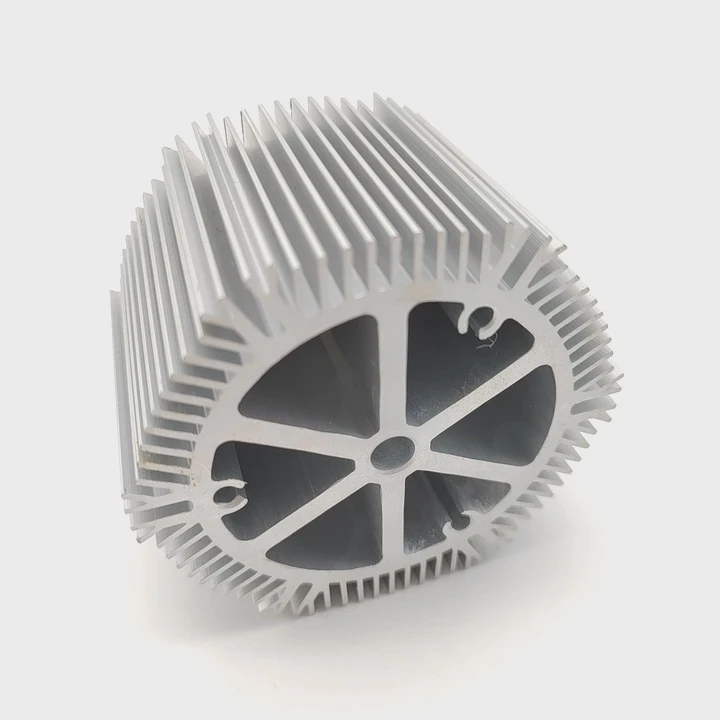
Accurate leak testing requires specialized equipment to maintain consistency and sensitivity across production batches.
Common tools include pressure test benches, tracer gas detectors, vacuum chambers, and automated sensors.
For basic pressure decay tests:
- A sealed fixture is used to apply pressure or vacuum
- High-precision pressure sensors record any fluctuation
- Digital control systems log timing and thresholds
For more sensitive helium leak testing:
- Helium gas cylinders supply tracer gas
- A mass spectrometer detects trace amounts of helium
- Vacuum chambers house the test units for full containment
- Sniffer probes localize leak points around welds or joints
Fixtures are designed to avoid damaging delicate chamber surfaces. Seals must not introduce their own leak paths. High-reliability applications may include data loggers and calibration ports.
To ensure accuracy, setups are often calibrated with reference leaks — components with known, stable leak rates used to validate sensor function.
Can helium leak detection be applied to Vapor Chambers?
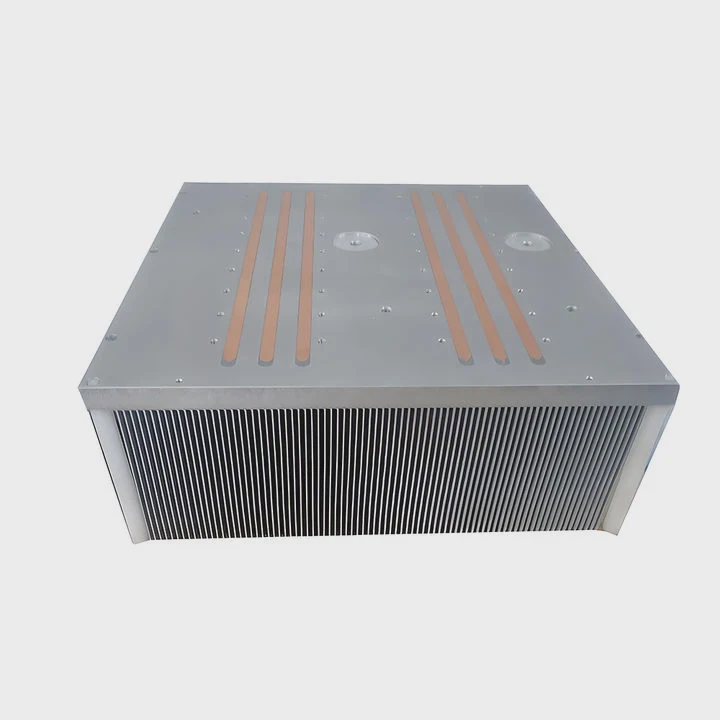
Yes — helium leak detection is among the most sensitive and accurate methods available, ideal for precision components like vapor chambers.
Helium detection uses a tracer gas to identify extremely small leaks, including micro-cracks and sealing flaws not detectable by pressure alone.
This test involves:
- Filling the vapor chamber with helium at a fixed pressure
- Placing the chamber into a vacuum chamber
- Using a helium-specific detector to measure gas escaping into the vacuum
Alternatively, the sniffer method can be used:
- The chamber is pressurized with helium
- A handheld sniffer scans along welds and joints
- Any escaping helium triggers a sensor alert
Helium is ideal because it is inert, small in atomic size, and not naturally abundant in the atmosphere. This makes it easy to detect and safe for components.
When using helium:
- Avoid excess pressure that could deform chamber walls
- Confirm helium does not affect internal wicks or fluid
- Use proper venting and purge cycles after test
- Ensure chambers are dry and clean before and after testing
Helium detection is especially useful in high-end applications like aerospace, EV cooling modules, or medical devices — where failure is not an option.
Are there industry standards for Vapor Chamber leak tests?
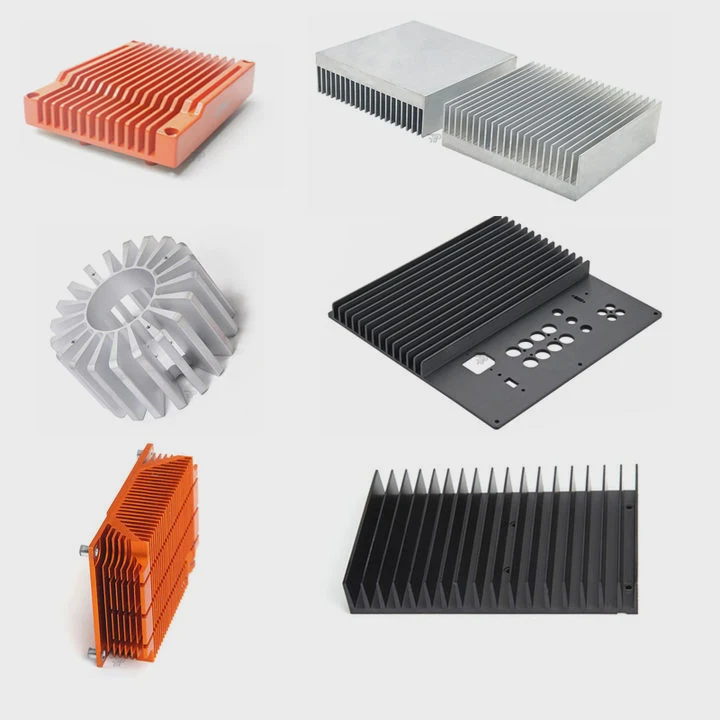
While no single global standard exists exclusively for vapor chambers, many general leak testing practices are applied and accepted across industries.
Manufacturers usually follow adapted standards from vacuum systems, hermetic packaging, and heat pipe testing procedures.
Applicable frameworks include:
- Pressure decay test protocols
- Tracer gas detection using helium or forming gas
- ISO-based test sensitivity ranges (e.g., 1×10⁻⁶ to 1×10⁻⁹ mbar·L/s)
- Leak testing validation using calibrated reference leaks
Internal quality teams typically define acceptable leak rates based on:
- Chamber internal volume
- Operating temperature range
- Expected pressure differential
- Application risk (consumer vs industrial vs aerospace)
For instance, chambers used in servers may accept higher leak rates than those used in EV battery systems. Custom acceptance criteria are documented in internal QC standards.
To formalize testing, companies:
- Develop standard operating procedures (SOPs)
- Define test pressures and dwell times
- Record all results per batch or serial number
- Validate tools monthly or quarterly
- Train operators on test setups and fail conditions
This allows consistent results and strong traceability, which is especially important in industries requiring ISO9001 or IATF16949 compliance.
Conclusion
Leak testing is essential to guarantee the thermal and structural integrity of vapor chambers. Whether using pressure decay or helium tracer gas, these tests ensure sealed performance under real-world conditions. While there are no vapor chamber–specific standards, applying best practices from vacuum and electronics testing allows manufacturers to meet high quality and reliability goals.
TAGS
Latest Articles

Volume discount levels for heat sink orders?
Buyers often ask when heat sink prices start to drop with volume. Many worry they’re overpaying for small orders. This guide explains how B2B volume pricing works for thermal components. Heat sink
21 Dec,2025
Heat sink long-term supply contract options?
Many buyers want stable pricing and reliable delivery for heat sinks. But without a clear contract, risks grow over time. This article explores how to secure better long-term supply deals. Long-term
21 Dec,2025
Tooling cost for new heat sink profiles?
Many engineers struggle to understand why tooling for custom heat sinks costs so much. They worry about budgeting and production timelines. This article breaks down the cost drivers behind tooling.
21 Dec,2025
Heat sink custom sample process steps?
Sometimes, starting a custom heat sink project feels overwhelming—too many steps, too many unknowns, and too many risks. You want a sample, but not endless delays. The process for requesting and
20 Dec,2025
Standard B2B terms for heat sink payments?
When buyers and sellers in B2B heat sink markets talk about payment, many don’t fully understand what’s standard. This can lead to delayed orders, miscommunication, and even lost business
20 Dec,2025
Heat sink pricing factors for large orders?
Heat sinks are vital for many systems. When prices rise, projects stall and budgets break. This problem can hit teams hard without warning. Large order heat sink pricing depends on many factors. You
20 Dec,2025Related Articles
- Common defects in Vapor Chamber manufacturing?
- Vapor Chamber lifetime expectation?
- Should Vapor Chamber use pure copper?
- Standard thickness of Vapor Chamber copper plate?
- How to choose Vapor Chamber supplier?
- Custom Vapor Chamber for High Power Devices?
- Vapor Chamber performance under vibration?
- Vapor Chamber for industrial robotics cooling?
- Vapor Chamber recommended brazing method?
- Vapor Chamber Quality Traceability System?
- Vapor Chamber RoHS documentation sample?
- Vapor Chamber REACH SVHC requirements?
Author
Dr. Emily Chen
Chief AI Researcher
Leading expert in thermal dynamics and AI optimization with over 15 years of experience in data center efficiency research.
Categories
Latest Products






Recommend Categories
- Liquid cooling plate Manufacturer
- Industrial Heat Sink Manufacturer
- Standard Heat Sink Manufacturer
- Aluminum Heat Sink Manufacturer
- Copper Heat Sink Manufacturer
- Anodized Heatsink Manufacturer
- Stamping heat sink Manufacturer
- Die Casting Heatsink Manufacturer
- Soldering heat sink Manufacturer
- CNC Parts Manufacturer
Latest Products
- Wholesale Aluminum Radiator
- Water Cooling Plate Kit
- Water Cooling Heat Sink
- Water Cooling Heat Sink Kit
- Stainless Steel Water Distributor
- Server Water Cooling Plate Kit
- Server Liquid Cooling System
- Server Aluminum Cooling Kit
- S19 Full Cover Cooling Plate
- S19 Cooling Plate Kit
- S19 Aluminum Cooling Plate
Contact Expert
Have questions about this article? Reach out to our experts directly.