Vapor Chamber lifetime expectation?
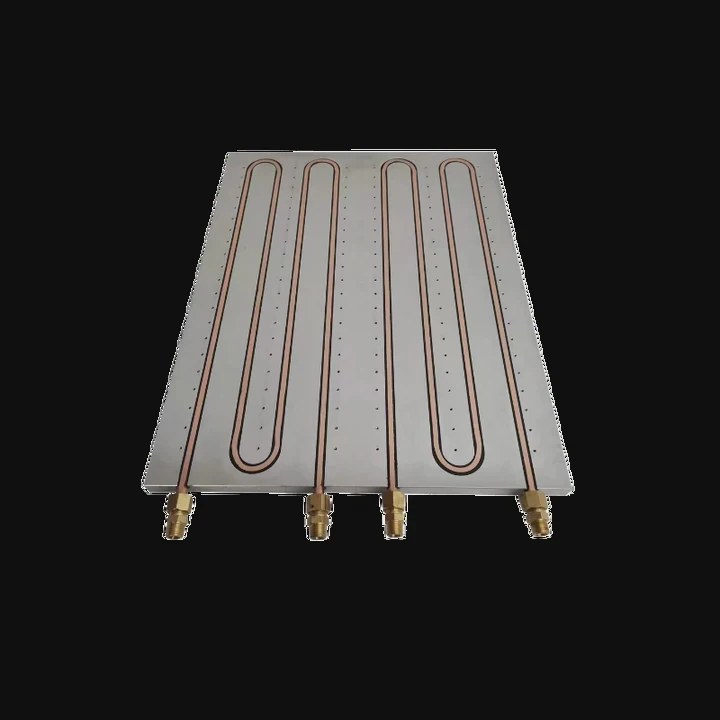
Many buyers worry whether vapor chambers can survive in harsh conditions for years—understanding their lifetime is key to reliable design.
A typical vapor chamber lasts 5 to 10 years, depending on material quality, design, and operating conditions. Proper sealing and fluid integrity are crucial to extend service life.
Let’s explore what affects vapor chamber lifespan and how to evaluate durability in real-world applications.
What is the typical service life of a Vapor Chamber?
Not all vapor chambers are built the same—some last just a few years, others exceed a decade in the field.
Typical vapor chamber life spans from 5 to 10 years under normal usage. High-end designs with robust seals and stable environments can last longer.
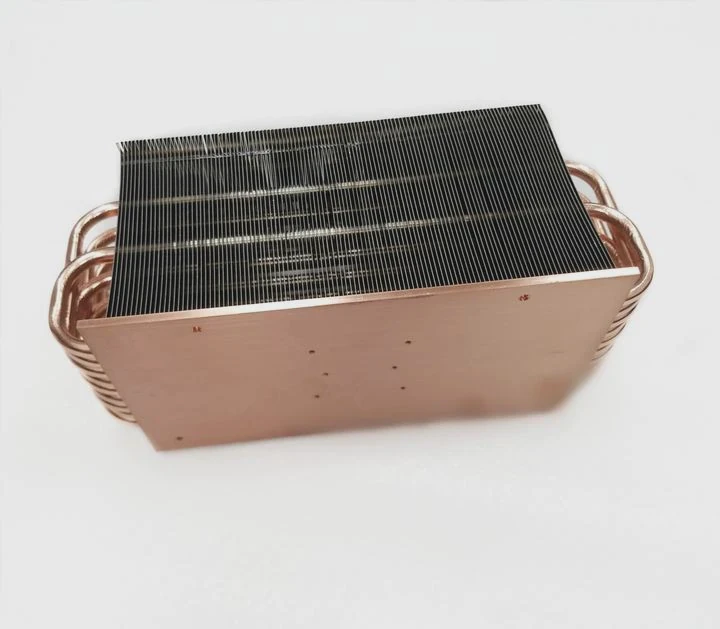
Vapor chambers are closed-loop heat transfer devices that rely on the phase change of a working fluid to manage heat efficiently. Their durability depends on multiple factors.
Core life-determining factors
- Weld and seal quality: Poor welds or brazing can lead to micro-leaks, gradually releasing the working fluid.
- Working fluid stability: Decomposition or evaporation over time can lead to dry-out and loss of thermal performance.
- Material corrosion: Incompatible metals or poor surface treatment can corrode, damaging internal wicks or contaminating fluid.
- Usage conditions: High heat flux, thermal cycling, vibration, and environmental exposure all accelerate aging.
Typical lifespans by segment
| Application Area | Expected Lifetime |
|---|---|
| Consumer electronics | 3 – 5 years |
| Industrial devices | 5 – 8 years |
| Aerospace & military | 10+ years |
| Medical equipment | 8 – 12 years |
A properly built vapor chamber with robust design, stable load and quality materials can easily exceed 10 years of life in controlled environments.
What factors shorten Vapor Chamber lifespan?
Vapor chambers can degrade over time—but many causes are preventable with smart design and process control.
Factors like internal leaks, working fluid loss, corrosion, thermal stress and poor vacuum quality can reduce vapor chamber life.
Let’s break down the key failure mechanisms:
1. Micro-leaks and seal failures
Seals must maintain vacuum for years. Poor welding, laser cracks, porous joints or inconsistent sealing methods can cause long-term leaks. Even minute leakage can deplete fluid over time.
2. Fluid degradation
Water is the most common working fluid. If impure or contaminated, it may degrade under high heat. Fluid loss through outgassing or micro-permeation also causes dry-out.
3. Corrosion
Material selection matters. Dissimilar metals or poor surface finish can cause galvanic or pitting corrosion. This affects both external shell and internal wick surfaces, harming fluid circulation.
4. Contaminants and residues
Residual flux, machining oil, or uncleaned particles inside the chamber may react with working fluid. They reduce thermal performance and may block capillary pathways.
5. Harsh environments
Exposure to vibration, mechanical shock, rapid thermal cycling, or operation beyond design limits speeds up wear and damages structural integrity.
6. Manufacturing defects
Inconsistent wick sintering, uneven capillary paths, or incomplete degassing during vacuum fill can lead to poor long-term reliability.
Preventive measures
| Risk Factor | Design Prevention Strategy |
|---|---|
| Seal Leakage | Use high-precision laser or friction welding, helium leak test |
| Corrosion | Select compatible alloys, apply passivation |
| Fluid Loss | Ensure ultra-clean vacuum sealing, use degassed fluids |
| Mechanical Fatigue | Use thicker shell or damping supports |
| Contaminants | Clean, bake and inspect before fill |
Understanding and controlling these variables is the foundation for long-life vapor chamber manufacturing.
Can Vapor Chambers last over 10 years in use?
Some thermal management systems demand a decade or more of reliability. Can vapor chambers handle that?
Yes, high-quality vapor chambers with precision sealing, stable operating environments and good material control can exceed 10 years of service life.
Long service life is realistic—but not automatic. It depends on both the build and the application. Here’s what helps achieve it:
High-reliability build features
- All-metal construction: Copper or stainless steel with uniform grain and clean welds resist fatigue.
- Hermetic sealing: Laser or friction stir welds tested for helium leak rates <10^-9 mbar·L/s.
- Clean assembly: Internal chamber vacuumed and baked before filling to remove gases and moisture.
- Degassed fluid: Use high-purity working fluid, pre-degassed under vacuum to minimise bubble formation.
- Redundant capillary paths: Well-designed wick structures prevent single-point failure.
Application suitability
Long-life vapor chambers are most common in:
- Military and aerospace: where 10–15 year durability is needed and cost is not the limiting factor.
- Medical devices: long deployment, strict failure tolerance.
- Industrial automation: where replacement is hard or expensive.
In such uses, it is normal to see vapor chambers lasting over 10 years with little or no performance loss.
For standard consumer-grade uses, design is often tuned for cost, not life—so expect 3 to 5 years instead.
Accelerated testing and validation
Proving 10+ year life requires simulation. Common tests:
- Thermal cycling (−40°C to +125°C for 1000 cycles)
- Power cycling (heat load on/off at set intervals)
- Helium leak detection (down to micro-leak thresholds)
- Life simulation under actual mounting/vibration
Meeting these tests provides confidence that the vapor chamber will endure for a decade or more in target conditions.
Is performance degradation expected over time?
Even the best vapor chambers can degrade—what matters is how much and how fast.
Yes, performance degradation is expected over time, especially under high stress, but with quality manufacturing it remains minimal and slow.
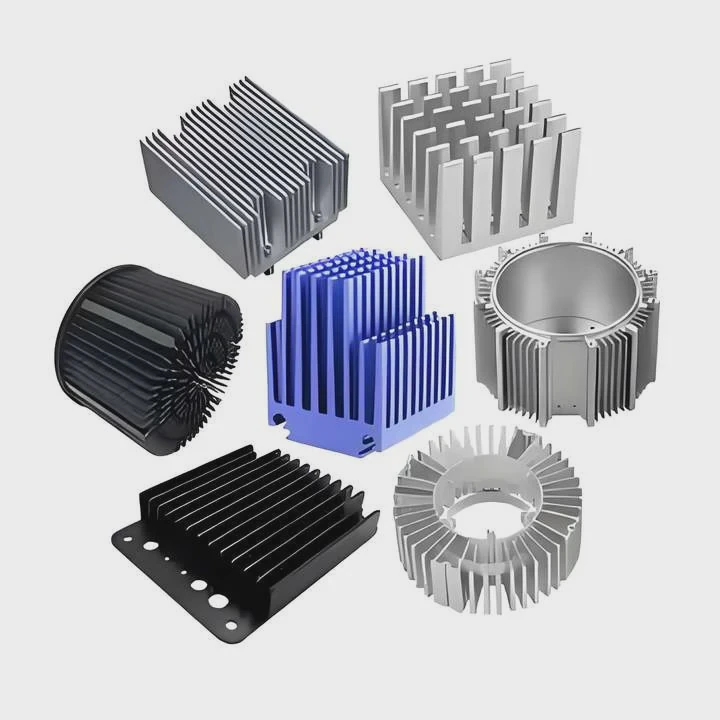
Over time, a vapor chamber’s efficiency may decrease due to various reasons. The rate and scale of degradation depend on environment and internal construction.
Causes of performance decay
- Fluid loss: evaporation through micro-leaks reduces the ability to carry heat.
- Wick dry-out: regions inside the chamber may lose capillary action due to blockage or surface changes.
- Contamination: particles or chemical residues may clog wick or alter fluid boiling point.
- Structural fatigue: repeated thermal or mechanical stress can crack walls or alter internal geometry.
Symptoms of degradation
- Increased thermal resistance
- Localised hot spots
- Slower heat spreading
- Thermal cycling failure
Degradation timeline
| Time in Use | Expected Performance (If High Quality) |
|---|---|
| 0 – 3 years | > 98% of original performance |
| 3 – 5 years | > 95% (minor losses due to fluid ageing) |
| 5 – 10 years | ~90–95%, stable if sealed well |
| 10+ years | May drop to 85–90%, depending on usage |
Mitigation strategies
- Use high-quality materials and manufacturing methods
- Avoid operation near dry-out conditions
- Maintain good thermal interface with device (minimise TIM degradation)
- Use vapor chambers within design limits for temperature and load
If degradation is slow and predictable, vapor chambers can still serve critical functions long after initial deployment. The key is to match the design to the application and validate it over time.
Conclusion
Vapor chambers can last over a decade if well-made and properly used. Their lifetime depends on sealing, fluid, materials and environment. By understanding what shortens life and how to prevent it, you can build systems that deliver reliable thermal performance for years to come.
TAGS
Latest Articles

Volume discount levels for heat sink orders?
Buyers often ask when heat sink prices start to drop with volume. Many worry they’re overpaying for small orders. This guide explains how B2B volume pricing works for thermal components. Heat sink
21 Dec,2025
Heat sink long-term supply contract options?
Many buyers want stable pricing and reliable delivery for heat sinks. But without a clear contract, risks grow over time. This article explores how to secure better long-term supply deals. Long-term
21 Dec,2025
Tooling cost for new heat sink profiles?
Many engineers struggle to understand why tooling for custom heat sinks costs so much. They worry about budgeting and production timelines. This article breaks down the cost drivers behind tooling.
21 Dec,2025
Heat sink custom sample process steps?
Sometimes, starting a custom heat sink project feels overwhelming—too many steps, too many unknowns, and too many risks. You want a sample, but not endless delays. The process for requesting and
20 Dec,2025
Standard B2B terms for heat sink payments?
When buyers and sellers in B2B heat sink markets talk about payment, many don’t fully understand what’s standard. This can lead to delayed orders, miscommunication, and even lost business
20 Dec,2025
Heat sink pricing factors for large orders?
Heat sinks are vital for many systems. When prices rise, projects stall and budgets break. This problem can hit teams hard without warning. Large order heat sink pricing depends on many factors. You
20 Dec,2025Related Articles
- Should Vapor Chamber use pure copper?
- Standard thickness of Vapor Chamber copper plate?
- How to choose Vapor Chamber supplier?
- Custom Vapor Chamber for High Power Devices?
- Vapor Chamber design service available?
- Can Vapor Chamber improve CPU cooling performance?
- Common defects in Vapor Chamber manufacturing?
- Vapor Chamber pressure leak test method?
- Vapor Chamber performance under vibration?
- Vapor Chamber for industrial robotics cooling?
- Vapor Chamber recommended brazing method?
- Vapor Chamber Quality Traceability System?
Author
Dr. Emily Chen
Chief AI Researcher
Leading expert in thermal dynamics and AI optimization with over 15 years of experience in data center efficiency research.
Categories
Latest Products






Recommend Categories
- Liquid cooling plate Manufacturer
- Industrial Heat Sink Manufacturer
- Standard Heat Sink Manufacturer
- Aluminum Heat Sink Manufacturer
- Copper Heat Sink Manufacturer
- Anodized Heatsink Manufacturer
- Stamping heat sink Manufacturer
- Die Casting Heatsink Manufacturer
- Soldering heat sink Manufacturer
- CNC Parts Manufacturer
Latest Products
- Wholesale Aluminum Radiator
- Water Cooling Plate Kit
- Water Cooling Heat Sink
- Water Cooling Heat Sink Kit
- Stainless Steel Water Distributor
- Server Water Cooling Plate Kit
- Server Liquid Cooling System
- Server Aluminum Cooling Kit
- S19 Full Cover Cooling Plate
- S19 Cooling Plate Kit
- S19 Aluminum Cooling Plate
Contact Expert
Have questions about this article? Reach out to our experts directly.