High efficiency Vapor Chamber alternative materials?
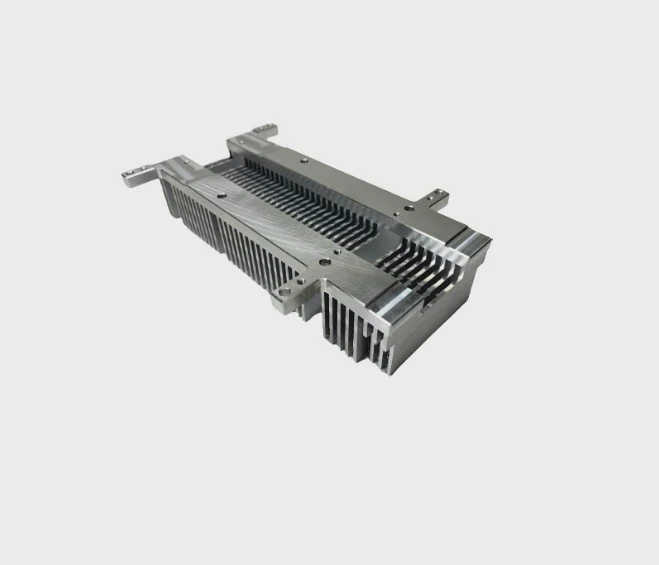
When the standard copper vapor‑chamber envelope isn’t ideal (due to cost, weight, corrosion or supply), exploring alternative materials becomes a pressing design challenge.
Yes — there are several viable alternative materials for a vapor chamber envelope or structure (aluminium, graphene‐enhanced layers, ceramics/metal‑ceramic composites) each with trade‑offs in thermal conductivity, manufacturability, cost and reliability.
Below I unpack what can replace copper, how aluminium stacks up, whether graphene can enhance performance, and whether ceramics are viable for the envelope of a vapor chamber.
What materials can replace copper in Vapor Chambers?
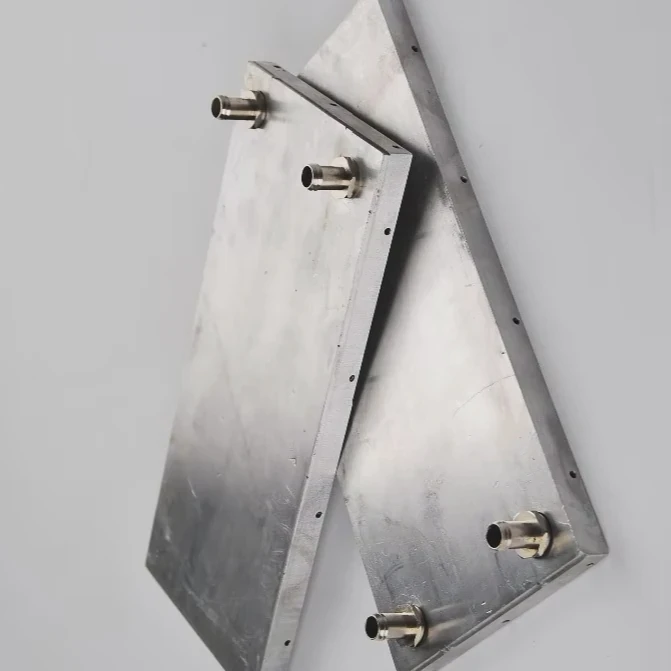
Copper remains the traditional choice for the envelope and structure of a vapor chamber because of its high thermal conductivity and relatively mature manufacturing ecosystem. But designers often seek alternatives when weight, cost or corrosion become significant. Key replacements include aluminium (or aluminium alloys), metal‑matrix composites (e.g., AlSiC), titanium in some cases, and emerging carbon/graphene composites.
Why look beyond copper?
- Copper is heavy (density ~8.96 g/cm³) and often more expensive than aluminium or certain composites.
- In some lightweight or aerospace applications, reducing mass is critical and copper’s weight is a liability.
- Corrosion or galvanic compatibility issues may arise when copper is adjacent to other metals or in harsh environments.
- Supply chain and price volatility can lead to cost risks.
Candidate alternatives
| Material | Thermal conductivity (typical) | Advantages | Key challenges |
|---|---|---|---|
| Aluminium / aluminium alloy | ~200 W/m·K (vs copper ~400 W/m·K) | Much lighter, lower cost, easier machining | Lower conductivity; more expansion; weaker than copper |
| Aluminium‑metal‑ceramic composite (e.g., AlSiC) | ~170‑200 W/m·K per alum‑SiC example | Lower weight, adjusted thermal expansion to match other components | More complex manufacturing; cost may be higher; less proven for VC envelope |
| Titanium (in specific use) | Significantly less than copper (varies) | Strong, corrosion‑resistant, good for extreme environments | Poorer thermal conductivity; higher cost; special welding/processing required |
| Graphene or carbon composites (as coatings or structural layers) | Some reported very high in‑plane values (hundreds to >1000 W/m·K) | Can reduce mass, improve spreading; advanced performance potential | Immature manufacturing for full envelope; sealing, long‑term reliability issues |
Key considerations when replacing copper
- Envelope conductivity: The vapor chamber’s envelope must conduct heat effectively from the evaporator region to the condenser region. If the material has lower conductivity, spreading losses or hot‑spots may increase.
- Wick/working fluid compatibility: The internal wick structure and working fluid (often water) must be compatible with the envelope material: high temperature, capillary return, corrosion, and internal vacuum integrity. Changing material may require re‑qualifying wick bonding, wick to wall interface, lifetime tests.
- Manufacturing and sealing: Copper is well‑understood for brazing, vacuum sealing, internal wick manufacturing. Alternative materials may require new brazing or bonding methods, which may raise risk.
- Mechanical/dimensional constraints: Materials differ in thermal expansion, modulus, fatigue behavior and flatness. In applications with tight tolerances, the substrate must maintain flatness under load, avoid warping or delamination.
- Cost & supply chain: Some advanced composites (graphene, carbon) may offer high performance but at premium cost, low yield, or less mature supply chain. That reduces viability for large scale or cost‑sensitive applications.
In summary: Many materials can technically replace copper in a vapor chamber envelope, but the choice must be carefully balanced across performance, manufacturability, cost and reliability. For many mainstream applications, the switch is not trivial and may involve trade‑offs in thermal performance or cost.
Are aluminium Vapor Chambers as efficient as copper ones?
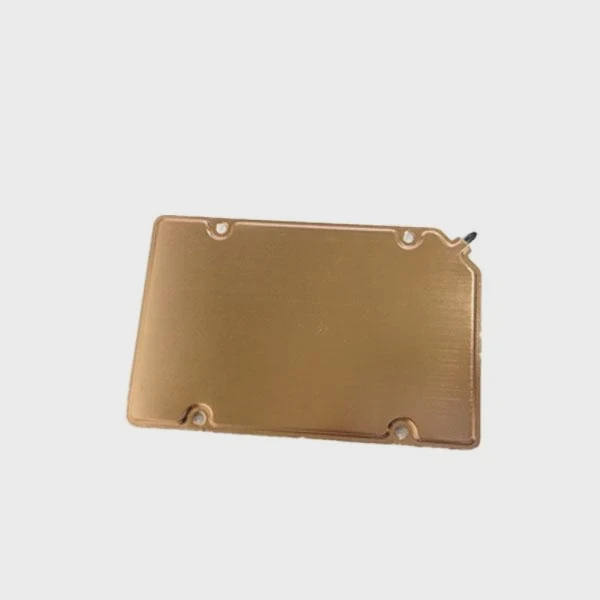
When you ask whether aluminium vapor chambers can match copper ones in efficiency, the short answer is: not quite in many cases — but they can be good enough for certain applications, particularly where weight savings or cost reduction matter more than absolute top thermal performance.
Comparison of aluminium vs copper in vapor‑chamber context
- Copper offers higher thermal conductivity (~400 W/m·K for high purity) whereas aluminium alloys tend to offer ~150‑250 W/m·K in practical form. Some sources state aluminium is “generally used as a cost‑effective replacement for copper” but acknowledges the lower conductivity.
- Lower conductivity means that for the same geometry, the envelope will add a larger conduction resistance, reducing overall heat‑spreader performance, which matters especially at high heat flux or small form factor.
- Aluminium is much lighter (density ~2.7 g/cm³) which helps mass‐sensitive designs (e.g., aerospace, portable electronics).
- Manufacturability may be simpler (casting, extrusion) and cost lower.
- But, because of the reduced conductivity and possible lower strength (for same thickness) you often see aluminium designs that are thicker/heavier to compensate, offsetting some weight advantage.
When aluminium might be acceptable
- Medium heat flux applications: where the vapor chamber is not pushing the limits of spreading resistance and the thermal margin is ample.
- Lightweight systems: where mass is critical and the penalty of somewhat higher temperature rise is acceptable.
- Cost‐sensitive designs: where copper cost or supply is a constraint and designers accept slightly higher junction temperature.
- When form factor or integration allows a slightly larger footprint or thicker envelope to make up for lower conductivity.
When aluminium would be problematic
- Very high heat flux areas where every millikelvin temperature reduction matters (e.g., semiconductor lasers, high‑power GPUs, aerospace avionics).
- Where the geometry is very thin and the envelope thickness must be minimal — the lower conductivity envelope may dominate thermal resistance.
- Harsh or high fatigue environments where aluminium’s mechanical or fatigue behavior might be inferior to copper.
My recommendation
If I were advising a customer: For high‐end applications where thermal performance is critical, stick with copper unless you can justify and test with aluminium thoroughly. If you switch to aluminium, you might need to redesign the vapor chamber (thicker walls, larger area, different wick geometry) to meet equivalent thermal performance. Also verify lifetime, especially for reliability under cycling. For lighter or cost‐driven applications, aluminium is a good candidate but expect slightly higher thermal resistance.
Can graphene enhance Vapor Chamber performance?
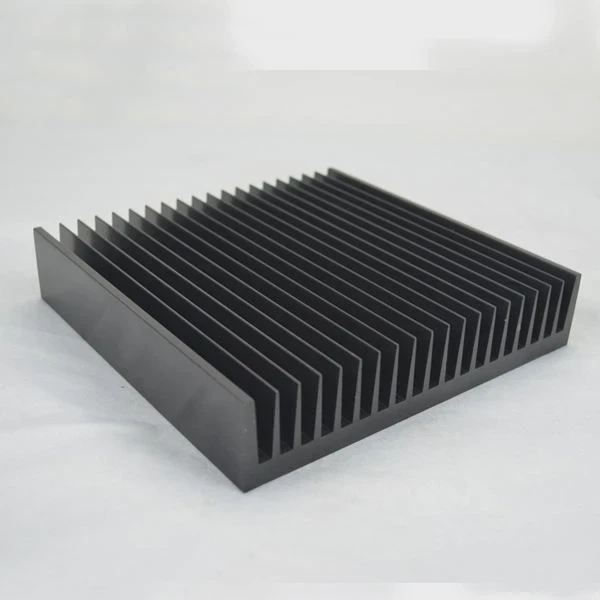
Graphene and other carbon‐based high‑conductivity materials are exciting for thermal management and have potential to enhance vapor chamber performance — but they are not yet fully mainstream for envelope replacement in mass production. Think of graphene enhancement more as a high‐performance / niche option rather than standard drop‑in.
What the research shows
- Studies have shown prototypes of graphene‑enhanced vapor chambers using a graphene‑assembled film as envelope material. One reported that the graphene‐enhanced vapor chamber had 36% lower mass‐based thermal resistance compared to a commercial copper vapor chamber, though the total thermal resistance was still higher (i.e., it had not yet fully matched copper’s absolute performance) in that study.
- Graphene’s in‑plane thermal conductivity can be extremely high (hundreds to >1000 W/m·K in lab conditions). That means for spreading in thin planes it offers potential.
- The challenge remains: manufacturing the envelope with graphene, ensuring vacuum sealing, ensuring mechanical robustness, predictable manufacturing yield, and cost. Some prototypes noted issues with leak tightness under high mounting pressure and elevated temperature.
Key opportunities and caveats
Opportunities
- Lightweight applications: Graphene membranes or films can reduce mass significantly, which is attractive for spacecraft, drones, high‑end mobile devices.
- High spreading applications: Where the main limitation is planar spreading of heat rather than conduction through thickness, graphene‑enhanced materials might shine.
- Future‑proofing: As manufacturing matures, graphene could become more cost‑effective and widely used.
Caveats
- Risk: The research is still at relatively early stage; many performance/lifetime issues remain (leaks, mechanical robustness, manufacturing consistency).
- Cost: Graphene processing is currently more expensive than conventional copper or aluminium manufacturing.
- Envelope thickness & through‑thickness conductivity: Graphene excels in the plane (x‑y) direction; its through‑thickness (z‑direction) conduction may be weaker, which may affect heat transfer from the evaporator to the envelope. For a vapor chamber the envelope must transfer heat from internal wick to external surface in three dimensions.
- Integration: The wick, working fluid, sealing, mounting load, and mechanical robustness still need to be qualified fully for graphene‑based systems.
My view
Yes — graphene can enhance vapor chamber performance and has exciting potential. But for now it is more of a future or niche solution rather than a safe standard replacement. If your application demands cutting‑edge light‑weight performance and you are willing to invest in testing and qualification, explore graphene. If you need mature, high‐reliability, high‐volume manufacturing for a B2B product, copper or well‑tested aluminium/metal‑composite may be the pragmatic choice.
Is ceramic a viable alternative for Vapor Chamber design?
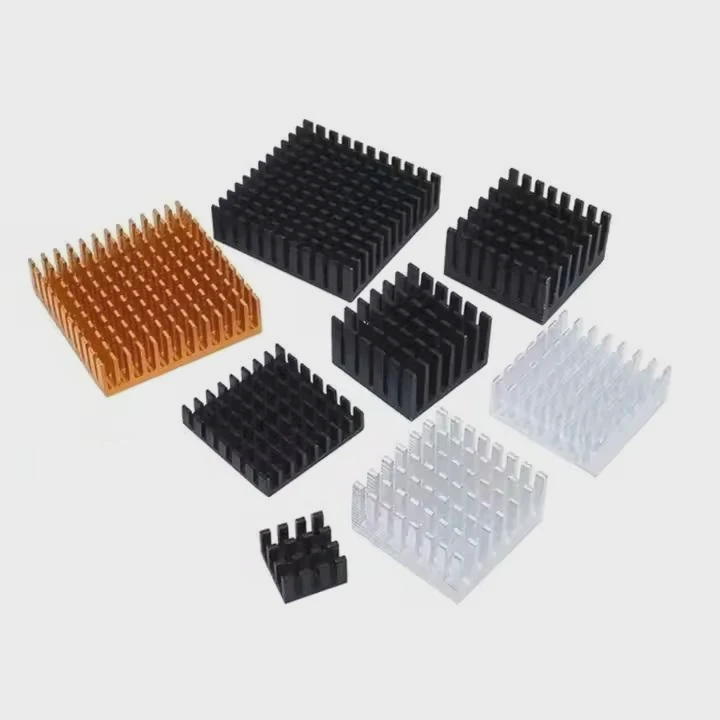
Ceramics and ceramic composites are sometimes considered in thermal management for heat spreaders or sink bases, due to their insulation properties, structural stability and good thermal conductivity (in some formulations). But using ceramics as the envelope material for a vapor chamber poses significant challenges and is not yet widely adopted for standard vapor chambers.
Pros and cons of ceramic materials
Pros
- Some ceramics (e.g., aluminium nitride, silicon carbide composites) offer moderate to good thermal conductivity combined with electrical insulation and low thermal expansion. That makes them useful as substrates or heat‐spreader plates.
- Good corrosion resistance, good structural stability under thermal cycling, and often better matching of thermal expansion with semiconductor materials.
- Potential for integration with electronics directly (substrate/heat spreader roles) where envelope metals may cause EMI or galvanic issues.
Cons
- Many ceramics have lower thermal conductivity than metals like copper or even aluminium, especially through the thickness. For example, although a ceramic like AlN can be comparable to silicon or carbon in certain cases, it still lags high‑purity copper.
- Ceramics tend to be brittle, susceptible to cracking under mechanical or thermal shock or clamping pressure. For a vapor chamber which often relies on vacuum sealing, internal wicks, and mechanical mounting pressure, brittleness is a risk.
- Manufacturing issues: Creating a hermetic flat chamber envelope from ceramic, with internal wick structure, vacuum sealing and durability under cycling is materially more challenging and costly than metal stamping/brazing.
- Thickness and weight: To compensate for lower conductivity and brittleness, the ceramic envelope may need to be thicker/heavier or reinforced, thereby reducing some of the benefits.
Use‑case viability for vapor chambers
- For very specialised applications (e.g., electronics where electrical insulation is critical and metal cannot be used due to short‑circuit risk), a ceramic‐based envelope might be considered.
- But for mainstream high heat‐flux vapor chambers, the standard practice remains metal envelopes (copper, aluminium, composites). Ceramics could appear as part of the assembly (heat spreader substrate, interface plate) rather than the full envelope.
- If you go ceramic, you must do full reliability testing: vacuum integrity, wind/vibration/thermal cycling, mounting stress, shock. Because ceramics are brittle, mounting methods must ensure not to crack the envelope or cause leaks.
My recommendation
Ceramic is a viable alternative in niche cases, but for most B2B heat‑management modules (like those produced by your company) I would treat it as a special‐use option rather than general practice. If the design demands electrical insulation, ultra‑high structural stiffness, and the heat flux is moderate, evaluate ceramic. If heat flux is high and performance margin is tight, stick with metal envelopes and evaluate ceramic only after rigorous testing.
Conclusion
In the quest for high efficiency vapor chamber designs, exploring alternative materials beyond copper is both sensible and necessary especially where weight, cost, or corrosion are constraints. Aluminium and its composites offer a balanced alternative with lower weight and cost but with a performance trade‑off. Graphene and carbon‐based materials hold exciting potential, especially for lightweight and high‐density applications—though maturity and cost remain hurdles. Ceramic envelopes are possible for niche cases but pose significant manufacturing and reliability challenges. Ultimately, material selection must align with your performance targets, manufacturability, reliability requirements and cost constraints.
TAGS
Latest Articles

Volume discount levels for heat sink orders?
Buyers often ask when heat sink prices start to drop with volume. Many worry they’re overpaying for small orders. This guide explains how B2B volume pricing works for thermal components. Heat sink
21 Dec,2025
Heat sink long-term supply contract options?
Many buyers want stable pricing and reliable delivery for heat sinks. But without a clear contract, risks grow over time. This article explores how to secure better long-term supply deals. Long-term
21 Dec,2025
Tooling cost for new heat sink profiles?
Many engineers struggle to understand why tooling for custom heat sinks costs so much. They worry about budgeting and production timelines. This article breaks down the cost drivers behind tooling.
21 Dec,2025
Heat sink custom sample process steps?
Sometimes, starting a custom heat sink project feels overwhelming—too many steps, too many unknowns, and too many risks. You want a sample, but not endless delays. The process for requesting and
20 Dec,2025
Standard B2B terms for heat sink payments?
When buyers and sellers in B2B heat sink markets talk about payment, many don’t fully understand what’s standard. This can lead to delayed orders, miscommunication, and even lost business
20 Dec,2025
Heat sink pricing factors for large orders?
Heat sinks are vital for many systems. When prices rise, projects stall and budgets break. This problem can hit teams hard without warning. Large order heat sink pricing depends on many factors. You
20 Dec,2025Related Articles
- Future demand for Vapor Chamber in EV sector?
- Cost comparison of Vapor Chamber and heat pipe?
- Green manufacturing for Vapor Chamber?
- Vapor Chamber role in energy saving systems?
- Vapor Chamber technology upgrade trends?
- OEM or ODM options for Vapor Chamber?
- Can Vapor Chamber improve CPU cooling performance?
- Vapor Chamber design service available?
- Custom Vapor Chamber for High Power Devices?
- How to choose Vapor Chamber supplier?
- Standard thickness of Vapor Chamber copper plate?
- Should Vapor Chamber use pure copper?
Author
Dr. Emily Chen
Chief AI Researcher
Leading expert in thermal dynamics and AI optimization with over 15 years of experience in data center efficiency research.
Categories
Latest Products






Recommend Categories
- Liquid cooling plate Manufacturer
- Industrial Heat Sink Manufacturer
- Standard Heat Sink Manufacturer
- Aluminum Heat Sink Manufacturer
- Copper Heat Sink Manufacturer
- Anodized Heatsink Manufacturer
- Stamping heat sink Manufacturer
- Die Casting Heatsink Manufacturer
- Soldering heat sink Manufacturer
- CNC Parts Manufacturer
Latest Products
- Wholesale Aluminum Radiator
- Water Cooling Plate Kit
- Water Cooling Heat Sink
- Water Cooling Heat Sink Kit
- Stainless Steel Water Distributor
- Server Water Cooling Plate Kit
- Server Liquid Cooling System
- Server Aluminum Cooling Kit
- S19 Full Cover Cooling Plate
- S19 Cooling Plate Kit
- S19 Aluminum Cooling Plate
Contact Expert
Have questions about this article? Reach out to our experts directly.