Should Vapor Chamber use pure copper?
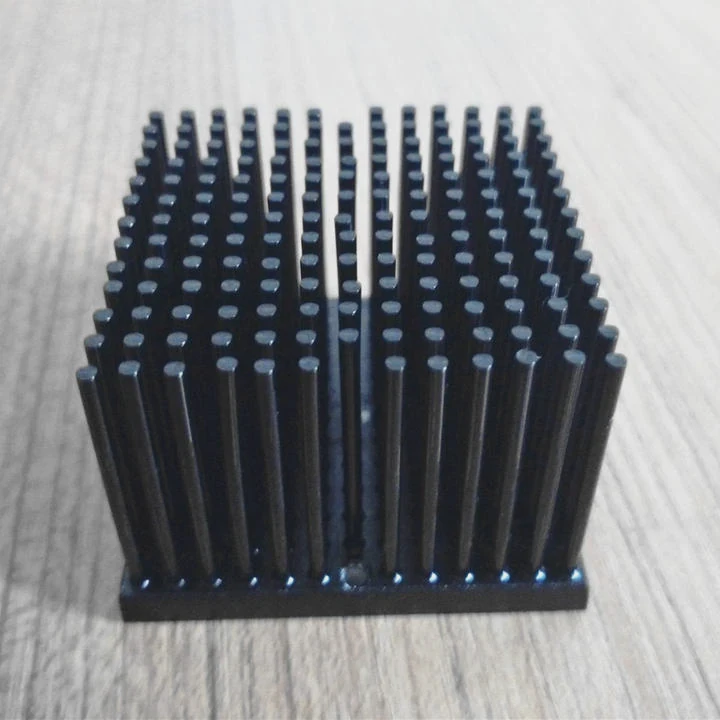
Material choice in vapor chambers isn’t just about cost—it determines performance, reliability, and lifespan. So, is pure copper always the right move?
Yes—pure copper offers the highest thermal conductivity, making it the top choice for high-performance vapor chambers, but alloys may work in cost-sensitive or low-load cases.
Let’s explore what purity really means in vapor chamber design.
Is pure copper necessary for Vapor Chamber construction?
Choosing the right copper grade affects how well heat is spread. Not all applications need the same performance level.
No—pure copper isn’t strictly necessary, but it is strongly recommended for high-performance vapor chambers needing maximum thermal conductivity and corrosion resistance.
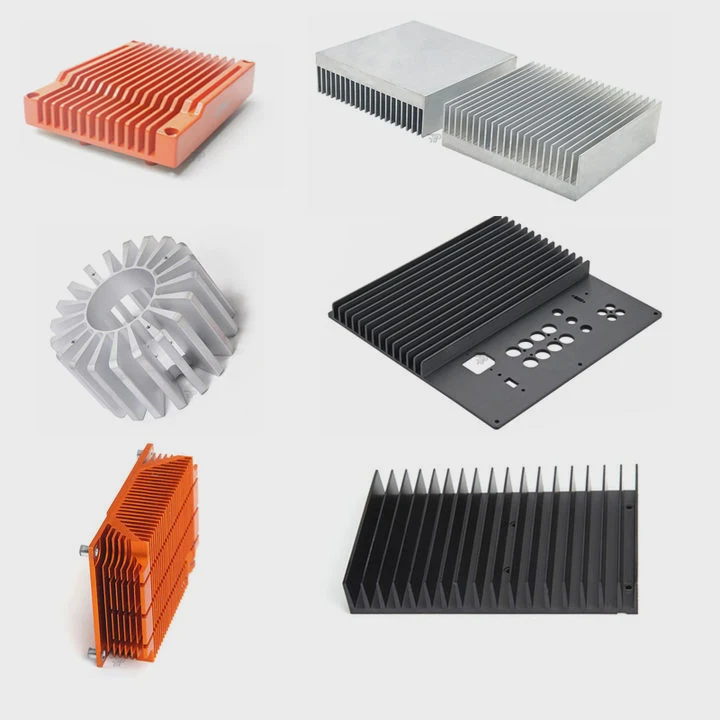
Vapor chambers rely on heat spreading. This happens when heat enters one side of the copper plate, vaporizes the working fluid, and moves to the cool side, where it condenses and returns.
The better the copper conducts heat, the faster this process happens.
Why pure copper matters
- High thermal conductivity: Pure copper (typically >99.9%) conducts heat better than most metals.
- Corrosion resistance: Reduces risk of contamination or clogging inside the chamber.
- Capillary structure compatibility: Works better with sintered wicks or mesh used in internal structures.
When you might not need pure copper
- If the heat load is low, and thermal performance isn’t critical.
- If vapor chamber is used in sealed, indoor environments with no chemical exposure.
- If cost savings outweigh performance needs.
Here’s how copper types compare:
| Copper Type | Purity (%) | Thermal Conductivity (W/m·K) | Use Case |
|---|---|---|---|
| OFHC (C10200) | >99.99 | ~398 | High-end vapor chambers |
| Electrolytic (C11000) | >99.9 | ~385 | Common standard |
| Copper alloys (e.g. C26000) | <90 | ~100–200 | Cost-sensitive applications |
Using pure copper is usually worth it—especially when your vapor chamber must perform consistently under thermal stress.
What are the pros of using pure copper in Vapor Chambers?
It’s easy to assume pure copper is just expensive. But the performance gains are measurable and often necessary.
Pure copper offers superior thermal performance, corrosion resistance, and manufacturing reliability, making it ideal for advanced vapor chamber systems.
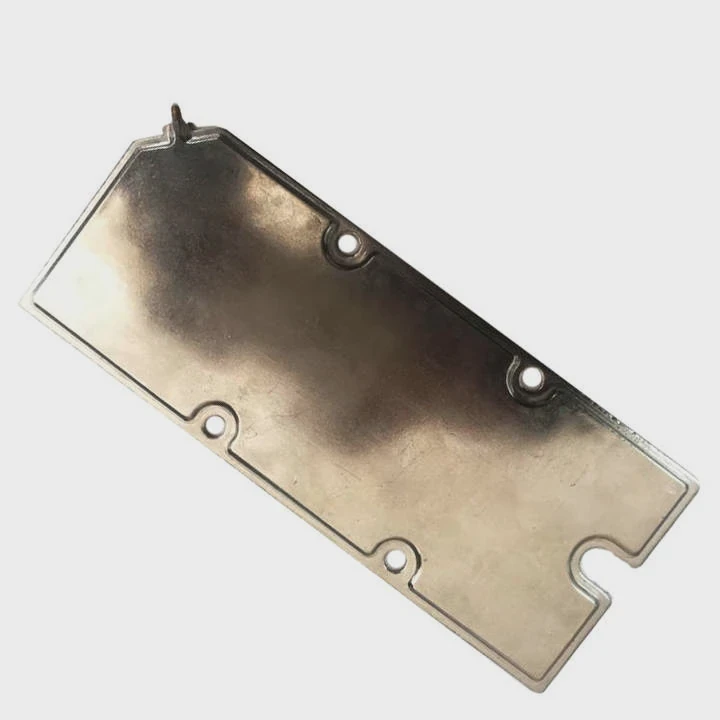
Key advantages
1. High thermal conductivity
Copper is second only to silver in conductivity. With ~390–400 W/m·K, pure copper moves heat efficiently across the plate, preventing hotspots.
2. Corrosion resistance
Impurities can corrode the internal cavity or wick. High-purity copper minimizes these risks, especially in sealed environments.
3. Consistent performance
Lower-purity copper may contain trace elements that react with the working fluid, clogging wick structures. Pure copper keeps internal systems clean and stable.
4. Better compatibility with sintering
Many vapor chambers use sintered metal wicks. Pure copper sinters more consistently, enabling fine pore control and higher capillary efficiency.
Summary table
| Benefit | How It Helps in Vapor Chambers |
|---|---|
| High thermal conductivity | Faster heat spreading, less hotspot formation |
| Low impurity content | Reduces corrosion, extends lifespan |
| Stable chemistry | Prevents fluid degradation or chemical reactions |
| Better wick bonding | Stronger internal structure, better heat cycling |
Pure copper is not just about maximum performance—it also makes vapor chambers more reliable, longer lasting, and less prone to internal failure.
Are copper alloys acceptable for Vapor Chamber fabrication?
When cost is a concern, manufacturers may look to alloys. But they come with trade-offs.
Yes, copper alloys can be used in vapor chambers, but they reduce thermal performance and raise the risk of corrosion or internal contamination.
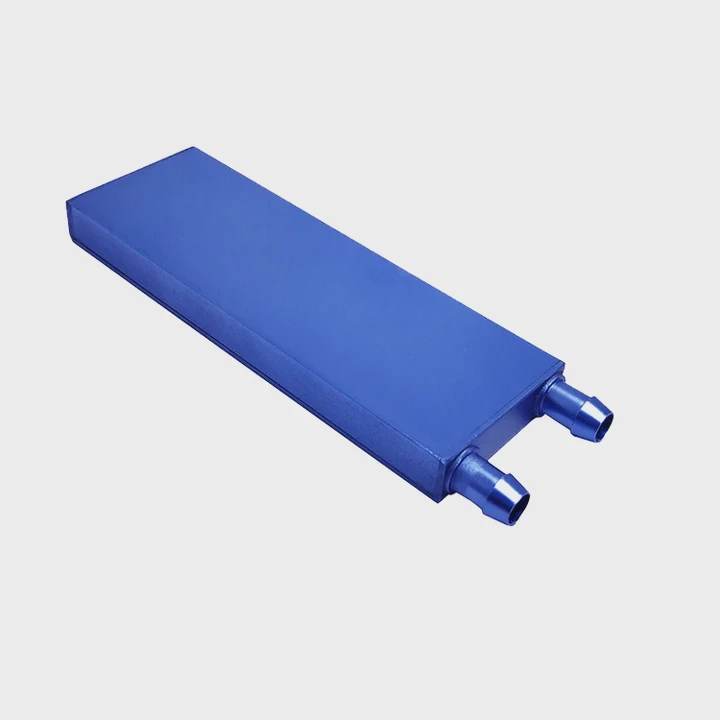
Copper alloys like brass or bronze contain other metals—zinc, tin, aluminum—that lower conductivity but improve machinability or strength.
Common copper alloys in consideration
- Brass (C26000): Contains zinc, better strength, worse conductivity.
- Bronze (C51000): Contains tin, better wear resistance, moderate conductivity.
Pros of using copper alloys
- Lower material cost
- Easier to machine or form
- Slightly stronger under pressure or bending
Downsides for vapor chambers
- Lower heat transfer: Alloys conduct heat 50–75% less efficiently.
- Chemical instability: Alloying elements may react with working fluid, corroding the chamber.
- Manufacturing issues: Harder to sinter reliably or seal during vacuum brazing.
Decision matrix
| Factor | Pure Copper | Copper Alloy |
|---|---|---|
| Thermal performance | Excellent | Fair to poor |
| Chemical compatibility | High | Medium to low |
| Mechanical strength | Moderate | High |
| Manufacturing cost | Higher | Lower |
| Recommended for | High-performance use | Low-cost, low-stress |
In low-end electronics or temporary cooling setups, copper alloys might work. But for industrial vapor chambers, pure copper remains the gold standard.
How does copper purity impact thermal conductivity?
Purity sounds like a technical detail—but it directly affects how much heat your vapor chamber can handle.
The higher the copper purity, the higher the thermal conductivity—directly improving the vapor chamber’s heat transfer performance.
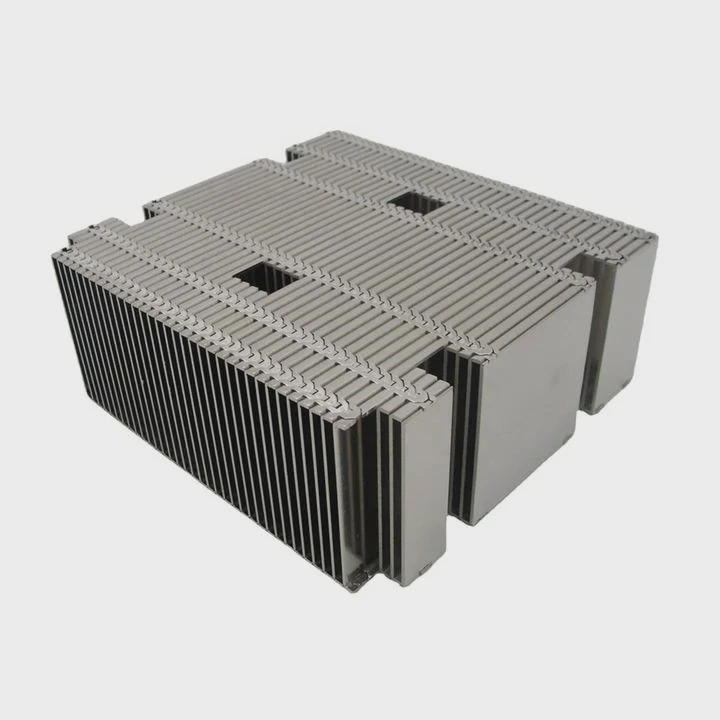
Copper’s ability to conduct heat depends on the atomic structure. Impurities disrupt this, scattering electrons and slowing down energy movement.
Purity vs. conductivity
| Copper Purity Level | Common Grade | Thermal Conductivity (W/m·K) |
|---|---|---|
| 99.999% | Ultra-pure | ~400–401 |
| 99.99% | OFHC (C10200) | ~398 |
| 99.9% | Electrolytic (C11000) | ~385 |
| <99% | Alloys | ~100–200 |
Even a 0.1% drop in purity reduces conductivity significantly.
Real-world impact
- A vapor chamber made with 99.99% copper will spread heat faster and more evenly than one using 99.9% or 98%.
- In high-heat scenarios (like power electronics), small differences in conductivity create large performance gaps.
- Lower purity can lead to hotspots, slower thermal response, and higher failure risk in long-term use.
Practical takeaways
- Always verify the material spec before sourcing vapor chambers.
- For mission-critical systems (aerospace, automotive, data centers), don’t compromise on purity.
- For high-volume consumer devices, balance purity and cost carefully.
The purer the copper, the better the vapor chamber does its job—no guesswork needed.
Conclusion
Using pure copper in vapor chambers isn’t just about technical bragging rights—it’s essential for achieving top thermal performance, reliability, and system longevity. Alloys may suit budget applications, but if thermal efficiency matters, purity pays off.
TAGS
Latest Articles

Volume discount levels for heat sink orders?
Buyers often ask when heat sink prices start to drop with volume. Many worry they’re overpaying for small orders. This guide explains how B2B volume pricing works for thermal components. Heat sink
21 Dec,2025
Heat sink long-term supply contract options?
Many buyers want stable pricing and reliable delivery for heat sinks. But without a clear contract, risks grow over time. This article explores how to secure better long-term supply deals. Long-term
21 Dec,2025
Tooling cost for new heat sink profiles?
Many engineers struggle to understand why tooling for custom heat sinks costs so much. They worry about budgeting and production timelines. This article breaks down the cost drivers behind tooling.
21 Dec,2025
Heat sink custom sample process steps?
Sometimes, starting a custom heat sink project feels overwhelming—too many steps, too many unknowns, and too many risks. You want a sample, but not endless delays. The process for requesting and
20 Dec,2025
Standard B2B terms for heat sink payments?
When buyers and sellers in B2B heat sink markets talk about payment, many don’t fully understand what’s standard. This can lead to delayed orders, miscommunication, and even lost business
20 Dec,2025
Heat sink pricing factors for large orders?
Heat sinks are vital for many systems. When prices rise, projects stall and budgets break. This problem can hit teams hard without warning. Large order heat sink pricing depends on many factors. You
20 Dec,2025Related Articles
- Standard thickness of Vapor Chamber copper plate?
- How to choose Vapor Chamber supplier?
- Custom Vapor Chamber for High Power Devices?
- Vapor Chamber design service available?
- Can Vapor Chamber improve CPU cooling performance?
- High efficiency Vapor Chamber alternative materials?
- Vapor Chamber lifetime expectation?
- Common defects in Vapor Chamber manufacturing?
- Vapor Chamber pressure leak test method?
- Vapor Chamber performance under vibration?
- Vapor Chamber for industrial robotics cooling?
- Vapor Chamber recommended brazing method?
Author
Dr. Emily Chen
Chief AI Researcher
Leading expert in thermal dynamics and AI optimization with over 15 years of experience in data center efficiency research.
Categories
Latest Products






Recommend Categories
- Liquid cooling plate Manufacturer
- Industrial Heat Sink Manufacturer
- Standard Heat Sink Manufacturer
- Aluminum Heat Sink Manufacturer
- Copper Heat Sink Manufacturer
- Anodized Heatsink Manufacturer
- Stamping heat sink Manufacturer
- Die Casting Heatsink Manufacturer
- Soldering heat sink Manufacturer
- CNC Parts Manufacturer
Latest Products
- Wholesale Aluminum Radiator
- Water Cooling Plate Kit
- Water Cooling Heat Sink
- Water Cooling Heat Sink Kit
- Stainless Steel Water Distributor
- Server Water Cooling Plate Kit
- Server Liquid Cooling System
- Server Aluminum Cooling Kit
- S19 Full Cover Cooling Plate
- S19 Cooling Plate Kit
- S19 Aluminum Cooling Plate
Contact Expert
Have questions about this article? Reach out to our experts directly.