Common defects in Vapor Chamber manufacturing?
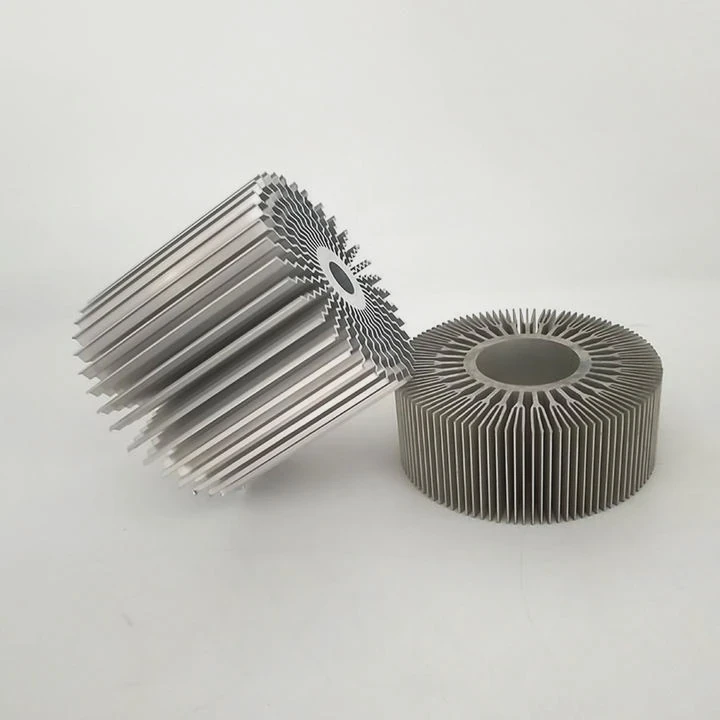
Unexpected thermal performance or early failure of vapor chambers often trace back to manufacturing defects.
Many defects arise in the sealing, wick structure, vacuum/filling process or brazing of the void chamber, and if unchecked they undermine reliability and performance.
Let’s break down the key issues.
What are typical defects in Vapor Chamber manufacturing?
Manufacturing a high‑performance vapor chamber involves precise processes, and several common defects can occur which impact performance or reliability.
Typical defects include poor sealing (leak paths), internal voids or inadequate wick structure, contamination of working fluid, improper fill or charge level, mis‑alignment of internal components and deformation of the chamber shell.
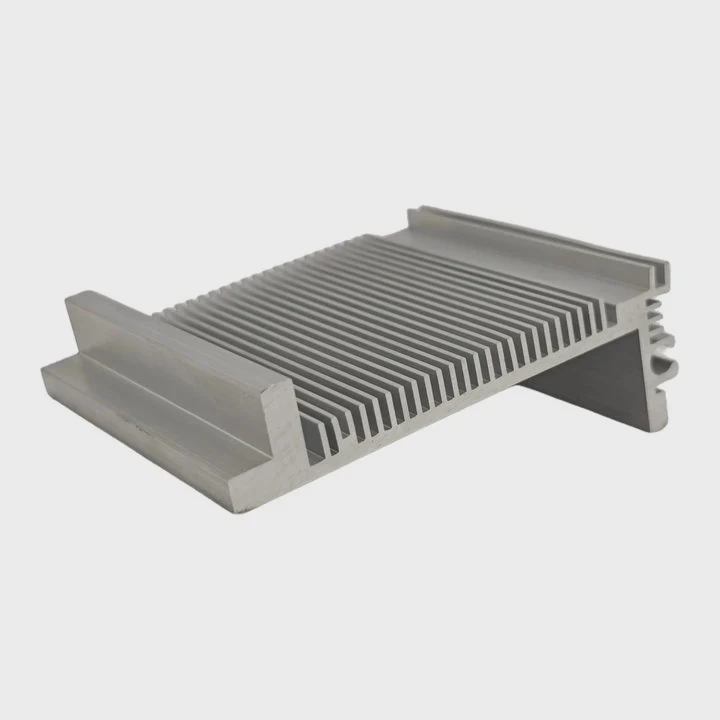
Dive deeper
When a vapor chamber is manufactured, there are multiple stages where defects can originate. Because your business deals with high‑end custom thermal solutions, being aware of these defects helps control quality.
Key defect types and causes
| Defect type | Cause | Impact |
|---|---|---|
| Seal/leak path (micro‑crack, weld gap) | Inadequate welding/brazing, material stress, handling damage | Loss of vacuum or working fluid → major performance drop |
| Internal voids or porosity | Improper sintering of wick, poor powder fill, incomplete bonding | Localised heat obstacles, reduced fluid return, uneven cooling |
| Contaminated working fluid or wick | Ingress of particles, moisture, gases during fill or sealing | Degraded two‑phase flow, erratic thermal resistance |
| Incorrect fluid charge or vacuum | Inaccurate measurement, pump error, incorrect bake‑out | Sub‑optimal performance, earlier dry‑out, inconsistent results |
| Shell deformation or damage | Crushing, excessive tool clamp, warpage during welding | Mis‑fit in module, contact resistance worse, reliability risk |
| Poor brazing quality or joint defects | Low braze filler, lack of penetration, mismatched materials | Weak joint, corrosion start‑point, possible failure under stress |
Why these defects matter
For a vapor chamber, the mechanism of heat transfer relies on a sealed enclosure, precise internal wick/fluid dynamics and a clean vacuum or low‑pressure environment. When any step is compromised, performance can drop dramatically. For example, one source notes that manufacturing quality (material, process control, sealing) directly affects lifespan and durability of vapor chambers.
As one user in a forum put it:
“What is a ‘failure’ of a vapor chamber? I thought it would be a breach of the chamber.” — highlighting that many failures start with small manufacturing faults.
Given that your company serves aerospace, rail and semiconductor markets, these defects are especially critical. Manufacturers must monitor not just final performance, but repeatability and defect‑rates across lots.
Quality control implications
- Design for manufacturability (DFM): Ensure weld/brazing specs, material compatibility, tolerances of shell deformation are defined.
- Process controls: Bake‑out, vacuum evacuation, fluid charge must have documented SOPs and traceability.
- Inspection and monitoring: Use non‑destructive testing (NDT) to detect internal voids or poor joints, measure vacuum integrity.
- Reliability screening: Thermal cycling, pressure tests and vibration/shock screening help catch latent defects before shipment.
In your context (custom vapour chambers with high reliability requirements), establishing robust defect‑detection and prevention strategies is vital to maintain performance, minimise scrap/returns and uphold brand reputation.
How to detect leaks in Vapor Chamber production?
Detecting leaks is a critical part of manufacturing quality assurance—without a proper seal the chamber cannot operate correctly.
Leak detection methods include helium tracer gas leak testing, pressure decay tests, bubble testing under fluid, vacuum hold‑time monitoring and mass spectrometry leak checks.
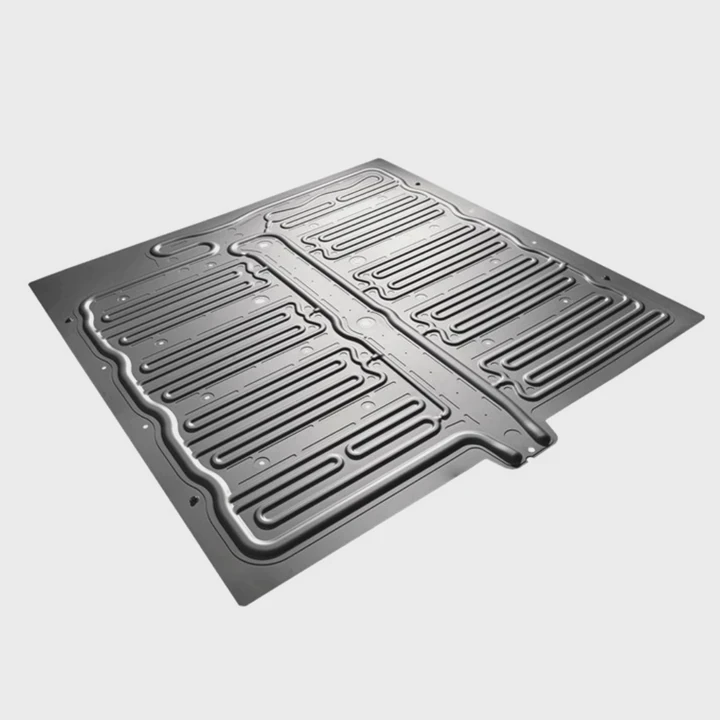
Dive deeper
Leak detection in vapor chamber manufacturing must address very small defects—micro cracks, imperfect welds or porosity can allow slow ingress of air or egress of working fluid, which may not immediately fail but degrade performance over time.
Common leak testing methods
| Method | How it works | Advantages / Limitations |
|---|---|---|
| Helium tracer gas leak detection | Fill chamber with helium (or surround with helium) and measure escape or ingress using a mass spectrometer or helium sniffer | Very sensitive; requires specialised equipment and clean environment |
| Pressure / Vacuum decay test | Evacuate or pressurise chamber and monitor pressure change over time | Simpler equipment; less sensitive to very small leaks |
| Bubble immersion or soap‑solution overlay | Pressurise with inert gas and submerge or apply soap solution to observe bubbles | Low cost but less precise; harder for micro leaks |
| Vacuum hold‑time + weigh change | Measure vacuum maintenance over time or weight change due to fluid loss/air ingress | Good for batch monitoring; may require long test time |
| Thermal / functional test under vacuum | Operate the chamber under thermal load and watch for performance deviation (indicative of vacuum loss) | Indirect method; leak may not be obvious until performance suffers |
Implementation tips
- Set a leak rate threshold appropriate for your reliability target (e.g., <10⁻⁶ mbar·L/s for highly reliable systems).
- Perform tests after fabrication, before filling with working fluid, then repeat after fluid fill and final sealing.
- Document test results and maintain lot‑traceability; use statistical trending to detect process drift.
- Combine leak test with other inspections (visual weld check, X‑ray or ultrasonic weld inspection) to catch root causes.
- For ultra‑thin chambers or complex brazed assemblies, helium leak detection is especially important because tiny defects can cause vacuum loss over thermal cycles.
Why leaks are critical in your business context
Since you supply to high‑end markets (aerospace, rail, semiconductor), even slow vacuum losses or micro leaks will reduce lifespan, uniformity of heat spread, or lead to early failure under vibration/thermal cycling. For example, one technical review states that lifespan of vapor chambers depends significantly on manufacturing quality (including seal integrity).
Using robust leak detection during manufacturing protects your brand, reduces warranty claims, and supports the “high‑reliability” positioning needed for your customers.
Can poor brazing cause Vapor Chamber failure?
Yes — poor brazing (or other joint sealing processes) is a common root cause of vapor chamber failure.
Poor brazing can introduce weak joints, voids, incomplete penetration, contamination or mismatched materials which compromise structural integrity, allow leaks, and degrade thermal performance of the vapour chamber.
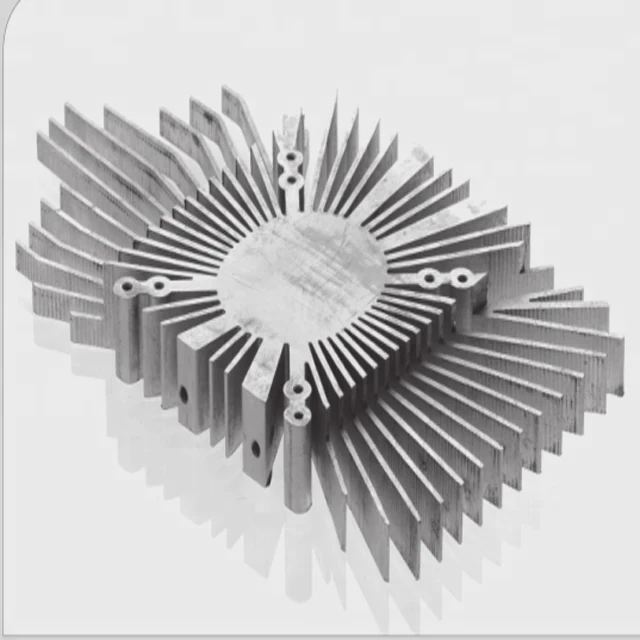
Dive deeper
Brazing or welding is often the process used to join the shell of a vapor chamber, attach ports, fill plugs or integrate portions of the laminar chamber. Given the high performance and thin profile of the chamber, brazing must be done with precision.
How poor brazing causes problems
- Incomplete joint or lack of fusion at the weld or braze, leaving micro‑gaps or cracks where fluid or vapour can escape.
- Excessive heat during brazing can damage the wick structure or sintered layer, reducing capillary action and making fluid return slower.
- Mismatched materials or improper filler alloy may cause corrosion, stress cracks or differential expansion leading to fatigue failure under thermal cycling.
- Porosity in the braze joint allows ingress of air or moisture over time, degrading performance and reducing vacuum integrity.
- Residual flux, contamination or poor cleaning post‑brazing can introduce gases or particles that interfere with the two‑phase mechanism inside the vapor chamber.
Effects on performance/reliability
If the brazed joint fails or degrades, you may observe:
- Loss of vacuum or working fluid, causing higher thermal resistance and hotspots.
- Shell distortion under internal pressure/temperature changes, reducing flatness/contact to the heat source.
- Reduced reliability under mechanical vibration, shock or thermal cycling; the joint becomes the weak link.
- Unexpected failure modes in service: bulging, explosion, fluid ejection, or gradual decline in performance.
Given your role in supplying to aerospace/semiconductor sectors, brazing quality is fundamental. The manufacturing batch must have documented process controls (temperature profile, time, filler alloy, pre‑cleaning) and inspection of joint integrity (visual, microsection, NDT).
Preventive measures
- Use qualified braze materials compatible with shell material and operational environment (temperature cycles, vibration).
- Maintain precise process control: preheating, braze temperature, purge environment (inert gas), post‑braze cleaning.
- Inspect joints by visual, microsection or non‑destructive techniques (X‑ray, ultrasonic).
- Ensure process documentation and traceability for each batch; integrate statistical process control (SPC) for joint quality.
- Design assemblies to minimise stress concentration near brazed joints; incorporate stress relief or fillets where necessary.
In short: poor brazing is a prime failure mechanism for vapor chambers—addressing it upfront ensures performance, reliability and fulfils the high‑end demands of your customer base.
Which tests identify internal structural defects?
Detecting internal structural defects—such as voids in the wick, mis‑alignment, contamination or internal deformation—is critical for ensuring that vapour chambers meet their thermal and reliability specs.
Tests for internal structural defects include X‑ray or CT inspection, ultrasonic scanning, thermal imaging under load, pressure/vacuum cycling and internal cross‑section destructive analysis for process qualification.
Dive deeper
Since many defect types inside a vapour chamber are hidden (wick damage, internal voids, mis‑fill, internal corrosion), relying solely on external inspection or performance test is risky.
Key test methods
| Test Method | Purpose | When to use |
|---|---|---|
| X‑ray / Computed Tomography (CT) | Visualise internal voids, porosity, wick structure mis‑fill or defects | During design qualification or audit |
| Ultrasonic inspection | Detect delaminations, internal cracks, bonded interface issues | Production inline or sample check |
| Thermal imaging under heat load | Reveal hot‑spots or non‑uniform thermal spread indicating internal defect | Production verification or failure analysis |
| Vacuum/pressure cycling & leak check | Stress the chamber to reveal latent defects | Reliability screening |
| Destructive cross‑section micro‑analysis | Confirm internal structure, brazed joints, wick porosity and penetration | Process development or failure root cause |
| Thermal resistance measurement | Check performance metrics (°C/W) against spec | Final production check |
Process for implementation
- During development: use X‑ray, CT and destructive analysis to verify internal structure and establish baseline internal condition.
- During production: select sample units for CT or ultrasonic inspection at defined interval to monitor for drift or defects.
- For each batch: perform thermal performance tests and leak tests to screen out units with hidden internal defects.
- For very high‑reliability applications: include thermal cycling, vibration, shock tests to accelerate latent defects and ensure long‑term reliability.
Why internal structural defects matter in your business context
In high‑end thermal management (aerospace, rail, semiconductor), internal defects can lead to early failure, degraded performance, nonuniform heat spreading and reliability issues. A defect such as a void in the wick can cause a localised hotspot or reduced capillary return—compromising the entire system. One review article on vapour chamber lifespan states that manufacturing quality (including internal structure) strongly affects durability.
By implementing robust internal defect detection and screening tests, you can reduce field failure risk and support your customers’ stringent reliability demands. This aligns perfectly with your manufacturing model (custom R&D + high‑volume production + OEM/ODM) and helps maintain your brand reputation for quality and consistent performance.
Conclusion
Manufacturing high‑performance vapor chambers is complex and fraught with potential defects—from sealing/leaks, poor brazing, internal voids to contamination and mis‑fills. Detecting leaks, ensuring brazing quality and verifying internal structure through advanced testing are critical steps in controlling quality. For suppliers serving premium markets, rigorous defect management is not optional. Ensuring each unit meets specification prevents performance drift, warranty issues and protects your reputation for reliability.
TAGS
Latest Articles

Volume discount levels for heat sink orders?
Buyers often ask when heat sink prices start to drop with volume. Many worry they’re overpaying for small orders. This guide explains how B2B volume pricing works for thermal components. Heat sink
21 Dec,2025
Heat sink long-term supply contract options?
Many buyers want stable pricing and reliable delivery for heat sinks. But without a clear contract, risks grow over time. This article explores how to secure better long-term supply deals. Long-term
21 Dec,2025
Tooling cost for new heat sink profiles?
Many engineers struggle to understand why tooling for custom heat sinks costs so much. They worry about budgeting and production timelines. This article breaks down the cost drivers behind tooling.
21 Dec,2025
Heat sink custom sample process steps?
Sometimes, starting a custom heat sink project feels overwhelming—too many steps, too many unknowns, and too many risks. You want a sample, but not endless delays. The process for requesting and
20 Dec,2025
Standard B2B terms for heat sink payments?
When buyers and sellers in B2B heat sink markets talk about payment, many don’t fully understand what’s standard. This can lead to delayed orders, miscommunication, and even lost business
20 Dec,2025
Heat sink pricing factors for large orders?
Heat sinks are vital for many systems. When prices rise, projects stall and budgets break. This problem can hit teams hard without warning. Large order heat sink pricing depends on many factors. You
20 Dec,2025Related Articles
- Vapor Chamber lifetime expectation?
- Should Vapor Chamber use pure copper?
- Standard thickness of Vapor Chamber copper plate?
- How to choose Vapor Chamber supplier?
- Custom Vapor Chamber for High Power Devices?
- Vapor Chamber design service available?
- Vapor Chamber pressure leak test method?
- Vapor Chamber performance under vibration?
- Vapor Chamber for industrial robotics cooling?
- Vapor Chamber recommended brazing method?
- Vapor Chamber Quality Traceability System?
- Vapor Chamber RoHS documentation sample?
Author
Dr. Emily Chen
Chief AI Researcher
Leading expert in thermal dynamics and AI optimization with over 15 years of experience in data center efficiency research.
Categories
Latest Products






Recommend Categories
- Liquid cooling plate Manufacturer
- Industrial Heat Sink Manufacturer
- Standard Heat Sink Manufacturer
- Aluminum Heat Sink Manufacturer
- Copper Heat Sink Manufacturer
- Anodized Heatsink Manufacturer
- Stamping heat sink Manufacturer
- Die Casting Heatsink Manufacturer
- Soldering heat sink Manufacturer
- CNC Parts Manufacturer
Latest Products
- Wholesale Aluminum Radiator
- Water Cooling Plate Kit
- Water Cooling Heat Sink
- Water Cooling Heat Sink Kit
- Stainless Steel Water Distributor
- Server Water Cooling Plate Kit
- Server Liquid Cooling System
- Server Aluminum Cooling Kit
- S19 Full Cover Cooling Plate
- S19 Cooling Plate Kit
- S19 Aluminum Cooling Plate
Contact Expert
Have questions about this article? Reach out to our experts directly.