How to choose Vapor Chamber supplier?
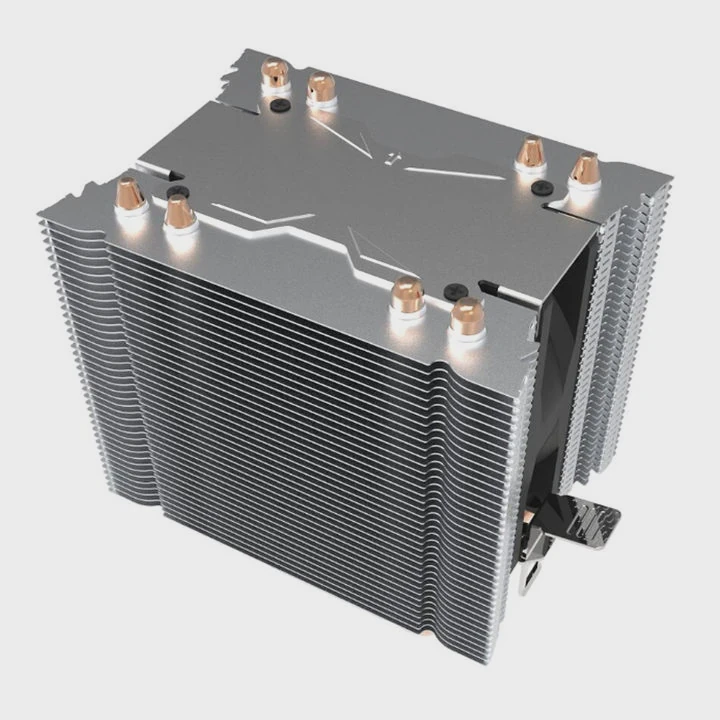
Buying from the wrong supplier can cost time, money and reliability.
Choosing the right vapor‑chamber supplier is key to ensuring performance, quality, delivery and long‑term partnership success.
Let’s walk through how to pick wisely.
What factors matter when selecting a Vapor Chamber supplier?
Concerned about hidden risks and poor outcomes? They often stem from overlooked supplier factors.
Critical factors include: supplier experience in vapor‑chamber manufacturing, material and process control, quality systems, tooling and test capabilities, delivery reliability, and after‑sales support.
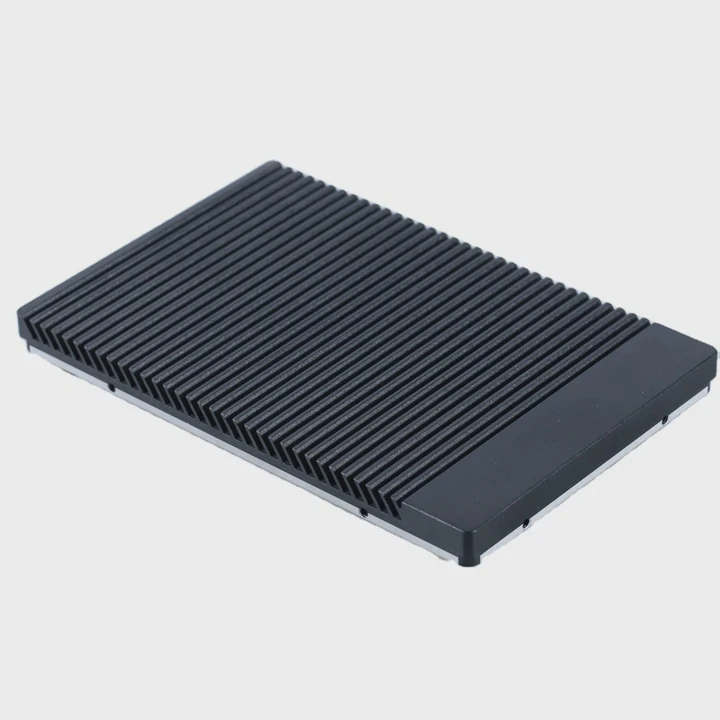
When sourcing vapor chambers, price alone isn’t enough. Key dimensions to evaluate include:
Experience and technical background
- Prior experience in vapor chamber production is crucial. Look for suppliers with proven track records in your industry.
- Ask for case studies or photos of past work, especially for similar applications like EV cooling or aerospace electronics.
Manufacturing process and equipment
- Vapor chambers require advanced processes: vacuum brazing, sintered wicks, vacuum sealing, and thermal testing.
- Check if the supplier has in-house equipment for leak tests, flatness measurement, and performance validation.
Material sourcing and quality control
- Materials like copper or aluminum alloys, and the working fluid, must be high-grade and traceable.
- Suppliers should offer documentation for batch tracking, input inspection, and testing processes.
Capacity and flexibility
- Confirm their monthly output and lead times. Can they handle large or small batches? Can they respond to design changes?
- Ask about their tooling setup and ability to scale if your demand increases.
Documentation and compliance
- Good suppliers provide reports: thermal resistance, leakage tests, material certificates, and reliability data.
- Evaluate their system for managing revisions, part numbers, and conformity to your standards.
Communication and support
- Strong communication ensures fewer errors during design and production.
- Find out their response time, language fluency, and readiness to hold meetings or calls.
Total value, not just cost
- Don’t base your decision only on price. Consider risks, warranty, support, delivery consistency, and how much rework or system downtime poor products could cost.
By comparing these areas, you’ll identify suppliers who align with your technical needs and business goals.
Should certifications influence supplier selection?
Worried certifications are just “nice to have”? They matter a lot for serious parts.
Yes — certifications matter significantly when selecting a vapor‑chamber supplier because they provide assurance around quality systems, process consistency and compliance with industry requirements.
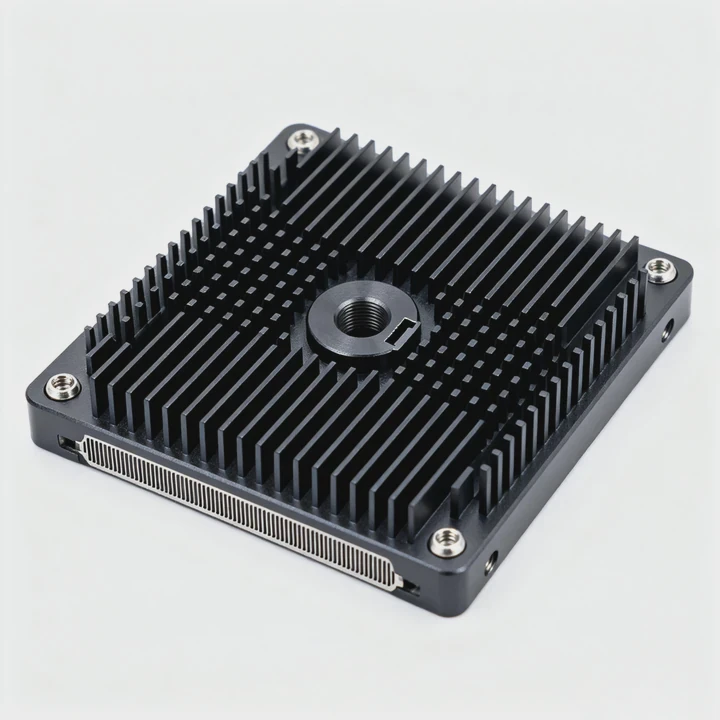
Here’s why certifications help:
Quality assurance
- Certifications like ISO 9001 or IATF 16949 mean the supplier follows documented processes and regular audits.
- These reduce defects, improve consistency, and help with traceability and accountability.
Industry compliance
- For rail, automotive, or aerospace, specific certificates (e.g., EN15085, DIN6701) may be required.
- Certified suppliers are more likely to pass your own audits and meet regulatory demands.
Better systems and records
- Certified suppliers usually maintain thorough documentation, from incoming material checks to outgoing test reports.
- This helps you verify product quality and investigate issues if they arise.
How to verify:
- Always check if certificates are valid and cover the actual production site.
- Ask for examples of how their systems manage non-conformity, testing, and product changes.
Certifications don’t guarantee perfection—but they show a strong foundation for reliability and control.
How to compare Vapor Chamber manufacturing capabilities?
You have several suppliers; now you need to compare their manufacturing capabilities to pick the best.
You should compare capabilities such as engineering/design support, prototyping capability, process and test equipment, production capacity, tolerance control, and previous product portfolio.
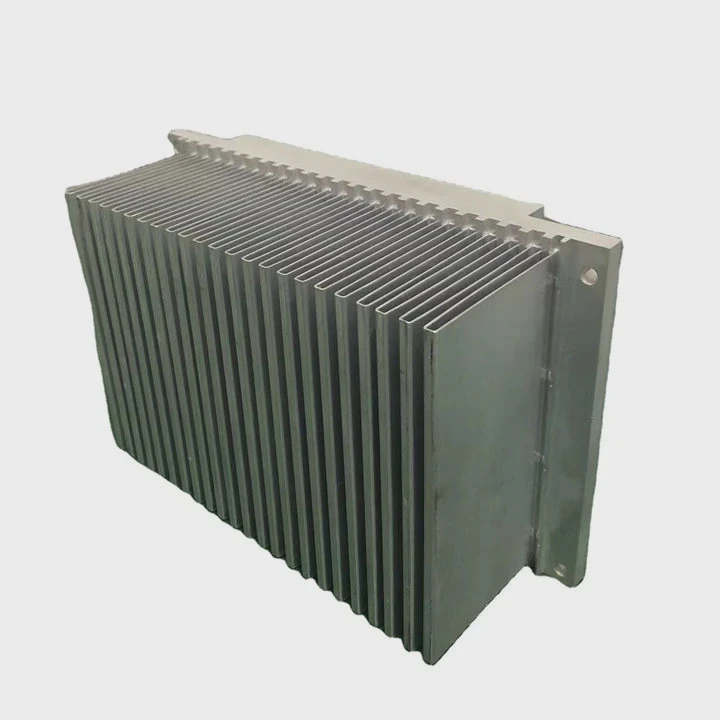
Areas to compare:
Engineering and design support
- Does the supplier assist with simulation, heat transfer modeling, and CAD files?
- Do they offer help in optimizing thermal paths or mounting structures?
In-house process capabilities
- Vapor chambers require precision: brazing ovens, leak testers, thickness gauges, and thermal performance tools.
- Ask if they have dedicated lines or share with other products.
Tolerance and performance
- For high-end systems, flatness and thermal resistance are critical.
- Request samples and test data to verify their control level.
Scalability and delivery
- What is their monthly production capacity?
- How do they handle urgent orders, delays, or raw material shortages?
Quality management
- Ask about first article inspection (FAI), in-process checks, and final release testing.
- Do they offer failure analysis if issues occur?
Product portfolio and past clients
- Review their existing vapor chamber sizes, applications served, and customer base.
- A history of similar projects is a strong signal.
Example scoring table:
| Capability | Supplier A | Supplier B | Supplier C |
|---|---|---|---|
| Design Support | High | Medium | High |
| Brazing/Test Equipment | Yes | Limited | Yes |
| Monthly Output | 100,000 | 30,000 | 50,000 |
| Flatness Control (<0.1mm) | Yes | No | Yes |
| Thermal Simulation Support | Yes | No | Partial |
Use such a table to rank suppliers by importance to your specific needs.
Is it better to choose a local or overseas supplier?
Should you pick a supplier closer to home or overseas? The answer depends on your priorities.
Neither is universally better. The choice between local‑vs‑overseas supplier depends on trade‑offs: cost, lead time, communication, logistics, risk, and strategic alignment.
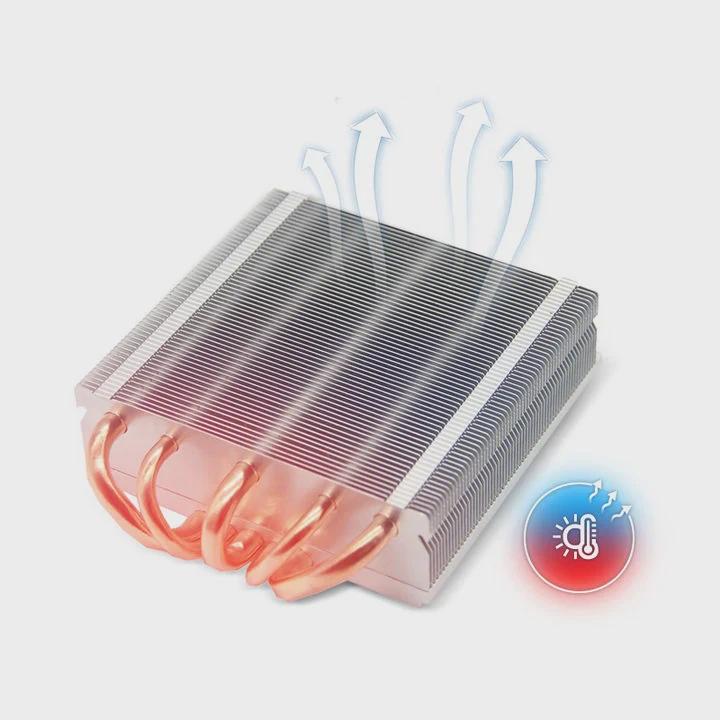
Pros of local suppliers:
- Faster communication, especially for urgent changes or issues.
- Shorter shipping times and simpler logistics.
- Easier to visit, audit, and validate.
Pros of overseas suppliers:
- Often lower production costs.
- Access to specialized processes and skilled thermal manufacturing hubs.
- May have larger production capacity or more experience.
Risks and trade-offs:
| Factor | Local Supplier | Overseas Supplier |
|---|---|---|
| Cost | Higher per unit | Lower per unit |
| Lead time | Shorter | Longer, with transit |
| Communication | Easier (same time zone) | May involve time/language |
| IP control | Easier to enforce | Needs legal clarity |
| Technical ability | May be limited | Often more experienced |
| Volume flexibility | Better for small runs | Better for large runs |
How to choose:
- If you need fast sampling and close collaboration, local is helpful.
- If your volumes are high and designs stable, overseas suppliers may offer better cost-performance.
- A hybrid model (local for prototyping, overseas for production) can combine the best of both worlds.
Conclusion
Choosing the right vapor chamber supplier means balancing technical capability, certifications, service, and cost. Certifications show quality control. Comparing manufacturing processes helps you avoid surprises. And the choice between local and overseas should match your volume, timeline, and risk comfort. With clear criteria and data, you can pick a supplier that drives performance—not just delivers parts.
TAGS
Latest Articles

Volume discount levels for heat sink orders?
Buyers often ask when heat sink prices start to drop with volume. Many worry they’re overpaying for small orders. This guide explains how B2B volume pricing works for thermal components. Heat sink
21 Dec,2025
Heat sink long-term supply contract options?
Many buyers want stable pricing and reliable delivery for heat sinks. But without a clear contract, risks grow over time. This article explores how to secure better long-term supply deals. Long-term
21 Dec,2025
Tooling cost for new heat sink profiles?
Many engineers struggle to understand why tooling for custom heat sinks costs so much. They worry about budgeting and production timelines. This article breaks down the cost drivers behind tooling.
21 Dec,2025
Heat sink custom sample process steps?
Sometimes, starting a custom heat sink project feels overwhelming—too many steps, too many unknowns, and too many risks. You want a sample, but not endless delays. The process for requesting and
20 Dec,2025
Standard B2B terms for heat sink payments?
When buyers and sellers in B2B heat sink markets talk about payment, many don’t fully understand what’s standard. This can lead to delayed orders, miscommunication, and even lost business
20 Dec,2025
Heat sink pricing factors for large orders?
Heat sinks are vital for many systems. When prices rise, projects stall and budgets break. This problem can hit teams hard without warning. Large order heat sink pricing depends on many factors. You
20 Dec,2025Related Articles
- Custom Vapor Chamber for High Power Devices?
- Vapor Chamber design service available?
- Can Vapor Chamber improve CPU cooling performance?
- High efficiency Vapor Chamber alternative materials?
- Future demand for Vapor Chamber in EV sector?
- Cost comparison of Vapor Chamber and heat pipe?
- Standard thickness of Vapor Chamber copper plate?
- Should Vapor Chamber use pure copper?
- Vapor Chamber lifetime expectation?
- Common defects in Vapor Chamber manufacturing?
- Vapor Chamber pressure leak test method?
- Vapor Chamber performance under vibration?
Author
Dr. Emily Chen
Chief AI Researcher
Leading expert in thermal dynamics and AI optimization with over 15 years of experience in data center efficiency research.
Categories
Latest Products






Recommend Categories
- Liquid cooling plate Manufacturer
- Industrial Heat Sink Manufacturer
- Standard Heat Sink Manufacturer
- Aluminum Heat Sink Manufacturer
- Copper Heat Sink Manufacturer
- Anodized Heatsink Manufacturer
- Stamping heat sink Manufacturer
- Die Casting Heatsink Manufacturer
- Soldering heat sink Manufacturer
- CNC Parts Manufacturer
Latest Products
- Wholesale Aluminum Radiator
- Water Cooling Plate Kit
- Water Cooling Heat Sink
- Water Cooling Heat Sink Kit
- Stainless Steel Water Distributor
- Server Water Cooling Plate Kit
- Server Liquid Cooling System
- Server Aluminum Cooling Kit
- S19 Full Cover Cooling Plate
- S19 Cooling Plate Kit
- S19 Aluminum Cooling Plate
Contact Expert
Have questions about this article? Reach out to our experts directly.