blogs
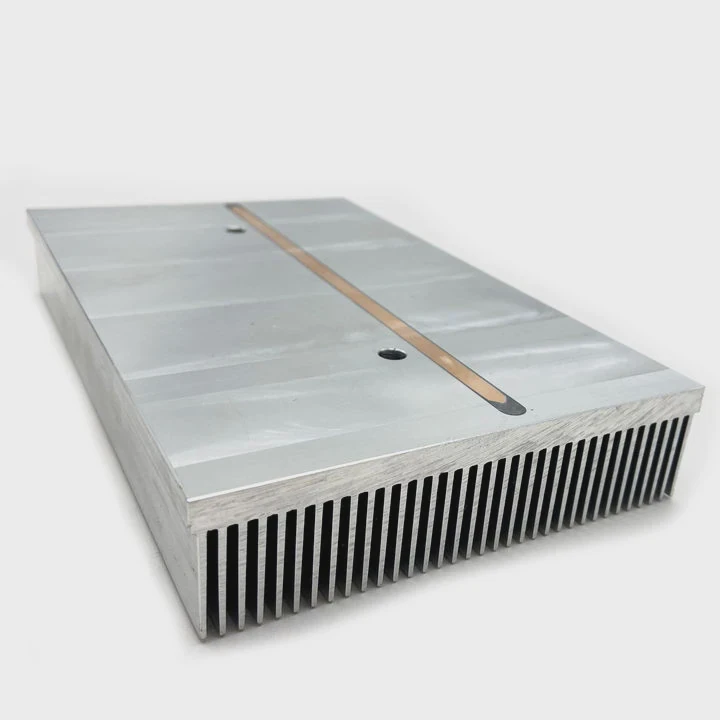
Vapor Chamber real heat transfer limits?
Vapor chambers can spread and move heat fast — but they are not unlimited. If pushed too hard, they hit real physical and design limits. A vapor chamber’s heat‑transfer limit depends heavily on wick
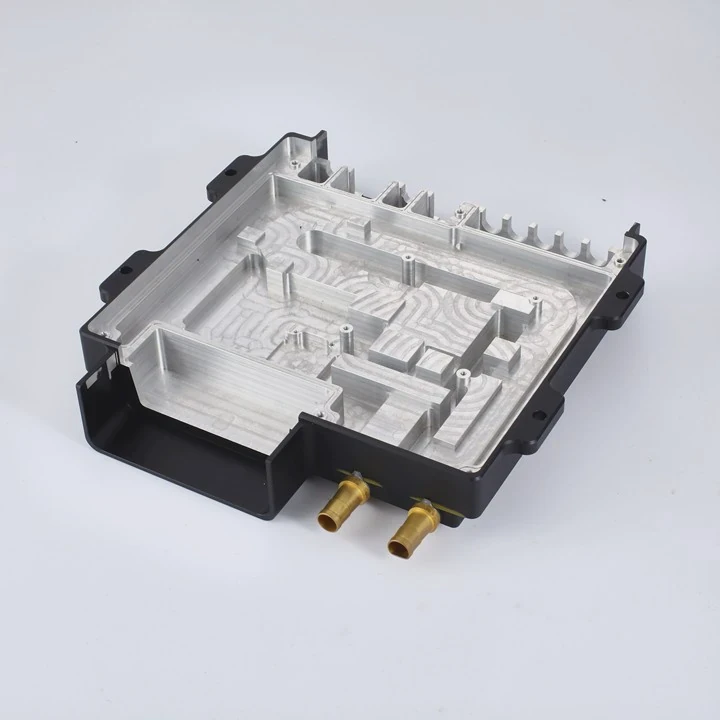
Can Vapor Chamber sustain impact loads?
Electronic devices use vapor chambers for high-efficiency heat spreading. But how well do they hold up to shock, drops, or impact? They’re thermally advanced — but mechanically vulnerable.
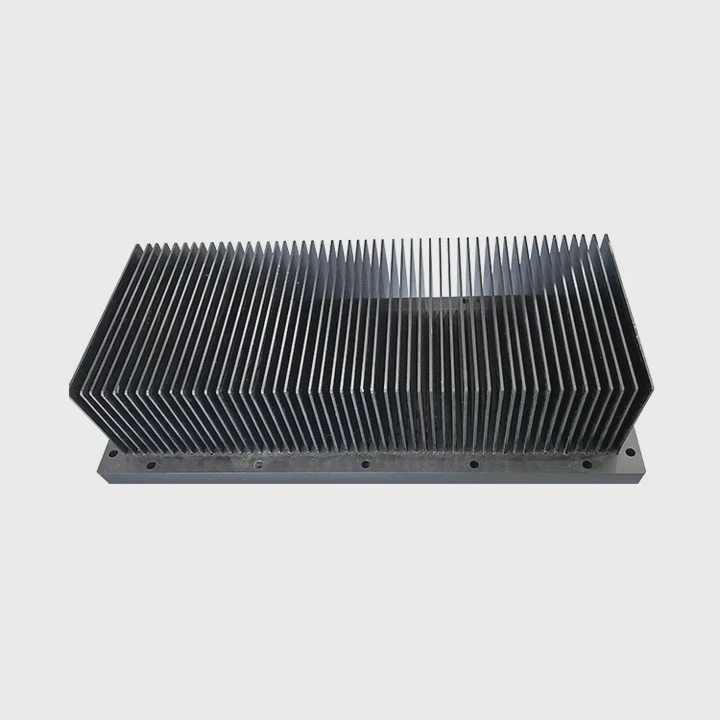
Vapor Chamber usage in industrial transformers?
Transformers generate intense heat during operation. Managing that heat is vital for reliability and safety. Traditional cooling methods dominate — but could vapor chambers offer a better solution?
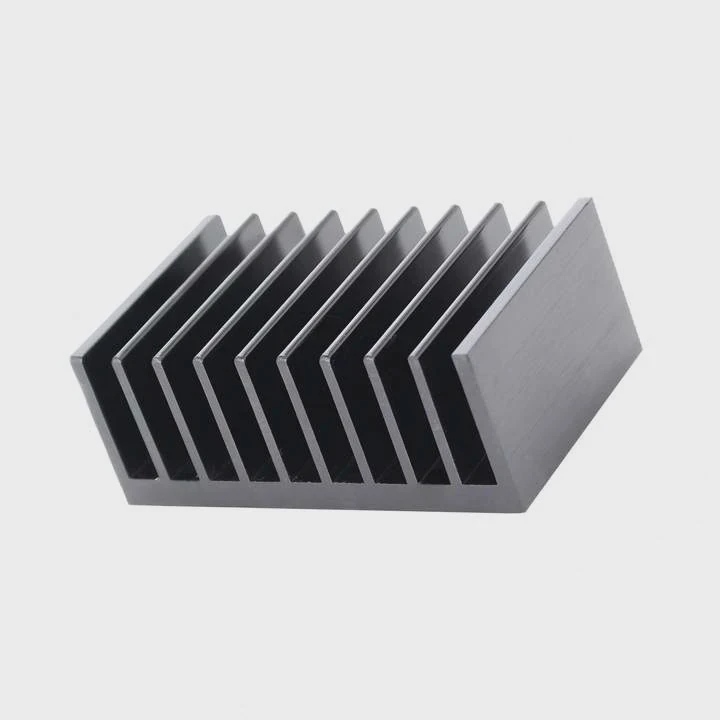
Does Vapor Chamber need EMI shielding?
Many engineers ask whether a vapor chamber needs EMI shielding. It’s a passive thermal part — but it’s often mounted close to sensitive electronics. So, should it be shielded? No, vapor
Can Vapor Chamber be used vertically?
Many engineers ask if vapor chambers work the same way when mounted vertically. Misunderstanding this may lead to reduced cooling or even failure in real applications. Yes — vapor chambers can
How to detect Vapor Chamber micro leaks?
Vapor chambers must maintain a sealed environment to work correctly. Even the smallest micro-leak can reduce vacuum pressure or cause fluid loss, damaging performance over time. High-sensitivity
Vapor Chamber drying method after cleaning?
Cleaning removes dirt, but drying seals performance. Many vapor chambers fail not from design, but from hidden moisture left after cleaning. That moisture becomes a silent threat. Vacuum drying,

Does Vapor Chamber need RoHS reports?
RoHS compliance is no longer optional in global electronics. For components like vapor chambers, buyers often ask: is a RoHS report required? Yes, if a vapor chamber is part of an electrical or
Vapor Chamber lifecycle management guide
Electronics cooling parts degrade over time. Without lifecycle planning, vapor chambers risk performance loss or sudden failure. A lifecycle guide helps avoid surprises and extend service life. A
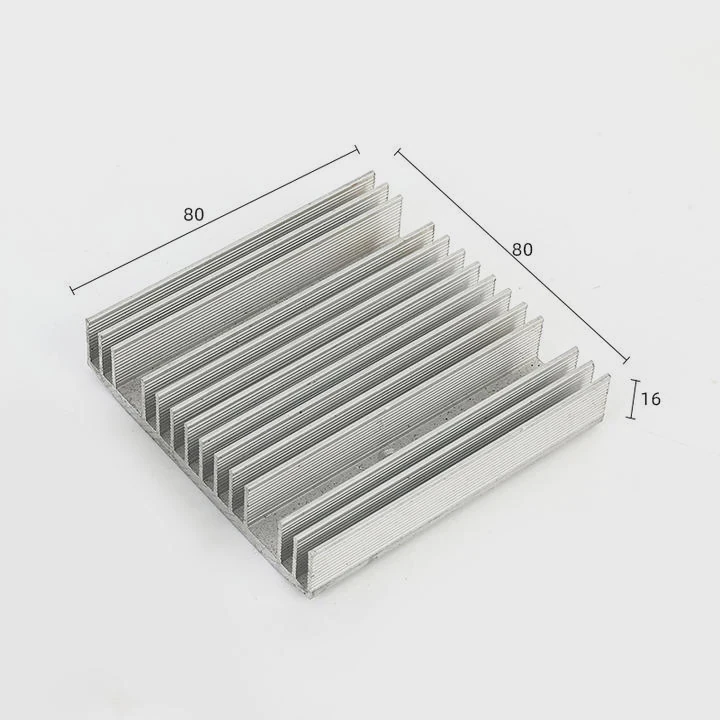
Can Vapor Chamber be made from stainless steel?
Copper dominates vapor chamber design. But some engineers wonder — can we use stainless steel instead? It’s stronger, corrosion-resistant, and matches some system enclosures. But thermal performance
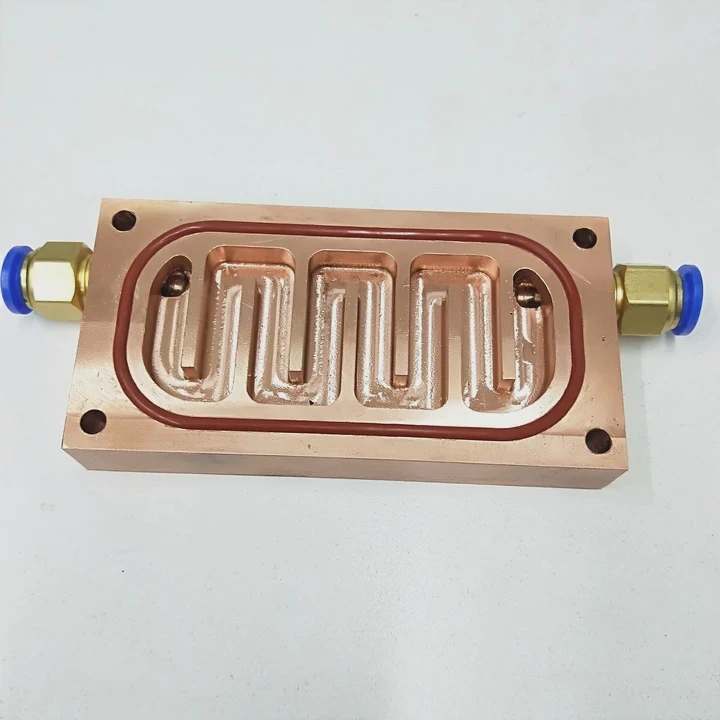
Does Vapor Chamber require cleanroom assembly?
Manufacturing a vapor chamber involves precise sealing, wick installation, and fluid filling. Dust or particle contamination can undermine internal capillary action and fluid cycling. Yes — vapor
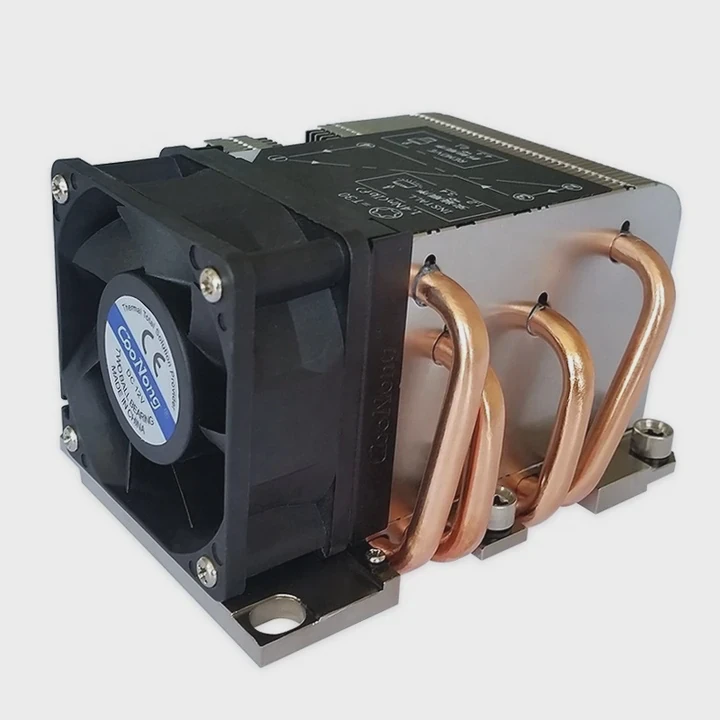
Vapor Chamber quality requirements for export?
Exporting vapor chambers is not just about making parts — it is about meeting global quality expectations. To export vapor chambers successfully, quality standards, environmental compliance,

How to source high precision Vapor Chamber?
When you need a top‑tier vapor chamber, it’s easy to pick a supplier wrong and waste time and money. You can source high‑precision vapor chambers by carefully vetting suppliers, verifying
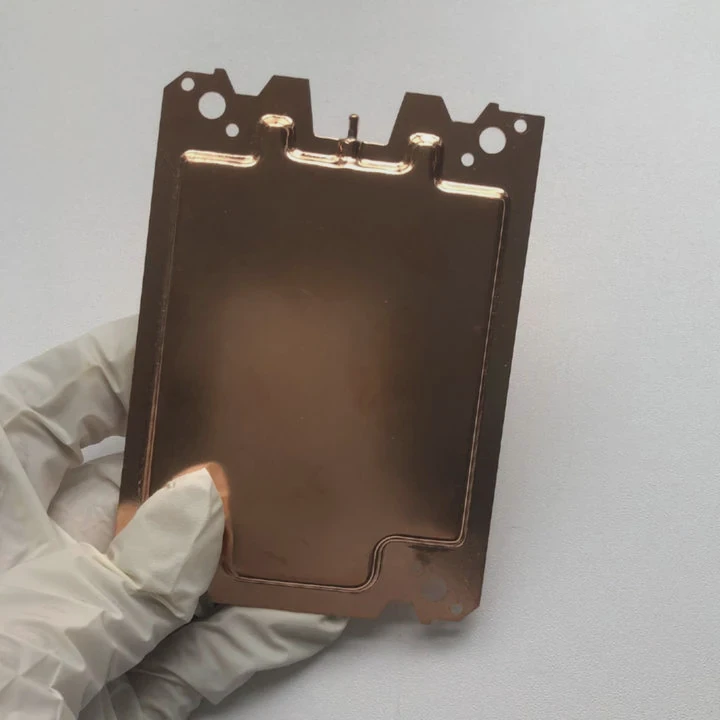
Vapor Chamber machining lubrication options?
Machining a vapor chamber requires more than sharp tools — the lubricant you use could impact vacuum integrity or long-term reliability. Only vacuum-compatible or low-outgassing lubricants should be
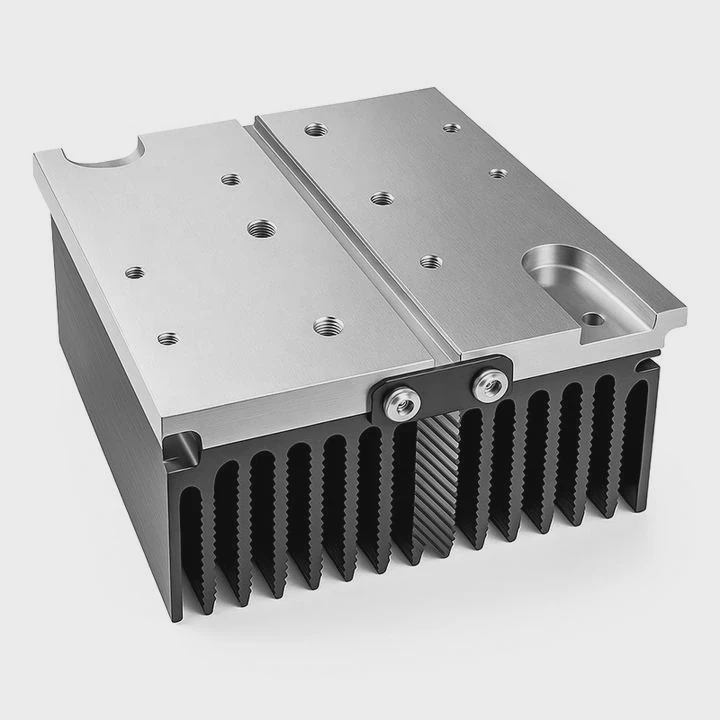
Recommended inspection tools for Vapor Chamber?
Even minor defects in a vapor chamber can lead to serious failures in heat transfer systems. Poor sealing, uneven surfaces, or internal leaks are invisible to the eye. A reliable vapor chamber
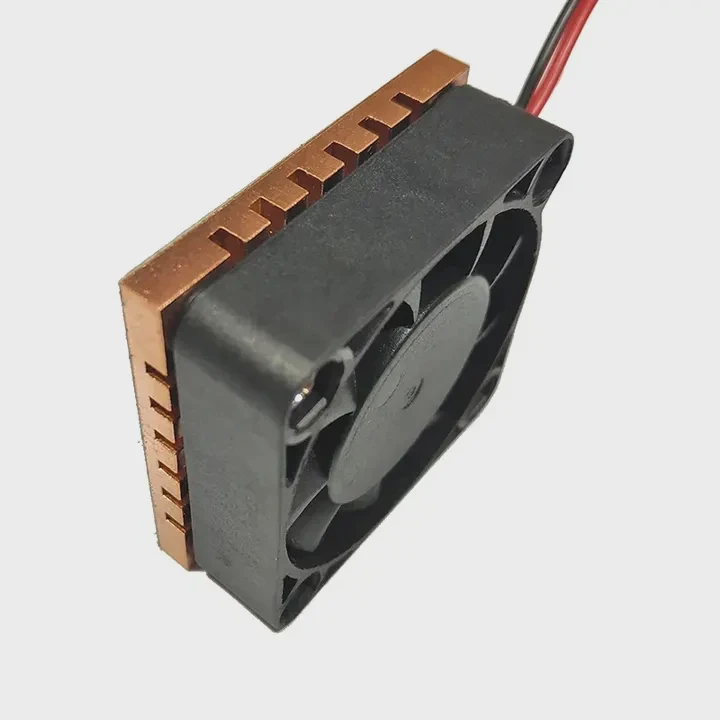
Vapor Chamber material selection guidelines
Selecting the right material for a vapor chamber is a critical step that impacts thermal performance, mechanical durability, production cost, and compatibility with the system environment. The best