Vapor Chamber quality requirements for export?
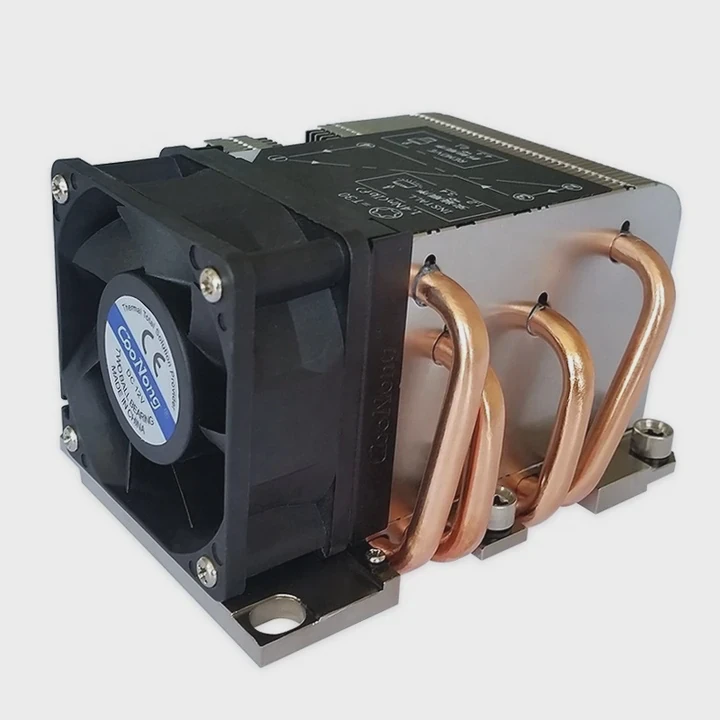
Exporting vapor chambers is not just about making parts — it is about meeting global quality expectations.
To export vapor chambers successfully, quality standards, environmental compliance, documentation, and packaging rules must be followed depending on the destination market.
Buyers will check more than performance. They will examine traceability, reliability, compliance and reporting. A vapor chamber must prove it is export-ready.
What quality standards apply for exporting Vapor Chambers?
Export products must deliver stable quality that remains consistent across every shipment. Quality is not only performance — it is proof and control.
Exporting vapor chambers requires controlled production, traceability, weld and vacuum reliability checks, and documentation that shows stable quality over time.
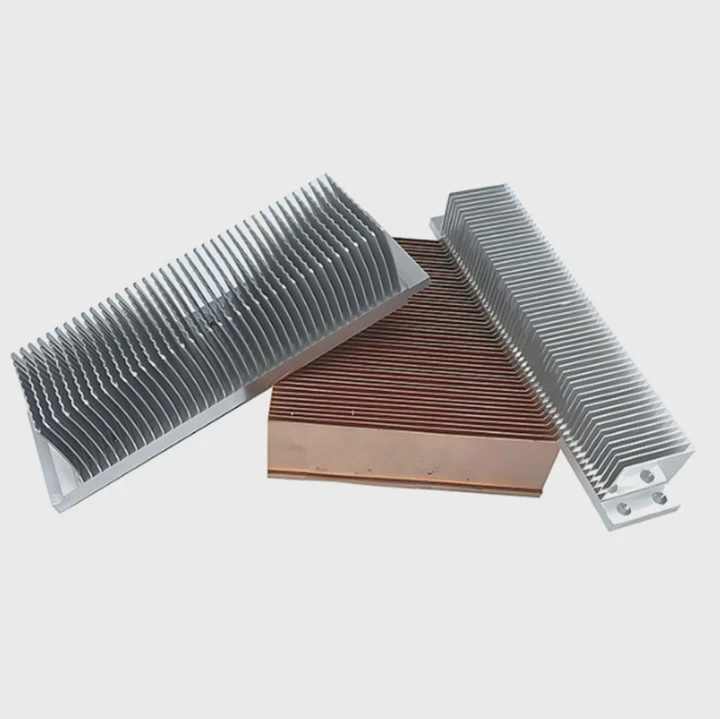
Customers overseas expect that each vapor chamber performs like the sample or drawings. So before selling internationally, a production system needs an organized quality framework. That includes inspection standards for flatness, leak tests on sealed structures, and records of how each batch was built. Without this system, consistency is hard to prove.
Buyers often request manufacturing process documents and quality-control evidence. They want to know that vacuum sealing zones are tested and welds are stable. This helps them reduce risk in their own assembly lines. Exporters should prepare clear QC reports and inspection data for every batch.
Quality also means material stability. Materials used for the top cover, bottom cover, and wick structure must keep reliable mechanical strength and thermal conductivity. If different batches use different materials without notice, performance changes, and buyers lose trust.
Example export quality control elements
| Category | What buyers expect |
|---|---|
| Batch consistency | Same specs, same tolerance, documented QC results |
| Vacuum sealing quality | Leak tests, weld soundness inspection |
| Material traceability | Raw material source and content records |
| Process details | Photos, test reports, measurement sheets |
| Repeatability | Stable performance across yearly shipments |
Additional QC practices often used
- Flatness inspection
- Thickness and cavity uniformity checks
- Weld seam x-ray or helium leak test
- Surface cleaning status
- Certified process parameters
All these standards allow buyers to integrate vapor chambers without fear of failure and maintain confidence in longer supply chain cooperation.
Are RoHS, REACH or CE certificates necessary?
Companies often ask which certifications are needed before export. That depends on use case and final product classification.
RoHS and REACH declarations are often required for EU-related exports, while CE marking depends on whether the vapor chamber is part of a regulated final assembly.
RoHS controls hazardous substances in electrical products. Vapor chambers are passive parts, yet most customers using them inside electronic equipment will request RoHS compliance. Even if not legally mandatory for the chamber itself, material declarations and restricted substance reports are valuable.
REACH focuses on chemical substances and safety. It asks for information about dangerous materials used or produced during manufacturing. Exporters using coatings, fluxes, or adhesives should confirm if any listed substances are above threshold levels. Providing declarations helps customers prove their final product is safe.
CE marking works differently. CE is applied to final products entering the EU market, not always individual components. A vapor chamber alone usually does not carry CE. But if the final device needs CE marking, suppliers must provide documentation — not a CE mark — to support system-level compliance.
Typical certification requirements based on application
| Usage Scenario | Certifications Likely Needed |
|---|---|
| Bare component sold for B2B integration | RoHS / REACH declaration often requested |
| Part of electronics device | Must support CE documentation for final unit |
| Industrial equipment or power systems | Might need CE reports & safety material data |
| Non-EU market with basic requirements | Material sheet + batch QC report is enough |
Certification is not a one-time task. Records must stay updated because regulations change. Providing clear material declarations and production documents reduces customer hesitation.
Do export markets require special documentation for Vapor Chambers?
Export buyers do not only want the part — they want proof it meets standards. That means documentation must be included with the shipment.
Yes — buyers often require material declarations, test reports, technical datasheets, and batch history records to support internal inspections and regulatory compliance.
Documentation improves trust. It allows foreign buyers to integrate the vapor chamber into a certified product without delays. Missing documents may cause shipping delays or force re-testing.
Documents often requested include:
- Material declaration (metal composition, coating content)
- RoHS / REACH compliance sheet
- Technical drawing with tolerances and dimensions
- QC results for vacuum leakage and flatness
- Batch number and traceability file
- Handling and storage guide
Engineers need accurate drawings to design contact interfaces. Purchasers need quality reports to handle customs and audits. Warehouse staff need product marking to organize stock and track batches.
Example export documentation package
| Document Type | Purpose |
|---|---|
| Technical drawing | Guides mechanical integration |
| Leak test report | Shows vacuum sealing reliability |
| Material composition doc | Helps RoHS, REACH, CE, and auditing processes |
| Batch and trace records | Enables tracking and warranty support |
| Handling instructions | Prevents damage during storage and assembly |
Some customers will only confirm orders after reviewing these documents. That shows the importance of documentation in export quality.
Are packaging and marking standards part of export quality?
Often overlooked, packaging and labeling are essential parts of quality. A good product can arrive damaged if packaging is weak.
Yes — export quality also includes safe packaging, clear labeling, protective materials, and correct documentation for shipping and storage.
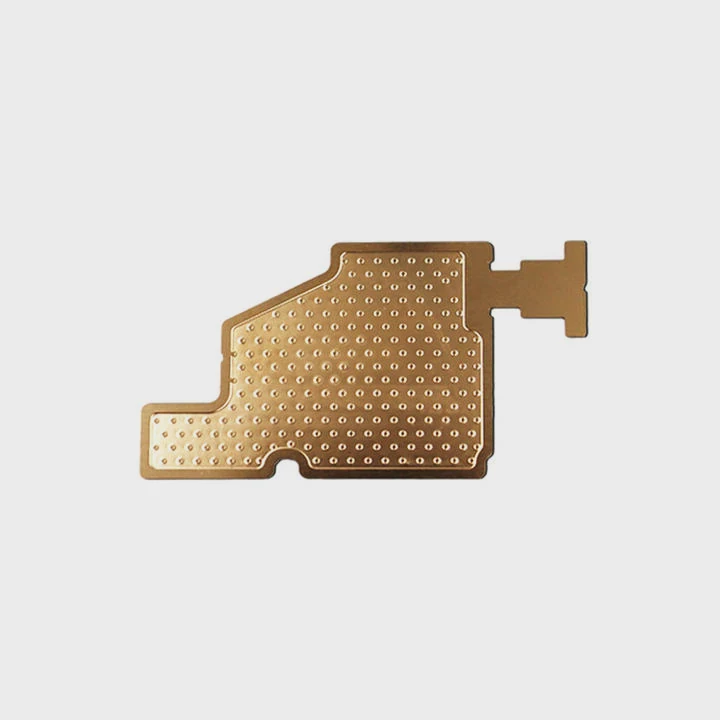
Packaging must protect vapor chambers from mechanical shock, moisture, dust or corrosion. Because the internal cavity and wick structure are sensitive, sharp impact or contamination may cause invisible performance loss. Export packaging often includes anti-static materials, sealed bags, foam layers and rigid outer cartons.
Marking is also key. Export shipments usually need:
- Part number and item name
- Batch number
- Manufacturing date
- Quantity per box
- Country of origin
- Storage conditions
- Fragile or orientation labels
These marks help customs and warehouses sort products. Many customers also require shipping documents attached to each carton for traceability.
Typical packing and marking checklist
| Requirement | Purpose |
|---|---|
| Moisture-proof packaging | Protects inner cavity and wick |
| Impact prevention | Prevents weld distortion and leakage |
| Labeling with lot info | Enables inventory and tracking |
| Sealed documentation | Supports customs and audit compliance |
| Export carton standards | Prevents shipping damage |
For high-value orders, some companies add humidity indicator cards or vacuum-sealed packaging. For harsh climates, corrosion-resistant wrapping is also used. Marking and packaging strongly affect how buyers judge supplier quality.
Conclusion
High export quality for vapor chambers means more than thermal performance. It includes controlled manufacturing, chemical safety declarations, full documentation support, and strong packaging with correct labeling. RoHS, REACH and CE may not always be mandatory, but providing compliant materials and clear paperwork helps build trust and simplifies global market entry. A consistent export process can turn a thermal component into a reliable international product.
TAGS
Latest Articles

Volume discount levels for heat sink orders?
Buyers often ask when heat sink prices start to drop with volume. Many worry they’re overpaying for small orders. This guide explains how B2B volume pricing works for thermal components. Heat sink
21 Dec,2025
Heat sink long-term supply contract options?
Many buyers want stable pricing and reliable delivery for heat sinks. But without a clear contract, risks grow over time. This article explores how to secure better long-term supply deals. Long-term
21 Dec,2025
Tooling cost for new heat sink profiles?
Many engineers struggle to understand why tooling for custom heat sinks costs so much. They worry about budgeting and production timelines. This article breaks down the cost drivers behind tooling.
21 Dec,2025
Heat sink custom sample process steps?
Sometimes, starting a custom heat sink project feels overwhelming—too many steps, too many unknowns, and too many risks. You want a sample, but not endless delays. The process for requesting and
20 Dec,2025
Standard B2B terms for heat sink payments?
When buyers and sellers in B2B heat sink markets talk about payment, many don’t fully understand what’s standard. This can lead to delayed orders, miscommunication, and even lost business
20 Dec,2025
Heat sink pricing factors for large orders?
Heat sinks are vital for many systems. When prices rise, projects stall and budgets break. This problem can hit teams hard without warning. Large order heat sink pricing depends on many factors. You
20 Dec,2025Related Articles
- How to source high precision Vapor Chamber?
- Vapor Chamber machining lubrication options?
- Recommended inspection tools for Vapor Chamber?
- Vapor Chamber material selection guidelines
- Which industries demand Vapor Chamber most?
- Vapor Chamber for telecom cooling racks
- Does Vapor Chamber require cleanroom assembly?
- Can Vapor Chamber be made from stainless steel?
- Vapor Chamber lifecycle management guide
- Does Vapor Chamber need RoHS reports?
- Vapor Chamber drying method after cleaning?
- How to detect Vapor Chamber micro leaks?
Author
Dr. Emily Chen
Chief AI Researcher
Leading expert in thermal dynamics and AI optimization with over 15 years of experience in data center efficiency research.
Categories
Latest Products






Recommend Categories
- Liquid cooling plate Manufacturer
- Industrial Heat Sink Manufacturer
- Standard Heat Sink Manufacturer
- Aluminum Heat Sink Manufacturer
- Copper Heat Sink Manufacturer
- Anodized Heatsink Manufacturer
- Stamping heat sink Manufacturer
- Die Casting Heatsink Manufacturer
- Soldering heat sink Manufacturer
- CNC Parts Manufacturer
Latest Products
- Wholesale Aluminum Radiator
- Water Cooling Plate Kit
- Water Cooling Heat Sink
- Water Cooling Heat Sink Kit
- Stainless Steel Water Distributor
- Server Water Cooling Plate Kit
- Server Liquid Cooling System
- Server Aluminum Cooling Kit
- S19 Full Cover Cooling Plate
- S19 Cooling Plate Kit
- S19 Aluminum Cooling Plate
Contact Expert
Have questions about this article? Reach out to our experts directly.