How to detect Vapor Chamber micro leaks?
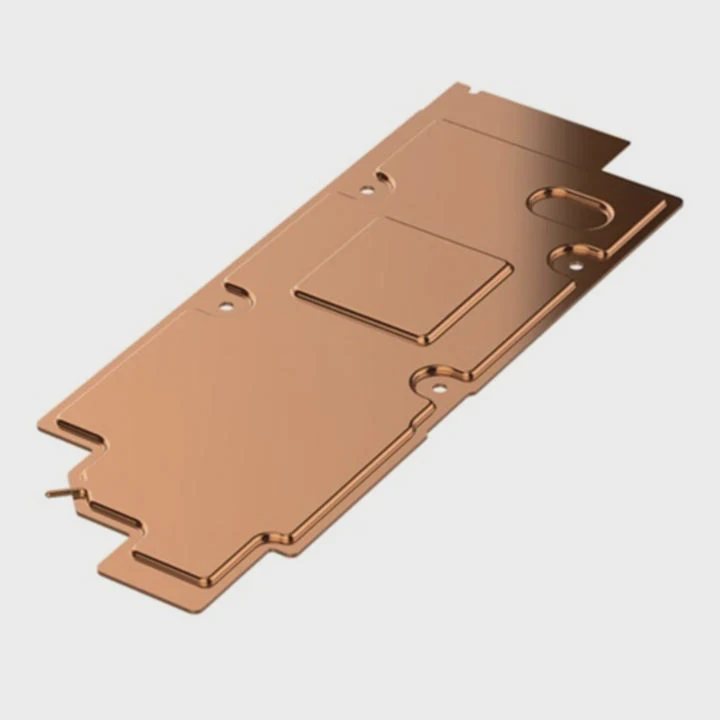
Vapor chambers must maintain a sealed environment to work correctly. Even the smallest micro-leak can reduce vacuum pressure or cause fluid loss, damaging performance over time.
High-sensitivity methods like helium mass spectrometry and pressure decay testing are key to detecting micro-leaks before product failure.
Choosing the right method ensures better product yield and long-term reliability.
What methods detect micro-leaks in Vapor Chambers?
Leak detection methods fall into two main groups: gas-based and pressure-based. Each has advantages depending on sensitivity, cost, and production needs.
Tracer gas methods like helium testing are the most sensitive, while pressure decay tests are fast and cost-effective for production.
Common Micro-Leak Detection Methods
| Method | Sensitivity | Speed | Cost | Notes |
|---|---|---|---|---|
| Helium Mass Spectrometer | Very High (down to 1e‑12 mbar·L/s) | Moderate | High | Best for micro-leaks |
| Pressure Decay | Moderate | Fast | Low | Suitable for batch testing |
| Vacuum Decay | Moderate | Fast | Medium | Detects loss of vacuum integrity |
| Bubble Immersion | Low | Slow | Low | Good for large leaks only |
| Sniffer Probe (Helium) | High | Moderate | Medium | Locates leak point |
Some companies use layered strategies: first pressure decay for screening, then helium testing on critical units.
Is helium mass-spectrometer testing used for micro-leaks?
Yes, it’s the most precise leak test available.
Helium mass spectrometer testing is widely used for detecting extremely small leaks, especially in sealed thermal devices like vapor chambers.
Helium is ideal because:
- It’s inert and non-toxic
- It has very small molecules that penetrate tight leaks
- It’s easy to detect in low concentrations
Helium-based tests can be performed in several ways:
- Bombing method: chamber is filled with helium, then placed in a vacuum and monitored for leaks.
- Sniffer method: helium is sprayed near the surface and a sniffer detects escaping gas.
- Accumulation method: the chamber is placed in a sealed hood; helium build-up over time indicates a leak.
These tests are typically used in industries like aerospace, telecom, and high-reliability electronics.
Are pressure-decay or accumulation tests effective?
Yes, especially for mass production and initial quality screening.
Pressure-decay and vacuum-accumulation tests are simple and fast methods to detect moderate leaks across many units.
How Pressure Decay Works:
- Fill the chamber with air or inert gas to a set pressure.
- Isolate it and monitor pressure over time.
- A drop in pressure suggests a leak.
While not as sensitive as helium tests, these methods detect leaks large enough to affect short-term performance.
Accumulation tests use a sealed box where helium leaking from a chamber is collected. Over time, a sensor measures helium concentration, offering better sensitivity than basic decay methods.
Pros and Cons of Pressure-Based Testing
| Test Type | Pros | Cons |
|---|---|---|
| Pressure Decay | Fast, low-cost | Not sensitive to micro-leaks |
| Accumulation | Better sensitivity | Slower than pressure decay |
| Vacuum Decay | Detects internal leaks | Affected by temperature and volume changes |
For final product validation or long-lifetime parts, it’s best to use helium testing after initial decay tests.
How small a leak rate must be detected in quality control?
Leak rate requirements vary by application, but vapor chambers typically need extremely low leak thresholds.
For high-reliability applications, acceptable leak rates range from 10⁻⁶ to 10⁻¹² mbar·L/s depending on product life and size.
Leak Rate Guidelines
| Application | Max Acceptable Leak Rate |
|---|---|
| Consumer Electronics | ~10⁻⁵ mbar·L/s |
| Server Cooling Modules | ~10⁻⁶ to 10⁻⁸ mbar·L/s |
| Aerospace/Defense | ~10⁻⁹ to 10⁻¹² mbar·L/s |
Smaller chambers with thin shells and less internal fluid need stricter leak thresholds. Some high-end products use nitrogen backfilling and vacuum-sealing to protect internal fluids, requiring near-zero leak rates over years.
To meet such standards, only helium-based testing can reliably qualify vapor chambers.
Conclusion
Micro-leak detection is a must-have process for vapor chamber quality control. Pressure decay and accumulation tests offer speed and simplicity, but helium mass-spectrometer testing provides unmatched sensitivity. For high-reliability systems, combining fast screening with precise tracer-gas methods ensures long-term performance and product safety.
TAGS
Latest Articles

Volume discount levels for heat sink orders?
Buyers often ask when heat sink prices start to drop with volume. Many worry they’re overpaying for small orders. This guide explains how B2B volume pricing works for thermal components. Heat sink
21 Dec,2025
Heat sink long-term supply contract options?
Many buyers want stable pricing and reliable delivery for heat sinks. But without a clear contract, risks grow over time. This article explores how to secure better long-term supply deals. Long-term
21 Dec,2025
Tooling cost for new heat sink profiles?
Many engineers struggle to understand why tooling for custom heat sinks costs so much. They worry about budgeting and production timelines. This article breaks down the cost drivers behind tooling.
21 Dec,2025
Heat sink custom sample process steps?
Sometimes, starting a custom heat sink project feels overwhelming—too many steps, too many unknowns, and too many risks. You want a sample, but not endless delays. The process for requesting and
20 Dec,2025
Standard B2B terms for heat sink payments?
When buyers and sellers in B2B heat sink markets talk about payment, many don’t fully understand what’s standard. This can lead to delayed orders, miscommunication, and even lost business
20 Dec,2025
Heat sink pricing factors for large orders?
Heat sinks are vital for many systems. When prices rise, projects stall and budgets break. This problem can hit teams hard without warning. Large order heat sink pricing depends on many factors. You
20 Dec,2025Related Articles
- Vapor Chamber drying method after cleaning?
- Does Vapor Chamber need RoHS reports?
- Vapor Chamber lifecycle management guide
- Can Vapor Chamber be made from stainless steel?
- Does Vapor Chamber require cleanroom assembly?
- Vapor Chamber quality requirements for export?
- Can Vapor Chamber be used vertically?
- Does Vapor Chamber need EMI shielding?
- Vapor Chamber usage in industrial transformers?
- Can Vapor Chamber sustain impact loads?
- Vapor Chamber real heat transfer limits?
- Continuous production capability for Vapor Chamber?
Author
Dr. Emily Chen
Chief AI Researcher
Leading expert in thermal dynamics and AI optimization with over 15 years of experience in data center efficiency research.
Categories
Latest Products






Recommend Categories
- Liquid cooling plate Manufacturer
- Industrial Heat Sink Manufacturer
- Standard Heat Sink Manufacturer
- Aluminum Heat Sink Manufacturer
- Copper Heat Sink Manufacturer
- Anodized Heatsink Manufacturer
- Stamping heat sink Manufacturer
- Die Casting Heatsink Manufacturer
- Soldering heat sink Manufacturer
- CNC Parts Manufacturer
Latest Products
- Wholesale Aluminum Radiator
- Water Cooling Plate Kit
- Water Cooling Heat Sink
- Water Cooling Heat Sink Kit
- Stainless Steel Water Distributor
- Server Water Cooling Plate Kit
- Server Liquid Cooling System
- Server Aluminum Cooling Kit
- S19 Full Cover Cooling Plate
- S19 Cooling Plate Kit
- S19 Aluminum Cooling Plate
Contact Expert
Have questions about this article? Reach out to our experts directly.