Vapor Chamber lifecycle management guide
Electronics cooling parts degrade over time. Without lifecycle planning, vapor chambers risk performance loss or sudden failure. A lifecycle guide helps avoid surprises and extend service life.
A structured lifecycle management plan for vapor chambers ensures they stay reliable, efficient, and safe from first install to end‑of‑life.
Below is a practical guide to track, maintain, and decide on vapor chamber retirement or refurbishment.
What are the key steps in managing Vapor Chamber lifespan?
Every vapor chamber goes through stages: design verification, installation, operation, maintenance, monitoring, and decommission. Skipping steps leads to early heat‑transfer decline or leaks.
Key steps include initial validation, baseline measurement, periodic inspection, performance logging, preventive maintenance, and end‑of‑life review.
In detail, the lifecycle begins when a new vapor chamber arrives. First, perform acceptance checks: confirm geometry, flatness, leak tightness, pressure rating, and thermal performance. That defines baseline data. Record these in documentation. Next, after installation, note mounting method, thermal interface, airflow conditions, and initial operating temperature.
During operation, schedule regular inspections — for example, every 6–12 months or per operating-hours thresholds. Inspections check for external damage, mechanical stress, mounting integrity, and signs of corrosion or deformation. Also measure thermal performance: surface temperatures, heat spread efficiency, and pressure stability, if possible. Log all data.
If chambers operate in demanding environments — vibration, temperature cycles, humidity, or altitude changes — more frequent checks may be needed. After heavy events (like transport, mechanical shock, or system upgrades), re‑verify integrity.
Preventive maintenance may include cleaning exterior, checking mounting screws or brackets, verifying thermal interface material condition, and re‑tightening mounting clamps. For systems with access to internal loops (if liquid cooling is used), check coolant purity and pressure. But for pure vapor chambers, focus on external factors: sealing, mechanical mounting, and thermal contact.
Finally, plan a lifecycle review at defined intervals or when performance drops beyond acceptable thresholds. Review records, compare thermal data, inspect physically, and make a decision: continue operation, refurbish (if possible), or replace.
A lifecycle table helps organize these stages:
| Stage | Action Items | Purpose / Benefit |
|---|---|---|
| Acceptance & Baseline | Check flatness, leak, thermal spread, record data | Establish reference for future comparison |
| Installation | Proper mounting, TIM application, airflow setup | Ensure correct start conditions |
| Regular Inspection | Visual check, mounting brackets, external cleanliness | Detect wear, corrosion, mechanical stress |
| Performance Logging | Temperature, heat spread, pressure (if applicable) | Track drift, early detection of issues |
| Preventive Maintenance | Clean, re-tighten mount, reapply TIM if degraded | Maintain thermal contact, avoid hotspots |
| Lifecycle Review | Compare data, inspect for deformation, evaluate risk | Decide on refurbish, replacement, or continue |
By following these steps, operations teams can catch problems early, plan replacements before failure, and maximize the useful life of each vapor chamber unit.
Should maintenance logs be kept for each unit?
Without a log, subtle performance drift or intermittent failures may go unnoticed. Logs offer traceability, help spot trends, and support maintenance decisions.
Yes — maintenance logs should be kept per unit, including installation data, inspection dates, performance metrics, and repair or change history.
Every vapor chamber should carry a unique serial number or identifier. When accepting a new unit, record its initial test results: flatness, leak‑test outcome, thermal performance metrics, mounting configuration, ambient conditions, and date. Save these in a spreadsheet or database.
Each periodic inspection should append a log entry: date, inspector, what was checked (visual, mechanical mounting, thermal surface readings), and any observed deviations. If maintenance was done — e.g. TIM replaced, mounting brackets re‑tightened — note time and parts used. If chamber went through stress events (transport, vibration), add special entries.
Over time, this log becomes valuable. It allows trend analysis. For example, if thermal surface temperatures climb gradually for multiple units, that may indicate interface degradation or mechanical loosening. Or if several chambers of same batch show leak test drift, that suggests possible batch-level material or assembly issues.
Logs also help with warranty claims or supplier feedback. If a chamber fails prematurely, records show age, use conditions, maintenance history — it becomes easier to prove if failure stems from manufacturing defect or misuse.
From a maintenance management perspective, logs support predictive maintenance scheduling. If data shows average life before performance drops, you can set replacement cycles proactively, avoiding downtime or failure in critical systems.
In summary, maintenance logs per unit are not just helpful — they are central to reliable lifecycle management, quality assurance, and long-term asset health monitoring.
When should end-of-life decisions be made for Vapor Chambers?
Vapor chambers do not last forever. Over time they can lose thermal efficiency, develop leaks, or suffer structural fatigue. Delaying end‑of‑life decisions risks reduced performance or sudden failure.
End‑of‑life decisions should be made when performance degrades beyond acceptable limits, when inspection reveals permanent damage, or after a defined service period based on usage and environment.
A few triggers signal it’s time to consider retirement or replacement:
- Thermal performance decline: if surface temperatures of the heat source rise above spec under same load, or heat spread becomes uneven.
- Leak risk: detectable pressure drop, external moisture, or signs of seepage.
- Mechanical stress or deformation: warped surfaces, cracks, dented housing, loose welds, or mounting damage.
- Environmental fatigue: after many thermal cycles, vibration events, or corrosive exposure — even if no visible damage exists, internal micro‑cracks or wick degradation may have occurred.
- Obsolescence: newer vapor chamber designs may offer better performance, thinner profiles, improved reliability — replacing older units may be more efficient than continuing maintenance.
A lifecycle review should occur after a pre‑defined operational period (for example, 5–10 years or a set number of thermal cycles), depending on environmental severity. For high-stress applications — e.g. outdoor telecom racks, industrial or aerospace systems — shorter cycles may apply.
When reviewing, compare latest performance data to baseline and acceptance criteria. If key metrics (thermal resistance, surface temperature, leak tightness) drift beyond thresholds, mark for replacement. Also consider mission criticality: failure in telecom racks can cause service outages. In such cases, conservative end‑of‑life criteria are justified — replacement ahead of failure is worth the cost.
Advance planning of end‑of‑life helps avoid last‑minute failures. When retirement is scheduled, procurement or maintenance can plan for replacement supply, avoid rush orders, and coordinate downtime.
Are refurbishments or replacements considered in lifecycle plans?
Sometimes replacing an entire unit seems wasteful if only part of its function degrades. Refurbishment — like re‑tightening mounts, re‑applying thermal interface, re‑bake, re‑test — can extend life. But refurbishment must be balanced against reliability, cost, and safety.
Yes — both refurbishment and replacement are viable parts of lifecycle plans. Decision depends on extent of wear, cost-benefit, and risk tolerance.
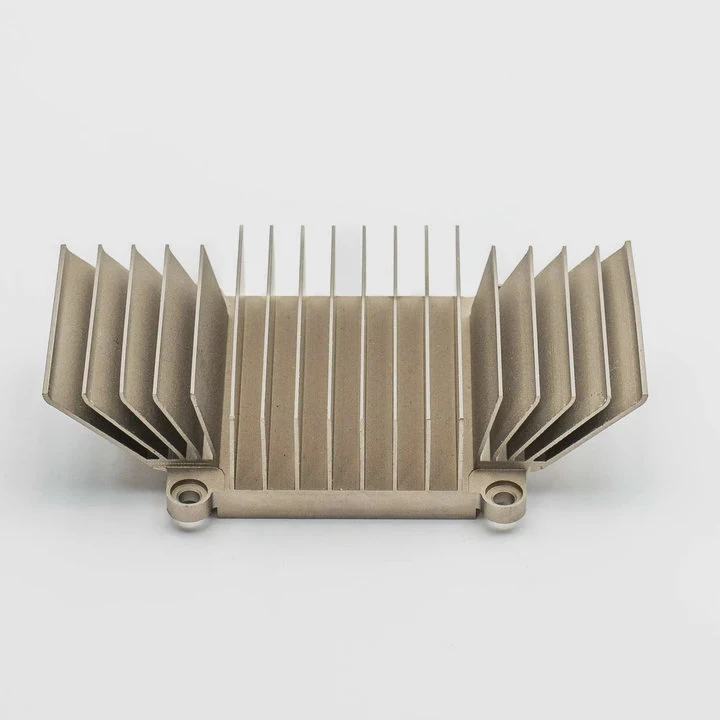
When to refurbish
If inspection shows minor issues — slightly loose mounting, degraded thermal interface, surface dirt or oxidation — refurbishment can be a good option. Actions may include: dismounting chamber, cleaning, re‑applying fresh thermal interface material, verifying flatness, performing leak and pressure tests, and recording updated condition. If all checks pass and thermal performance meets spec, the chamber can return to service.
Refurbishment works best when base chamber structure is sound: no warping, no micro‑cracks, no weld weakness, and internal wick is presumably intact. It is cost‑effective and reduces waste. For large deployments (like telecom racks across many sites), refurbishment can delay replacement and ease supply pressure.
When to replace
If the chamber fails critical checks — leak, warped surface, internal structure damage, or performance degradation beyond repair — replacement is necessary. Also, if refurbishment costs approach replacement cost, or if reuse introduces risk of hidden failures, replacement is safer.
For high‑availability systems, refurbishing risk may outweigh benefits. Replacement ensures lowest risk and consistent thermal behavior.
Here is a decision matrix:
| Condition detected on inspection | Action |
|---|---|
| Minor mounting looseness or TIM wear | Refurbish |
| Surface dust or minor oxidation | Clean + refurbish |
| Flatness within spec, no leaks, thermal OK | Continue service |
| Warping, deformation, or weld cracks | Replace |
| Leak detected or fluid loss | Replace |
| Thermal performance degraded beyond spec | Replace |
| Chamber age beyond defined lifetime | Replace |
In lifecycle planning, set thresholds for refurbishment vs replacement informed by historical data. Maintain stock of spare units. Log refurbishment records so future decisions reflect restarts, not original installation.
In conclusion, combining refurbishment and replacement strategies helps balance cost, reliability, and uptime — key for long‑term deployments in telecom, industrial, or computing systems.
Conclusion
Lifecycle management of vapor chambers protects system reliability and thermal performance. By defining clear steps — logging, inspection, maintenance, timely review, and refurbishment or replacement — each unit serves longer and safer. Proactive care prevents heat failures, extends service life, and ensures stable cooling over many years.
TAGS
Latest Articles

Volume discount levels for heat sink orders?
Buyers often ask when heat sink prices start to drop with volume. Many worry they’re overpaying for small orders. This guide explains how B2B volume pricing works for thermal components. Heat sink
21 Dec,2025
Heat sink long-term supply contract options?
Many buyers want stable pricing and reliable delivery for heat sinks. But without a clear contract, risks grow over time. This article explores how to secure better long-term supply deals. Long-term
21 Dec,2025
Tooling cost for new heat sink profiles?
Many engineers struggle to understand why tooling for custom heat sinks costs so much. They worry about budgeting and production timelines. This article breaks down the cost drivers behind tooling.
21 Dec,2025
Heat sink custom sample process steps?
Sometimes, starting a custom heat sink project feels overwhelming—too many steps, too many unknowns, and too many risks. You want a sample, but not endless delays. The process for requesting and
20 Dec,2025
Standard B2B terms for heat sink payments?
When buyers and sellers in B2B heat sink markets talk about payment, many don’t fully understand what’s standard. This can lead to delayed orders, miscommunication, and even lost business
20 Dec,2025
Heat sink pricing factors for large orders?
Heat sinks are vital for many systems. When prices rise, projects stall and budgets break. This problem can hit teams hard without warning. Large order heat sink pricing depends on many factors. You
20 Dec,2025Related Articles
- Can Vapor Chamber be made from stainless steel?
- Does Vapor Chamber require cleanroom assembly?
- Vapor Chamber quality requirements for export?
- How to source high precision Vapor Chamber?
- Vapor Chamber machining lubrication options?
- Recommended inspection tools for Vapor Chamber?
- Does Vapor Chamber need RoHS reports?
- Vapor Chamber drying method after cleaning?
- How to detect Vapor Chamber micro leaks?
- Can Vapor Chamber be used vertically?
- Does Vapor Chamber need EMI shielding?
- Vapor Chamber usage in industrial transformers?
Author
Dr. Emily Chen
Chief AI Researcher
Leading expert in thermal dynamics and AI optimization with over 15 years of experience in data center efficiency research.
Categories
Latest Products






Recommend Categories
- Liquid cooling plate Manufacturer
- Industrial Heat Sink Manufacturer
- Standard Heat Sink Manufacturer
- Aluminum Heat Sink Manufacturer
- Copper Heat Sink Manufacturer
- Anodized Heatsink Manufacturer
- Stamping heat sink Manufacturer
- Die Casting Heatsink Manufacturer
- Soldering heat sink Manufacturer
- CNC Parts Manufacturer
Latest Products
- Wholesale Aluminum Radiator
- Water Cooling Plate Kit
- Water Cooling Heat Sink
- Water Cooling Heat Sink Kit
- Stainless Steel Water Distributor
- Server Water Cooling Plate Kit
- Server Liquid Cooling System
- Server Aluminum Cooling Kit
- S19 Full Cover Cooling Plate
- S19 Cooling Plate Kit
- S19 Aluminum Cooling Plate
Contact Expert
Have questions about this article? Reach out to our experts directly.