Vapor Chamber machining lubrication options?
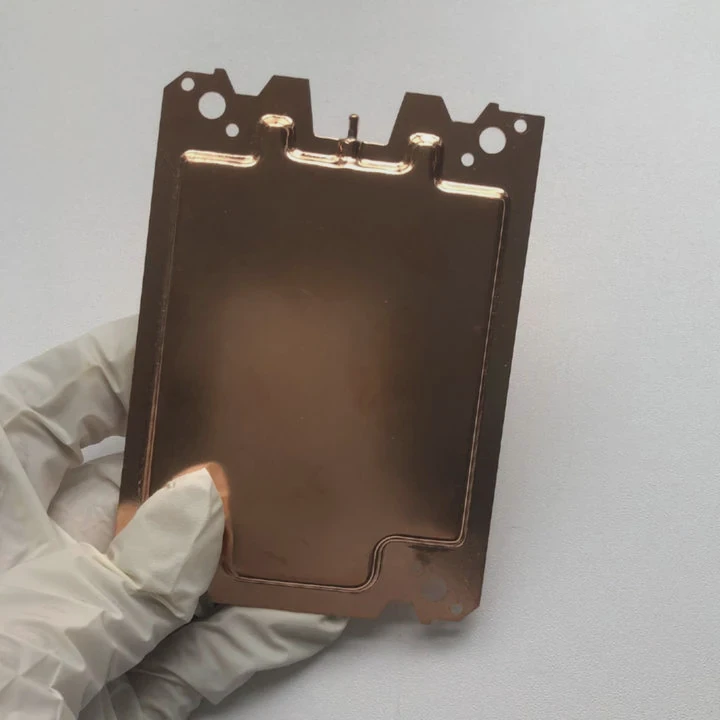
Machining a vapor chamber requires more than sharp tools — the lubricant you use could impact vacuum integrity or long-term reliability.
Only vacuum-compatible or low-outgassing lubricants should be used when machining vapor chamber parts before sealing. Standard oils can compromise vacuum performance.
Let’s explore what types of lubricants are safe, how they affect the vacuum, and how they are removed before final sealing.
What lubrication options exist for machining Vapor Chambers?
When machining vapor chamber shells or internal metal parts, some lubrication is necessary to protect the tooling, improve surface finish, and prevent excessive heat. Options include:
Machining lubrication options include synthetic cutting fluids, low-outgassing vacuum greases, and dry lubricants such as MoS₂ or PTFE coatings.
Each type has different properties:
| Lubricant Type | Properties | Suitability for Vapor Chamber |
|---|---|---|
| Synthetic cutting oil | Good lubrication, but may outgas | Needs full cleaning |
| Semi-synthetic emulsion | Contains water and additives | Not recommended |
| Vacuum grease | Low vapor pressure, stable | Suitable for critical parts |
| Dry lubricant (e.g. MoS₂) | No residue, stable in vacuum | Ideal for dry machining |
| Water-based coolant | May leave moisture residue | Avoid if vacuum is required |
Dry machining or vacuum-rated greases are preferred when machining components that will later be sealed and evacuated. Avoid any fluid that leaves residues or contains volatile additives.
Does lubricant choice affect subsequent vacuum integrity?
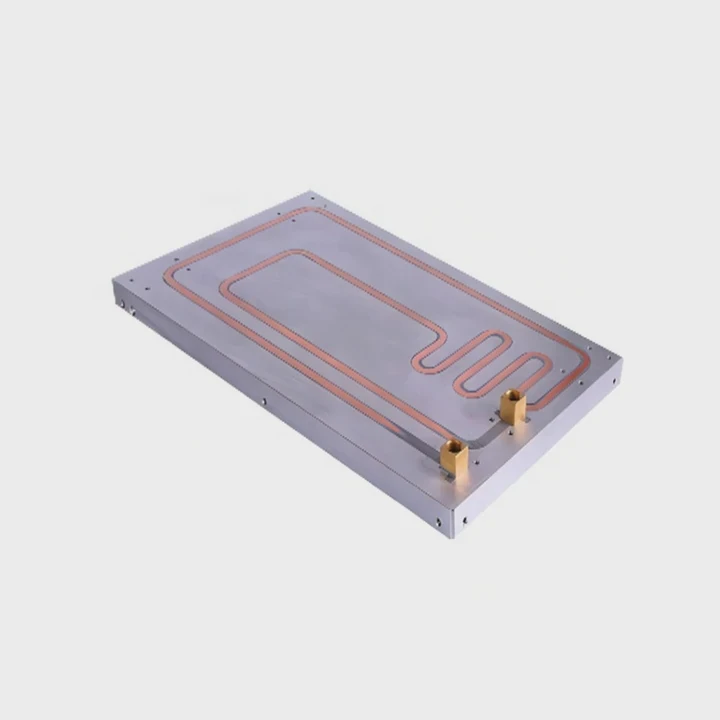
Absolutely — lubricant choice has a direct impact on vacuum chamber performance. Even trace contamination can cause long-term issues.
Yes, lubricant residues can outgas inside a sealed vapor chamber, disrupting the vacuum and affecting phase-change heat transfer.
Contaminants from machining fluids can cause:
- Incomplete vacuum evacuation
- Internal pressure rise during operation
- Surface contamination of the wick structure
- Bubble formation or vapor blockage
- Shortened lifespan due to thermal inefficiency
The safest approach is to use lubricants specifically designed for vacuum applications — these typically have extremely low vapor pressure and minimal outgassing rates. Alternatively, using dry machining methods removes the risk entirely.
Are special low-outgassing lubes required?
Vapor chambers work best under deep vacuum. Any trapped oils, fumes, or volatiles left inside will slowly degrade performance.
Yes — special low-outgassing lubricants are required if the vapor chamber must hold vacuum reliably over time.
These special lubricants include:
- PFPE (Perfluoropolyether) based greases
- Silicone-free vacuum greases
- Inert hydrocarbon-based oils for cleanroom machining
- MoS₂ or WS₂ dry film coatings
The purpose is simple: eliminate vapor emissions from internal surfaces after sealing. Standard industrial cutting fluids often contain sulfur, chlorine, emulsifiers, and water — all of which can degrade the vacuum or contaminate the internal wick.
Machining shops must switch to approved lubricants or prepare strict cleaning protocols to fully eliminate residues before the final chamber is sealed.
How is machining lubricant cleaned before sealing?
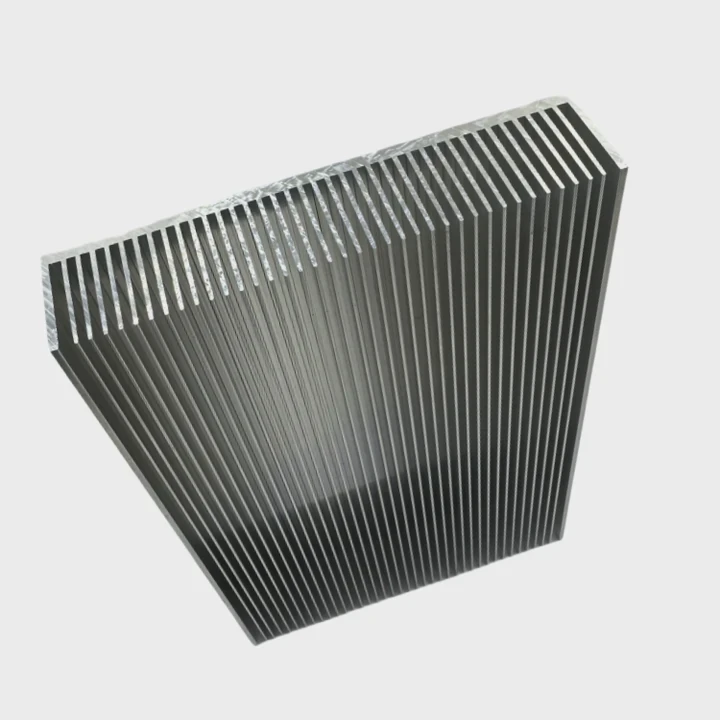
Cleaning is critical. If even a small trace of oil or coolant remains, it will show up later as outgassing, fogging, or thermal instability.
All machined parts must be degreased, rinsed, dried, and optionally baked before sealing. This ensures no residue remains to compromise vacuum quality.
Cleaning Steps for Vapor Chamber Parts
| Step | Description |
|---|---|
| Solvent Degreasing | Use alcohol, acetone or clean hydrocarbons to dissolve machining oil |
| Ultrasonic Bath | Loosen embedded particles or films from grooves and corners |
| Rinse | Remove solvent residues with clean alcohol or DI water (if applicable) |
| Drying | Use filtered air, nitrogen or warm drying to eliminate all moisture |
| Vacuum Bake | Heat the parts under vacuum to remove trapped vapors or absorbed gas |
Cleaning should be followed by cleanroom handling. Touching parts with bare hands, using dirty tools, or exposing parts to oil mists will reverse all cleaning efforts.
Even approved vacuum greases require controlled application and removal procedures. Not all greases are easily cleanable, so prevention is better than correction.
Best Practices for Machining and Cleaning
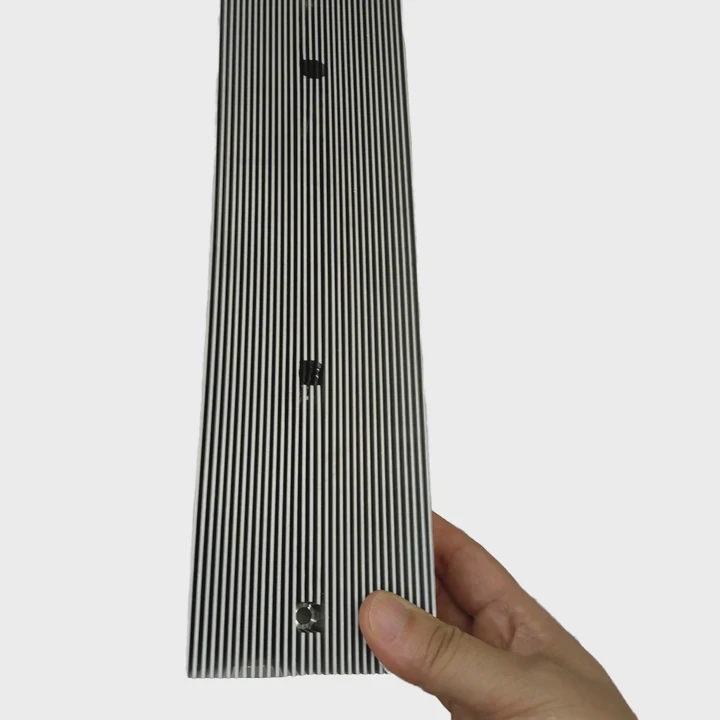
To ensure high vacuum quality and thermal performance, follow these machining and cleaning guidelines:
- Avoid traditional oil-based cutting fluids when possible
- Use vacuum-compatible lubricants if lubrication is required
- Prefer dry machining for simple geometries
- Ensure all parts are cleaned using solvents and bake-out methods
- Handle cleaned parts in a cleanroom or clean work area
- Store cleaned parts in sealed containers to prevent re-contamination
Conclusion
Lubrication during vapor chamber machining must be chosen carefully. Standard shop oils can outgas and ruin vacuum performance. Always use low-outgassing or dry lubricants, and clean all parts thoroughly before sealing. A clean, residue-free internal cavity is key to building a high-performance vapor chamber that works reliably over time.
TAGS
Latest Articles

Volume discount levels for heat sink orders?
Buyers often ask when heat sink prices start to drop with volume. Many worry they’re overpaying for small orders. This guide explains how B2B volume pricing works for thermal components. Heat sink
21 Dec,2025
Heat sink long-term supply contract options?
Many buyers want stable pricing and reliable delivery for heat sinks. But without a clear contract, risks grow over time. This article explores how to secure better long-term supply deals. Long-term
21 Dec,2025
Tooling cost for new heat sink profiles?
Many engineers struggle to understand why tooling for custom heat sinks costs so much. They worry about budgeting and production timelines. This article breaks down the cost drivers behind tooling.
21 Dec,2025
Heat sink custom sample process steps?
Sometimes, starting a custom heat sink project feels overwhelming—too many steps, too many unknowns, and too many risks. You want a sample, but not endless delays. The process for requesting and
20 Dec,2025
Standard B2B terms for heat sink payments?
When buyers and sellers in B2B heat sink markets talk about payment, many don’t fully understand what’s standard. This can lead to delayed orders, miscommunication, and even lost business
20 Dec,2025
Heat sink pricing factors for large orders?
Heat sinks are vital for many systems. When prices rise, projects stall and budgets break. This problem can hit teams hard without warning. Large order heat sink pricing depends on many factors. You
20 Dec,2025Related Articles
- Recommended inspection tools for Vapor Chamber?
- Vapor Chamber material selection guidelines
- Which industries demand Vapor Chamber most?
- Vapor Chamber for telecom cooling racks
- Can Vapor Chamber function under vibration?
- How to avoid Vapor Chamber leakage?
- How to source high precision Vapor Chamber?
- Vapor Chamber quality requirements for export?
- Does Vapor Chamber require cleanroom assembly?
- Can Vapor Chamber be made from stainless steel?
- Vapor Chamber lifecycle management guide
- Does Vapor Chamber need RoHS reports?
Author
Dr. Emily Chen
Chief AI Researcher
Leading expert in thermal dynamics and AI optimization with over 15 years of experience in data center efficiency research.
Categories
Latest Products






Recommend Categories
- Liquid cooling plate Manufacturer
- Industrial Heat Sink Manufacturer
- Standard Heat Sink Manufacturer
- Aluminum Heat Sink Manufacturer
- Copper Heat Sink Manufacturer
- Anodized Heatsink Manufacturer
- Stamping heat sink Manufacturer
- Die Casting Heatsink Manufacturer
- Soldering heat sink Manufacturer
- CNC Parts Manufacturer
Latest Products
- Wholesale Aluminum Radiator
- Water Cooling Plate Kit
- Water Cooling Heat Sink
- Water Cooling Heat Sink Kit
- Stainless Steel Water Distributor
- Server Water Cooling Plate Kit
- Server Liquid Cooling System
- Server Aluminum Cooling Kit
- S19 Full Cover Cooling Plate
- S19 Cooling Plate Kit
- S19 Aluminum Cooling Plate
Contact Expert
Have questions about this article? Reach out to our experts directly.