Vapor Chamber usage in industrial transformers?
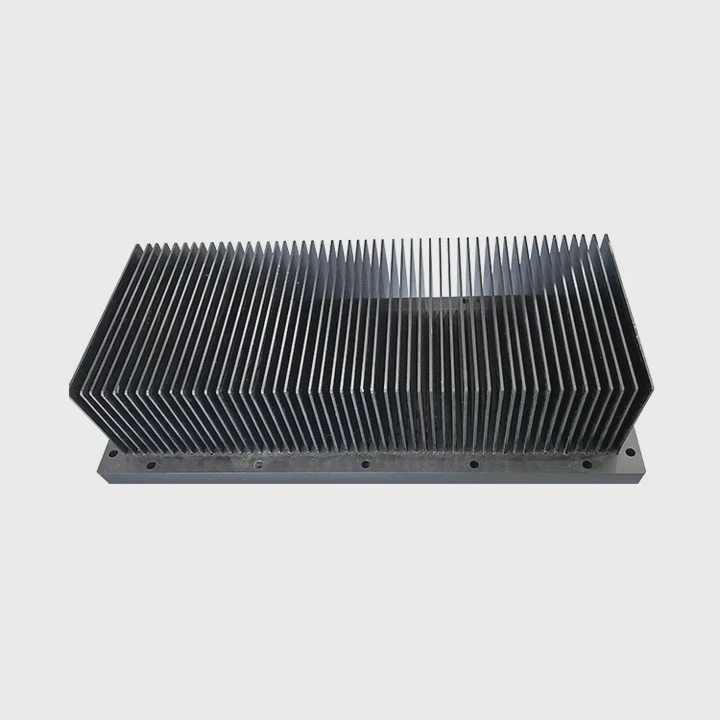
Transformers generate intense heat during operation. Managing that heat is vital for reliability and safety. Traditional cooling methods dominate — but could vapor chambers offer a better solution?
Yes — vapor chambers can be used in industrial transformers for passive heat spreading and hotspot elimination, especially in high-density or enclosed environments where air or oil cooling is limited.
It’s a promising concept, but still niche. Below I explore how vapor chambers work in transformers, what loads they face, and what limits their wider adoption.
Can Vapor Chambers be used in industrial transformer cooling?
Transformers have always used oil, fins, or forced air for cooling. But modern systems are smaller and hotter. Engineers are asking: can we use vapor chambers — like in electronics — to improve thermal performance?
Yes — vapor chambers can be integrated into transformer cooling systems to spread heat from localized hotspots or compact cores where traditional airflow or oil circulation is insufficient.
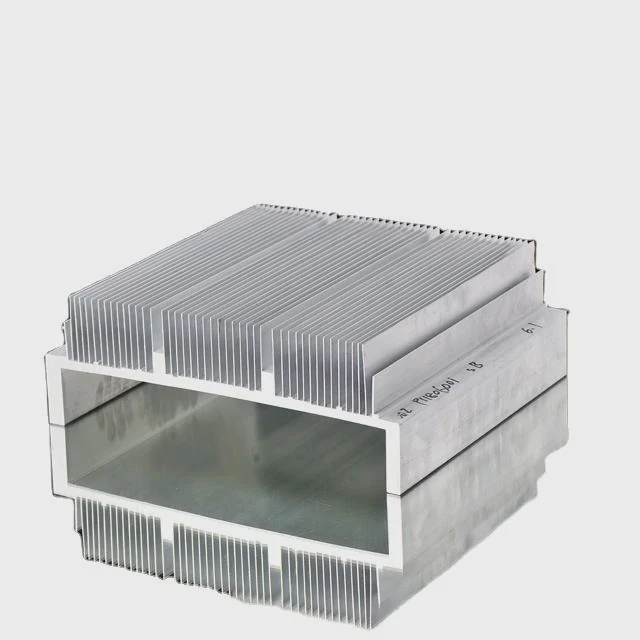
Transformers generate heat mainly in:
- Windings (copper/aluminum coils)
- Magnetic cores
- Electronic control or monitoring modules
As power density increases, localized hot zones can exceed safe limits. Vapor chambers offer an effective passive thermal solution by:
- Flattening temperature gradients
- Spreading heat across surfaces
- Moving heat from dense coils to heat sinks or external fins
Applications include:
- Compact dry-type transformers
- Oil-free or low-maintenance units
- Enclosed industrial power supplies
- Smart transformer control boards
Vapor chambers are especially useful where fan-based or oil-based cooling is limited — due to enclosure, space, or safety reasons.
They’re often placed between the winding pack and mounting structure, or inside the control unit heat sink. In hybrid systems, they assist — not replace — oil cooling.
What thermal loads do transformers place on Vapor Chambers?
Transformers are large power devices. Vapor chambers are small and delicate. This creates a challenge: can they handle the heat levels? What kind of thermal load do they face?
Transformer components can produce steady thermal loads of 20–200 W in localized regions. Vapor chambers must be sized and designed to move that heat without saturation or dry-out.
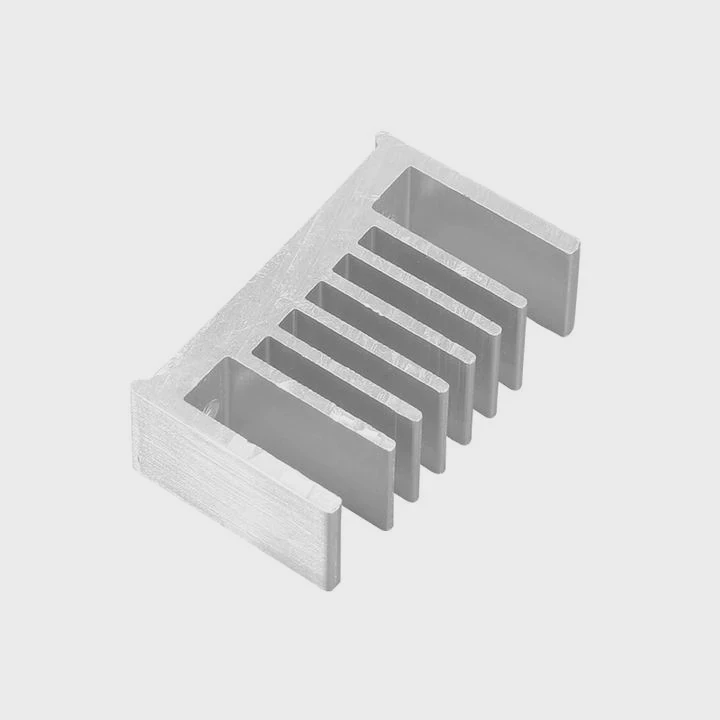
Typical Transformer Heat Load Ranges
| Component | Local Heat Load (W) | Surface Area (cm²) | Notes |
|---|---|---|---|
| Control PCB | 20–60 | 50–100 | Good fit for vapor chamber sink |
| Copper windings (small) | 50–100 | 100–200 | Depends on current and insulation |
| Magnetic core hotspot | 80–200 | 150–300 | Difficult to cool with airflow alone |
Vapor chambers can handle:
- Up to 200 W steady-state if large enough (e.g. 120×120 mm)
- Heat fluxes up to 20 W/cm² with optimized wick design
- Local heat sources spread to large radiative or conductive surfaces
Important performance factors:
- Internal fluid selection (water for high heat, methanol for lower)
- Wick structure (sintered mesh vs groove)
- Orientation (gravity-sensitive designs must be aligned)
To avoid boiling limit or dry-out, chambers must be selected with:
- Matching size and load capacity
- Proper interface mounting to avoid pressure points
- High reliability sealing (especially for vibration-heavy systems)
Are Vapor Chambers preferred over conventional cooling in transformers?
Oil-cooling works well. So do fans and heat sinks. So when is a vapor chamber the better option? Is it replacing or complementing other cooling?
Vapor chambers are not a full replacement for oil or forced-air cooling, but they are preferred in compact, fanless, or smart transformer systems where passive spreading improves hotspot control.
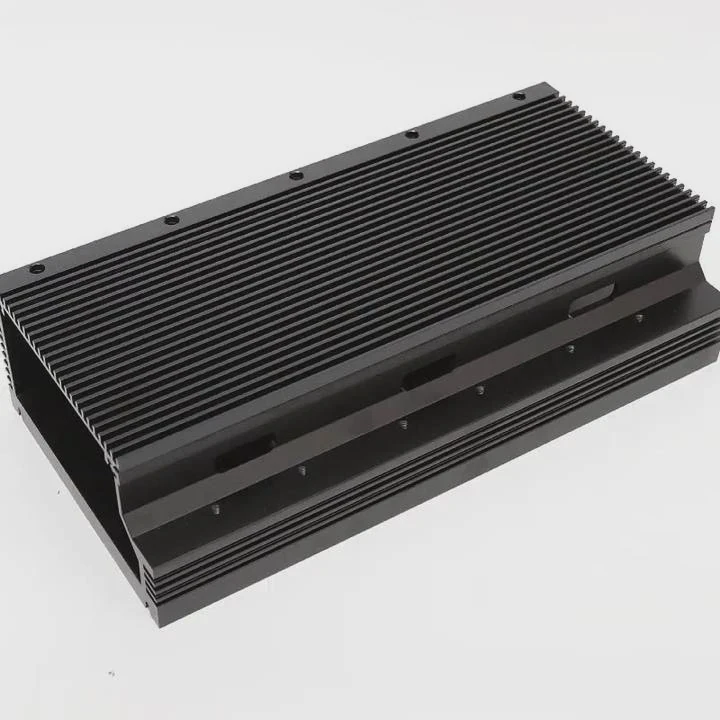
Comparison of Cooling Methods
| Method | Pros | Cons |
|---|---|---|
| Mineral Oil Cooling | Excellent heat capacity and insulation | Bulky, heavy, may leak, requires maintenance |
| Air-Cooled Heat Sink | Simple, passive | Limited heat density, needs open airflow |
| Vapor Chamber | Compact, no moving parts, passive | Costly, limited load if undersized |
| Liquid Cold Plate | High cooling power | Complex, pumps needed, not passive |
Where vapor chambers shine:
- Dry-type transformers (no oil)
- Smart modules with embedded sensors or relays
- Retrofit upgrades where airflow is limited
- Vertical installations where gravity helps fluid return
They are also preferred for:
- Low-maintenance systems (no fan or oil)
- Noise-sensitive environments (fanless)
- Enclosed units where airflow is blocked
That said, for high-load coils, vapor chambers are often used alongside aluminum plates or finned heat sinks — not in isolation.
They spread the heat to a larger interface, where traditional cooling (oil or airflow) can take over.
What integration challenges exist for Vapor Chambers in transformer equipment?
Using vapor chambers in electronics is easy. Transformers are bigger, rougher, and more mechanically complex. That creates real integration challenges.
Yes — vapor chambers require flat mounting surfaces, vibration protection, and moisture control. Transformer environments often demand extra reinforcement and customized shapes.
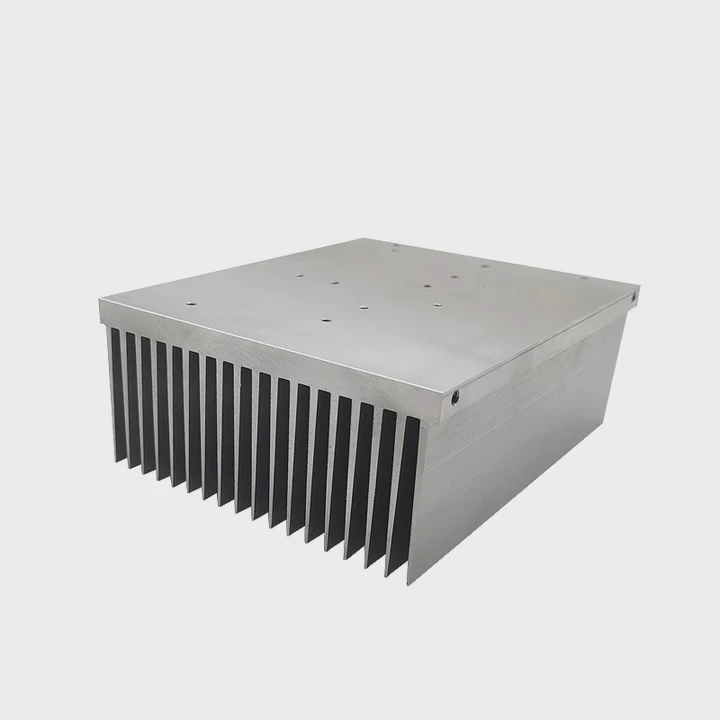
Integration Challenges and Solutions
| Challenge | Description | Mitigation Strategy |
|---|---|---|
| Vibration and impact | Transformers may face shocks, transit loads | Use thicker wall vapor chambers (≥0.5 mm) |
| Non-flat coil shapes | Windings are curved or irregular | Use flexible heat spreaders or conformal VC |
| High humidity or oil vapors | May enter chamber through micro-leaks | Use sealed stainless or nickel-plated shell |
| Electrical insulation | Copper vapor chambers conduct electricity | Add dielectric layer or insulating spacer |
| Limited mounting points | No direct bolting possible in some zones | Use adhesives or compression plates |
Best Practices for Integration
- Use flattened vapor chambers with integrated mounting flanges
- Design thermal interface pads between coils and VC surfaces
- Choose gravity-insensitive wick designs (sintered mesh)
- Avoid piercing or bending the chamber during installation
- Specify environmental testing (humidity, vibration, thermal cycling)
Also, coordinate with transformer manufacturers early. If possible, co-design the support bracket or coil assembly to accommodate vapor chamber dimensions.
These devices must survive 10+ years in harsh conditions — so the thermal gain must be matched by mechanical stability.
Conclusion
Vapor chambers are a promising cooling option in transformer systems — especially for compact, enclosed, or smart modules. While not a replacement for oil or fans, they offer silent, passive heat spreading. With careful design and integration, they can solve thermal bottlenecks in modern industrial power systems.
TAGS
Latest Articles

Volume discount levels for heat sink orders?
Buyers often ask when heat sink prices start to drop with volume. Many worry they’re overpaying for small orders. This guide explains how B2B volume pricing works for thermal components. Heat sink
21 Dec,2025
Heat sink long-term supply contract options?
Many buyers want stable pricing and reliable delivery for heat sinks. But without a clear contract, risks grow over time. This article explores how to secure better long-term supply deals. Long-term
21 Dec,2025
Tooling cost for new heat sink profiles?
Many engineers struggle to understand why tooling for custom heat sinks costs so much. They worry about budgeting and production timelines. This article breaks down the cost drivers behind tooling.
21 Dec,2025
Heat sink custom sample process steps?
Sometimes, starting a custom heat sink project feels overwhelming—too many steps, too many unknowns, and too many risks. You want a sample, but not endless delays. The process for requesting and
20 Dec,2025
Standard B2B terms for heat sink payments?
When buyers and sellers in B2B heat sink markets talk about payment, many don’t fully understand what’s standard. This can lead to delayed orders, miscommunication, and even lost business
20 Dec,2025
Heat sink pricing factors for large orders?
Heat sinks are vital for many systems. When prices rise, projects stall and budgets break. This problem can hit teams hard without warning. Large order heat sink pricing depends on many factors. You
20 Dec,2025Related Articles
- Does Vapor Chamber need EMI shielding?
- Can Vapor Chamber be used vertically?
- How to detect Vapor Chamber micro leaks?
- Vapor Chamber drying method after cleaning?
- Does Vapor Chamber need RoHS reports?
- Vapor Chamber lifecycle management guide
- Can Vapor Chamber sustain impact loads?
- Vapor Chamber real heat transfer limits?
- Continuous production capability for Vapor Chamber?
- Surface flatness importance for Vapor Chamber
- How to measure Vapor Chamber thermal resistance?
- Vapor Chamber for underwater equipment?
Author
Dr. Emily Chen
Chief AI Researcher
Leading expert in thermal dynamics and AI optimization with over 15 years of experience in data center efficiency research.
Categories
Latest Products






Recommend Categories
- Liquid cooling plate Manufacturer
- Industrial Heat Sink Manufacturer
- Standard Heat Sink Manufacturer
- Aluminum Heat Sink Manufacturer
- Copper Heat Sink Manufacturer
- Anodized Heatsink Manufacturer
- Stamping heat sink Manufacturer
- Die Casting Heatsink Manufacturer
- Soldering heat sink Manufacturer
- CNC Parts Manufacturer
Latest Products
- Wholesale Aluminum Radiator
- Water Cooling Plate Kit
- Water Cooling Heat Sink
- Water Cooling Heat Sink Kit
- Stainless Steel Water Distributor
- Server Water Cooling Plate Kit
- Server Liquid Cooling System
- Server Aluminum Cooling Kit
- S19 Full Cover Cooling Plate
- S19 Cooling Plate Kit
- S19 Aluminum Cooling Plate
Contact Expert
Have questions about this article? Reach out to our experts directly.