Vapor Chamber material selection guidelines
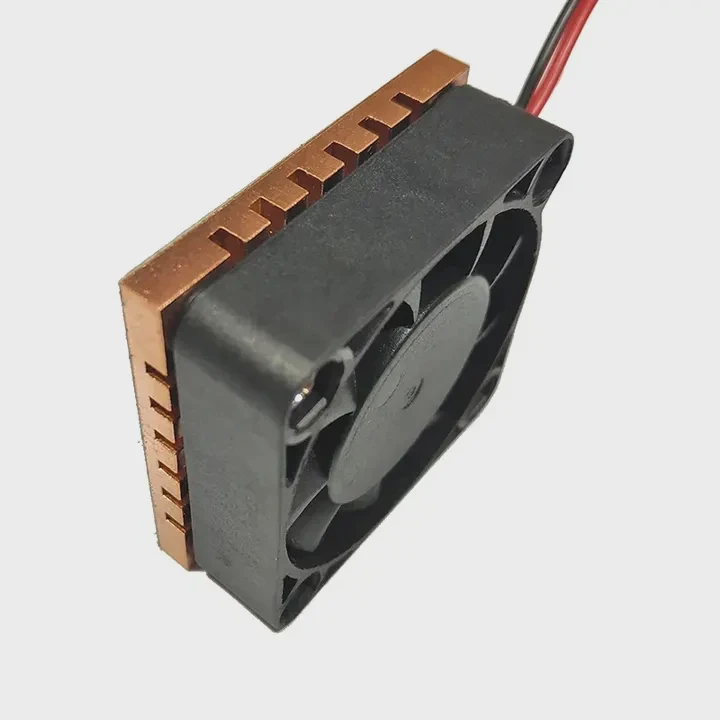
Selecting the right material for a vapor chamber is a critical step that impacts thermal performance, mechanical durability, production cost, and compatibility with the system environment.
The best material depends on application needs — copper for performance, aluminum for weight, and composites for balance.
Material choice also affects manufacturability, corrosion resistance, and fluid compatibility, so decisions must be application-driven.
What materials are best suited for Vapor Chambers?
Vapor chambers are typically made from metals due to their good thermal conductivity and structural integrity. The three most common options are copper, aluminum, and hybrid composites.
Copper is the most common material due to its superior thermal conductivity and reliability.
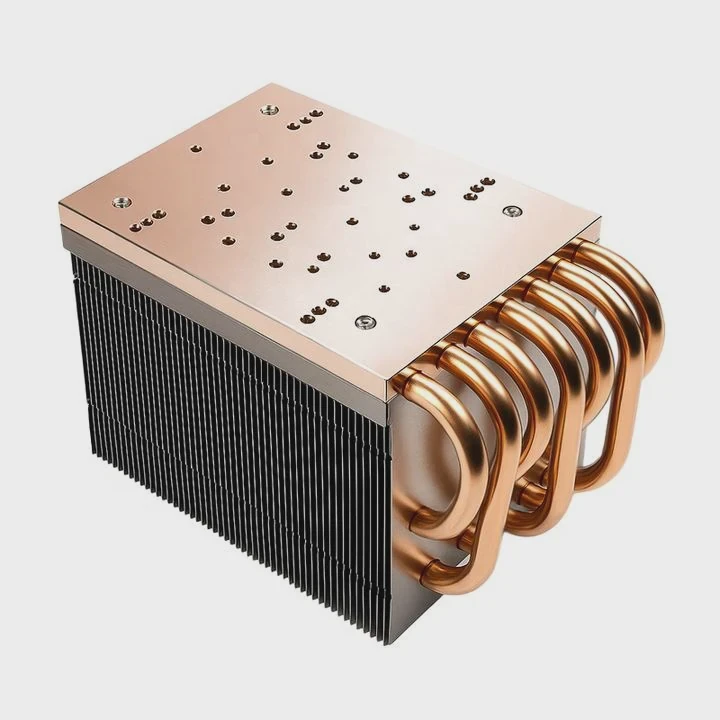
Copper offers low thermal resistance, which enhances heat spreading across the chamber surface. It’s ideal for power electronics and dense heat sources. Aluminum is used when weight and cost are critical, such as in portable devices. Hybrid materials are gaining popularity in systems that demand a balance between performance and weight.
Material Comparison Table
| Material | Thermal Conductivity (W/m·K) | Density (g/cm³) | Cost | Application Suitability |
|---|---|---|---|---|
| Copper | ~390–400 | 8.96 | High | High-power, critical systems |
| Aluminum | ~200–220 | 2.70 | Low | Lightweight, mobile systems |
| Composites | 150–300 (varies) | Varies | Medium–High | Balanced performance systems |
Material must also withstand thermal expansion and resist deformation over time, especially under cycling or vibration.
How to choose between copper, aluminium, alloys or composites?
Every design comes with trade-offs between weight, cost, thermal need, and structural constraints.
Choose copper for peak thermal performance, aluminum for light, low-cost designs, and composites when optimizing for both.
- Copper is ideal for applications with high thermal loads, especially where the vapor chamber must spread heat quickly across the surface.
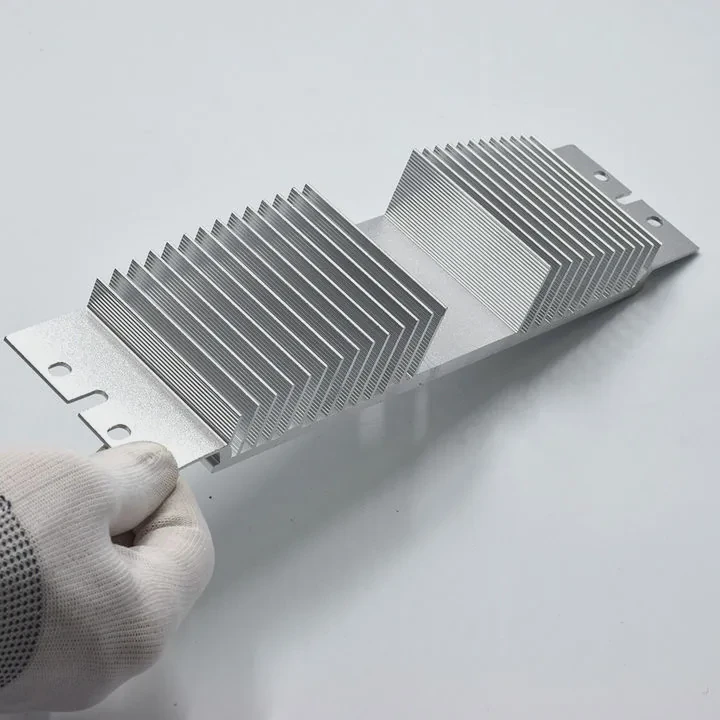
- Aluminum is easier to shape, lighter in weight, and more affordable, making it useful in compact devices and mass production.
- Composites like copper-aluminum laminates or metal-ceramic hybrids can deliver a tailored balance.
Also consider mechanical stress, formability, and whether your process includes soldering, welding, or adhesive bonding.
Selection Guide Summary
| Priority | Recommended Material |
|---|---|
| Maximum performance | Copper |
| Light weight | Aluminum |
| Balanced trade-offs | Hybrid/Composite |
| Low cost | Aluminum |
| High stiffness | Copper or Alloy |
If system cooling is borderline, always choose copper unless weight or budget makes it impossible.
Do environmental conditions influence material choice?
Yes, environmental conditions such as humidity, vibration, and corrosion exposure greatly affect material reliability.
Material must be chosen to resist corrosion, deformation, and fatigue under real-world conditions.
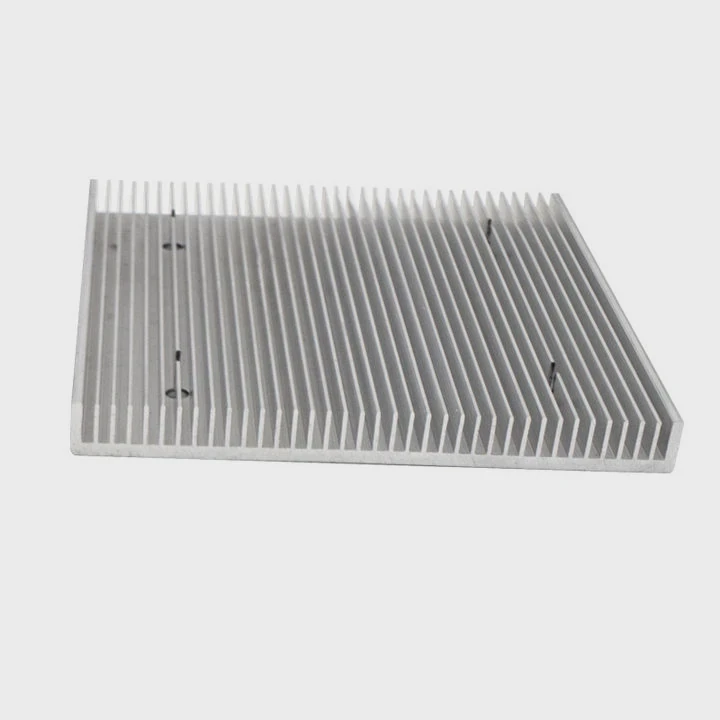
For instance:
- Humidity and corrosion: Copper resists corrosion well, especially with surface treatment. Aluminum can oxidize but is often anodized or coated.
- High vibration or shock: Choose metals with strong mechanical properties. Copper offers better fatigue resistance; reinforced aluminum alloys are sometimes suitable.
- Thermal cycling: Materials must maintain seal integrity and shape under expansion/contraction. Composite joints may be at risk if CTE (coefficient of thermal expansion) is mismatched.
Environmental tests like salt spray, thermal shock, or vibration stress are often used to validate material choice for aerospace or automotive-grade vapor chambers.
Is material compatibility with fluid and sealing critical?
Yes, the chamber material must be chemically compatible with the working fluid and sealing method to ensure long-term reliability.
Incompatible materials may corrode, contaminate the fluid, or cause seal failure.
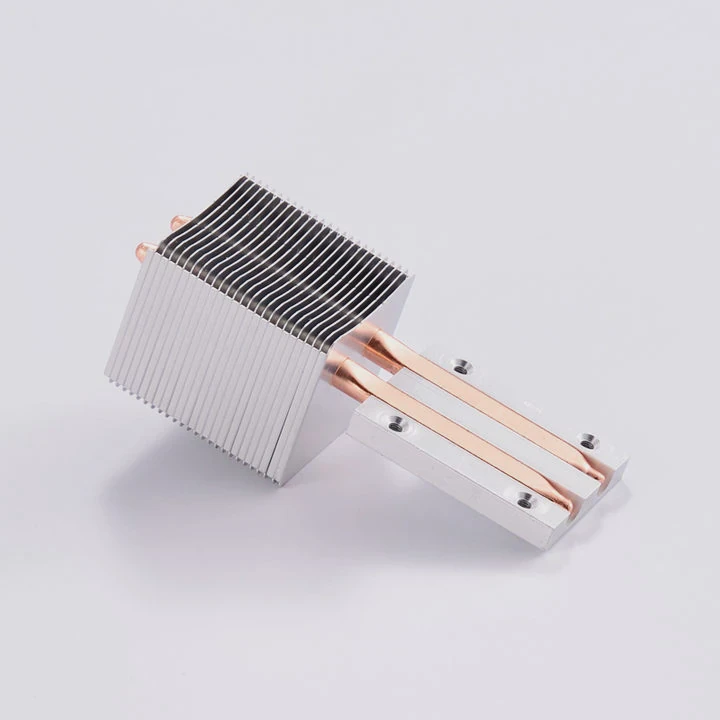
Most vapor chambers use deionized water or other specialized fluids inside. If the chamber material reacts with the fluid, it can degrade the wick or produce gas, which destroys vacuum stability. That’s why copper is preferred — it’s highly compatible with water and most sealing methods.
Welded or brazed seals must match the thermal expansion of the shell. For example, aluminum chambers often need specific alloys and fillers to maintain seal integrity.
Avoid combining dissimilar metals inside the chamber unless proven to be stable, as galvanic corrosion may occur.
Key Compatibility Considerations
| Factor | Consideration |
|---|---|
| Working fluid | Should not react with chamber metal |
| Wick material | Must bond well to shell, avoid corrosion |
| Seal type | Match CTE with shell to avoid stress |
| Internal coating (if any) | Must remain stable over temperature and time |
Ignoring these factors can cause internal contamination, seal loss, or failure under thermal cycling.
Conclusion
Material selection for vapor chambers must consider thermal performance, weight, cost, environment, and fluid compatibility. Copper offers the best heat spreading, aluminum provides weight savings, and composites balance the two. Choosing the wrong material can compromise thermal performance or cause early failure. The right material makes the chamber reliable and efficient in real-world use.
TAGS
Latest Articles

Volume discount levels for heat sink orders?
Buyers often ask when heat sink prices start to drop with volume. Many worry they’re overpaying for small orders. This guide explains how B2B volume pricing works for thermal components. Heat sink
21 Dec,2025
Heat sink long-term supply contract options?
Many buyers want stable pricing and reliable delivery for heat sinks. But without a clear contract, risks grow over time. This article explores how to secure better long-term supply deals. Long-term
21 Dec,2025
Tooling cost for new heat sink profiles?
Many engineers struggle to understand why tooling for custom heat sinks costs so much. They worry about budgeting and production timelines. This article breaks down the cost drivers behind tooling.
21 Dec,2025
Heat sink custom sample process steps?
Sometimes, starting a custom heat sink project feels overwhelming—too many steps, too many unknowns, and too many risks. You want a sample, but not endless delays. The process for requesting and
20 Dec,2025
Standard B2B terms for heat sink payments?
When buyers and sellers in B2B heat sink markets talk about payment, many don’t fully understand what’s standard. This can lead to delayed orders, miscommunication, and even lost business
20 Dec,2025
Heat sink pricing factors for large orders?
Heat sinks are vital for many systems. When prices rise, projects stall and budgets break. This problem can hit teams hard without warning. Large order heat sink pricing depends on many factors. You
20 Dec,2025Related Articles
- Which industries demand Vapor Chamber most?
- Vapor Chamber for telecom cooling racks
- Can Vapor Chamber function under vibration?
- How to avoid Vapor Chamber leakage?
- Does Vapor Chamber need corrosion protection?
- Vapor Chamber return policy examples?
- Recommended inspection tools for Vapor Chamber?
- Vapor Chamber machining lubrication options?
- How to source high precision Vapor Chamber?
- Vapor Chamber quality requirements for export?
- Does Vapor Chamber require cleanroom assembly?
- Can Vapor Chamber be made from stainless steel?
Author
Dr. Emily Chen
Chief AI Researcher
Leading expert in thermal dynamics and AI optimization with over 15 years of experience in data center efficiency research.
Categories
Latest Products






Recommend Categories
- Liquid cooling plate Manufacturer
- Industrial Heat Sink Manufacturer
- Standard Heat Sink Manufacturer
- Aluminum Heat Sink Manufacturer
- Copper Heat Sink Manufacturer
- Anodized Heatsink Manufacturer
- Stamping heat sink Manufacturer
- Die Casting Heatsink Manufacturer
- Soldering heat sink Manufacturer
- CNC Parts Manufacturer
Latest Products
- Wholesale Aluminum Radiator
- Water Cooling Plate Kit
- Water Cooling Heat Sink
- Water Cooling Heat Sink Kit
- Stainless Steel Water Distributor
- Server Water Cooling Plate Kit
- Server Liquid Cooling System
- Server Aluminum Cooling Kit
- S19 Full Cover Cooling Plate
- S19 Cooling Plate Kit
- S19 Aluminum Cooling Plate
Contact Expert
Have questions about this article? Reach out to our experts directly.