How to source high precision Vapor Chamber?

When you need a top‑tier vapor chamber, it’s easy to pick a supplier wrong and waste time and money.
You can source high‑precision vapor chambers by carefully vetting suppliers, verifying capabilities, testing samples, and prototyping before full production.
Let’s walk through the right steps to get quality parts you can trust.
I’ll guide you through how to check suppliers, review test data, and confirm results before large orders.
What steps should be taken to source high-precision Vapor Chambers?
Sourcing high‑precision vapor chambers looks simple, but many buyers skip key steps and regret it later.
First step is to shortlist several qualified suppliers, request detailed specs and quality history, then decide whom to audit and test.
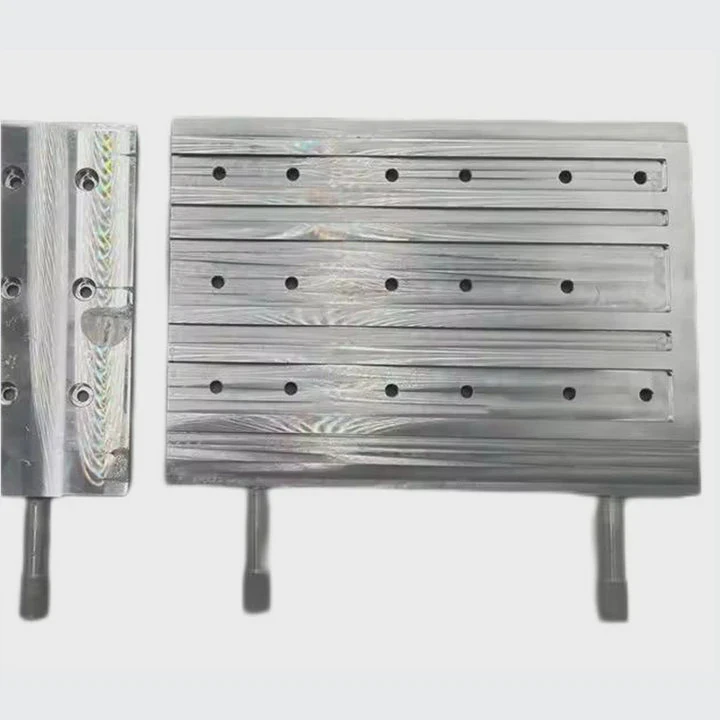
Key Steps in a Reliable Sourcing Process
| Step | Purpose |
|---|---|
| List potential suppliers with relevant experience | Ensures manufacturer understands vapor chambers and tight tolerances |
| Request specification sheet + manufacturing capability documents | Checks if supplier can meet geometry, material, sealing and flatness requirements |
| Ask for previous batch test reports and QC logs | Helps you verify consistency and quality history |
| Audit supplier (in person or virtual) | Confirms actual processes, equipment, and workforce skill |
| Order small sample batch for evaluation | Tests real performance before committing large volume |
| Perform acceptance tests (thermal, leak, dimensional) on samples | Verifies supplier meets your design and performance criteria |
| Approve or reject — then proceed to larger orders only if all tests pass | Reduces risk of large-scale defects |
When the steps above are followed, buyers avoid nasty surprises. Experienced suppliers often have data logs, drawings, and past QC reports. Those give clues about consistency.
If a supplier hesitates to share, treat that as a warning sign.
An in‑person or video audit helps. You can check surface finish, weld quality, internal vacuuming or brazing process, assembly clean‑room (if needed), and final packaging.
Once audit and paperwork are satisfactory, order a small sample batch. Then run your own tests. Only approve supplier after samples pass your criteria.
This approach avoids blind trust. It also shows that you act as a serious buyer. Most professional suppliers respect that and respond faster.
How to assess supplier capability for tight tolerances?
Some suppliers say they can meet tight tolerances — but words are cheap.
Real capability shows in their records: past batch specs, internal QC tolerances, reporting discipline, and equipment quality.
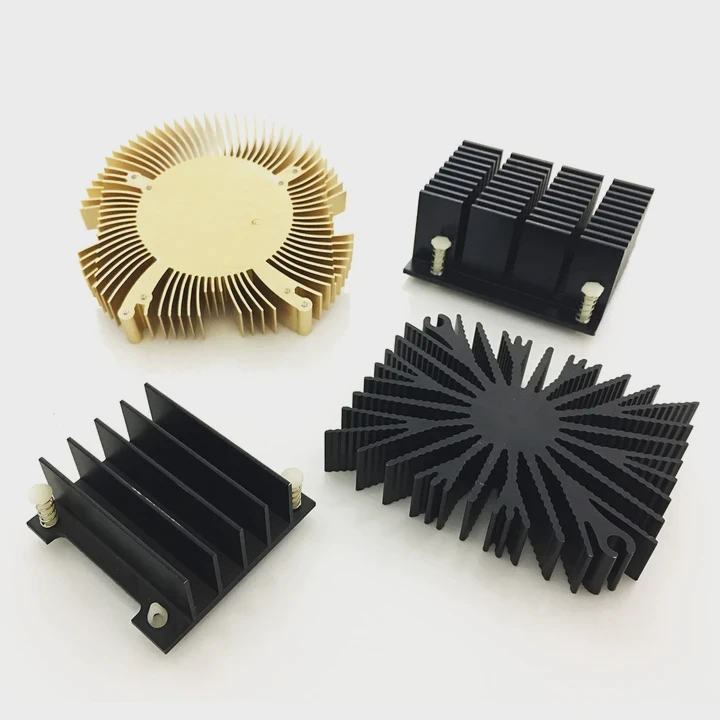
What to check to judge supplier precision ability
| Capability Area | What to Inspect |
|---|---|
| Dimensional control | Past dimensional reports, flatness & thickness data, surface roughness records |
| Sealing and vacuum integrity | Leak test records, vacuum level logs, brazing/weld certificates |
| Material traceability | Material certificates, alloy batch numbers, plating/cleaning records |
| Manufacturing repeatability | Batch‑to‑batch variance in key metrics (thickness, flatness, leak rate) |
| Equipment and process control | Use of CNC, lasers, clean‑room, calibrated measuring tools |
Audit and Verification Items
- Check past inspection reports for thickness, flatness, and warpage values.
- Look for leak test graphs or vacuum hold‑time logs.
- Confirm they keep material certificates and batch numbers.
- Ensure they use precise equipment (CNC, laser welders, vac pumps) and calibrated tools.
- Ask for photos of process steps — e.g. brazing furnace, vacuum chamber, inspection station.
If these records are missing or incomplete, supplier likely can’t guarantee repeatable precision.
Also consider their manufacturing volume and workload. A small shop may produce a handful per month and track each carefully. Larger factories may handle many, but risk batch variation if process control is weak.
At this point, you may want to request a small trial order. Then measure critical dimensions, flatness, and vacuum hold under your own conditions. That gives real data on their capability.
Are reference test reports needed for precision units?
Many buyers skip asking for past reports. That reduces transparency and raises risk.
Yes — reference test reports are crucial. They prove that the supplier has produced high‑precision chambers and maintained quality over time.
Why historic test reports matter
- They show real-world results, not ideal specs.
- They reveal consistency across multiple units or batches.
- They help detect potential issues like leak rate drift, flatness variations, or vacuum degradation.
- They allow you to compare supplier output to your requirements before committing.
When you inspect reference reports, pay attention to the following:
- Dates and batch numbers — so you know how recent they are.
- Test conditions — were they under heat load, ambient environment, or standard lab conditions?
- Measured parameters — vacuum pressure, leak rate (e.g. 10⁻⁵ mbar·l/s), flatness deviation (µm), thickness variation, thermal spread, temperature drop under load.
If the supplier provides reports covering multiple batches over months, even years — that is a positive signal. It shows they monitor consistency and care about quality history.
Always request original test data (not just summary), including raw readings or graphs. Do not accept only “pass/fail” notes when you require tight precision.
If supplier cannot share any valid reference reports, treat them as new/unproven. Use small orders and full testing before scaling up.
Should prototyping be done before full production of high-precision chambers?
Ordering straight to full production without trial is risky. Surface finish, flatness, vacuum sealing, and internal structure can vary batch to batch.
Yes — prototyping a small batch is essential to validate supplier capability before large orders.
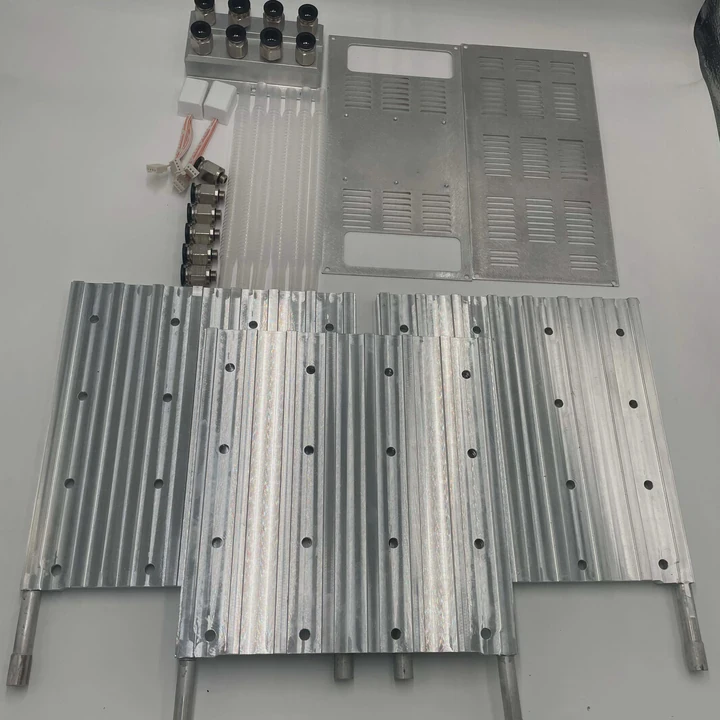
When and how to prototype wisely
- Prototype after you complete supplier audit and document review.
- Request a small set (e.g. 3–10 units) with same process used for mass production — same material, same weld/braze parameters, same vacuum/evac process.
- Upon receipt, run full set of acceptance tests:
- Dimensional check (flatness, thickness, warpage)
- Vacuum / leak test (e.g. helium‑leak, hold time under vacuum)
- Thermal test under design load (power, ambient, thermal interface).
- Visual inspection for weld quality, surface finish, plating or coating integrity.
- Dimensional check (flatness, thickness, warpage)
Example prototype evaluation table
| Unit ID | Flatness (µm) | Leak rate (mbar·l/s) | Thermal performance (°C drop) | Result |
|---|---|---|---|---|
| P‑01 | 18 | < 1e‑5 | 10 | Pass |
| P‑02 | 22 | < 1e‑5 | 9.5 | Pass |
| P‑03 | 25 | 2e‑5 | 11 | Fail |
If any unit fails, supplier must correct process and rework before you approve bulk orders.
Prototyping gives you real confidence. It helps catch hidden issues like varied internal wick contact, uneven braze, slight vacuum leaks, or inconsistent surface flatness.
Once prototype batch passes all tests, you can supply updated drawings and specs to supplier. Then you lock in process controls and batch inspection criteria to keep repeatability.
Conclusion
Sourcing high‑precision vapor chambers demands more than price quotes. You need to vet suppliers, inspect their records, request reference tests, and always start with prototypes. If you follow these steps, you can trust the chambers you get — not just hope for the best.
TAGS
Latest Articles
Volume discount levels for heat sink orders?
Buyers often ask when heat sink prices start to drop with volume. Many worry they’re overpaying for small orders. This guide explains how B2B volume pricing works for thermal components. Heat sink
21 Dec,2025
Heat sink long-term supply contract options?
Many buyers want stable pricing and reliable delivery for heat sinks. But without a clear contract, risks grow over time. This article explores how to secure better long-term supply deals. Long-term
21 Dec,2025
Tooling cost for new heat sink profiles?
Many engineers struggle to understand why tooling for custom heat sinks costs so much. They worry about budgeting and production timelines. This article breaks down the cost drivers behind tooling.
21 Dec,2025
Heat sink custom sample process steps?
Sometimes, starting a custom heat sink project feels overwhelming—too many steps, too many unknowns, and too many risks. You want a sample, but not endless delays. The process for requesting and
20 Dec,2025
Standard B2B terms for heat sink payments?
When buyers and sellers in B2B heat sink markets talk about payment, many don’t fully understand what’s standard. This can lead to delayed orders, miscommunication, and even lost business
20 Dec,2025
Heat sink pricing factors for large orders?
Heat sinks are vital for many systems. When prices rise, projects stall and budgets break. This problem can hit teams hard without warning. Large order heat sink pricing depends on many factors. You
20 Dec,2025Related Articles
- Vapor Chamber machining lubrication options?
- Recommended inspection tools for Vapor Chamber?
- Vapor Chamber material selection guidelines
- Which industries demand Vapor Chamber most?
- Vapor Chamber for telecom cooling racks
- Can Vapor Chamber function under vibration?
- Vapor Chamber quality requirements for export?
- Does Vapor Chamber require cleanroom assembly?
- Can Vapor Chamber be made from stainless steel?
- Vapor Chamber lifecycle management guide
- Does Vapor Chamber need RoHS reports?
- Vapor Chamber drying method after cleaning?
Author
Dr. Emily Chen
Chief AI Researcher
Leading expert in thermal dynamics and AI optimization with over 15 years of experience in data center efficiency research.
Categories
Latest Products






Recommend Categories
- Liquid cooling plate Manufacturer
- Industrial Heat Sink Manufacturer
- Standard Heat Sink Manufacturer
- Aluminum Heat Sink Manufacturer
- Copper Heat Sink Manufacturer
- Anodized Heatsink Manufacturer
- Stamping heat sink Manufacturer
- Die Casting Heatsink Manufacturer
- Soldering heat sink Manufacturer
- CNC Parts Manufacturer
Latest Products
- Wholesale Aluminum Radiator
- Water Cooling Plate Kit
- Water Cooling Heat Sink
- Water Cooling Heat Sink Kit
- Stainless Steel Water Distributor
- Server Water Cooling Plate Kit
- Server Liquid Cooling System
- Server Aluminum Cooling Kit
- S19 Full Cover Cooling Plate
- S19 Cooling Plate Kit
- S19 Aluminum Cooling Plate
Contact Expert
Have questions about this article? Reach out to our experts directly.