Recommended inspection tools for Vapor Chamber?
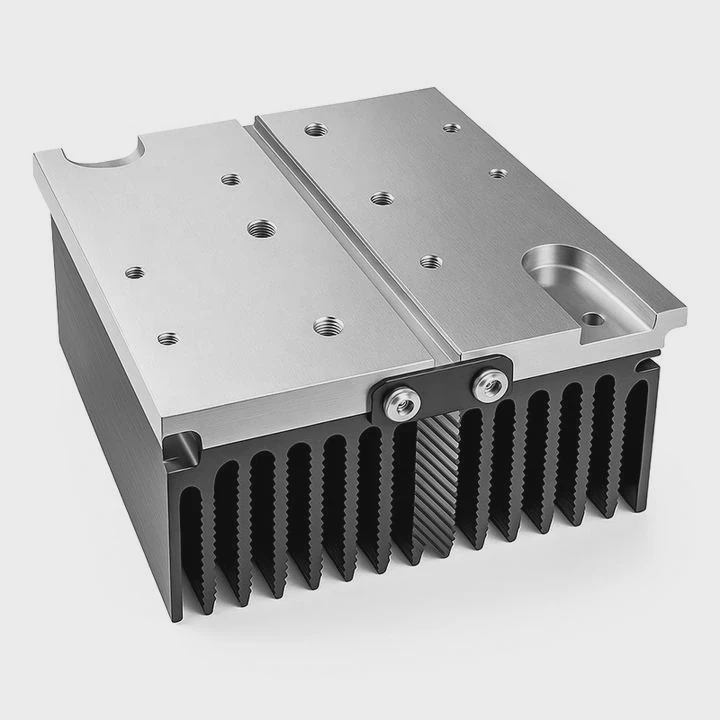
Even minor defects in a vapor chamber can lead to serious failures in heat transfer systems. Poor sealing, uneven surfaces, or internal leaks are invisible to the eye.
A reliable vapor chamber inspection process needs precise tools for surface, thickness, vacuum integrity, and weld quality. These tools prevent thermal failures and support long-term performance.
Let’s explore the most effective tools and how to use and maintain them properly.
What inspection tools are recommended for Vapor Chambers?
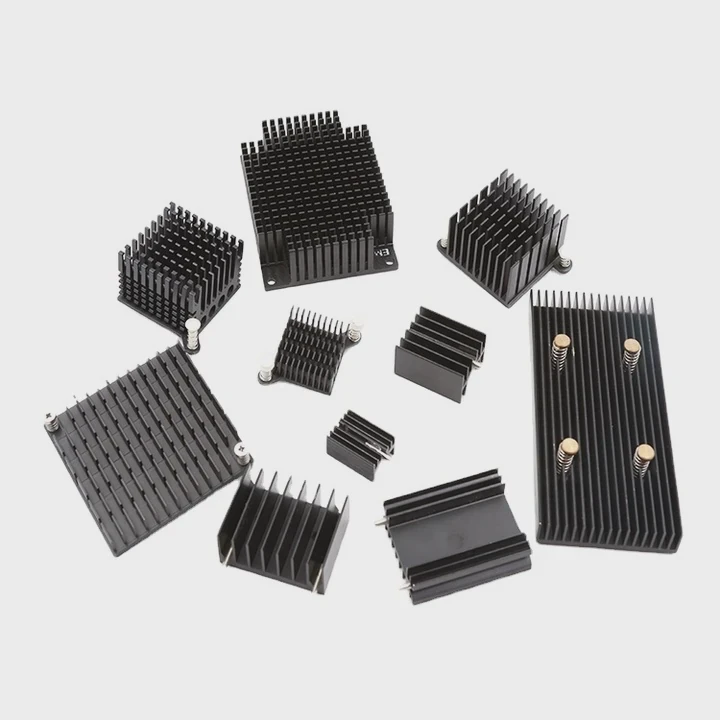
To inspect vapor chambers, we need to confirm geometry, surface contact, internal vacuum, and structural integrity. Here are the most essential tools:
Core Inspection Tools
| Tool | Function | Importance |
|---|---|---|
| Micrometers / Calipers | Measure wall and overall thickness | Ensures design tolerance |
| Surface Flatness Gauges | Detect warping or distortion | Critical for thermal contact |
| Vacuum Leak Detectors | Detect micro-leaks | Verifies sealing integrity |
| Pressure Decay Test Rigs | Monitor vacuum hold over time | Confirms long-term seal |
| Optical Inspection | Check surface and welds visually | Detects defects |
| Dye Penetrant / Ultrasonic | Non-destructive flaw detection | Reveals hidden weld faults |
Each tool checks different quality aspects. Used together, they build a full picture of vapor chamber integrity.
Are micrometers and flatness gauges used for chamber surfaces?
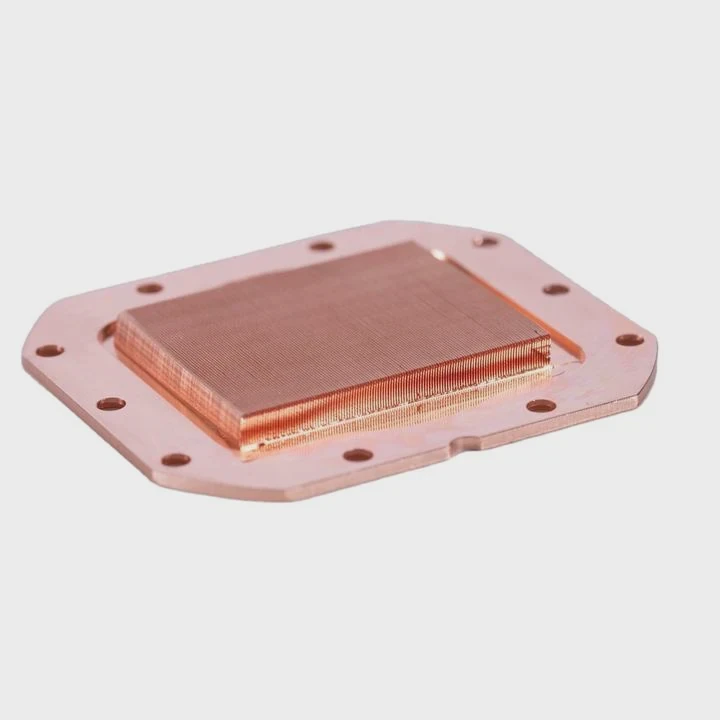
Yes. Dimensional precision is critical in thermal systems. Even tiny gaps or uneven thickness can reduce heat transfer efficiency.
Micrometers measure vapor chamber thickness and confirm production tolerance. Flatness gauges ensure base surface uniformity, essential for perfect contact with heatsinks.
How to use them effectively
- Use micrometers on multiple edges and center points to check uniform thickness
- Place the chamber on a granite surface plate and use feeler gauges to detect warping
- Use laser or optical flatness scanners for high-precision applications
Flat vapor chamber surfaces allow better contact with CPUs, GPUs, or cold plates. Uneven surfaces create thermal resistance.
Is vacuum-leak detector required for inspection?
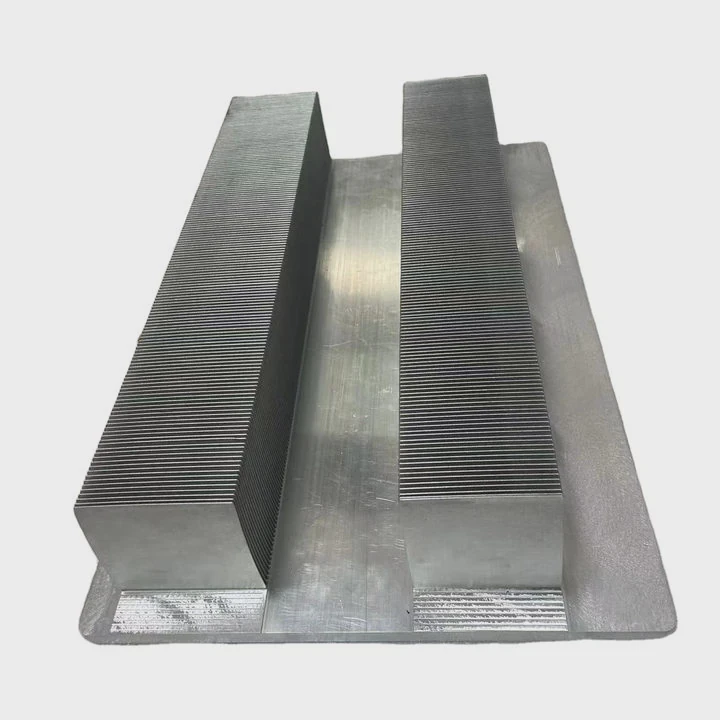
Absolutely. Vapor chambers rely on sealed, vacuum-filled cavities. Even a pinhole leak degrades performance or causes total failure.
Vacuum-leak detectors, especially helium-based sniffers or mass spectrometer systems, are critical for identifying leaks during or after production.
Common leak testing methods
| Method | Description | When to Use |
|---|---|---|
| Helium Sniffer | Spray helium outside; detector senses entry | Precision testing, aerospace, high-end cooling |
| Pressure Decay | Pressurize chamber and monitor pressure loss | Fast and scalable for production |
| Vacuum Decay | Evacuate chamber and monitor vacuum loss | Standard for passive cooling parts |
Testing is usually performed after welding or brazing steps. For mass production, pressure decay tests are more common. For critical devices, helium sniffing offers better sensitivity.
How often should these inspection tools be calibrated?
Even the best tools lose accuracy over time. Regular calibration ensures consistent inspection results.
Calibration schedules vary by tool type and usage frequency, but critical tools should be checked at least once per year, or more often in production environments.
Suggested Calibration Frequency
| Tool | Calibration Frequency | Notes |
|---|---|---|
| Micrometers / Calipers | Every 6–12 months | Check more often if dropped |
| Leak Detectors | Every 3–6 months | Use reference leaks for spot checks |
| Pressure Gauges | Monthly or per batch | Environment affects accuracy |
| Surface Plates | Yearly | Inspect for scratches or warping |
| Optical Instruments | Annually | Verify against known standards |
In cleanroom or aerospace production, weekly or per-batch calibration may be required. Always log calibration results for traceability.
Conclusion
Reliable vapor chamber inspection depends on the right tools: micrometers for thickness, gauges for flatness, leak detectors for seal integrity. Non-destructive testing ensures internal quality. Calibration keeps measurements accurate. A strong inspection process means longer-lasting, safer, and more effective thermal systems.
TAGS
Latest Articles

Volume discount levels for heat sink orders?
Buyers often ask when heat sink prices start to drop with volume. Many worry they’re overpaying for small orders. This guide explains how B2B volume pricing works for thermal components. Heat sink
21 Dec,2025
Heat sink long-term supply contract options?
Many buyers want stable pricing and reliable delivery for heat sinks. But without a clear contract, risks grow over time. This article explores how to secure better long-term supply deals. Long-term
21 Dec,2025
Tooling cost for new heat sink profiles?
Many engineers struggle to understand why tooling for custom heat sinks costs so much. They worry about budgeting and production timelines. This article breaks down the cost drivers behind tooling.
21 Dec,2025
Heat sink custom sample process steps?
Sometimes, starting a custom heat sink project feels overwhelming—too many steps, too many unknowns, and too many risks. You want a sample, but not endless delays. The process for requesting and
20 Dec,2025
Standard B2B terms for heat sink payments?
When buyers and sellers in B2B heat sink markets talk about payment, many don’t fully understand what’s standard. This can lead to delayed orders, miscommunication, and even lost business
20 Dec,2025
Heat sink pricing factors for large orders?
Heat sinks are vital for many systems. When prices rise, projects stall and budgets break. This problem can hit teams hard without warning. Large order heat sink pricing depends on many factors. You
20 Dec,2025Related Articles
- Vapor Chamber material selection guidelines
- Which industries demand Vapor Chamber most?
- Vapor Chamber for telecom cooling racks
- Can Vapor Chamber function under vibration?
- How to avoid Vapor Chamber leakage?
- Does Vapor Chamber need corrosion protection?
- Vapor Chamber machining lubrication options?
- How to source high precision Vapor Chamber?
- Vapor Chamber quality requirements for export?
- Does Vapor Chamber require cleanroom assembly?
- Can Vapor Chamber be made from stainless steel?
- Vapor Chamber lifecycle management guide
Author
Dr. Emily Chen
Chief AI Researcher
Leading expert in thermal dynamics and AI optimization with over 15 years of experience in data center efficiency research.
Categories
Latest Products






Recommend Categories
- Liquid cooling plate Manufacturer
- Industrial Heat Sink Manufacturer
- Standard Heat Sink Manufacturer
- Aluminum Heat Sink Manufacturer
- Copper Heat Sink Manufacturer
- Anodized Heatsink Manufacturer
- Stamping heat sink Manufacturer
- Die Casting Heatsink Manufacturer
- Soldering heat sink Manufacturer
- CNC Parts Manufacturer
Latest Products
- Wholesale Aluminum Radiator
- Water Cooling Plate Kit
- Water Cooling Heat Sink
- Water Cooling Heat Sink Kit
- Stainless Steel Water Distributor
- Server Water Cooling Plate Kit
- Server Liquid Cooling System
- Server Aluminum Cooling Kit
- S19 Full Cover Cooling Plate
- S19 Cooling Plate Kit
- S19 Aluminum Cooling Plate
Contact Expert
Have questions about this article? Reach out to our experts directly.