Does Vapor Chamber require cleanroom assembly?
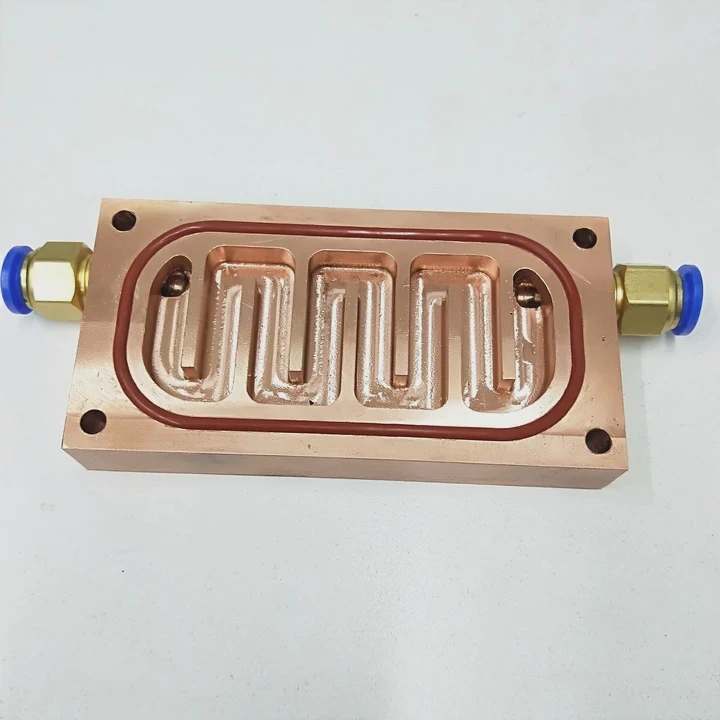
Manufacturing a vapor chamber involves precise sealing, wick installation, and fluid filling. Dust or particle contamination can undermine internal capillary action and fluid cycling.
Yes — vapor chambers benefit from cleanroom or clean-controlled assembly, especially during wick placement, fluid fill, and vacuum sealing. Contamination may block the wick or degrade performance over time.
Let’s walk through how and why clean conditions impact function, durability, and final thermal efficiency.
Should Vapor Chambers be assembled in cleanroom conditions?
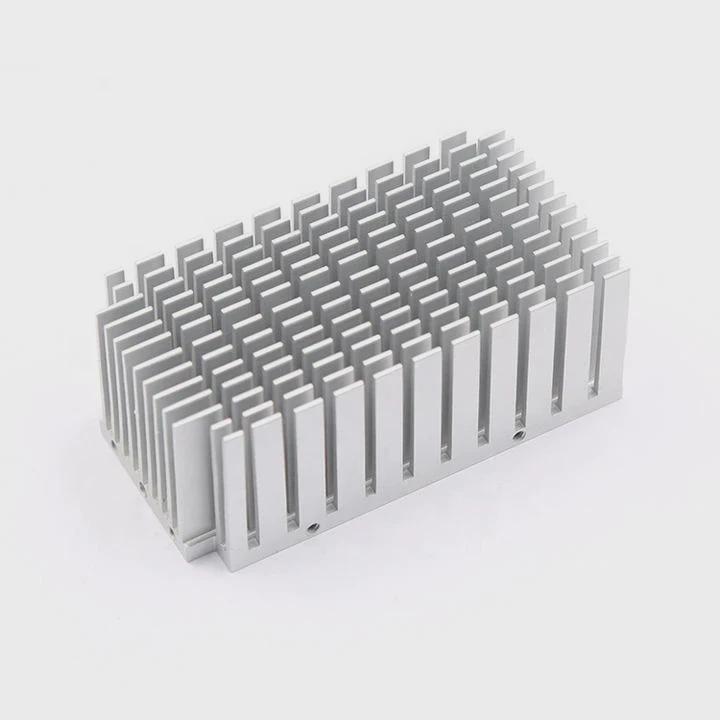
Vapor chambers are closed-loop thermal spreaders with a vacuum-sealed core. Internally, the porous wick transports fluid via capillary action — a system that can be easily disrupted by dust, oil, or metal shavings.
Assembly in a cleanroom or particulate-controlled area helps prevent internal contamination that would otherwise affect long-term thermal performance.
Typical clean practices include:
- Cleaning all internal copper or aluminum parts before welding or bonding
- Filtering air in wick insertion and fluid filling areas
- Wearing gloves to avoid introducing skin oils or particulates
- Pre-heating or vacuum-drying internal parts to remove moisture
While consumer-grade vapor chambers might be built in semi-clean areas, high-performance or aerospace-grade units often demand ISO-class cleanrooms — especially during fluid charging and final sealing.
Does contamination affect wick or fluid function?
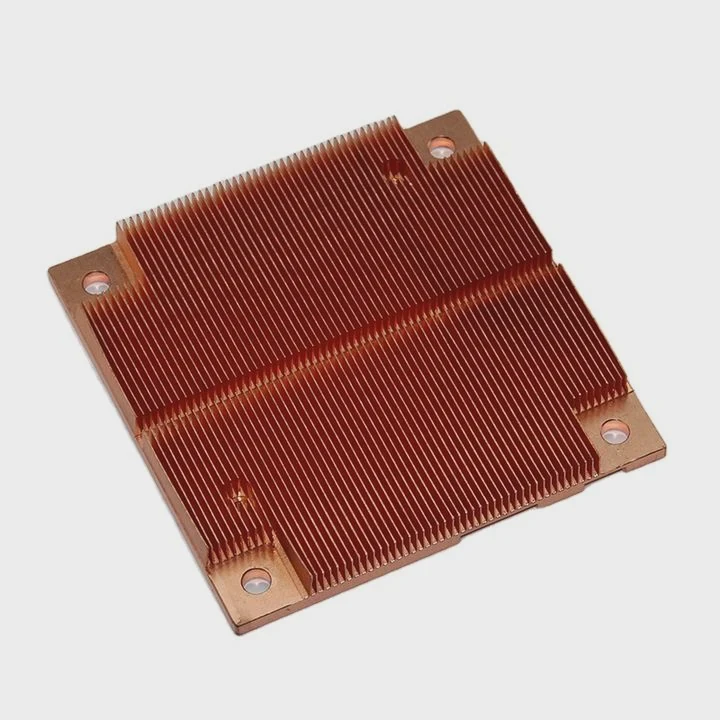
Yes — contamination is one of the biggest risks to vapor chamber performance.
Particles or chemical residues trapped during assembly can clog the wick, prevent proper capillary return of fluid, and disturb internal vapor flow.
Potential consequences include:
- Local dry-out areas
- Uneven heat spreading
- Delayed startup or thermal cycling response
- Formation of non-condensable gases if contaminants decompose
The wick is typically sintered copper or mesh — full of micro-channels that draw fluid via surface tension. Even small particles can block these pores, especially when fluids are working under low pressure.
In some cases, unseen contaminants (e.g. flux residue or solder paste vapor) may enter during sealing, slowly degrading the fluid over months.
For best performance, manufacturers:
Rinse and ultrasonic-clean wick structures before install
Filter fill fluids
Use vacuum bake-out or degassing
Handle parts with particle-free gloves
Are adhesive or sealing processes sensitive to dust and particles?
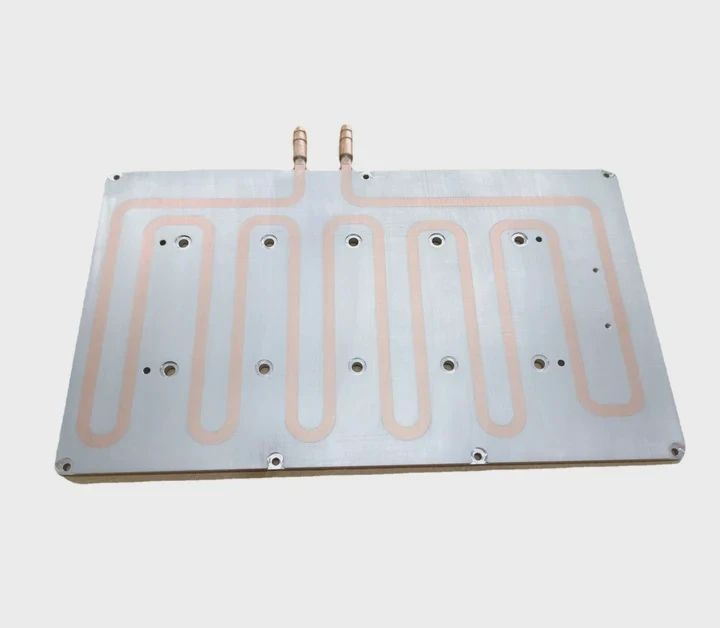
Yes — most sealing methods used in vapor chamber production require very clean surfaces to ensure hermetic integrity.
Dust or residue between bonded surfaces can cause microleaks, voids, or long-term degradation — particularly for vacuum-based systems.
Common sealing processes include:
- Diffusion bonding
- Vacuum brazing
- Laser or TIG welding
- Adhesive perimeter sealing (less common)
Each process relies on:
- Oxide-free, contaminant-free contact areas
- Controlled temperature and pressure
- Clean surface roughness
Dust or oxidation interferes with bonding — which may not cause immediate leaks, but can fail after thermal cycles. For instance, improper bonding might let air in over time, raising internal pressure and causing fluid breakdown.
To avoid these issues:
Surfaces are mechanically cleaned or pickled before bonding
Assembly steps are done in filtered rooms
Final assemblies are tested for vacuum integrity post-seal
Is cleanroom class specified for Vapor Chamber assembly?
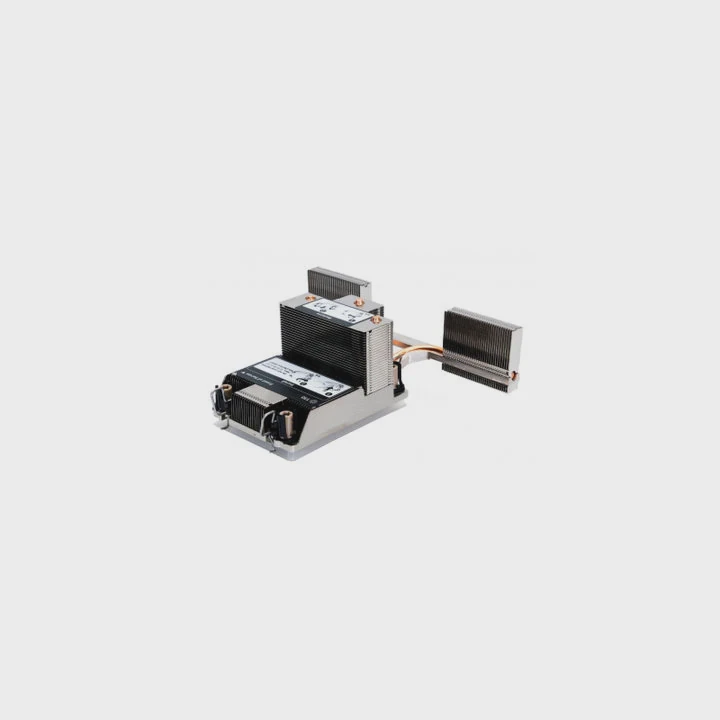
There’s no global standard that requires a specific ISO cleanroom class for vapor chamber manufacturing — but industry practice often follows ISO Class 7–8 environments for key steps.
Key processes like:
- Wick cleaning and installation
- Fluid charging
- Final vacuum sealing
are often performed in laminar flow benches or enclosed cabinets with HEPA filtration, even if not formally “cleanroom certified.”
For critical applications — such as in aerospace, defense, or high-density servers — the entire assembly may occur under ISO Class 5–6 conditions.
A possible classification guideline:
| Process Step | Recommended Environment |
|---|---|
| Initial shell fabrication | Normal production floor |
| Wick insertion | Clean area or ISO 7–8 |
| Fluid fill and sealing | ISO 6–7 laminar flow hood |
| Final test and packaging | ISO 7–8 or sealed workstation |
Lack of cleanliness may not show during early use — but long-term field data supports that chambers built under clean protocols fail less often.
Conclusion
Cleanroom or clean-controlled assembly is essential for vapor chambers that require long lifespan, stable heat spreading, and vacuum integrity. Contaminants affect wick structure, sealing, and fluid performance. While ISO classification isn’t always mandatory, applying clean handling during wick placement, fluid fill, and sealing is considered industry best practice. For high-reliability designs, cleanroom assembly adds consistency and durability.
TAGS
Latest Articles

Volume discount levels for heat sink orders?
Buyers often ask when heat sink prices start to drop with volume. Many worry they’re overpaying for small orders. This guide explains how B2B volume pricing works for thermal components. Heat sink
21 Dec,2025
Heat sink long-term supply contract options?
Many buyers want stable pricing and reliable delivery for heat sinks. But without a clear contract, risks grow over time. This article explores how to secure better long-term supply deals. Long-term
21 Dec,2025
Tooling cost for new heat sink profiles?
Many engineers struggle to understand why tooling for custom heat sinks costs so much. They worry about budgeting and production timelines. This article breaks down the cost drivers behind tooling.
21 Dec,2025
Heat sink custom sample process steps?
Sometimes, starting a custom heat sink project feels overwhelming—too many steps, too many unknowns, and too many risks. You want a sample, but not endless delays. The process for requesting and
20 Dec,2025
Standard B2B terms for heat sink payments?
When buyers and sellers in B2B heat sink markets talk about payment, many don’t fully understand what’s standard. This can lead to delayed orders, miscommunication, and even lost business
20 Dec,2025
Heat sink pricing factors for large orders?
Heat sinks are vital for many systems. When prices rise, projects stall and budgets break. This problem can hit teams hard without warning. Large order heat sink pricing depends on many factors. You
20 Dec,2025Related Articles
- Vapor Chamber quality requirements for export?
- How to source high precision Vapor Chamber?
- Vapor Chamber machining lubrication options?
- Recommended inspection tools for Vapor Chamber?
- Vapor Chamber material selection guidelines
- Which industries demand Vapor Chamber most?
- Can Vapor Chamber be made from stainless steel?
- Vapor Chamber lifecycle management guide
- Does Vapor Chamber need RoHS reports?
- Vapor Chamber drying method after cleaning?
- How to detect Vapor Chamber micro leaks?
- Can Vapor Chamber be used vertically?
Author
Dr. Emily Chen
Chief AI Researcher
Leading expert in thermal dynamics and AI optimization with over 15 years of experience in data center efficiency research.
Categories
Latest Products






Recommend Categories
- Liquid cooling plate Manufacturer
- Industrial Heat Sink Manufacturer
- Standard Heat Sink Manufacturer
- Aluminum Heat Sink Manufacturer
- Copper Heat Sink Manufacturer
- Anodized Heatsink Manufacturer
- Stamping heat sink Manufacturer
- Die Casting Heatsink Manufacturer
- Soldering heat sink Manufacturer
- CNC Parts Manufacturer
Latest Products
- Wholesale Aluminum Radiator
- Water Cooling Plate Kit
- Water Cooling Heat Sink
- Water Cooling Heat Sink Kit
- Stainless Steel Water Distributor
- Server Water Cooling Plate Kit
- Server Liquid Cooling System
- Server Aluminum Cooling Kit
- S19 Full Cover Cooling Plate
- S19 Cooling Plate Kit
- S19 Aluminum Cooling Plate
Contact Expert
Have questions about this article? Reach out to our experts directly.