Can Vapor Chamber be used vertically?
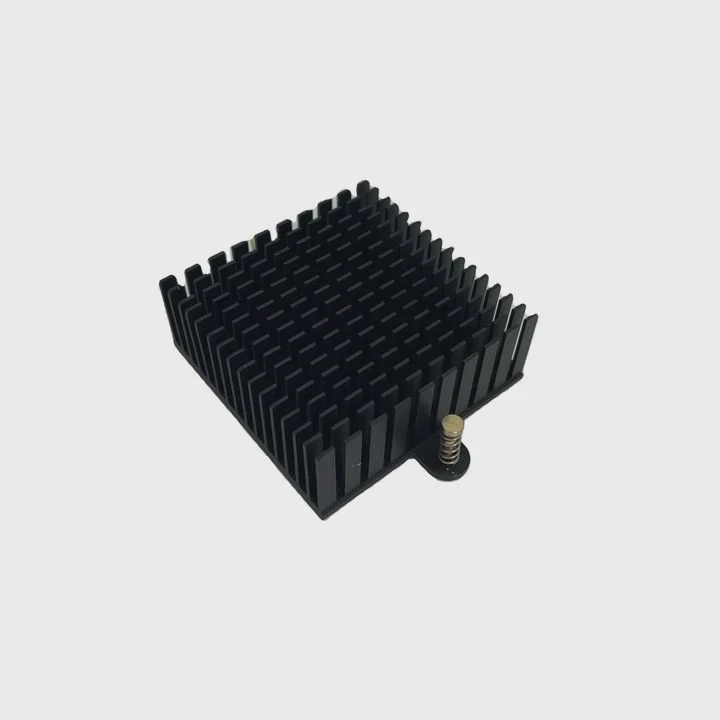
Many engineers ask if vapor chambers work the same way when mounted vertically. Misunderstanding this may lead to reduced cooling or even failure in real applications.
Yes — vapor chambers can operate vertically, but performance depends on wick design, gravity effects, and thermal load.
Let’s examine how orientation impacts performance and what design features support vertical use.
Can Vapor Chambers operate effectively in a vertical orientation?
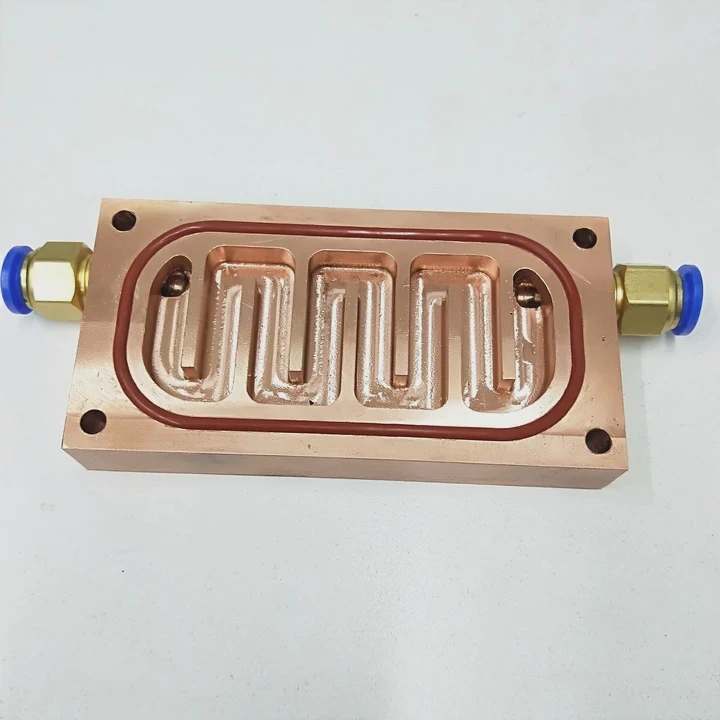
Vapor chambers work by boiling a liquid at the heat source and condensing the vapor at a cooler region. The liquid must then return to the hot zone to repeat the cycle.
In most cases, vertical operation is possible, but it depends on the strength of the capillary wick inside the chamber.
If the wick can move fluid against gravity, the vapor chamber still works. But in weaker wick structures, performance drops when mounted vertically—especially if the condenser is below the heat source. That’s because liquid return is slowed or blocked.
Designs with high-performance sintered or mesh wicks often show similar cooling whether mounted flat or upright. Still, results vary by product and heat load.
Does gravity affect liquid return in vertical Vapor Chambers?
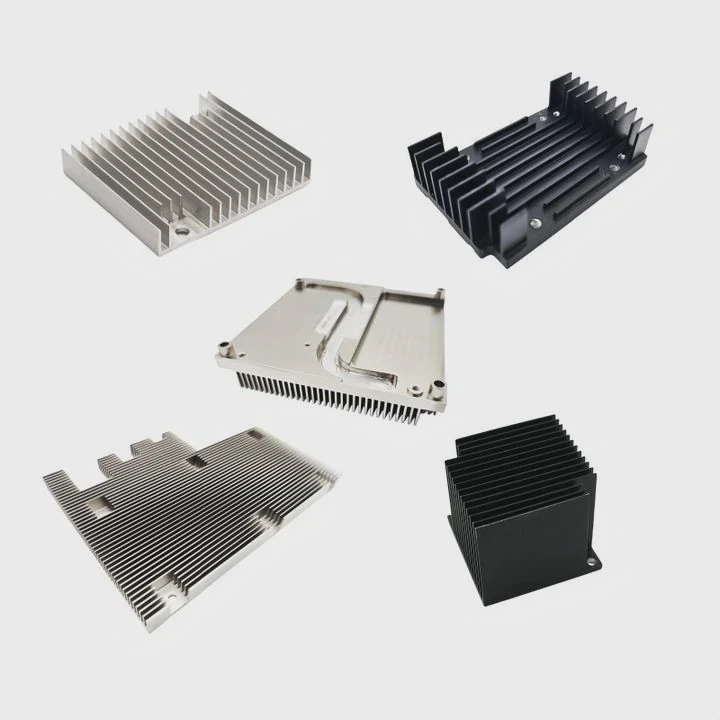
Yes, gravity has an effect. It can slow or prevent the return of liquid from the condenser to the evaporator, depending on the chamber’s orientation.
When the condenser sits below the evaporator, gravity opposes the return flow of liquid, increasing thermal resistance if the wick can’t overcome it.
Capillary action vs. gravity
| Factor | Effect |
|---|---|
| Strong wick (fine pores) | Can overcome gravity, supports vertical use |
| Weak wick (large pores) | Struggles in vertical setups |
| Proper fill level | Supports stable flow cycle |
| Poor orientation | Can lead to dry-out or overheating |
Systems with good wick design still perform well vertically, but always test at the final installation angle.
Are Vapor Chambers designed for any orientation or only horizontal?
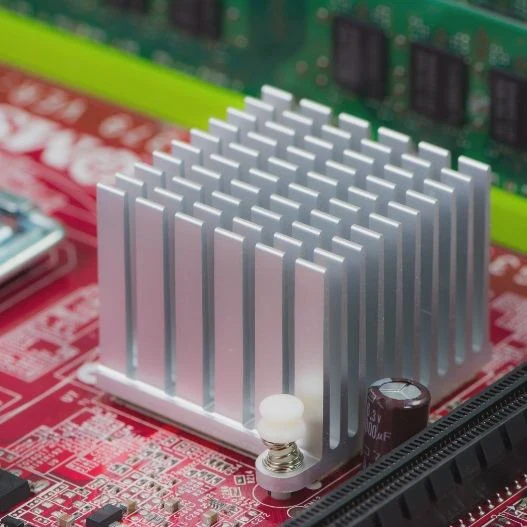
Most vapor chambers are designed for horizontal use. Manufacturers usually test them in this orientation by default.
Some designs support flexible mounting, but many standard vapor chambers perform best when flat.
Products used in laptops, servers, or flat modules typically assume a horizontal position. However, devices like vertical GPU mounts or industrial controllers may need upright cooling. In such cases, engineers must verify the vapor chamber still maintains effective liquid return.
Orientation guidelines
| Orientation | Suitability |
|---|---|
| Horizontal (0°) | Ideal, default design |
| Tilted (15°–45°) | Usually acceptable |
| Vertical (90°) | Requires strong wick and testing |
Always check with the manufacturer or perform your own test if orientation varies.
What design modifications support vertical use of Vapor Chambers?
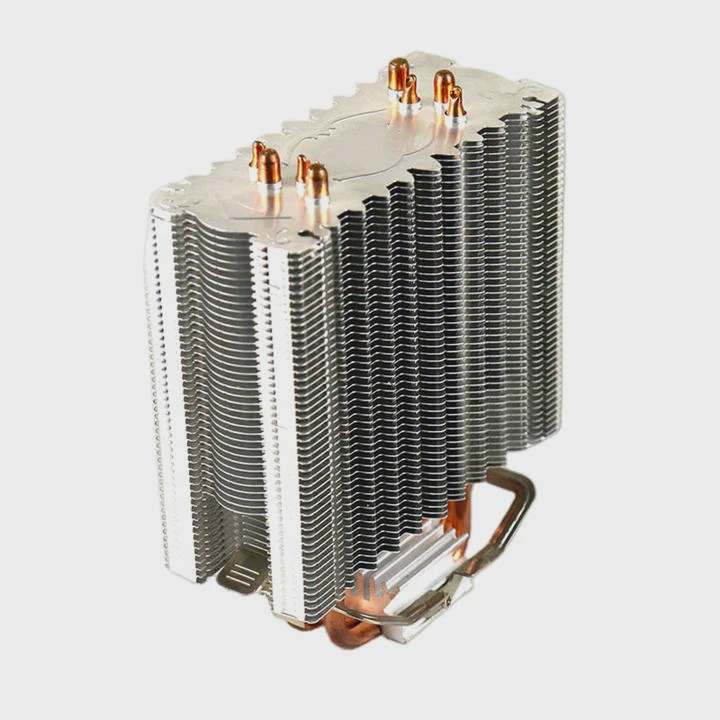
For vertical use, vapor chambers need design changes that support liquid return under gravity.
The key is optimizing the wick and structural integrity.
Design Features for Vertical Operation
- Sintered metal wicks: Fine pores improve capillary strength
- Grooved channels or mesh layers: Guide liquid back to heat source
- Reinforced structure: Prevents plate deformation in vertical mounts
- Optimized fill ratio: Ensures enough liquid to maintain flow
- Integrated support pillars: Keep base flat under load
In some cases, engineers use gravity-assisted layouts—placing the condenser above the heat source so gravity helps return the liquid. If that’s not possible, the wick must carry the entire load.
Testing is essential
Before committing to vertical use, test thermal resistance at expected power levels. Performance curves often shift with angle. Long-term reliability also depends on the number of thermal cycles and internal structure durability.
Conclusion
Vapor chambers can operate vertically, but performance depends on wick strength, gravity, and heat load. Horizontal use is safest. For vertical use, pick designs with high capillary strength, optimized fill, and structural support. Always validate orientation during system testing to ensure stable thermal results.
TAGS
Latest Articles

Volume discount levels for heat sink orders?
Buyers often ask when heat sink prices start to drop with volume. Many worry they’re overpaying for small orders. This guide explains how B2B volume pricing works for thermal components. Heat sink
21 Dec,2025
Heat sink long-term supply contract options?
Many buyers want stable pricing and reliable delivery for heat sinks. But without a clear contract, risks grow over time. This article explores how to secure better long-term supply deals. Long-term
21 Dec,2025
Tooling cost for new heat sink profiles?
Many engineers struggle to understand why tooling for custom heat sinks costs so much. They worry about budgeting and production timelines. This article breaks down the cost drivers behind tooling.
21 Dec,2025
Heat sink custom sample process steps?
Sometimes, starting a custom heat sink project feels overwhelming—too many steps, too many unknowns, and too many risks. You want a sample, but not endless delays. The process for requesting and
20 Dec,2025
Standard B2B terms for heat sink payments?
When buyers and sellers in B2B heat sink markets talk about payment, many don’t fully understand what’s standard. This can lead to delayed orders, miscommunication, and even lost business
20 Dec,2025
Heat sink pricing factors for large orders?
Heat sinks are vital for many systems. When prices rise, projects stall and budgets break. This problem can hit teams hard without warning. Large order heat sink pricing depends on many factors. You
20 Dec,2025Related Articles
- How to detect Vapor Chamber micro leaks?
- Vapor Chamber drying method after cleaning?
- Does Vapor Chamber need RoHS reports?
- Vapor Chamber lifecycle management guide
- Can Vapor Chamber be made from stainless steel?
- Does Vapor Chamber require cleanroom assembly?
- Does Vapor Chamber need EMI shielding?
- Vapor Chamber usage in industrial transformers?
- Can Vapor Chamber sustain impact loads?
- Vapor Chamber real heat transfer limits?
- Continuous production capability for Vapor Chamber?
- Surface flatness importance for Vapor Chamber
Author
Dr. Emily Chen
Chief AI Researcher
Leading expert in thermal dynamics and AI optimization with over 15 years of experience in data center efficiency research.
Categories
Latest Products






Recommend Categories
- Liquid cooling plate Manufacturer
- Industrial Heat Sink Manufacturer
- Standard Heat Sink Manufacturer
- Aluminum Heat Sink Manufacturer
- Copper Heat Sink Manufacturer
- Anodized Heatsink Manufacturer
- Stamping heat sink Manufacturer
- Die Casting Heatsink Manufacturer
- Soldering heat sink Manufacturer
- CNC Parts Manufacturer
Latest Products
- Wholesale Aluminum Radiator
- Water Cooling Plate Kit
- Water Cooling Heat Sink
- Water Cooling Heat Sink Kit
- Stainless Steel Water Distributor
- Server Water Cooling Plate Kit
- Server Liquid Cooling System
- Server Aluminum Cooling Kit
- S19 Full Cover Cooling Plate
- S19 Cooling Plate Kit
- S19 Aluminum Cooling Plate
Contact Expert
Have questions about this article? Reach out to our experts directly.