can a vapor chamber survive reflow?
I remember the first time I placed a vapor chamber assembly near a reflow oven during a board build. I feared the chamber would expand or deform under the high temperature. That moment pushed me to study how these chambers behave during soldering cycles.
A vapor chamber can survive reflow only when its materials, seals, internal pressure, and working fluid are designed for high-temperature stability. Some chambers pass reflow, but others fail due to seal stress, vapor pressure shifts, or expansion of internal fluids.
I want to explain what happens inside the chamber at reflow temperatures so you know what limits matter most during assembly.
What temperatures can chambers withstand?
I used to assume vapor chambers could handle almost any heat because they work in high-power systems. Later, when I learned how each chamber is sealed and filled, I realized their limits depend on materials and internal design, not on everyday operating temperatures.
Most vapor chambers can withstand temperatures in the 220°C–260°C range if they use strong seals, proper fluids, and stable metal housings. However, not all chambers are built for these peaks, and some are rated only for operating temperatures under 120°C.
Understanding this difference saved me from early mistakes when testing chambers near soldering tools.
H3: Operating temperature vs. exposure temperature
A vapor chamber’s operating temperature is much lower than its exposure temperature. Operating temperature is what it handles during normal work. Exposure temperature is the short peak it can survive during reflow. I once pushed a chamber beyond its exposure rating, and its flatness changed enough to cause mounting problems later.
H3: Material and housing tolerance
Most chambers use copper housings, which tolerate high heat well. But the solder or laser-welded seam may have weaker limits. This seam decides the true reflow survival rating. I learned this when a test chamber expanded too fast and the seam cracked on cooling.
Internal fluid limits
The working fluid also matters. Water is common because it performs well at high temperatures, but other fluids may expand too fast. A chamber built with a low-boiling fluid is not safe for reflow.
Table: Common vapor chamber temperature ranges
| Chamber type | Operating temp | Short-term survival temp |
|---|---|---|
| Standard copper-water | 60–120°C | 220–260°C |
| Thin low-pressure design | 40–90°C | 180–230°C |
| High-pressure welded type | 80–150°C | 240–270°C |
| Custom industrial chamber | 100–180°C | 250–300°C |
When you know these ranges, it becomes easier to judge whether a chamber is safe for a full reflow pass.
Why reflow stresses chamber seals?
When I first tested a chamber in a reflow-like environment, I thought the heat alone was the danger. Later, I learned that pressure change inside the chamber causes most of the stress. The seal is the weakest part of the structure, so reflow focuses all that stress on one line.
Reflow stresses vapor chamber seals because heat increases internal vapor pressure, expands the thin metal walls, and pushes against the bonded or welded seam. If the seam is weak, it can deform, leak, or fail completely.
I want to explain the forces that attack the seal when temperatures rise fast.
H3: Pressure forces acting on the seam
Inside the chamber, the liquid boils and the vapor expands when the temperature rises. Pressure grows quickly. The seam is supposed to hold this pressure. During reflow, the chamber faces peak conditions, and the seam must survive this moment. In one of my early experiments, a seam bulged under pressure and created a visible bump.
H3: Differences in thermal expansion
The copper walls, wick structure, and seam material expand at different rates. This mismatch adds mechanical force on the edge where these parts meet. I saw this mismatch cause micro-cracks that did not appear until cooling.
Seal type makes a big difference
Some chambers use soldered seams. Others use laser-welded seams. Laser-welded seams tend to be stronger in reflow conditions. I learned this when two chambers with similar designs behaved very differently just because they used different sealing processes.
Table: Main sources of stress on chamber seals during reflow
| Stress source | Effect on chamber |
|---|---|
| Internal pressure rise | Pushes seams outward |
| Metal expansion | Distorts chamber shape |
| Wick expansion | Adds internal stress |
| Rapid temperature ramp | Creates thermal shock |
| Seal material mismatch | Weakens joint strength |
Understanding these stresses helps avoid using chambers that were never meant to face a soldering oven.
How does pressure behave during reflow?
The most surprising part of vapor chamber behavior is how much internal pressure changes when the chamber hits reflow temperatures. Many chambers look rigid from the outside, but they behave like small pressure vessels when heated.
During reflow, internal pressure rises sharply as the working fluid vaporizes and reaches its saturation point. The chamber expands slightly, the walls push outward, and the seam holds the pressure peak until cooling begins. Pressure then drops quickly as vapor condenses.
This pressure cycle is short, but it tests every part of the chamber.
H3: Vapor saturation and rapid boiling
When the temperature reaches the reflow peak, the fluid reaches its saturation point. The boiling rate jumps. Vapor fills the chamber faster than during normal operation. Once, I monitored a test chamber with sensors, and the internal pressure spiked in under one second during the high-temperature stage.
H3: Chamber flex and metal fatigue
The copper shell flexes under pressure. It might only move a tiny amount, but repeated exposure can weaken the structure. Even a single strong cycle can leave the metal slightly warped. I once saw a chamber lose its flatness after reflow, even though the seam stayed intact.
Pressure drop during cooling
As the chamber cools, vapor condenses fast. Pressure drops sharply. This sudden contraction also stresses the seams. Some chambers fail not at the peak but during this cooling contraction.
How wick structure interacts with pressure
The wick inside the chamber is fixed to the walls. When pressure changes, the wick expands and contracts too. This adds internal tension. In my early builds, a wick layer detached after thermal cycling because it expanded differently from the copper shell.
Table: Pressure behavior during a reflow cycle
| Stage | Pressure behavior |
|---|---|
| Heat-up | Gradual rise |
| Peak temperature | Sharp pressure spike |
| Hold time | Stable high pressure |
| Cooldown | Rapid pressure drop |
| Final stage | Return to baseline |
Pressure behavior explains why some chambers pass reflow without trouble while others fail even before leaving the oven.
Can chambers remain functional afterward?
I have seen chambers survive reflow many times, but I have also seen silent failures that only show up later in testing. A chamber might look fine after reflow but develop flatness issues, internal wick shifts, or partial seal weakness. These hidden defects create long-term problems once the GPU or CPU loads the system.
Yes, a vapor chamber can remain functional after reflow if it maintains its seal, stays flat, and keeps its internal wick bonded. Chambers built for high-temperature cycles often pass reflow with no performance loss. But weaker chambers may warp, leak, or lose thermal performance after cooling.
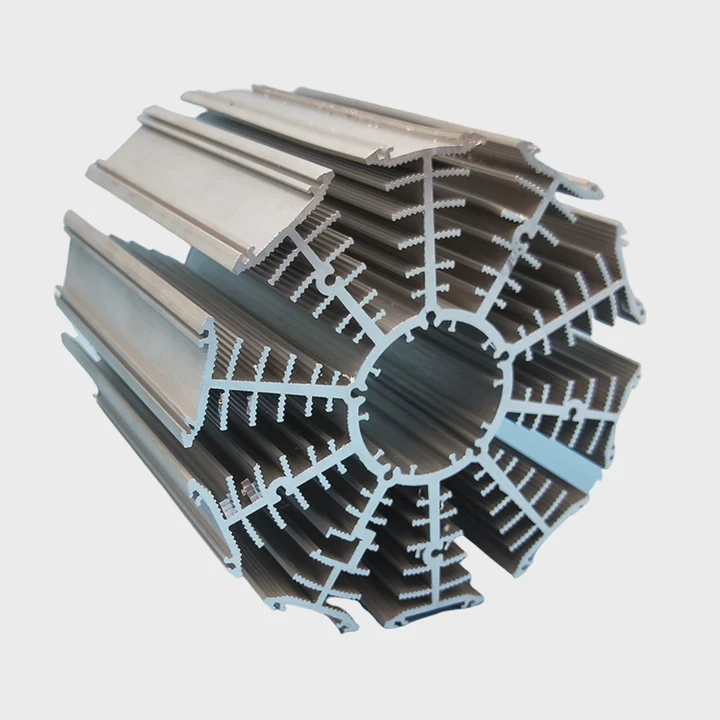
I want to break down what determines whether the chamber remains usable.
H3: Seal integrity and leak testing
If the seam survives, the chamber stands a good chance of staying functional. Leak tests show whether the chamber still holds vacuum and pressure balance. In my own tests, chambers with laser-welded seams usually passed after reflow.
H3: Flatness and mounting reliability
A chamber must stay flat to mount correctly against a chip. Warping reduces contact area. Reduced contact area raises hotspot temperatures. I once tested a chamber that survived reflow but curved slightly. That curve raised GPU hotspot temperatures by several degrees.
Wick stability after thermal cycling
If the wick detaches or shifts, the chamber may show slower heat spreading or partial dry-out problems. I have seen chambers that looked normal outside but had poor thermal results because their wick layers moved during heating.
Long-term durability after reflow
Even if the chamber works at first, hidden internal stress may cause problems later. A chamber stressed during reflow might grow weaker over months of use. Careful inspection and testing help catch these risks early.
Signs a chamber might fail after reflow
Here are the signs I learned to watch for during testing:
- Slower heat spreading
- Higher hotspot temperatures
- Chamber base no longer flat
- Subtle clicking from internal wick movement
- Sealed seam discoloration or micro-cracks
A chamber that avoids all these symptoms is usually safe to use and ready for regular operation.
Conclusion
A vapor chamber can survive reflow only when it is designed for high temperatures, strong pressure changes, and stable sealing. Reflow stresses the chamber with heat, expansion, and pressure spikes, but well-built chambers pass these cycles and remain fully functional afterward.
TAGS
Latest Articles

Volume discount levels for heat sink orders?
Buyers often ask when heat sink prices start to drop with volume. Many worry they’re overpaying for small orders. This guide explains how B2B volume pricing works for thermal components. Heat sink
21 Dec,2025
Heat sink long-term supply contract options?
Many buyers want stable pricing and reliable delivery for heat sinks. But without a clear contract, risks grow over time. This article explores how to secure better long-term supply deals. Long-term
21 Dec,2025
Tooling cost for new heat sink profiles?
Many engineers struggle to understand why tooling for custom heat sinks costs so much. They worry about budgeting and production timelines. This article breaks down the cost drivers behind tooling.
21 Dec,2025
Heat sink custom sample process steps?
Sometimes, starting a custom heat sink project feels overwhelming—too many steps, too many unknowns, and too many risks. You want a sample, but not endless delays. The process for requesting and
20 Dec,2025
Standard B2B terms for heat sink payments?
When buyers and sellers in B2B heat sink markets talk about payment, many don’t fully understand what’s standard. This can lead to delayed orders, miscommunication, and even lost business
20 Dec,2025
Heat sink pricing factors for large orders?
Heat sinks are vital for many systems. When prices rise, projects stall and budgets break. This problem can hit teams hard without warning. Large order heat sink pricing depends on many factors. You
20 Dec,2025Related Articles
- can you leave weed in a vaporizer chamber?
- does evga icx use vapor chamber?
- does evga use vapor chamber?
- does evga use vapor chamber on 1070?
- does the 2025 motorola razr have a vapor chamber?
- does the r9 nano use a vapor chamber?
- Which desktop vaporizer has the largest chamber?
- are vapor chamber cpu coolers reliable?
- are noctua coolers vapor chamber?
- a vertical copper wall divides a chamber contatining saturated vapor?
- do old microwaves have heatsinks?
- how to check heatsink?
Author
Dr. Emily Chen
Chief AI Researcher
Leading expert in thermal dynamics and AI optimization with over 15 years of experience in data center efficiency research.
Categories
Latest Products
M.2 Heatpipe Heatsink With Dual Fans For Pc Case
19 Mar,2026
Heavy-Duty Aluminum Heat Sink Custom
19 Mar,2026
Oem Skived Fin Heatsink Aluminum Radiator For Plants
19 Mar,2026
Water Cooled Cnc Aluminum Heat Sink For Medical
19 Mar,2026
High Density 6000 Series Aluminum Heat Sink Profile
19 Mar,2026
High-Density Extruded Aluminum & Bonded-Fin Heat Sink Profile
19 Mar,2026
Recommend Categories
- Liquid cooling plate Manufacturer
- Industrial Heat Sink Manufacturer
- Standard Heat Sink Manufacturer
- Aluminum Heat Sink Manufacturer
- Copper Heat Sink Manufacturer
- Anodized Heatsink Manufacturer
- Stamping heat sink Manufacturer
- Die Casting Heatsink Manufacturer
- Soldering heat sink Manufacturer
- CNC Parts Manufacturer
Latest Products
- M.2 Heatpipe Heatsink With Dual Fans For Pc Case
- Heavy-Duty Aluminum Heat Sink Custom
- Oem Skived Fin Heatsink Aluminum Radiator For Plants
- Water Cooled Cnc Aluminum Heat Sink For Medical
- High Density 6000 Series Aluminum Heat Sink Profile
- High-Density Extruded Aluminum & Bonded-Fin Heat Sink Profile
- Dongguan Cnc Aluminum Heat Sink For Led & Brass Parts
- Wholesale Cnc Aluminum Heat Sink - Custom Extruded
- Led Cnc Round Heat Sink With Screw Holes
- Copper Pin-Fin Heat-Sink Large-Area For Photoled Cooling
- Telecom Heatsink Zipper Fin Wcopper Tubes Oem
Contact Expert
Have questions about this article? Reach out to our experts directly.