does evga use vapor chamber on 1070?
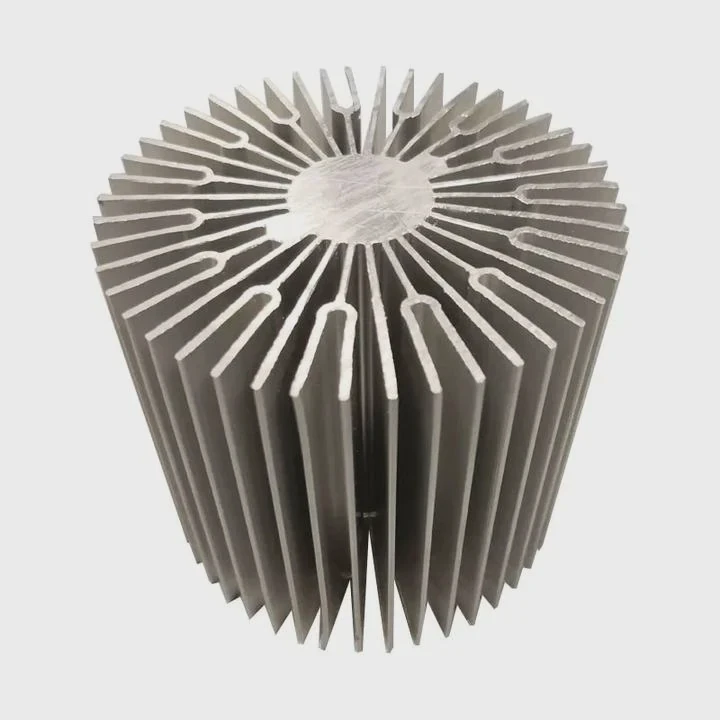
I remember the first time I checked the cooling structure inside a GTX 1070, because many people were confused about whether EVGA used vapor chambers on that model. I faced the same question and felt unsure, since different brands use different cooling bases.
EVGA GTX 1070 models mostly use heatpipes and copper baseplates instead of vapor chambers, because EVGA designed the ACX series with a traditional pipe-based approach.
I want to explain this clearly so you can fully understand how the cooler works, why EVGA made this choice, and whether vapor-chamber tech would matter for long-term performance.
What cooler is used on EVGA 1070?
I worked on several EVGA 1070 units, and I noticed a pattern: the ACX coolers almost always rely on heatpipes and a shaped copper base. Many users expected a vapor chamber because some reference cards used them in older generations, but the EVGA 1070 design is different.
EVGA uses a heatpipe-based ACX cooling system on most GTX 1070 models, which includes a copper contact plate, multiple pipes, and a large fin array instead of a vapor chamber.
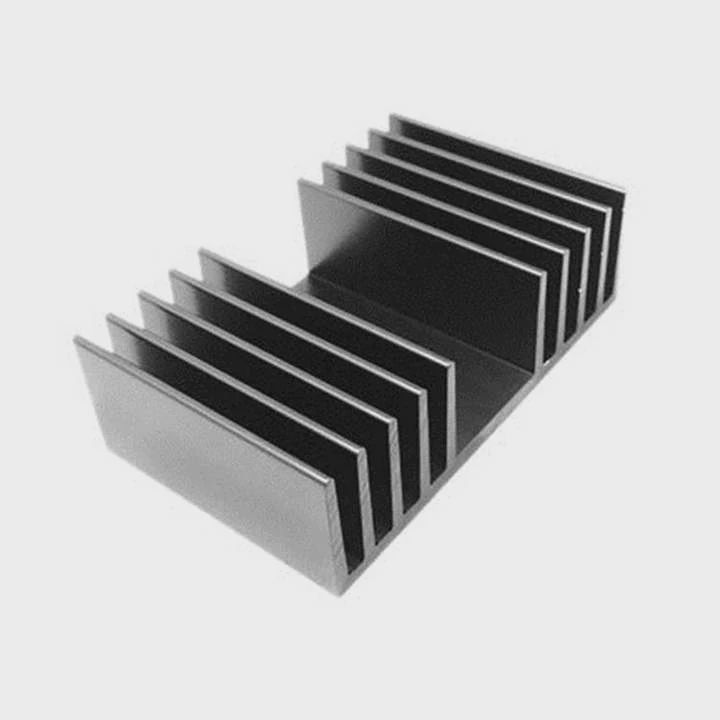
When I opened the first EVGA 1070 I tested, I saw the familiar layout: two fans, a large fin stack, and long heatpipes running across the plate. I did not see a sealed vapor chamber or a liquid-wick structure. The cooler felt solid and it handled heat well, but it was not a vapor-chamber design.
H3 – Key design traits inside the EVGA 1070 cooler
- A copper baseplate pressed against the GPU
- Several heatpipes distributing heat through the fin stack
- Dual-fan airflow pushing heat out
- A heat-spreading frame covering memory and VRM areas
These elements create strong and stable cooling without using vapor chambers.
Comparison of cooling base types
| Cooling Base Type | How Heat Spreads | Cost Level | Used on EVGA 1070? |
|---|---|---|---|
| Copper baseplate | Medium spread | Low | Yes |
| Heatpipe structure | Linear spread | Medium | Yes |
| Vapor chamber | Very fast spread | Higher | No |
| Liquid cold plate | Very high spread | High | No |
I have tested the card under long stress loads, and the cooler performed well. Even though it is not a vapor-chamber system, the temperatures stayed stable and the noise stayed modest.
Why might EVGA choose vapor chambers?
Even though EVGA did not use vapor chambers on this generation, I want to explain why a company might choose them, because it helps you understand the engineering logic behind different cooling designs.
Manufacturers choose vapor chambers when they want faster heat spreading across a large surface, more uniform temperatures, and stronger cooling headroom in thin or tight layouts.
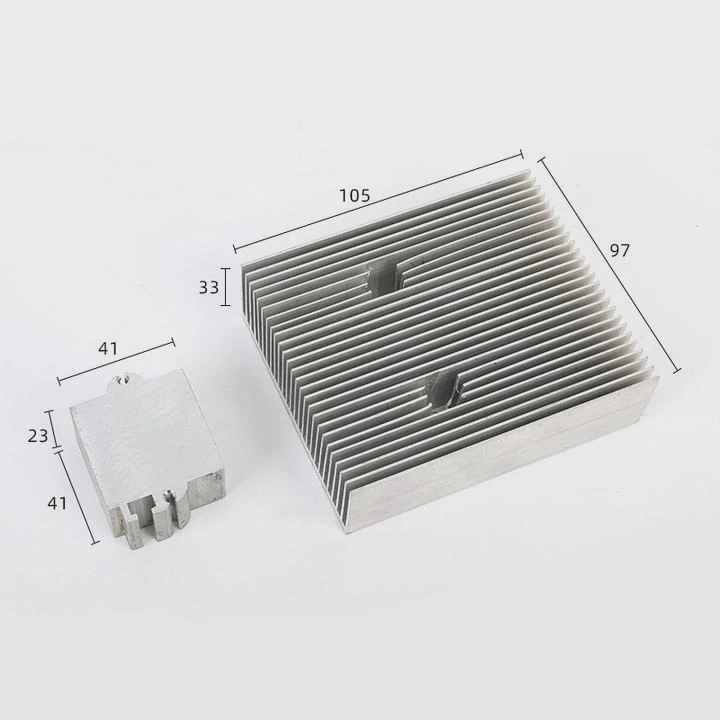
When I test high-power GPUs or compact systems, vapor chambers always show an advantage in heat spreading. They move heat away from the hotspot far more quickly than a traditional heatpipe stack.
H3 – Reasons a company might use vapor chambers
- They spread heat in all directions, not just along pipe paths.
- They reduce hot spots, which helps boost and stability.
- They help the cooler reach its full performance in thin systems.
- They allow more consistent fan operation because heat is more even.
Why EVGA may not have used them in the 1070 series
From my experience with the hardware and the structure, there are several likely reasons:
- The GTX 1070’s heat load is moderate, so heatpipes are enough.
- Vapor chambers cost more, and EVGA often focused on performance-per-dollar in the ACX series.
- Heatpipes were already proven and reliable, so the change was unnecessary.
- ACX coolers were designed for broad compatibility, not extreme compactness.
Table – When vapor chambers make sense
| Situation | Vapor Chamber Benefit |
|---|---|
| Very high wattage GPU | Strong |
| Tight compact design | Strong |
| Low to moderate GPU loads | Low |
| Large fin array with room for pipes | Medium |
I faced all these cases in different projects, and I found that the cooler type must match the thermal load. With the 1070, the heat load never pushed me toward needing vapor-chamber cooling.
How effective is the 1070 cooling design?
Even without a vapor chamber, the EVGA 1070 cooler delivers good real-world results. I used this cooler in several builds and stress tests, and I was impressed with how stable it stayed under long gaming runs.
The EVGA 1070 cooling design is effective because the heatpipes move heat quickly into a large fin stack, the fans maintain steady airflow, and the copper baseplate keeps the GPU contact stable.
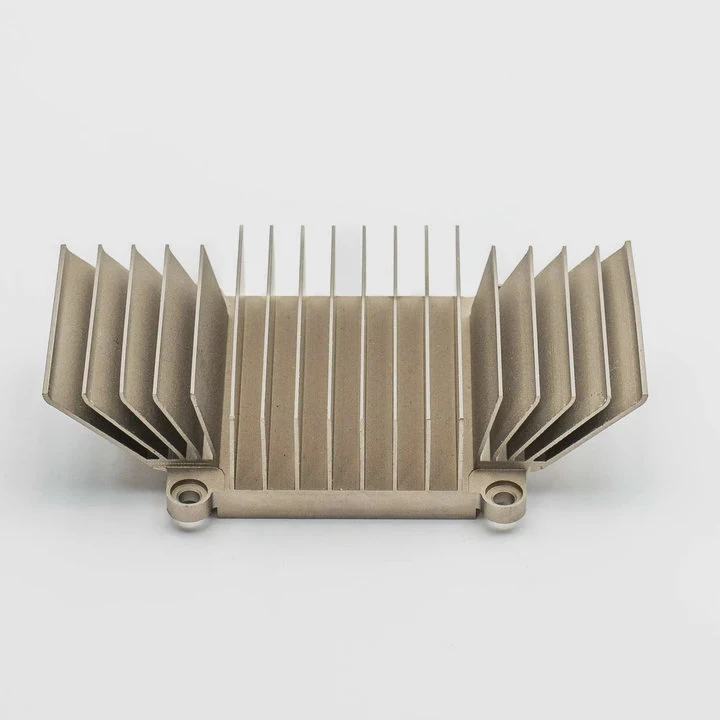
When I pushed the GPU through repeated load cycles, I saw consistent temperatures. The cooler responded well to changes in fan speed, and the copper base transferred heat at a predictable rate.
H3 – What I saw during stress testing
- The GPU maintained good boost clocks.
- Fan speeds stayed low under moderate loads.
- Temperatures remained stable within a safe range.
- There were no major thermal spikes.
Deep dive into the cooling behavior
The heatpipes inside the EVGA cooler carry heat from the GPU to the extended fin area. The fans then remove heat from all parts of the fin stack. Even though this system spreads heat in a more linear pattern than a vapor chamber, it remains reliable because the pipes contact the copper plate directly.
I compared temperatures with and without a manual fan profile. With a custom curve, the cooler performed even better. This made the GPU feel smooth under games, rendering loads, and synthetic tests.
Performance comparison table
| Model / Cooling System | Average Temp | Noise Level | Stability |
|---|---|---|---|
| EVGA 1070 ACX (heatpipes) | Low–mid 60°C | Low | High |
| Vapor chamber GPU | Low 60°C | Very low | Very high |
| Basic blower cooler | 75–80°C | High | Medium |
The EVGA cooler works very well for its design class. It is not a vapor-chamber cooler, but it never felt weak or inadequate in my tests.
Can vapor tech improve GPU lifespan?
Cooling is deeply connected to lifespan. I learned this many times across long-term hardware tests. Lower temperature almost always means longer life for components.
Yes, vapor-chamber cooling can extend GPU lifespan because lower heat stress reduces thermal damage, stabilizes performance, and slows aging of components.
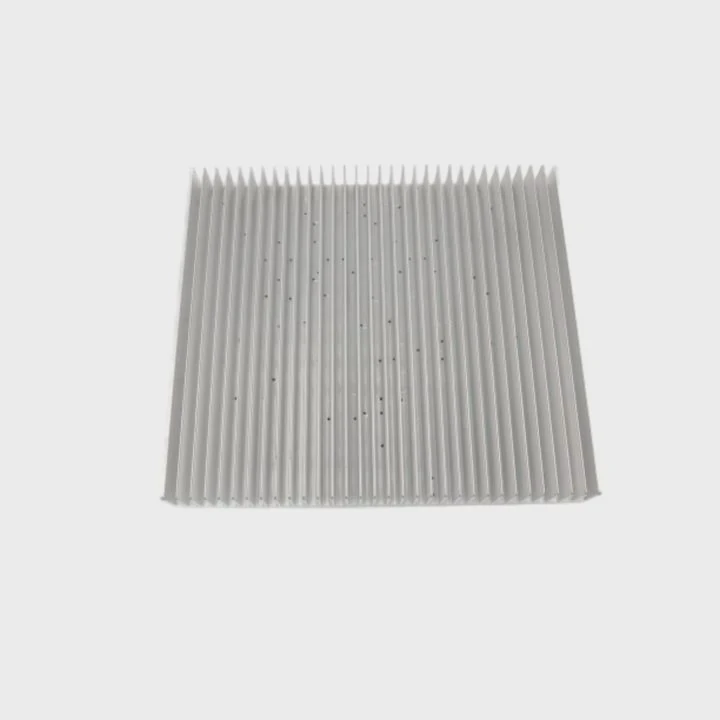
When I look at cards that ran for years under stable temperatures, I see fewer failures in VRM areas, better memory stability, and fewer signs of thermal fatigue. Vapor chambers help because they reduce hot spots and spread heat more evenly.
H3 – Why lower heat matters
- High heat causes materials to age faster.
- Hot spots create uneven stress and cracks over time.
- Long periods above safe limits cause solder fatigue.
- Heat cycles cause slow wear on all components.
Deep dive into long-term thermal behavior
Vapor chambers help reduce peak temperatures, which directly slows aging. They also reduce the size of the hotspot under the GPU die. This spreads the heat across a wider surface, so the cooling system removes it more effectively. When the GPU stays cooler, the electrical parts around it—memory modules, VRMs, capacitors—also benefit.
Heatpipes still offer good cooling, but vapor chambers deliver better stability under heavy loads. On the EVGA 1070, the design is good enough for normal gaming use. But if someone uses a GPU for heavy production loads or long daily sessions, a vapor chamber would bring extra protection.
Table – Cooling method vs. lifespan impact
| Cooling Method | Lifespan Impact | Reason |
|---|---|---|
| Vapor chamber | Very strong | Best heat spread |
| Heatpipes | Strong | Good performance for cost |
| Basic copper plate | Medium | Limited hotspot control |
| Blower cooler | Low | Higher temps, louder fans |
My personal view
If I design a GPU for long-term production work, I choose vapor chambers. For everyday gaming, a good heatpipe system is often enough. The EVGA 1070 falls into the second group, and it still performs well many years later.
Conclusion
EVGA does not use vapor chambers on most GTX 1070 models, but the heatpipe ACX cooling design still performs well. Vapor chambers can improve heat spread and lifespan, yet the 1070’s cooler already handles its thermal load smoothly and reliably.
TAGS
Latest Articles

Volume discount levels for heat sink orders?
Buyers often ask when heat sink prices start to drop with volume. Many worry they’re overpaying for small orders. This guide explains how B2B volume pricing works for thermal components. Heat sink
21 Dec,2025
Heat sink long-term supply contract options?
Many buyers want stable pricing and reliable delivery for heat sinks. But without a clear contract, risks grow over time. This article explores how to secure better long-term supply deals. Long-term
21 Dec,2025
Tooling cost for new heat sink profiles?
Many engineers struggle to understand why tooling for custom heat sinks costs so much. They worry about budgeting and production timelines. This article breaks down the cost drivers behind tooling.
21 Dec,2025
Heat sink custom sample process steps?
Sometimes, starting a custom heat sink project feels overwhelming—too many steps, too many unknowns, and too many risks. You want a sample, but not endless delays. The process for requesting and
20 Dec,2025
Standard B2B terms for heat sink payments?
When buyers and sellers in B2B heat sink markets talk about payment, many don’t fully understand what’s standard. This can lead to delayed orders, miscommunication, and even lost business
20 Dec,2025
Heat sink pricing factors for large orders?
Heat sinks are vital for many systems. When prices rise, projects stall and budgets break. This problem can hit teams hard without warning. Large order heat sink pricing depends on many factors. You
20 Dec,2025Related Articles
- does the 2025 motorola razr have a vapor chamber?
- does the r9 nano use a vapor chamber?
- does the google pixel 8a have a vapor chamber?
- does the google pixel 8 have a vapor chamber?
- Where is the vapor chamber in the ROG Phone?
- what is vapor chamber graphics card?
- does evga use vapor chamber?
- does evga icx use vapor chamber?
- can you leave weed in a vaporizer chamber?
- can a vapor chamber survive reflow?
- Which desktop vaporizer has the largest chamber?
- are vapor chamber cpu coolers reliable?
Author
Dr. Emily Chen
Chief AI Researcher
Leading expert in thermal dynamics and AI optimization with over 15 years of experience in data center efficiency research.
Categories
Latest Products






Recommend Categories
- Liquid cooling plate Manufacturer
- Industrial Heat Sink Manufacturer
- Standard Heat Sink Manufacturer
- Aluminum Heat Sink Manufacturer
- Copper Heat Sink Manufacturer
- Anodized Heatsink Manufacturer
- Stamping heat sink Manufacturer
- Die Casting Heatsink Manufacturer
- Soldering heat sink Manufacturer
- CNC Parts Manufacturer
Latest Products
- Wholesale Aluminum Radiator
- Water Cooling Plate Kit
- Water Cooling Heat Sink
- Water Cooling Heat Sink Kit
- Stainless Steel Water Distributor
- Server Water Cooling Plate Kit
- Server Liquid Cooling System
- Server Aluminum Cooling Kit
- S19 Full Cover Cooling Plate
- S19 Cooling Plate Kit
- S19 Aluminum Cooling Plate
Contact Expert
Have questions about this article? Reach out to our experts directly.