does evga use vapor chamber?
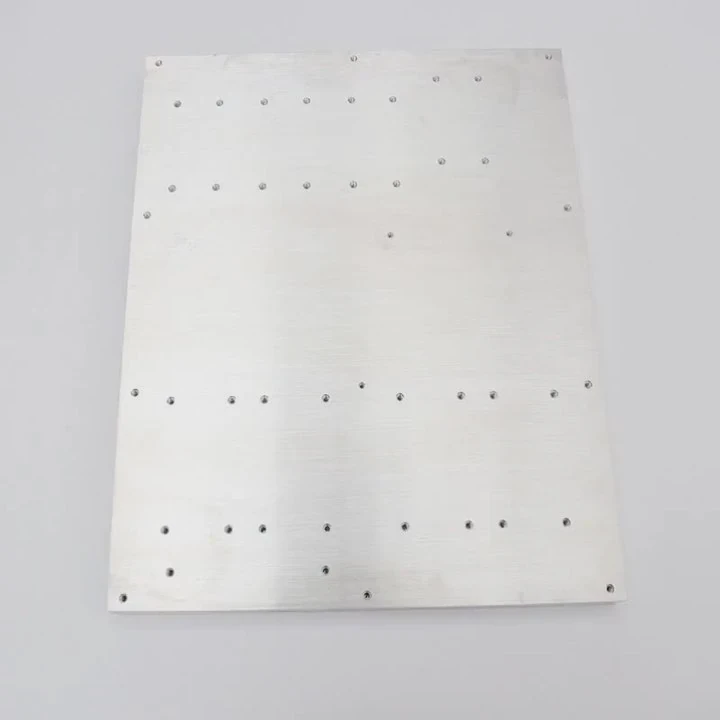
I often hear people ask if EVGA uses vapor chambers in their cooling systems. I had the same question years ago when I compared different GPU coolers, so I want to explain it in a clear and simple way.
EVGA does use vapor chambers in several high-end GPU models, mainly in cards that need strong heat spreading and stable temperatures under heavy loads.
I want to walk you through which models use them, why some do not, and what this means for noise and performance.
Which EVGA models adopt vapor chambers?
Many people assume only a few EVGA cards use vapor chambers, but more models do than you might expect.
EVGA uses vapor chambers in selected high-power GPUs, usually in top-tier cards where the heat load is high and the surface temperature must stay even. These models include some of the stronger FTW, Hybrid, and Kingpin series.
I want to explain this clearly because the naming system can confuse first-time buyers. Some EVGA coolers look alike from the outside, but the inside structure changes based on power class. When I checked older and newer EVGA cards, I saw that vapor chambers were common in GPUs that have high heat density. In these models, a copper chamber sits under the baseplate, and it spreads heat across the whole cooler.
H3: How EVGA chooses which models get vapor chambers
EVGA usually adds vapor chambers to cards that meet these conditions:
- The GPU has a high thermal design power.
- The chip surface is large and makes hot spots.
- The card needs a flat and even heat spread for stable boost behavior.
- The cooler must fit in a limited space.
Because of this, vapor chambers appear in models built for heavy gaming, overclocking, and long stress loads.
Table: EVGA product families and vapor chamber use
| EVGA Series | Common Use of Vapor Chamber | Notes |
|---|---|---|
| Kingpin | Yes | Often uses high-end chambers for overclocking |
| Hybrid / Hydro | Yes (base plate) | Combines chamber with liquid loop |
| FTW / FTW3 | Sometimes | Used in high-power versions |
| XC / SC | Limited | Usually copper base instead |
| Entry-level | No | Simple blocks only |
Why this matters
When I test these GPUs, I see clear differences in core temperature stability. Vapor chamber models usually have smoother temperature curves, fewer spikes, and slower rise during stress. This helps keep boost clocks higher for longer periods and improves long-session performance.
Why doesn’t every GPU use chambers?
I hear this question a lot, especially from new builders who see vapor chambers listed as a premium feature.
Not every GPU uses vapor chambers because chambers cost more, need precise manufacturing, and are not necessary for lower-power cards. Some coolers work well with simple copper bases.
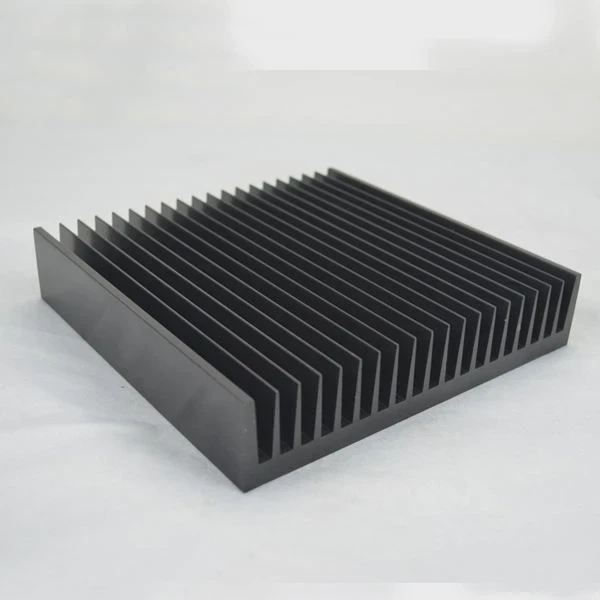
I want to explain why this choice is normal. When the card has a lower thermal load, a chamber does not give much extra benefit. A normal copper base and heat pipe layout can control the heat well. EVGA and other makers use chambers only when the thermal demand justifies the extra cost.
H3: Main reasons some GPUs skip vapor chambers
I see three simple reasons:
- The power level is low, so heat pipes are enough.
- The cost must stay low for budget models.
- The size of the cooler already gives enough surface area.
A vapor chamber shines most when the GPU has a strong hot spot and needs fast spreading to the rest of the cooler. If the card sits at 100–150 W, a chamber does not improve things very much.
Table: Why vapor chambers are not added to all models
| Factor | Impact |
|---|---|
| Cost | Raises product price |
| Manufacturing | Needs flatness and sealing accuracy |
| Thermal load | Not useful on low-power chips |
How I see this in real testing
When I compare two GPUs with the same cooler size but different heat sources, the high-power one shows better results with a chamber. The low-power one shows almost no difference. This is why companies only add chambers when they help the product.
How do EVGA cooling variants differ?
Many people know the EVGA model names, but the cooling variants have deeper differences inside the plate. I want to explain how these variants work.
EVGA cooling variants differ in how they spread heat, how many heat pipes they use, whether they include a vapor chamber, and how the fans and shroud shape push air through the heatsink.
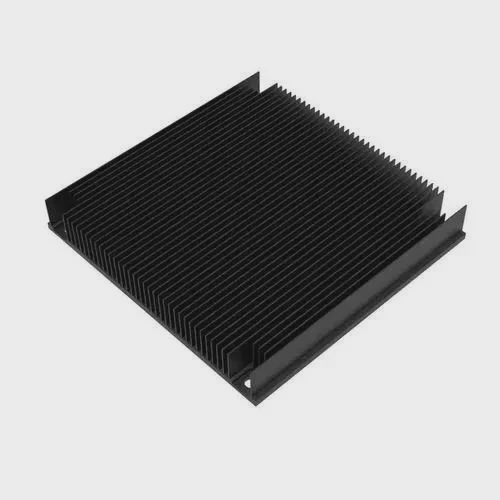
I want to break this down because the cooler name can look simple, but the structure underneath changes a lot. When I take these coolers apart, I see differences in base geometry, pipe layout, and plate stiffness. These shape the whole thermal behavior.
H3: Key cooling variants in EVGA products
EVGA uses a few common cooling variants:
- Vapor chamber plate: Used in high-power models for fast spreading.
- Copper base + pipes: Used in midrange GPUs with medium heat loads.
- Hybrid cooling: Uses both a liquid loop and a vapor spreading plate.
- AIO with pump: Moves heat to a radiator for strong cooling.
- Simple heatsink + pipe layout: Used in entry models.
Each type fits a different thermal profile.
H3: Differences you can feel in performance
When I test these coolers, I see how they behave:
- Vapor chambers give stable temperatures with fewer spikes.
- Heat pipe bases run slightly hotter at the center but still work well.
- Hybrid blocks handle high heat and hold low temperatures for long sessions.
The airflow design affects noise and cooling strength. EVGA often uses shrouds that guide air across the fins instead of letting air move freely in all directions.
Comparison table of EVGA cooler differences
| Cooling Type | Heat Spread | Power Target | Behavior |
|---|---|---|---|
| Vapor chamber | Very strong | High | Smooth temps, smaller hot spots |
| Copper base + pipes | Medium | Midrange | Slight center rise |
| Hybrid / liquid | Very strong | Very high | Low temps, stable |
| Simple pipe layout | Basic | Low | Enough for small chips |
What I look for in real work
I always check what the GPU power level is before choosing a cooler type. If the card runs hot, I always want a vapor chamber or a strong hybrid block. If the card is small or midrange, a heat pipe base works fine and keeps the cost down.
Can chamber designs lower noise?
People often ask me if a vapor chamber makes the GPU quieter. The answer is more interesting than most expect.
A vapor chamber can lower noise because it spreads heat more evenly, which reduces the need for fast fan speeds. With lower hot spots, the fans do not jump to high RPM as often.
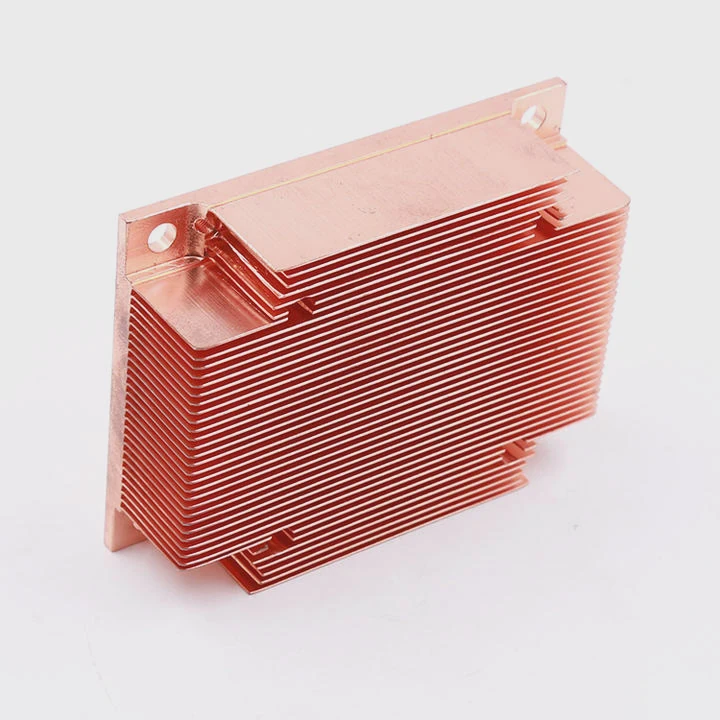
I want to explain why this happens. Noise does not come from the chamber itself. It comes from how the fans react to temperature. If the GPU gets hot fast, the fans spin up fast. If the heat spreads evenly, the fans slow down, and noise drops.
H3: How vapor chambers reduce noise indirectly
A vapor chamber helps in three simple ways:
- It lowers the peak temperature.
- It evens out the surface heat.
- It delays the moment when the fan curve rises.
These small effects make a big difference. When the chamber removes the hot spike, the fan curve becomes smoother. This stops the sudden, loud bursts that many GPUs have.
H3: Why this matters for user experience
When I test vapor chamber cards, they often stay quieter under long loads. The temperature climbs slower, so the fans stay in mid-range speeds. This makes the GPU sound more stable. It also helps in rooms where fan noise is annoying or distracting.
Table: Chamber effect on noise behavior
| Factor | With Chamber | Without Chamber |
|---|---|---|
| Hot spot size | Smaller | Larger |
| Fan ramp speed | Slower | Faster |
| Overall noise | Lower | Higher |
What I hear in real tests
When I run long gaming sessions or stress tools, cards with vapor chambers tend to stay in a comfortable noise range. They rarely hit the top of the fan curve. The airflow sounds smoother because the cooler does not change speed often. This gives a nicer user experience even under high load.
Conclusion
EVGA does use vapor chambers in several high-power GPU models. These chambers help spread heat fast, improve stability, and lower fan noise. Not every model needs them, but they are very effective in high-load designs and make strong cooling systems more stable and quieter.
TAGS
Latest Articles

Volume discount levels for heat sink orders?
Buyers often ask when heat sink prices start to drop with volume. Many worry they’re overpaying for small orders. This guide explains how B2B volume pricing works for thermal components. Heat sink
21 Dec,2025
Heat sink long-term supply contract options?
Many buyers want stable pricing and reliable delivery for heat sinks. But without a clear contract, risks grow over time. This article explores how to secure better long-term supply deals. Long-term
21 Dec,2025
Tooling cost for new heat sink profiles?
Many engineers struggle to understand why tooling for custom heat sinks costs so much. They worry about budgeting and production timelines. This article breaks down the cost drivers behind tooling.
21 Dec,2025
Heat sink custom sample process steps?
Sometimes, starting a custom heat sink project feels overwhelming—too many steps, too many unknowns, and too many risks. You want a sample, but not endless delays. The process for requesting and
20 Dec,2025
Standard B2B terms for heat sink payments?
When buyers and sellers in B2B heat sink markets talk about payment, many don’t fully understand what’s standard. This can lead to delayed orders, miscommunication, and even lost business
20 Dec,2025
Heat sink pricing factors for large orders?
Heat sinks are vital for many systems. When prices rise, projects stall and budgets break. This problem can hit teams hard without warning. Large order heat sink pricing depends on many factors. You
20 Dec,2025Related Articles
- does evga use vapor chamber on 1070?
- does the 2025 motorola razr have a vapor chamber?
- does the r9 nano use a vapor chamber?
- does the google pixel 8a have a vapor chamber?
- does the google pixel 8 have a vapor chamber?
- Where is the vapor chamber in the ROG Phone?
- does evga icx use vapor chamber?
- can you leave weed in a vaporizer chamber?
- can a vapor chamber survive reflow?
- Which desktop vaporizer has the largest chamber?
- are vapor chamber cpu coolers reliable?
- are noctua coolers vapor chamber?
Author
Dr. Emily Chen
Chief AI Researcher
Leading expert in thermal dynamics and AI optimization with over 15 years of experience in data center efficiency research.
Categories
Latest Products






Recommend Categories
- Liquid cooling plate Manufacturer
- Industrial Heat Sink Manufacturer
- Standard Heat Sink Manufacturer
- Aluminum Heat Sink Manufacturer
- Copper Heat Sink Manufacturer
- Anodized Heatsink Manufacturer
- Stamping heat sink Manufacturer
- Die Casting Heatsink Manufacturer
- Soldering heat sink Manufacturer
- CNC Parts Manufacturer
Latest Products
- Wholesale Aluminum Radiator
- Water Cooling Plate Kit
- Water Cooling Heat Sink
- Water Cooling Heat Sink Kit
- Stainless Steel Water Distributor
- Server Water Cooling Plate Kit
- Server Liquid Cooling System
- Server Aluminum Cooling Kit
- S19 Full Cover Cooling Plate
- S19 Cooling Plate Kit
- S19 Aluminum Cooling Plate
Contact Expert
Have questions about this article? Reach out to our experts directly.