do old microwaves have heatsinks?
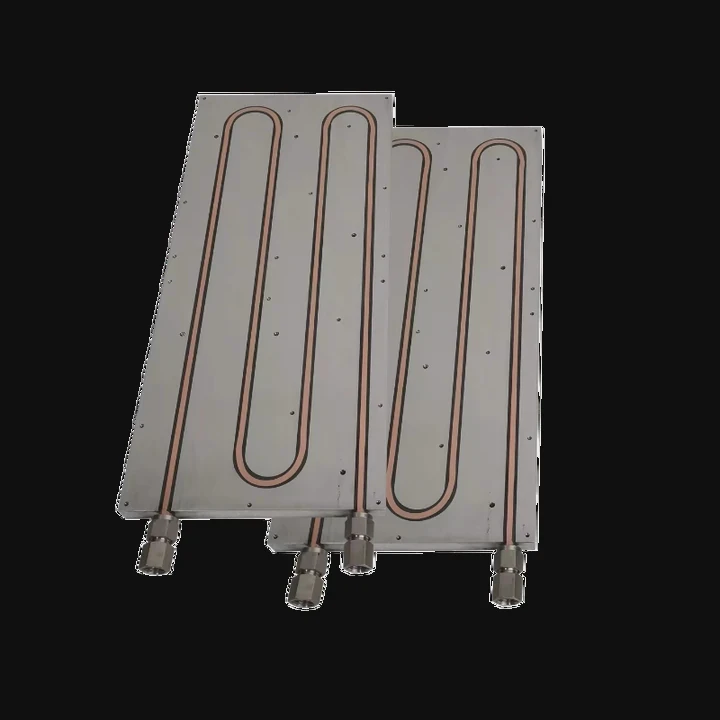
I see many people worry about heat inside older microwaves, and they wonder if a simple metal sink can fix the problem.
Old microwaves do not always have heatsinks because many early models used passive airflow and large metal chassis to spread heat. Some newer or higher-power models use added sinks on key parts to improve stability.
I think this topic matters because heat shapes the lifespan of many home devices, and many users only notice it when something fails.
Why do some appliances need heatsinks?
I see many appliances fail early because heat builds up around small parts that run at full load for a long time.
Appliances need heatsinks to keep electronic parts safe from heat buildup. A heatsink spreads heat over a larger surface and lets air move it away. This helps the device stay stable and last longer.
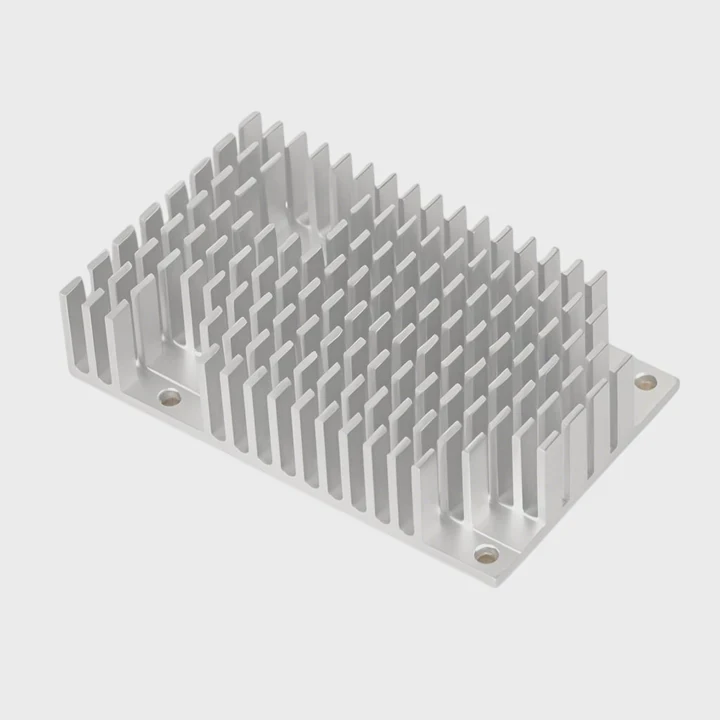
When I open older home devices in my workshop, I often see burn marks near power circuits. I notice that heat always moves to the weakest point. I think this is why many makers choose aluminum sinks or use a larger metal frame to handle heat. When the part stays cool, the whole device becomes more stable.
How heatsinks work in simple terms
A heatsink has a base and fins. These fins let heat move from the part into the air. The air picks up the heat and carries it away. This process is slow when air does not move, so some devices add small fans.
Common parts that need heatsinks
Here is a table that shows typical parts that often need extra cooling:
| Part | Reason it gets hot | Typical Fix |
|---|---|---|
| Power transistor | Handles high current | Aluminum sink |
| Voltage regulator | Drops voltage and wastes heat | Small finned sink |
| Magnetron control circuits | High load during heating cycles | Metal base or sink |
| Motor driver ICs | Continuous movement of motors | Extra airflow |
Why older appliances did not use many heatsinks
Many old appliances were built with large frames. These frames acted as natural sinks because the metal spread the heat. This design cut cost and reduced parts. But it also meant hot spots could form when dust built up or when airflow was blocked.
I remember fixing an old microwave from my aunt’s kitchen. It had no visible sink. The metal body did all the work. After years of use, dust blocked airflow. A small control board overheated and burned. This simple case taught me that even passive cooling must stay clean.
How do microwave cooling systems function?
I often tell people that a microwave oven does more than heat food. It also must cool itself.
Microwave cooling depends on airflow from an internal fan, duct paths that guide the air, and metal walls that spread heat. Older units rely more on the chassis while newer ones mix metal sinks with better airflow.
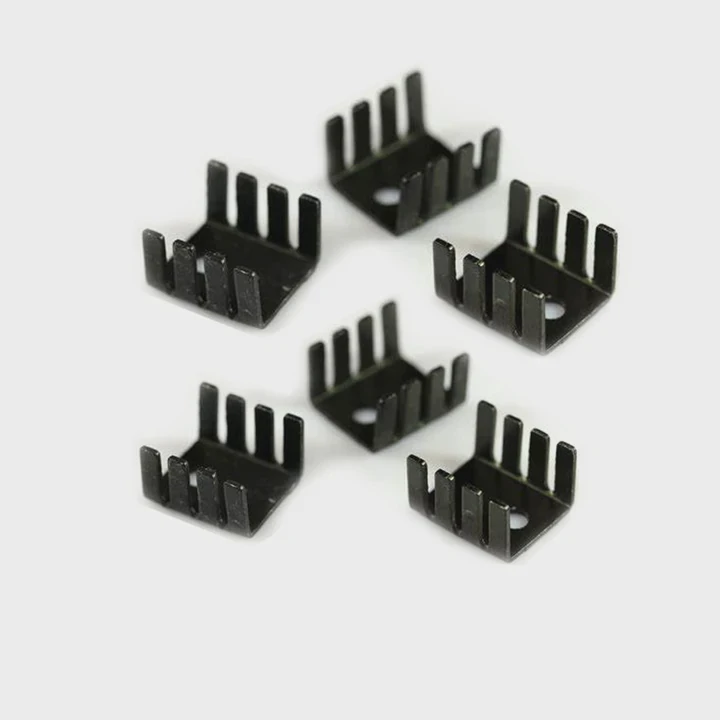
When I take apart older models, I always see the same pattern. The air comes in near the back. A small fan pushes the air around the magnetron. The warm air then exits near the vents. This simple path keeps the magnetron safe.
Key parts of a microwave cooling loop
When I explain microwave cooling to customers, I break it into simple steps:
1. Air intake
Cool air enters from vents near the back or sides. The size of these vents matters a lot.
2. Main fan
A small AC or DC fan pushes cool air through the magnetron fins. Even when the magnetron does not have a classic heatsink, it has metal wings that act like one.
3. Magnetron cooling
This is the most important step. The magnetron creates heat as it generates microwave energy. If it gets too hot, the system shuts down or burns.
4. Control board cooling
Air also moves across the control board. Older boards had bigger components. Many ran hot. But they still worked because airflow moved heat away.
Why airflow matters more than sinks in old designs
Many people think that adding a sink solves every heat problem. But in older microwaves, airflow was the main tool. The metal body helped move heat, but the fan kept the system alive. When the fan slowed or vents clogged, heat rose fast.
A typical airflow layout
Here is a simple table showing how air flows inside many microwaves:
| Stage | What happens |
|---|---|
| Intake | Air enters through back vents |
| Fan zone | Fan pushes air to magnetron |
| Magnetron pass | Air absorbs heat |
| Control board pass | Air removes extra heat |
| Exhaust | Warm air leaves device |
I often add that older microwave fans are weaker due to age. Dust reduces speed. This makes the magnetron run hotter than it should. I have replaced many old fans with strong aftermarket ones. This simple fix often brings the microwave back to life.
Which components benefit from added heatsinks?
I get this question from DIY users who want to keep old appliances running.
The parts that gain the most from added heatsinks are the magnetron control circuits, voltage regulators, high-power resistors, and some RF driver parts in newer designs.
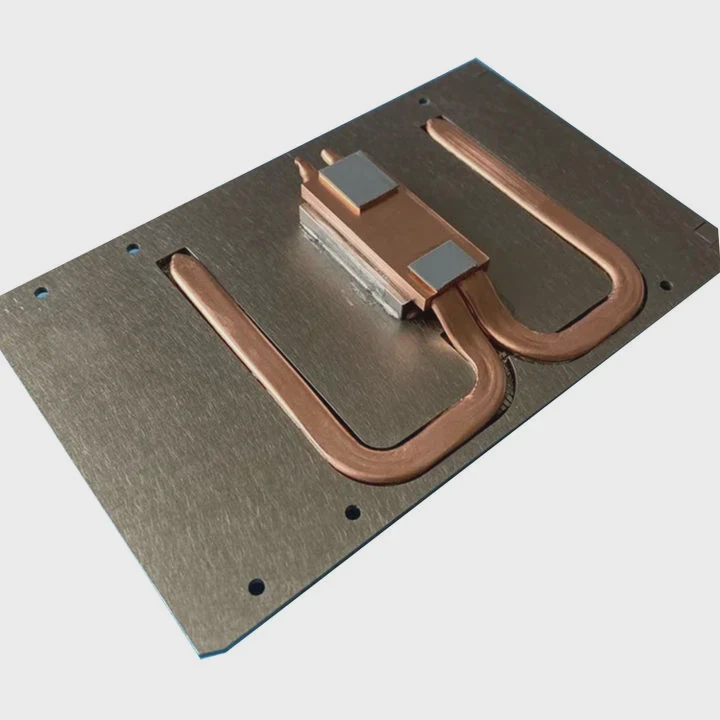
When I inspect older microwaves, I see that the magnetron has built-in fins. But the control circuits sometimes run hot. Adding a small aluminum sink to a key chip can reduce heat stress.
Components that gain the most from added sinks
Magnetron control board
This board drives the magnetron. It handles high voltage. Some parts get hot. A small sink on the high-power transistor helps spread heat.
Voltage regulators
These parts turn high input voltage into clean lower voltage. They waste heat when they do this. A sink helps lower this waste.
High-power resistors
Older designs use big resistors that handle lots of energy. These get hot during long use.
Inverter modules
Some newer microwaves use inverter-based power systems. These systems use complex circuits that benefit from cooling sinks.
Why small sinks help performance
I once worked with a repair shop where we added tiny sinks to many old control boards. The boards then ran at a lower temperature. The parts lasted longer. The microwaves returned to stable performance.
Simple steps to pick the right sink
I tell my friends to follow these three rules:
- Make sure the sink fits the part.
- Use thermal paste or tape for better contact.
- Do not block airflow around the sink.
Extra note on magnetrons
Many people ask if they should add a sink to the magnetron. The answer is no. The magnetron already has designed fins. If you add anything, it may block airflow and trap heat.
Can retrofits improve appliance heat dissipation?
I see many people buy new appliances when old ones fail due to heat. But simple retrofits often extend life.
Retrofits can improve heat dissipation when they add better airflow, extra sinks on safe components, or small changes that reduce trapped heat. These steps also help older microwaves run more stable.
I once helped a friend repair a 15-year-old microwave that kept shutting off after a few minutes. The magnetron was fine, but the airflow path was blocked with dust. We cleaned the vents, replaced the fan, and added a small sink to a regulator. The microwave worked again for years.
Types of retrofits that help old appliances
Cleaning airflow paths
I think this is the most effective step. Dust blocks air. When dust leaves, cooling improves.
Adding or replacing fans
A new fan moves more air. Old fans slow down over time.
Installing small heatsinks
I only add sinks on safe, low-voltage parts. This helps spread heat and protect the board.
Improving thermal contact
Replacing old thermal pads or paste helps parts cool better.
A sample retrofit plan
Below is a simple table that shows common retrofits and the result you can expect:
| Retrofit type | Expected effect |
|---|---|
| New fan | Stronger airflow |
| Added sink on regulator | Lower regulator temperature |
| Cleaned vents | Better cooling path |
| New thermal pads | Better heat movement |
Why retrofits must be done with care
Microwaves contain high-voltage parts. I always warn users not to touch the high-voltage capacitor unless they know how to discharge it. I learned this the hard way many years ago. My hand touched a charged terminal. The shock was strong enough to scare me for days. Since then, I respect high-voltage sections.
When retrofits focus on airflow and low-voltage areas, the work stays safe. Many people report better performance after simple steps. I think retrofits are a good way to extend use without buying a new device.
Conclusion
Old microwaves can stay stable when heat moves well. Airflow, good contact, and small sinks give old parts more life. Simple steps often fix heat issues and make the device work longer.
TAGS
Latest Articles

Volume discount levels for heat sink orders?
Buyers often ask when heat sink prices start to drop with volume. Many worry they’re overpaying for small orders. This guide explains how B2B volume pricing works for thermal components. Heat sink
21 Dec,2025
Heat sink long-term supply contract options?
Many buyers want stable pricing and reliable delivery for heat sinks. But without a clear contract, risks grow over time. This article explores how to secure better long-term supply deals. Long-term
21 Dec,2025
Tooling cost for new heat sink profiles?
Many engineers struggle to understand why tooling for custom heat sinks costs so much. They worry about budgeting and production timelines. This article breaks down the cost drivers behind tooling.
21 Dec,2025
Heat sink custom sample process steps?
Sometimes, starting a custom heat sink project feels overwhelming—too many steps, too many unknowns, and too many risks. You want a sample, but not endless delays. The process for requesting and
20 Dec,2025
Standard B2B terms for heat sink payments?
When buyers and sellers in B2B heat sink markets talk about payment, many don’t fully understand what’s standard. This can lead to delayed orders, miscommunication, and even lost business
20 Dec,2025
Heat sink pricing factors for large orders?
Heat sinks are vital for many systems. When prices rise, projects stall and budgets break. This problem can hit teams hard without warning. Large order heat sink pricing depends on many factors. You
20 Dec,2025Related Articles
- a vertical copper wall divides a chamber contatining saturated vapor?
- are noctua coolers vapor chamber?
- are vapor chamber cpu coolers reliable?
- Which desktop vaporizer has the largest chamber?
- can a vapor chamber survive reflow?
- can you leave weed in a vaporizer chamber?
- how to check heatsink?
- How to install Raspberry Pi heatsink?
- how to remove pentium 3 heatsink?
- Are M.2 heatsinks necessary?
- do you need raspberry pi heatsinks?
- How do heatsinks work Elite Dangerous?
Author
Dr. Emily Chen
Chief AI Researcher
Leading expert in thermal dynamics and AI optimization with over 15 years of experience in data center efficiency research.
Categories
Latest Products






Recommend Categories
- Liquid cooling plate Manufacturer
- Industrial Heat Sink Manufacturer
- Standard Heat Sink Manufacturer
- Aluminum Heat Sink Manufacturer
- Copper Heat Sink Manufacturer
- Anodized Heatsink Manufacturer
- Stamping heat sink Manufacturer
- Die Casting Heatsink Manufacturer
- Soldering heat sink Manufacturer
- CNC Parts Manufacturer
Latest Products
- Wholesale Aluminum Radiator
- Water Cooling Plate Kit
- Water Cooling Heat Sink
- Water Cooling Heat Sink Kit
- Stainless Steel Water Distributor
- Server Water Cooling Plate Kit
- Server Liquid Cooling System
- Server Aluminum Cooling Kit
- S19 Full Cover Cooling Plate
- S19 Cooling Plate Kit
- S19 Aluminum Cooling Plate
Contact Expert
Have questions about this article? Reach out to our experts directly.