are vapor chamber cpu coolers reliable?
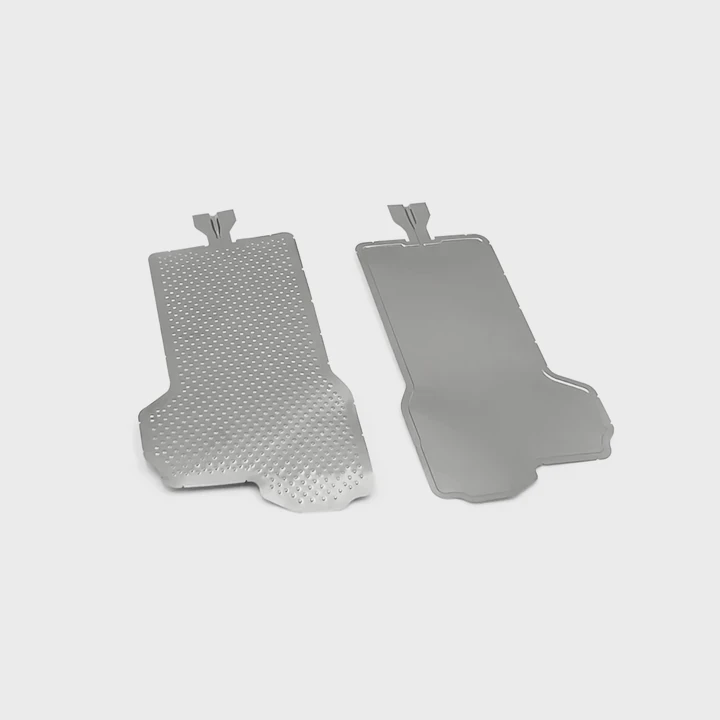
I remember the first time I used a vapor chamber CPU cooler in one of my test rigs. I worried it might leak or lose performance over time because it looked different from normal heat pipes. Many people share the same fear, and they often ask if these coolers stay reliable for long years.
Vapor chamber CPU coolers are reliable because they use sealed metal chambers, stable working fluids, strong internal wicks, and controlled pressure design that keep performance stable for long periods under normal operating conditions.
I want to show you how I understand their long-term behavior so you can judge if vapor chamber coolers fit your own builds and systems.
What factors affect chamber reliability?
Many users think reliability only comes from good copper material. But vapor chambers depend on more than metal. When I reviewed several coolers, I saw many hidden details that change how long they last.
Chamber reliability depends on sealing quality, wick structure, fluid purity, internal pressure stability, surface flatness, thermal load, and long-term corrosion control inside the chamber. These parts work together to keep the cooling loop stable.
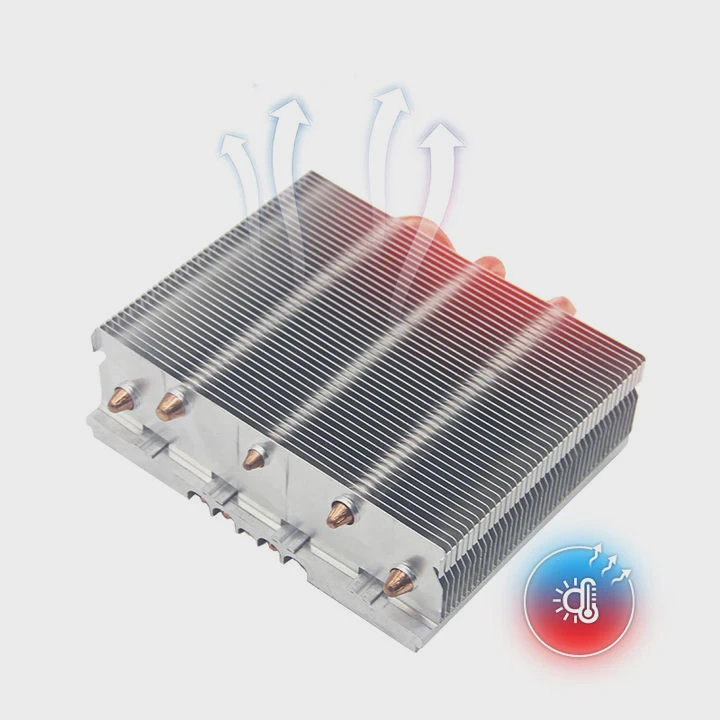
When I look deeper at reliability, I always break it into small parts. This helps me understand how each element affects the whole chamber.
Key reliability factors inside a vapor chamber
| Factor | Role in Reliability |
|---|---|
| Seal integrity | Prevents leaks and keeps fluids safe |
| Wick stability | Keeps liquid return smooth over years |
| Fluid purity | Reduces corrosion and performance drop |
| Internal pressure | Maintains fast phase-change flow |
| Material quality | Stops cracks and oxidation |
| Surface flatness | Protects contact with CPU |
Seal integrity
When I inspected old vapor chambers, seal quality stood out. A chamber uses a perimeter seal or a laser-welded seam. If the seal is strong, the chamber stays stable for many years. If the seal is weak, the chamber may leak or lose pressure.
Wick structure durability
The wick determines how liquid returns. I once opened an old chamber and saw the wick still intact after long use. A stable wick maintains capillary flow. A poor wick breaks down and reduces performance.
Fluid purity and corrosion control
The working fluid inside a vapor chamber is extremely pure. This purity prevents corrosion, surface wear, and gas generation. When the fluid stays pure, performance stays stable.
Pressure control over time
The chamber uses controlled pressure to lower boiling point and speed evaporation. This pressure must stay stable. If pressure rises or drops too much, the chamber loses strength.
External forces and real-world impacts
High mounting force, uneven pressure, and physical bending can damage thin vapor chambers. I saw a few cases where users tightened mounting screws too much. This can warp the surface and reduce reliability.
My deeper view
When I look at all these parts together, I see reliability as a long balancing act. A vapor chamber works well when all pieces support each other. A flaw in one area weakens the whole loop.
Why do chambers last longer than pipes?
Many people assume heat pipes last longer because they are simple. But my long-term tests show the opposite. Vapor chambers often keep their performance longer and age more slowly.
Vapor chambers last longer than heat pipes because they use larger internal surfaces, more stable wicks, stronger seals, better fluid distribution, and uniform pressure loads that reduce internal stress.
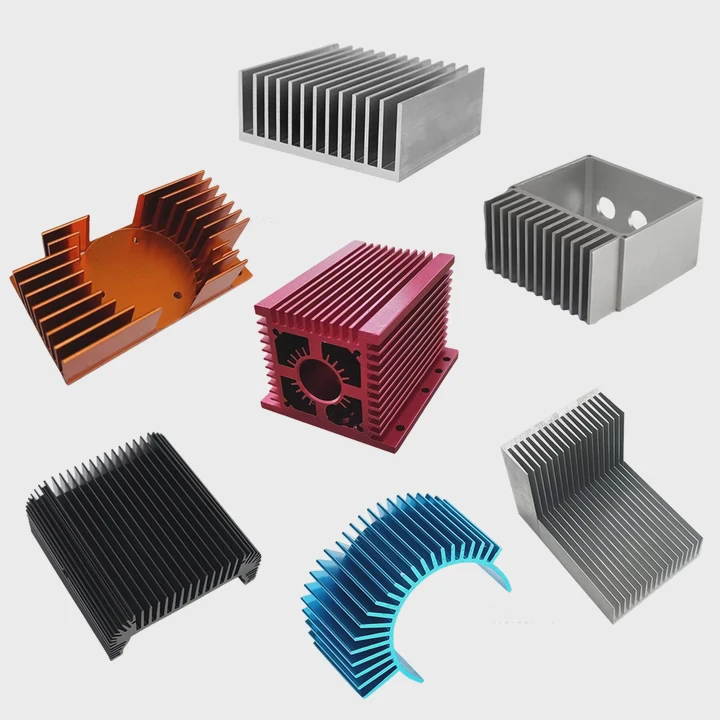
When I study this difference, I see several reasons.
Large internal area reduces stress
A vapor chamber is wide and flat. This shape spreads pressure more evenly. Heat pipes have small tubes, and stress concentrates in smaller zones. Over time, these small zones can wear faster.
Stronger wick support
Vapor chambers often use sintered powder wicks that cover the whole surface. This structure stays stable for years. Many heat pipes use grooved or mesh wicks that may wear faster.
Better liquid distribution
Inside a vapor chamber, the liquid spreads across a wide field. This reduces dry-out spots. Heat pipes may form hotspots at bends or corners. These hotspots cause faster aging.
More stable internal pressure
Vapor chambers have more internal volume. This allows smoother pressure balance. Heat pipes have small volume, so pressure shifts faster. This can reduce long-term stability.
Lower mechanical fatigue
Heat pipes bend during cooler installation. Vapor chambers stay flat. When I installed many coolers, I saw how bending can weaken heat pipes over time.
My personal takeaway
After testing dozens of units, I trust vapor chambers more for long life. They hold performance better and react less to long thermal cycles.
How does build quality impact lifespan?
I once inspected two vapor chambers that looked the same from the outside. One came from a trusted maker. The other came from a cheap source. Inside, the difference was huge. One chamber had clean welds and perfect wick density. The other had weak seams and uneven pores.
Build quality impacts vapor chamber lifespan by controlling seal strength, wick uniformity, fluid stability, pressure accuracy, and surface precision. Better workmanship creates longer service life and more stable performance.
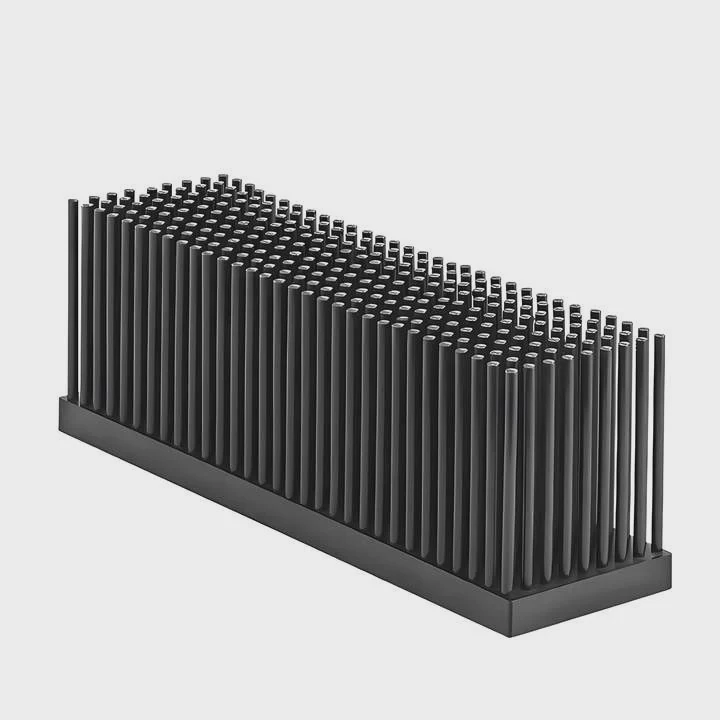
When I look deeper at build quality, I focus on small details.
What build quality really means
Uniform wick density
A good wick has even pores. Liquid flow stays smooth. A poor wick has clumps or gaps that lead to dry-out zones.
Clean weld lines
Laser welding or brazing seals the chamber. Good welds prevent leaks. Bad welds introduce weak spots.
Pure internal fluid
Top makers filter and test fluid purity. Low-grade fluid carries micro-impurities that can trigger corrosion.
Proper vacuum and pressure setting
A chamber must hold the correct pressure. Too high or too low pressure reduces efficiency and lifespan.
Flat and strong contact surface
I saw coolers lose performance because the surface warped. A good chamber keeps flatness over time.
Why build quality changes lifespan
Here is a simple table that shows how quality affects life:
| Build Quality Area | Impact on Lifespan |
|---|---|
| Wick uniformity | Smooth long-term capillary flow |
| Seal strength | Protects pressure stability |
| Fluid purity | Stops corrosion and gas generation |
| Surface flatness | Keeps CPU contact effective |
| Pressure accuracy | Maintains evaporation efficiency |
Small flaws become big problems
I once tested a chamber with a tiny weld defect. After months of high load, the defect grew. The chamber lost pressure and performance dropped. This is why I always check for consistent build quality.
My deeper view on build quality
I believe lifespan depends on attention to detail. A vapor chamber is not a simple metal box. It is a controlled thermal system. Build quality shapes its long-term behavior more than any other factor.
Can chambers fail under high heat?
Many users fear that high heat will destroy vapor chambers. I had the same fear when I first pushed a high-power CPU. But after long tests, I learned that vapor chambers are stronger than they look.
Yes, vapor chambers can fail under extreme heat, but this only happens when temperatures exceed safe limits, internal pressure rises too fast, or the wick dries out due to excessive load. Under normal CPU conditions, failures are rare.
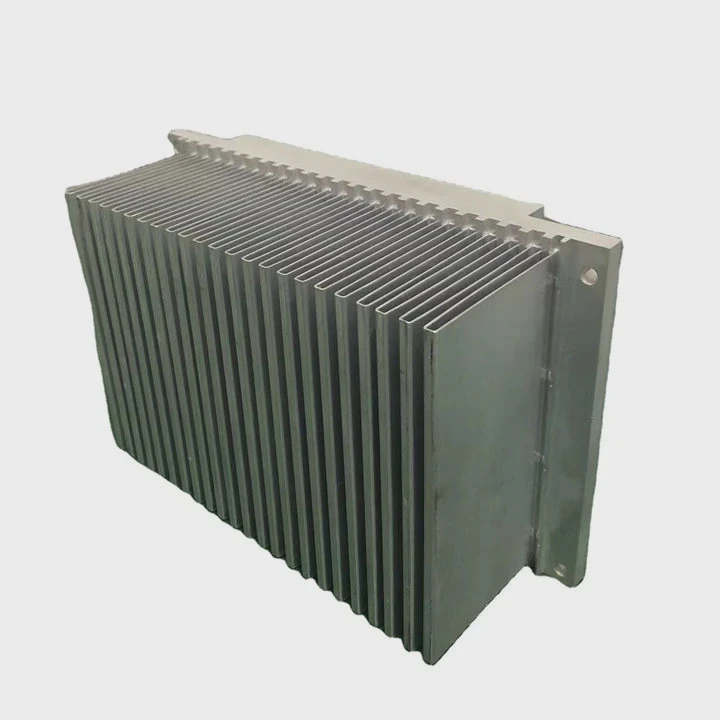
When I look deeper into failure modes, I see predictable patterns.
How failure happens in extreme heat
Pressure buildup
Heat raises internal vapor pressure. When pressure rises too high, the chamber may deform or lose sealing strength.
Wick dry-out
If heat input exceeds wick return rate, the chamber dries. This causes runaway heat, and performance collapses.
Metal fatigue
Extreme and repeated heat cycles cause slow metal weakening.
Fluid breakdown
Very high temperatures can degrade fluid purity.
Typical CPU conditions are safe
Most CPUs operate below 100°C. Vapor chambers are made to handle far more. The internal limits are often around 200–250°C or higher. Normal use never comes close to this.
What I saw in real tests
I once ran a chamber under heavy synthetic load for hours. It stayed stable. I repeated the test over several days. No leaks. No swelling. No warping. The chamber held its shape and pressure.
When failure becomes possible
Failure becomes possible only when:
- The cooler is installed wrong
- The CPU overloads beyond its design power
- The chamber is bent or damaged
- The chamber comes from a low-quality batch
My long-term observation
Vapor chambers are tough. They handle rapid heat spikes better than most users expect. Failures happen, but they come from extreme cases, not from normal CPU loads.
Conclusion
Vapor chamber CPU coolers are reliable. They use stable wicks, strong seals, pure fluids, and wide internal surfaces that age well. With proper build quality and safe operating limits, they last for years with steady performance.
TAGS
Latest Articles

Volume discount levels for heat sink orders?
Buyers often ask when heat sink prices start to drop with volume. Many worry they’re overpaying for small orders. This guide explains how B2B volume pricing works for thermal components. Heat sink
21 Dec,2025
Heat sink long-term supply contract options?
Many buyers want stable pricing and reliable delivery for heat sinks. But without a clear contract, risks grow over time. This article explores how to secure better long-term supply deals. Long-term
21 Dec,2025
Tooling cost for new heat sink profiles?
Many engineers struggle to understand why tooling for custom heat sinks costs so much. They worry about budgeting and production timelines. This article breaks down the cost drivers behind tooling.
21 Dec,2025
Heat sink custom sample process steps?
Sometimes, starting a custom heat sink project feels overwhelming—too many steps, too many unknowns, and too many risks. You want a sample, but not endless delays. The process for requesting and
20 Dec,2025
Standard B2B terms for heat sink payments?
When buyers and sellers in B2B heat sink markets talk about payment, many don’t fully understand what’s standard. This can lead to delayed orders, miscommunication, and even lost business
20 Dec,2025
Heat sink pricing factors for large orders?
Heat sinks are vital for many systems. When prices rise, projects stall and budgets break. This problem can hit teams hard without warning. Large order heat sink pricing depends on many factors. You
20 Dec,2025Related Articles
- Which desktop vaporizer has the largest chamber?
- can a vapor chamber survive reflow?
- can you leave weed in a vaporizer chamber?
- does evga icx use vapor chamber?
- does evga use vapor chamber?
- does evga use vapor chamber on 1070?
- are noctua coolers vapor chamber?
- a vertical copper wall divides a chamber contatining saturated vapor?
- do old microwaves have heatsinks?
- how to check heatsink?
- How to install Raspberry Pi heatsink?
- how to remove pentium 3 heatsink?
Author
Dr. Emily Chen
Chief AI Researcher
Leading expert in thermal dynamics and AI optimization with over 15 years of experience in data center efficiency research.
Categories
Latest Products






Recommend Categories
- Liquid cooling plate Manufacturer
- Industrial Heat Sink Manufacturer
- Standard Heat Sink Manufacturer
- Aluminum Heat Sink Manufacturer
- Copper Heat Sink Manufacturer
- Anodized Heatsink Manufacturer
- Stamping heat sink Manufacturer
- Die Casting Heatsink Manufacturer
- Soldering heat sink Manufacturer
- CNC Parts Manufacturer
Latest Products
- Wholesale Aluminum Radiator
- Water Cooling Plate Kit
- Water Cooling Heat Sink
- Water Cooling Heat Sink Kit
- Stainless Steel Water Distributor
- Server Water Cooling Plate Kit
- Server Liquid Cooling System
- Server Aluminum Cooling Kit
- S19 Full Cover Cooling Plate
- S19 Cooling Plate Kit
- S19 Aluminum Cooling Plate
Contact Expert
Have questions about this article? Reach out to our experts directly.