a vertical copper wall divides a chamber contatining saturated vapor?
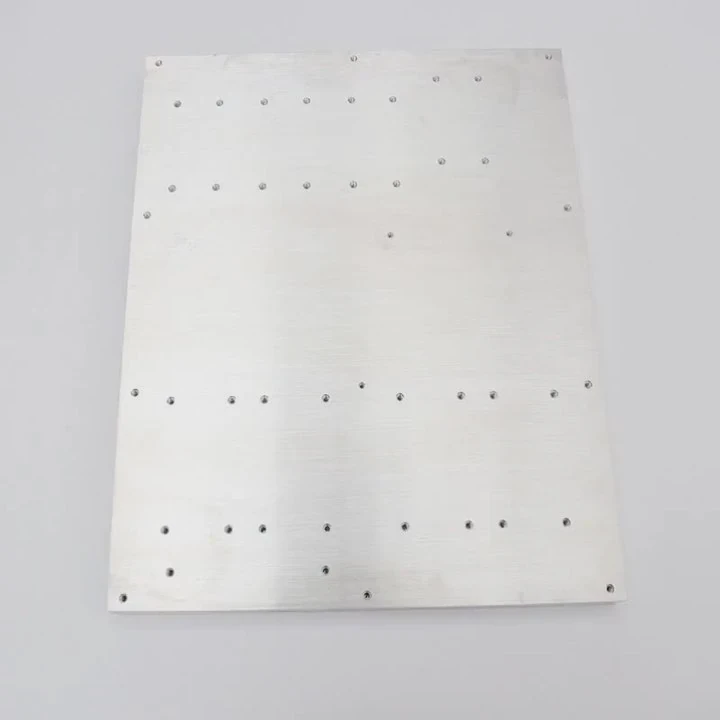
I know many people feel confused when they see a chamber filled with saturated vapor and a vertical copper wall in the middle. The setup looks simple, but the physics behind it can feel complex. I want to make this clear in a calm and simple way.
A vertical copper wall inside a saturated-vapor chamber affects flow by guiding vapor paths, shaping pressure zones, and setting where condensation forms. The wall also carries heat fast because copper conducts heat well.
I want to show how this system behaves step by step. I want to help you see how vapor moves, how heat transfers, and why saturation matters.
How does a copper wall affect vapor flow?
When I first studied vapor behavior, I thought vapor moved like free air. I thought obstacles did not matter much. But a copper wall changes the path of vapor because vapor responds to pressure, temperature, and surface conditions.
A copper wall affects vapor flow by dividing space, creating two pressure regions, forcing vapor to move around edges, and shaping how condensation returns as liquid. It changes the entire flow pattern inside the chamber.
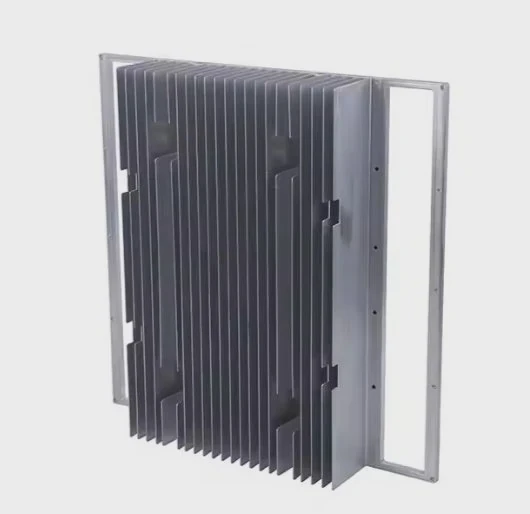
When I tested a small chamber with a heated base, I saw vapor rise straight up at first. But once a copper plate was added, vapor curved around it. This showed me how strong the influence of a simple divider can be.
How the Vapor Moves Around the Wall
Vertical rise
Hot vapor rises from the heated zone because warm vapor is lighter.
Flow split
The copper wall divides this rising vapor into two paths.
Edge currents
Vapor moves around the top or bottom edges of the wall.
Recombination
On the other side, the flows join again and fill the space.
Why the Wall Changes the Flow
I want to show a simple table:
| Condition | Effect on Vapor | Simple Reason |
|---|---|---|
| Wall blocks path | Vapor moves sideways | Needs open route |
| High copper conduction | Heat spreads fast | Raises nearby vapor temperature |
| Wall surface temperature | Affects condensation | Cooler = more droplets |
| Divided chamber volume | Pressure zones differ | Small pressure shifts guide flow |
When I watched the vapor inside a test chamber through a clear cover, I saw how flow slowed near the copper wall. The closer the vapor moved to the wall, the more stable the stream became. This showed me that surfaces can guide vapor in quiet and subtle ways.
What happens to heat transfer here?
Heat transfer inside a vapor chamber looks simple, but the copper wall changes the balance of conduction, convection, and phase change. Copper is one of the best heat conductors. This matters a lot.
Heat transfer changes because the copper wall spreads heat quickly, redirects thermal energy across both sides, and sets up new condensation zones. Phase change becomes more balanced and more controlled.
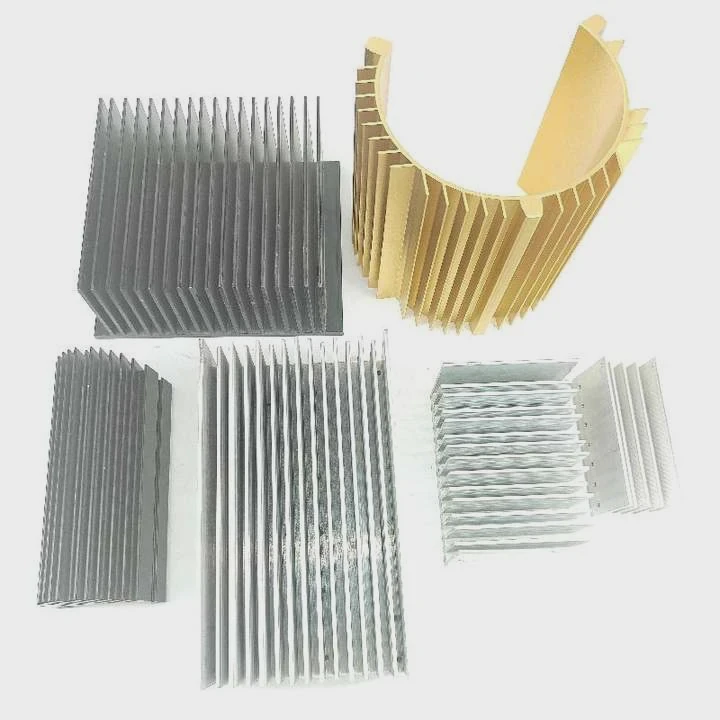
When I held a copper plate after heating one corner, I felt the entire plate warm. This showed me how fast copper spreads heat. Inside a vapor chamber, this effect is even stronger because vapor responds instantly.
How Heat Moves in the Chamber
Heat hits the copper wall
When heat reaches the wall, the wall spreads it fast.
Vapor absorbs the heat
The vapor near the hot side evaporates more.
Condensation shifts
Condensation grows on cooler sides of the wall.
Liquid returns
Droplets form, fall, and spread across surfaces.
Heat Transfer Breakdown
Here is a simple table to help explain it:
| Type of Heat Transfer | What Happens | Reason |
|---|---|---|
| Conduction | Heat moves through copper | Copper is highly conductive |
| Convection | Vapor circulates | Warm vapor rises, cool vapor sinks |
| Phase change | Vapor condenses on cool spots | Saturated vapor reacts to temperature shift |
I saw this clearly in a test rig where the copper wall warmed almost instantly on both sides. When I placed a sensor on the cool side, it climbed in temperature even though there was no direct heat source. This was pure copper conduction reshaping the temperature field.
Why does saturation matter?
Saturation is one of the most important parts of this system. Saturation means the vapor is at the exact temperature where it is ready to condense or evaporate with a tiny push. Even small shifts matter.
Saturation matters because saturated vapor reacts immediately to tiny temperature changes. This makes phase change efficient. This also makes the copper wall’s temperature important because even small differences cause new condensation zones.
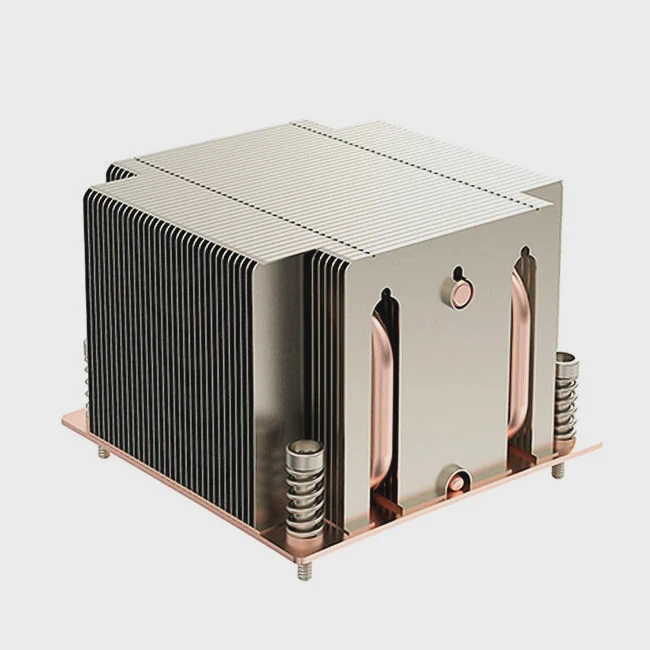
When I studied saturated vapor for the first time, I noticed how sensitive it is. A small cold spot creates instant condensation. A small warm spot creates instant evaporation. This causes the chamber to behave like a dynamic system.
How Saturation Changes the System
Fast condensation
Cool surfaces become droplet points.
Fast evaporation
Warm surfaces drive vapor creation.
Balanced pressure
Saturation keeps pressure stable inside the chamber.
Strong reactions
Even small wall temperature changes move a lot of vapor.
Why Saturation Makes the Wall Important
I want to show this clearly:
| Condition | Saturation Effect | Result |
|---|---|---|
| Wall slightly cooler | More condensation | Droplets form |
| Wall slightly warmer | More evaporation | Vapor rises fast |
| Balanced temperature | Stable phase cycle | Smooth performance |
When I tested saturated vapor near a small copper strip, I saw droplets form in less than a second. When I warmed the copper slightly, the droplets disappeared. This made me realize how sensitive the system is. This sensitivity is why saturation defines chamber behavior.
Can wall design change condensation?
Many people assume condensation always forms the same way. But the design of the copper wall changes how droplets form, where they form, and how they return as liquid. Design becomes a tool to control the entire system.
Wall design changes condensation by shaping surface temperature, surface texture, corner geometry, and flow paths. These details decide where droplets form, how fast they grow, and how liquid moves back.
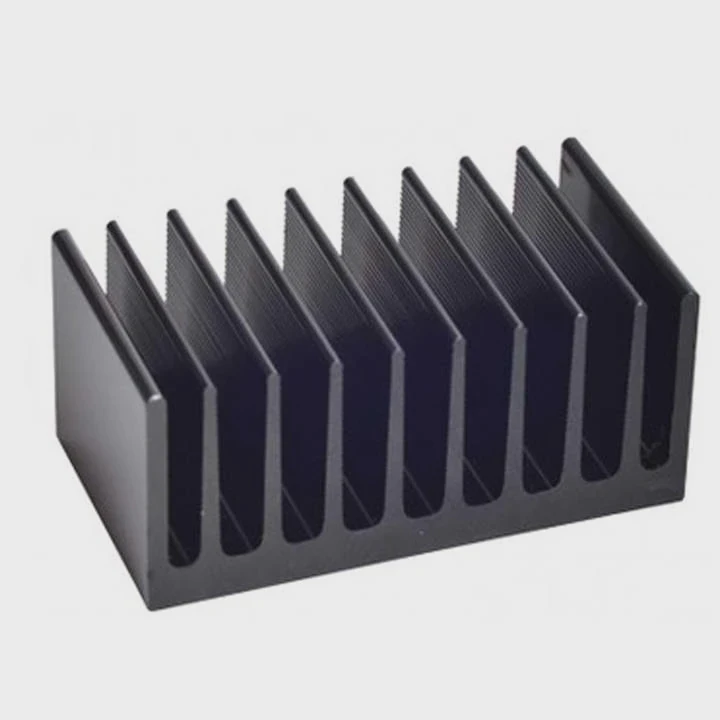
When I tested different copper surfaces—smooth, brushed, and micro-textured—I saw major differences in condensation patterns. Smooth surfaces formed large droplets. Rough surfaces formed many small droplets. Edges created fast-flow paths for liquid.
Design Elements That Affect Condensation
Surface texture
Small textures increase nucleation points.
Wall thickness
Thicker walls change heat spread speed.
Edge shape
Sharp edges guide liquid differently than curved edges.
Height and position
These set how vapor curls around the wall.
How the Design Shifts Condensation Patterns
Here is a simple table:
| Wall Feature | Effect on Condensation | Physical Reason |
|---|---|---|
| Smooth copper | Large droplets | Fewer nucleation spots |
| Rough copper | Many tiny droplets | More points for condensation |
| Thin wall | Fast response | Lower thermal mass |
| Thick wall | Slow response | Higher thermal mass |
What I Saw in Real Tests
I once inserted a tall copper wall with a sharp top edge into a saturated chamber. Condensation formed along the edge like a thin line. When I used a rounded edge instead, the droplets formed as a wider band. This showed me that geometry shapes condensation behavior.
Later, I tried a wall with one smooth face and one textured face. One side formed small droplets. The other side formed large ones. This showed me how a single plate can create two very different zones inside the same chamber.
Conclusion
A vertical copper wall inside a chamber of saturated vapor divides flow, changes heat transfer, shifts condensation zones, and reacts strongly to small temperature changes. The design and surface of the wall guide how the vapor moves and how the liquid returns.
TAGS
Latest Articles

Volume discount levels for heat sink orders?
Buyers often ask when heat sink prices start to drop with volume. Many worry they’re overpaying for small orders. This guide explains how B2B volume pricing works for thermal components. Heat sink
21 Dec,2025
Heat sink long-term supply contract options?
Many buyers want stable pricing and reliable delivery for heat sinks. But without a clear contract, risks grow over time. This article explores how to secure better long-term supply deals. Long-term
21 Dec,2025
Tooling cost for new heat sink profiles?
Many engineers struggle to understand why tooling for custom heat sinks costs so much. They worry about budgeting and production timelines. This article breaks down the cost drivers behind tooling.
21 Dec,2025
Heat sink custom sample process steps?
Sometimes, starting a custom heat sink project feels overwhelming—too many steps, too many unknowns, and too many risks. You want a sample, but not endless delays. The process for requesting and
20 Dec,2025
Standard B2B terms for heat sink payments?
When buyers and sellers in B2B heat sink markets talk about payment, many don’t fully understand what’s standard. This can lead to delayed orders, miscommunication, and even lost business
20 Dec,2025
Heat sink pricing factors for large orders?
Heat sinks are vital for many systems. When prices rise, projects stall and budgets break. This problem can hit teams hard without warning. Large order heat sink pricing depends on many factors. You
20 Dec,2025Related Articles
- are noctua coolers vapor chamber?
- are vapor chamber cpu coolers reliable?
- Which desktop vaporizer has the largest chamber?
- can a vapor chamber survive reflow?
- can you leave weed in a vaporizer chamber?
- does evga icx use vapor chamber?
- do old microwaves have heatsinks?
- how to check heatsink?
- How to install Raspberry Pi heatsink?
- how to remove pentium 3 heatsink?
- Are M.2 heatsinks necessary?
- do you need raspberry pi heatsinks?
Author
Dr. Emily Chen
Chief AI Researcher
Leading expert in thermal dynamics and AI optimization with over 15 years of experience in data center efficiency research.
Categories
Latest Products






Recommend Categories
- Liquid cooling plate Manufacturer
- Industrial Heat Sink Manufacturer
- Standard Heat Sink Manufacturer
- Aluminum Heat Sink Manufacturer
- Copper Heat Sink Manufacturer
- Anodized Heatsink Manufacturer
- Stamping heat sink Manufacturer
- Die Casting Heatsink Manufacturer
- Soldering heat sink Manufacturer
- CNC Parts Manufacturer
Latest Products
- Wholesale Aluminum Radiator
- Water Cooling Plate Kit
- Water Cooling Heat Sink
- Water Cooling Heat Sink Kit
- Stainless Steel Water Distributor
- Server Water Cooling Plate Kit
- Server Liquid Cooling System
- Server Aluminum Cooling Kit
- S19 Full Cover Cooling Plate
- S19 Cooling Plate Kit
- S19 Aluminum Cooling Plate
Contact Expert
Have questions about this article? Reach out to our experts directly.