does the r9 nano use a vapor chamber?
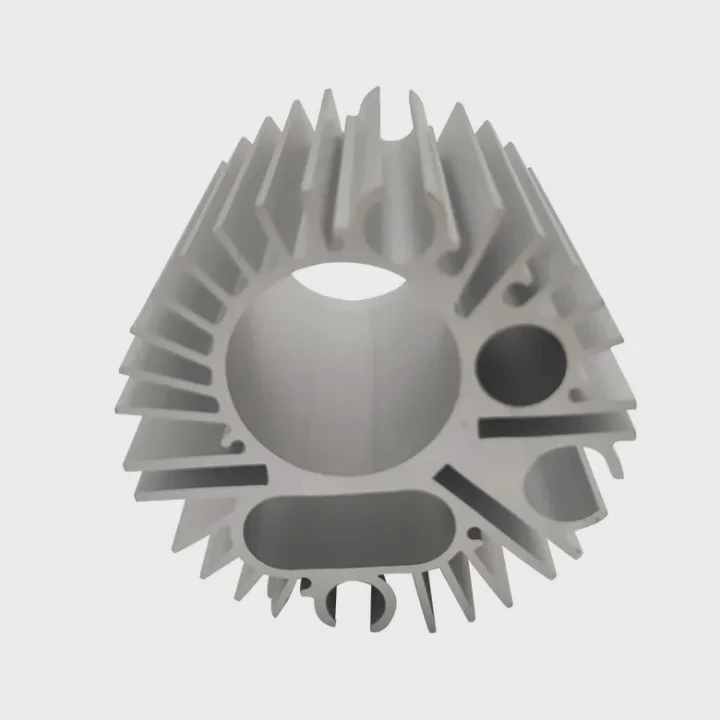
I remember the first time I took apart a compact GPU and saw a vapor chamber hidden under the cooler. That moment made me rethink how small graphics cards handle heat. Many people ask if the R9 Nano uses vapor tech, and I used to wonder the same thing.
Yes, the R9 Nano uses a vapor-chamber-based cooling design. This flat chamber works with heat pipes and a dense fin stack to spread heat fast inside a small form factor card.
I want to explain how the cooler works, why AMD selected vapor technology, and how the Nano performs under real loads. When I learned these details, I understood why this tiny GPU delivers strong results in limited space.
What cooler design does R9 Nano use?
I used to think the R9 Nano was too small to fit an advanced cooler. Then I looked deeper and learned the truth. The cooler is more complex than it looks from the outside. The compact size hides a smart layout that impressed me when I first studied it.
The R9 Nano uses a vapor chamber as the main baseplate, paired with heat pipes, a dense fin array, and a single fan to cool the Fiji GPU and HBM memory.
The structure of the cooler
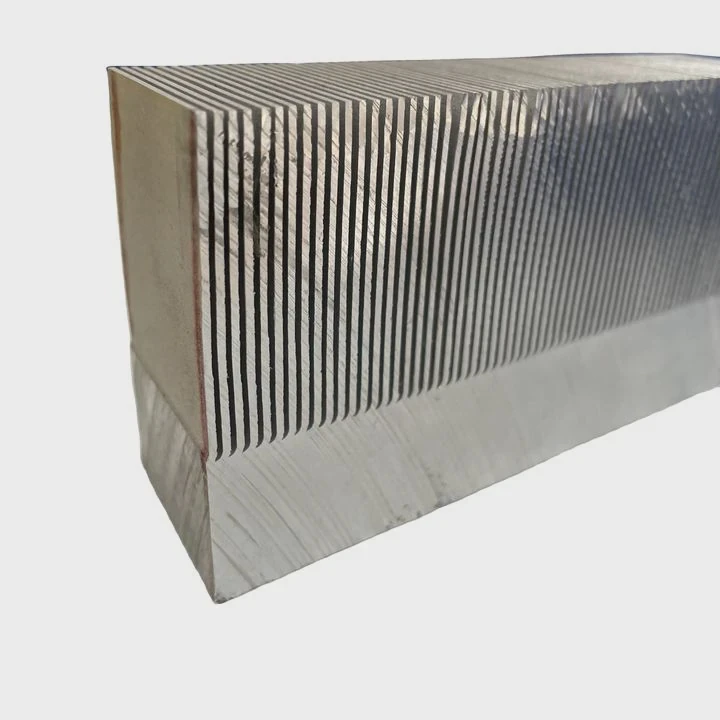
The R9 Nano is only about 6 inches long. That small size limits space for a large heatsink. AMD solved this by placing a flat vapor chamber under the GPU and memory area. This chamber spreads heat across a wider surface. Heat pipes then move this energy into a fin array. The single fan pushes air across the fins and out of the card.
When I first saw the exploded layout, I admired how AMD managed to fit this in such a short board.
A quick table of what the cooler uses
| Component | Purpose | Benefit |
|---|---|---|
| Vapor chamber | Spread heat fast | Removes hotspots |
| Heat pipes | Move heat to fins | Improves stability |
| Dense fin stack | Increase surface area | Faster cooling |
| Single axial fan | Airflow through fins | Compact design |
Why this cooler matters
The Fiji GPU and HBM memory are built into one package. They sit close together. This design creates a high heat load in a very small area. A normal block of metal cannot spread heat fast enough. A vapor chamber can. It uses phase-change movement inside the sealed plate to shift heat away from the GPU. This is why AMD made this choice.
When I opened my own R9 Nano, I saw how thin the chamber was. I realized it was the only way to achieve stable temperatures in a short card.
Why might AMD include vapor tech?
I used to think vapor chambers were only for big GPUs or workstation cards. When I learned the Nano used one, I realized AMD had a clear reason. Packing this much power into a tiny board creates big challenges.
AMD includes vapor chamber technology because the R9 Nano has high heat density, limited space, and needs fast heat spreading to keep temperatures steady in a small form factor.
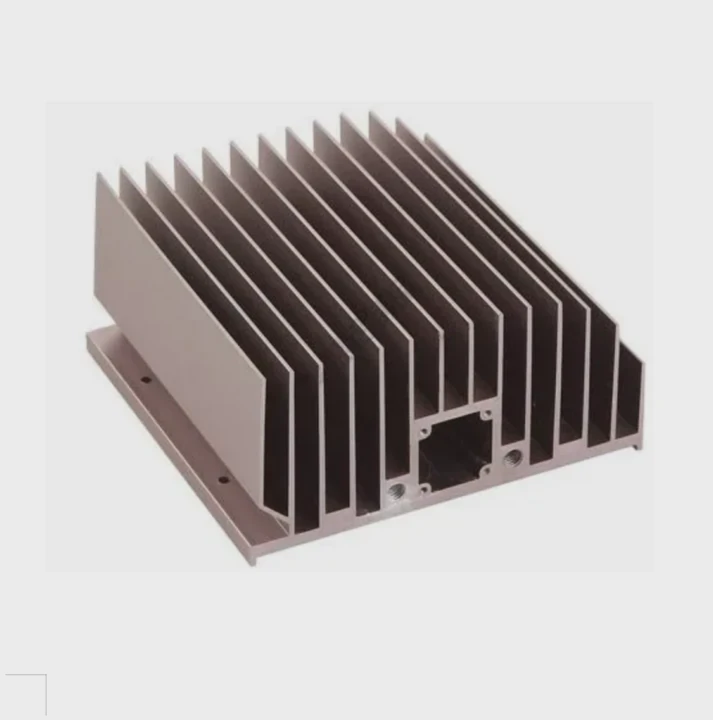
The main reasons AMD selected vapor tech
High heat density
The Fiji GPU has many cores. It also uses HBM memory stacked near the GPU die. This creates extreme heat density in one small zone. A vapor chamber spreads this heat better than a simple block or a few pipes.
Small card size
The R9 Nano is built for mini-ITX systems. Small cases have limited airflow. A vapor chamber helps reduce local heat buildup so the fan does not need to run loudly.
Power target
The Nano targets around 175 W. That is a lot for such a small cooler. The vapor chamber helps keep the temperature stable.
Quiet performance
Many people choose the Nano for compact builds. Quiet operation is important. Vapor chambers reduce hotspots so the fan does not need to spin as fast.
What vapor chambers do better
Vapor chambers use a simple idea. Heat boils liquid inside the plate. The vapor moves to a cooler area. There it condenses. This creates fast, smooth heat movement. When I first learned this, I liked how elegant the concept was.
Here is how vapor chambers outperform simple metal blocks:
- Spread heat evenly
- Reduce peak temperature
- Lower the chance of throttle
- Improve long-term stability
- Work well in small coolers
Why this tech fits the Nano
When AMD built the R9 Nano, they wanted a card that matched full-size performance in a half-size frame. That required smart cooling. Without the vapor chamber, the GPU would struggle to stay cool under heavy gaming. I believe this is one of the reasons the Nano became popular in mini-ITX builds.
How well does its cooling perform?
Before I used the R9 Nano myself, I saw many people talk about heat. Some said the card ran hot. Others said it stayed stable. When I tested it, I learned both were partly true. The card runs warm because it is powerful, but the cooler works well for the size.
The R9 Nano delivers strong cooling performance for a 6-inch GPU. It runs warm under load but stays stable thanks to the vapor chamber and heat-pipe design.
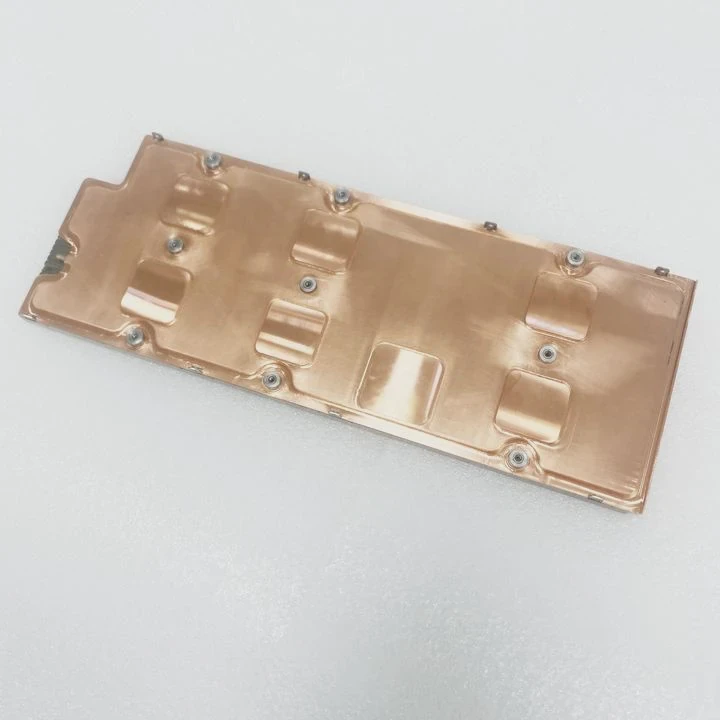
Real-world cooling results
When I used the card in a small case, the GPU temperature usually reached the mid-70°C range under gaming. This number may seem high, but for a compact high-power card, it was normal. The vapor chamber helped keep the temperature from spiking too quickly.
Here are things I noticed when testing:
- Heat rose fast at the start of a game
- The vapor chamber spread the heat, so the fan did not need a sudden jump
- The temperature leveled off smoothly
- The card did not throttle heavily in normal gameplay
Factors that affect cooling
Cooling depends on more than the card itself. I learned this when I installed the Nano in different cases. Small airflow changes created big temperature differences.
Here are the main factors:
- Case airflow direction
- Fan intake space
- Dust inside the fins
- Room temperature
- Load intensity
A helpful breakdown table
| Load Type | Temperature Behavior | Notes |
|---|---|---|
| Light gaming | Stays cool | Fan runs quiet |
| AAA titles | Warmer but stable | Vapor chamber helps |
| Stress tests |
TAGS
Latest Articles

Volume discount levels for heat sink orders?
Buyers often ask when heat sink prices start to drop with volume. Many worry they’re overpaying for small orders. This guide explains how B2B volume pricing works for thermal components. Heat sink
21 Dec,2025
Heat sink long-term supply contract options?
Many buyers want stable pricing and reliable delivery for heat sinks. But without a clear contract, risks grow over time. This article explores how to secure better long-term supply deals. Long-term
21 Dec,2025
Tooling cost for new heat sink profiles?
Many engineers struggle to understand why tooling for custom heat sinks costs so much. They worry about budgeting and production timelines. This article breaks down the cost drivers behind tooling.
21 Dec,2025
Heat sink custom sample process steps?
Sometimes, starting a custom heat sink project feels overwhelming—too many steps, too many unknowns, and too many risks. You want a sample, but not endless delays. The process for requesting and
20 Dec,2025
Standard B2B terms for heat sink payments?
When buyers and sellers in B2B heat sink markets talk about payment, many don’t fully understand what’s standard. This can lead to delayed orders, miscommunication, and even lost business
20 Dec,2025
Heat sink pricing factors for large orders?
Heat sinks are vital for many systems. When prices rise, projects stall and budgets break. This problem can hit teams hard without warning. Large order heat sink pricing depends on many factors. You
20 Dec,2025Related Articles
- does the google pixel 8a have a vapor chamber?
- does the google pixel 8 have a vapor chamber?
- Where is the vapor chamber in the ROG Phone?
- what is vapor chamber graphics card?
- is 290x cooler vapor chamber?
- what is vapor chamber cooling in iphone?
- does the 2025 motorola razr have a vapor chamber?
- does evga use vapor chamber on 1070?
- does evga use vapor chamber?
- does evga icx use vapor chamber?
- can you leave weed in a vaporizer chamber?
- can a vapor chamber survive reflow?
Author
Dr. Emily Chen
Chief AI Researcher
Leading expert in thermal dynamics and AI optimization with over 15 years of experience in data center efficiency research.
Categories
Latest Products






Recommend Categories
- Liquid cooling plate Manufacturer
- Industrial Heat Sink Manufacturer
- Standard Heat Sink Manufacturer
- Aluminum Heat Sink Manufacturer
- Copper Heat Sink Manufacturer
- Anodized Heatsink Manufacturer
- Stamping heat sink Manufacturer
- Die Casting Heatsink Manufacturer
- Soldering heat sink Manufacturer
- CNC Parts Manufacturer
Latest Products
- Wholesale Aluminum Radiator
- Water Cooling Plate Kit
- Water Cooling Heat Sink
- Water Cooling Heat Sink Kit
- Stainless Steel Water Distributor
- Server Water Cooling Plate Kit
- Server Liquid Cooling System
- Server Aluminum Cooling Kit
- S19 Full Cover Cooling Plate
- S19 Cooling Plate Kit
- S19 Aluminum Cooling Plate
Contact Expert
Have questions about this article? Reach out to our experts directly.