Can Vapor Chamber be disassembled?
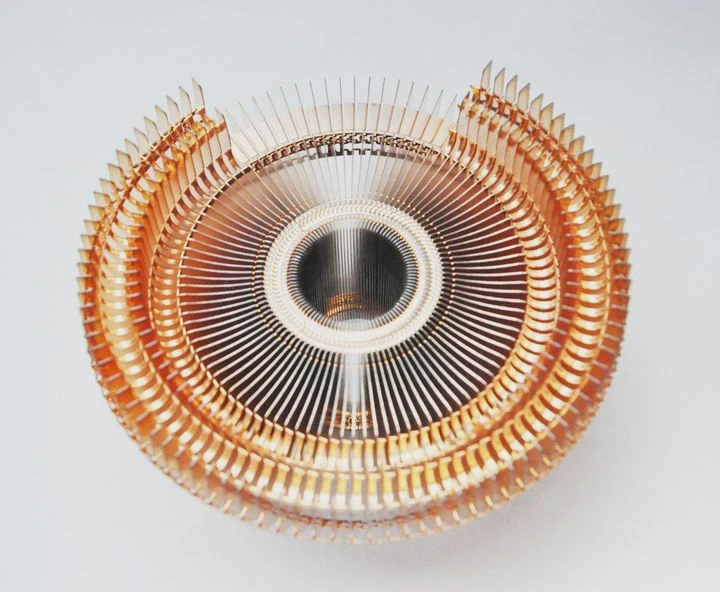
Vapor chambers are known for their high thermal performance and sealed design. However, when these components fail or become outdated, the question often arises: can they be disassembled for repair, cleaning, or reuse?
Vapor chambers are sealed, factory-manufactured thermal devices that cannot be disassembled without damaging their internal structure. They are not intended for post-production servicing.
Let’s explore what happens if you attempt to disassemble a vapor chamber, the risks involved, and what alternatives exist.
Can a Vapor Chamber be safely disassembled?
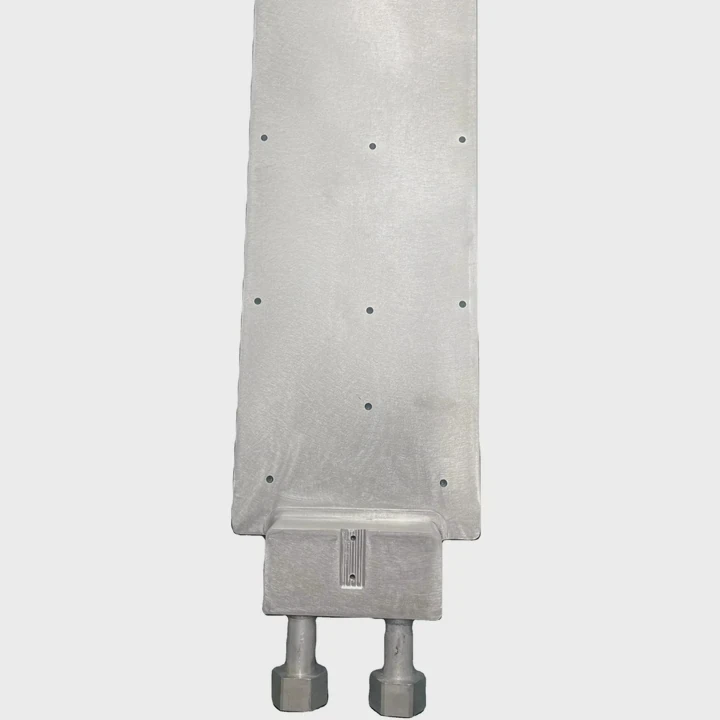
The short answer is no — vapor chambers are not designed for safe disassembly. They are built as hermetically sealed systems with internal structures that operate under precise conditions.
Inside a vapor chamber, you’ll find:
- A metal enclosure (usually copper or aluminum)
- A fine wick structure or sintered mesh
- A small amount of working fluid
- A vacuum or low-pressure vapor space
These components work together to transfer heat through phase change. Breaking the seal or disturbing the vacuum ruins the chamber’s functionality.
Why disassembly is not safe:
| Risk Factor | Impact on Vapor Chamber |
|---|---|
| Breaking the vacuum seal | Eliminates thermal performance |
| Exposing the wick | Introduces contaminants, ruins capillarity |
| Fluid evaporation | Leaves the system dry and ineffective |
| Structural deformation | Causes warping, poor contact |
Vapor chambers are typically welded shut using laser or diffusion welding. These processes create a permanent, leak-tight seal. Any attempt to reopen the device can damage the chamber beyond repair.
Will disassembly damage internal structures?
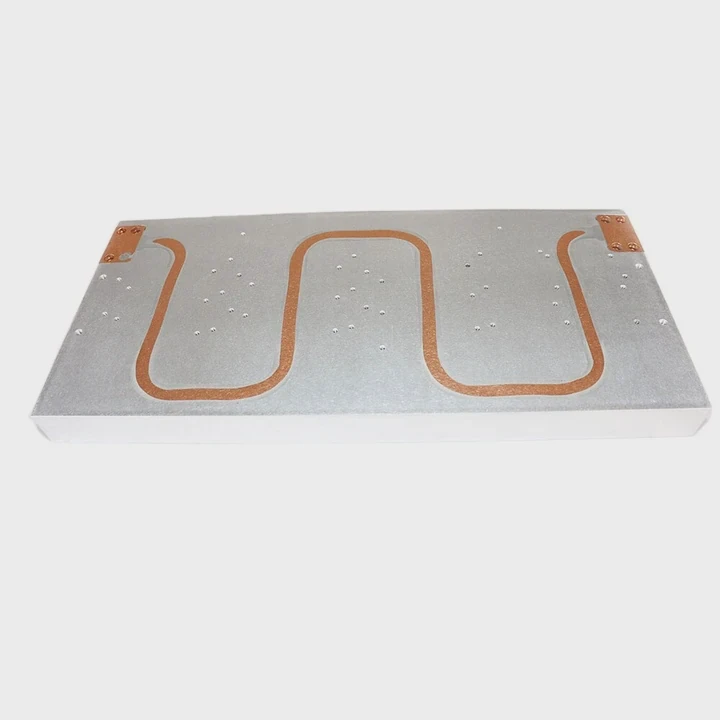
Yes, attempting to disassemble a vapor chamber almost always results in irreversible damage. Even careful methods like cutting or prying open the chamber compromise critical components.
What gets damaged during disassembly:
- Wick structure: Delicate internal mesh is essential for fluid circulation. Touching or displacing it ruins performance.
- Fluid integrity: The working fluid is sensitive to contamination. Once exposed to air or moisture, it can no longer function as designed.
- Flatness and sealing surface: Disassembly often deforms the enclosure, affecting the chamber’s ability to maintain thermal contact with other components.
The design is optimized for one-time assembly in a clean, controlled environment. Reopening in uncontrolled conditions adds dust, particles, and air, which all interfere with thermal behavior.
Is cleaning or reuse possible after disassembly?
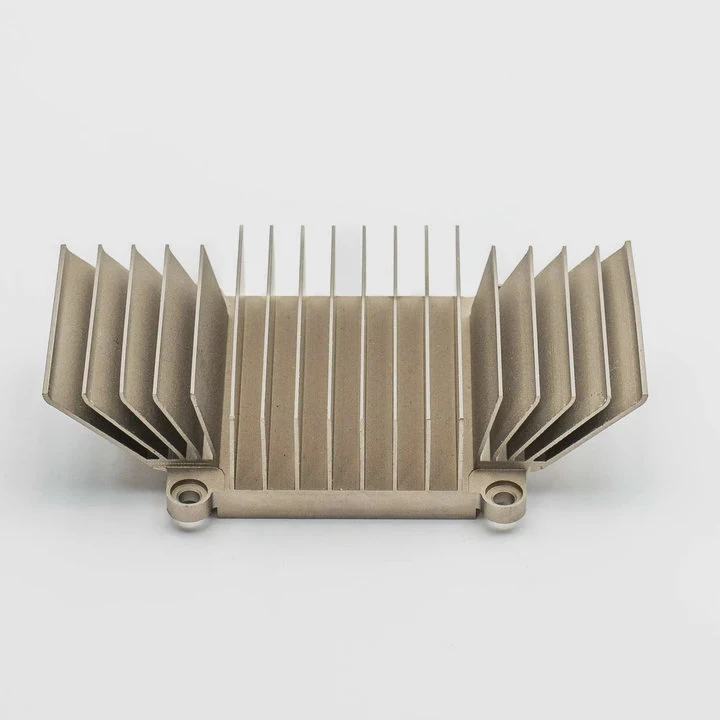
In theory, one might attempt to clean or reuse a vapor chamber. In practice, this is not feasible without specialized equipment.
Here’s why:
- Loss of vacuum: Without a vacuum chamber and recharging station, you cannot restore the internal environment.
- Fluid reintroduction is complex: The fluid type, amount, and charge conditions are tightly controlled. Getting them right again is nearly impossible.
- Wick cannot be cleaned manually: Even microscopic dust or oil can block capillary action in the wick.
Unless you have access to the same manufacturing tools used to build the vapor chamber, there is no reliable way to clean or reuse one after opening.
Cleaning Limitations:
| Step | Can It Be Done? | Required Equipment |
|---|---|---|
| Vacuum restoration | ❌ | Industrial vacuum chamber |
| Fluid refill | ❌ | Precision fluid dispenser |
| Wick cleaning | ❌ | Clean room environment |
| Resealing the body | ❌ | Laser/diffusion welder |
Because of these barriers, vapor chambers are treated as non-repairable components. If a chamber fails or needs to be replaced, the only viable solution is to source a new one.
Are there tools designed for safe disassembly?
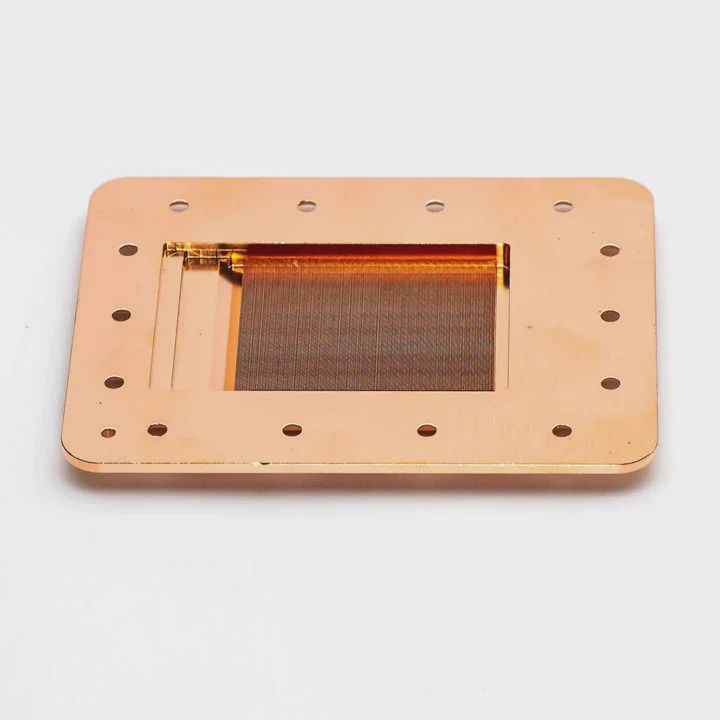
No standard tools exist for disassembling vapor chambers. Manufacturers do not offer service kits or approved methods for opening these devices because they are designed to be used as-is, with no post-manufacturing access.
Why no tools exist:
- The process is destructive: Any opening method breaks the seal.
- It’s not intended by design: Vapor chambers are categorized as sealed heat-transfer units, not serviceable modules.
- Tooling would require industrial-grade systems: For example, vacuum ovens, welders, and clean rooms.
In experimental labs or R&D environments, some engineers have reverse-engineered vapor chambers. These are academic exercises rather than practical maintenance operations.
Comparison Table:
| Component | Serviceable? | Standard Tools Available? |
|---|---|---|
| Heat sink fins | ✅ | Yes (screwdrivers, pliers) |
| Vapor chamber | ❌ | No |
| Thermal paste | ✅ | Yes (spatula, cloth) |
| Heat pipes | ❌ | No |
This comparison shows that while some thermal components can be removed and cleaned, vapor chambers belong to a group of sealed units that must be handled differently.
What to do if a Vapor Chamber fails?
If a vapor chamber becomes dented, leaks fluid, or stops performing as expected, there are steps you can take — none of which involve disassembly.
Recommended Actions:
- Visual Inspection: Check for dents, bulges, or discoloration.
- Surface Flatness Test: Use a feeler gauge to see if the base is warped.
- Temperature Check: Monitor thermal resistance during use.
- Replacement: If failure is confirmed, request a new unit from the supplier.
For OEMs or large-scale users, suppliers may perform failure analysis on returned vapor chambers under NDA or controlled RMA conditions.
Tips for Avoiding Vapor Chamber Failure
| Tip | Benefit |
|---|---|
| Store flat, in dry environment | Prevents deformation and corrosion |
| Use correct torque values | Maintains even pressure |
| Avoid bending or impacts | Protects internal structure |
| Keep original packaging | Reduces handling damage |
Preventive handling is the best strategy. Once compromised, a vapor chamber cannot be repaired effectively.
Conclusion
Vapor chambers are sealed, complex thermal components designed for high efficiency in compact systems. Due to their internal vacuum, working fluid, and delicate wick structures, they cannot be safely disassembled, cleaned, or reused. No tools exist for opening them without damage, and re-sealing is beyond standard manufacturing capability. If a chamber fails or shows signs of wear, replacement is the only reliable solution. Handle vapor chambers with care and treat them as non-serviceable parts to maintain system performance.
TAGS
Latest Articles

Volume discount levels for heat sink orders?
Buyers often ask when heat sink prices start to drop with volume. Many worry they’re overpaying for small orders. This guide explains how B2B volume pricing works for thermal components. Heat sink
21 Dec,2025
Heat sink long-term supply contract options?
Many buyers want stable pricing and reliable delivery for heat sinks. But without a clear contract, risks grow over time. This article explores how to secure better long-term supply deals. Long-term
21 Dec,2025
Tooling cost for new heat sink profiles?
Many engineers struggle to understand why tooling for custom heat sinks costs so much. They worry about budgeting and production timelines. This article breaks down the cost drivers behind tooling.
21 Dec,2025
Heat sink custom sample process steps?
Sometimes, starting a custom heat sink project feels overwhelming—too many steps, too many unknowns, and too many risks. You want a sample, but not endless delays. The process for requesting and
20 Dec,2025
Standard B2B terms for heat sink payments?
When buyers and sellers in B2B heat sink markets talk about payment, many don’t fully understand what’s standard. This can lead to delayed orders, miscommunication, and even lost business
20 Dec,2025
Heat sink pricing factors for large orders?
Heat sinks are vital for many systems. When prices rise, projects stall and budgets break. This problem can hit teams hard without warning. Large order heat sink pricing depends on many factors. You
20 Dec,2025Related Articles
- Installation tools needed for Vapor Chamber
- Standard moisture protection for Vapor Chamber
- How to inspect delivered Vapor Chamber batch?
- Vapor Chamber DDP shipping availability
- Vapor Chamber customs clearance process
- Can Vapor Chamber be shipped by courier?
- Maintenance tools for Vapor Chamber systems
- How long does a Vapor Chamber last?
- Warranty claim process for Vapor Chamber
- Typical after sales support for Vapor Chamber
- Common Vapor Chamber replacement parts?
- How to extend Vapor Chamber service life?
Author
Dr. Emily Chen
Chief AI Researcher
Leading expert in thermal dynamics and AI optimization with over 15 years of experience in data center efficiency research.
Categories
Latest Products






Recommend Categories
- Liquid cooling plate Manufacturer
- Industrial Heat Sink Manufacturer
- Standard Heat Sink Manufacturer
- Aluminum Heat Sink Manufacturer
- Copper Heat Sink Manufacturer
- Anodized Heatsink Manufacturer
- Stamping heat sink Manufacturer
- Die Casting Heatsink Manufacturer
- Soldering heat sink Manufacturer
- CNC Parts Manufacturer
Latest Products
- Wholesale Aluminum Radiator
- Water Cooling Plate Kit
- Water Cooling Heat Sink
- Water Cooling Heat Sink Kit
- Stainless Steel Water Distributor
- Server Water Cooling Plate Kit
- Server Liquid Cooling System
- Server Aluminum Cooling Kit
- S19 Full Cover Cooling Plate
- S19 Cooling Plate Kit
- S19 Aluminum Cooling Plate
Contact Expert
Have questions about this article? Reach out to our experts directly.