Common Vapor Chamber replacement parts?
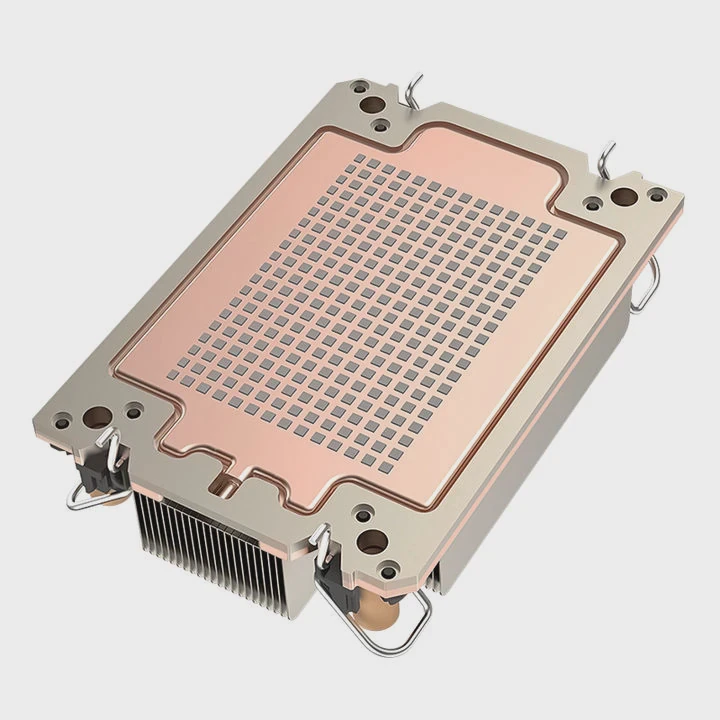
Vapor chambers are sealed thermal components designed for long-term service. But when issues occur, customers often wonder: can any parts be replaced? In most real-world cases, vapor chambers are treated as non-serviceable modules. Still, understanding which parts fail first and what can be replaced externally can help plan maintenance and minimize downtime.
Internal parts of vapor chambers are generally non-replaceable, but external components such as brackets, screws, interface pads, or mounting kits are often replaceable. Full unit replacement is the common practice in industry.
The following sections explain this in detail.
What parts of a Vapor Chamber are commonly replaced?
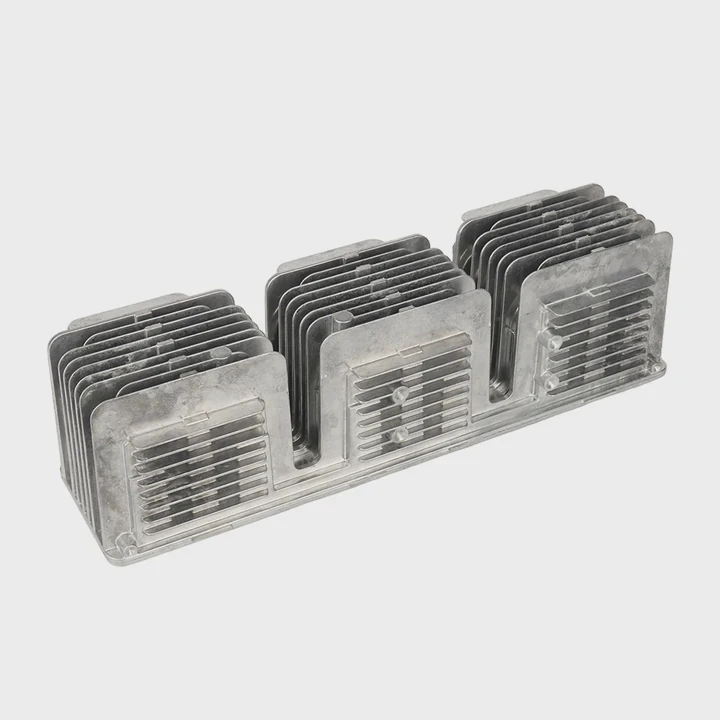
Only a few parts of vapor chambers are typically replaced, and most of them are external. The internal components are sealed during production and cannot be accessed without destruction of functionality.
Common replacement components (external)
| Replaceable Part | Location/Function |
|---|---|
| Mounting brackets | External structure to attach vapor chamber |
| Screws and torque hardware | Used to ensure correct pressure and installation |
| Thermal interface materials | Applied between chamber and heat source |
| Protective cover plates | Used in some assemblies to stabilize components |
| Insulation or buffer pads | Sometimes used for shock absorption or spacing |
These components do not affect vacuum conditions and can be replaced without harming the sealed internal chamber. Replacement helps maintain proper thermal contact and consistent performance over time.
Non-replaceable parts (internal)
| Internal Component | Reason It Cannot Be Replaced |
|---|---|
| Wick structure | Integrated in sealed cavity under vacuum |
| Working fluid | Cannot be refilled without vacuum chamber equipment |
| Outer shell | Deformed shell weakens thermal conductivity |
| Welded sealing seams | Responsible for vacuum sealing, cannot be reopened |
When any of these internal elements fail, full vapor chamber replacement is the only reliable solution.
Are replacement wicks available for maintenance?
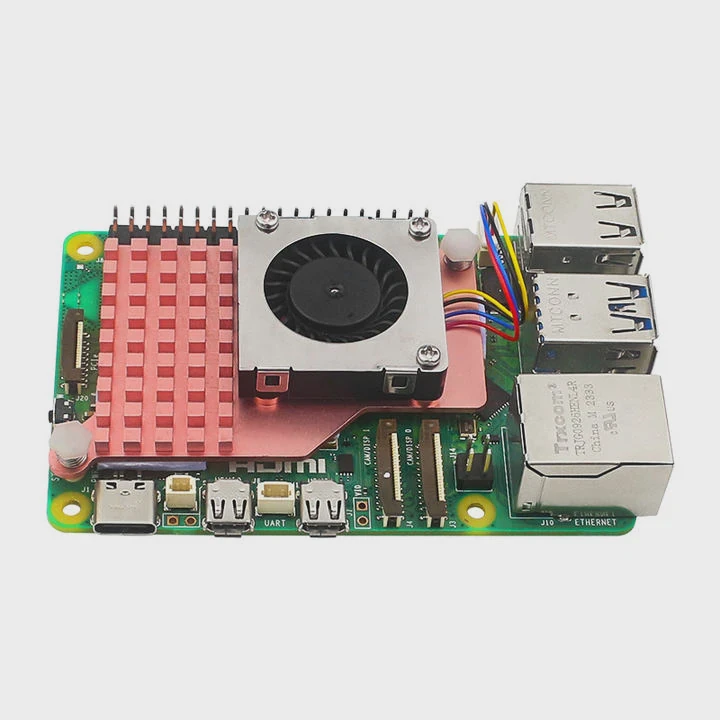
Internal wick systems are responsible for fluid movement and capillary return. They are built using copper mesh, sintered powder metal, or grooved structures. These wicks are sealed inside the metallic cavity at the manufacturing stage.
Because of this, replacement wicks are not available as maintenance parts for commercial vapor chambers. Opening the chamber destroys the vacuum environment and causes contamination of the internal fluid path. Even microscopic dust would affect performance.
Why wicks cannot be replaced:
- Wick installation requires controlled alignment during factory assembly
- Wicks must remain fully clean and contaminant-free
- Vacuum environment would need to be restored after replacement
- No standard field-replacement procedure exists
- Cutting open the chamber damages shell flatness and sealing areas
Wick replacement is only possible in research-grade, customizable prototypes built for laboratory testing. These products are not used in mass production and are never sold as commercial components.
Can sealing components be repaired or swapped?
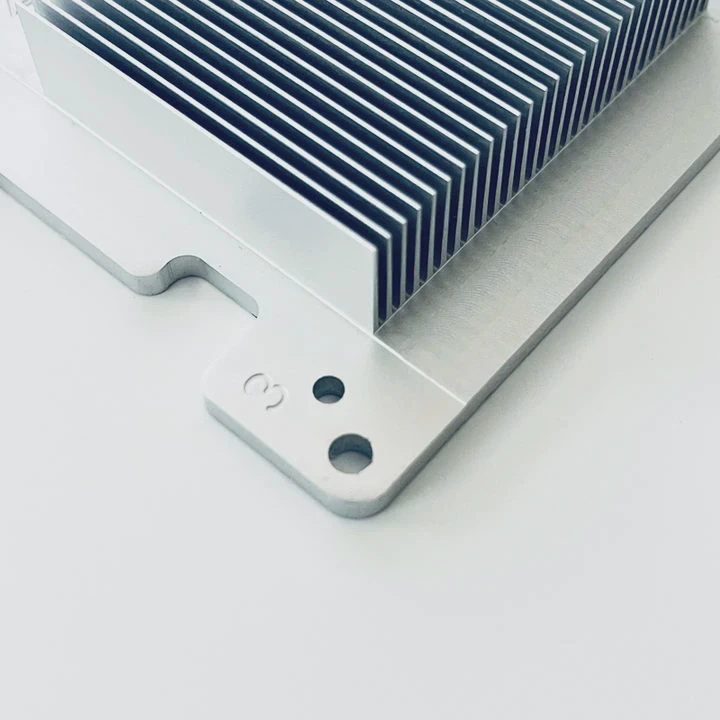
Vapor chambers depend on airtight sealing to maintain their vacuum environment. Once the seal is compromised—even slightly—the internal fluid begins to evaporate or leaks out. This immediately reduces heat transfer performance.
Sealing components include:
- Welded edges
- Laser welding lines
- Brazed joints
- Sealing tabs and filling ports
These elements are permanently closed during production. In most systems, any sealing defect leads to total loss of performance, and repair is not recommended.
Repair challenges:
- Impossible to verify leak-free sealing after rework
- Difficult to refill the exact amount of working fluid
- Special equipment needed for vacuum restoration
- Thermal stability cannot be guaranteed after sealing is compromised
In industry, sealing failure equals end of service life. It is faster, safer, and more economical to replace the entire vapor chamber.
Do suppliers sell individual Vapor Chamber parts?
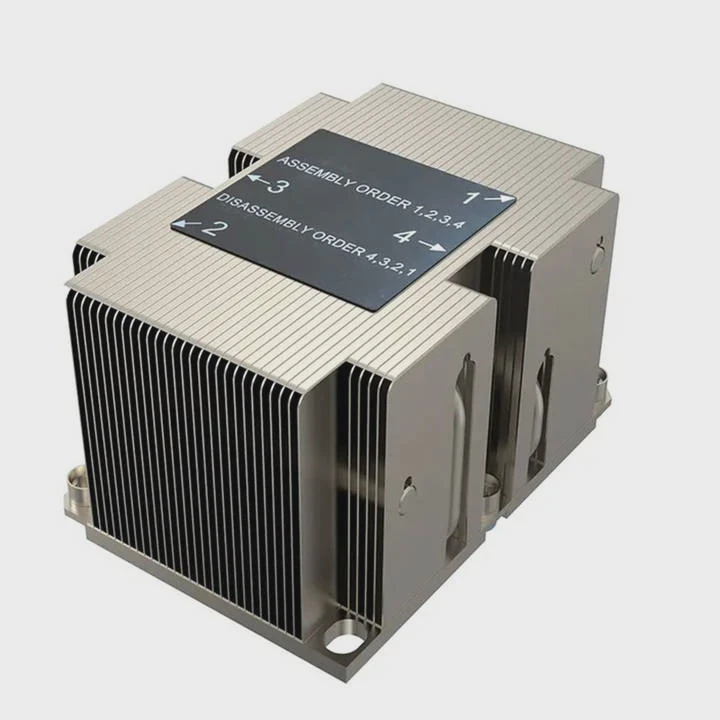
Standard suppliers do not sell individual internal components. Instead, they provide complete vapor chamber units and, in some cases, external accessories such as mounting plates or assembly kits.
What suppliers usually sell:
| Category | Available for Purchase |
|---|---|
| Complete vapor chamber unit | ✔ Yes |
| Mounting hardware kits | ✔ Yes |
| Thermal interface pads | ✔ Yes |
| Brackets and fixtures | ✔ Yes |
| Internal wicks | ✘ No |
| Working fluid | ✘ No |
| Shell or plate components | ✘ No |
| Sealed weld replacements | ✘ No |
This reflects the deeply integrated structure of the vapor chamber. The product is considered a single sealed assembly rather than a collection of replaceable components.
When replacement parts might be possible
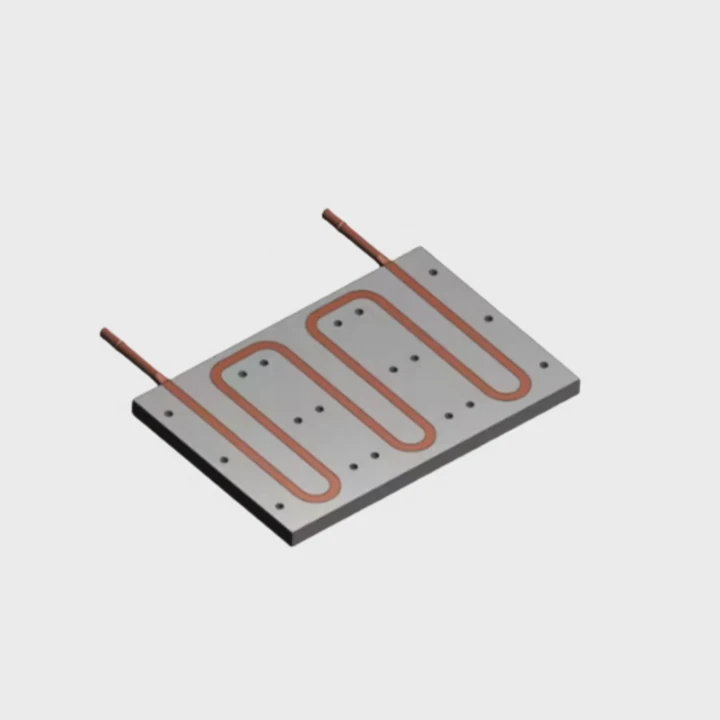
Internal replacement is extremely rare, but certain research labs and prototype environments may work with modular vapor chambers. These are not commercial products and are usually created only for R&D applications.
These specialized versions allow:
- Fluid refilling through fill ports
- Wick swapping for performance optimization
- Testing of new internal architectures
- Multi-cycle thermal testing and teardown inspections
However, these units require advanced vacuum sealing equipment, leak detection tools, and clean-room manufacturing. They are not offered as standard replacement parts or commercial solutions.
Summary of Replacement Reality for Vapor Chambers
Although vapor chambers contain internal components that theoretically could be replaced, real-world practices show a clear conclusion: internal maintenance is unfeasible, and full replacement is the industry-standard approach. Only external accessories and mounting hardware are considered replaceable.
Full unit replacement is safer, quicker, and easier to certify. It also ensures consistent performance over time, which is essential in high-reliability systems.
Conclusion
Most vapor chamber parts are sealed inside and cannot be replaced individually. While external components such as screws, brackets, and interface materials can be swapped, internal components like the wick, fluid, and sealing structures are not serviceable. For field maintenance and long-term reliability, it is best to treat the vapor chamber as a single-use sealed module and plan full replacement when performance degradation is detected.
Choosing suppliers with clear replacement policies and quality traceability can greatly reduce downtime and keep systems running reliably.
TAGS
Latest Articles

Volume discount levels for heat sink orders?
Buyers often ask when heat sink prices start to drop with volume. Many worry they’re overpaying for small orders. This guide explains how B2B volume pricing works for thermal components. Heat sink
21 Dec,2025
Heat sink long-term supply contract options?
Many buyers want stable pricing and reliable delivery for heat sinks. But without a clear contract, risks grow over time. This article explores how to secure better long-term supply deals. Long-term
21 Dec,2025
Tooling cost for new heat sink profiles?
Many engineers struggle to understand why tooling for custom heat sinks costs so much. They worry about budgeting and production timelines. This article breaks down the cost drivers behind tooling.
21 Dec,2025
Heat sink custom sample process steps?
Sometimes, starting a custom heat sink project feels overwhelming—too many steps, too many unknowns, and too many risks. You want a sample, but not endless delays. The process for requesting and
20 Dec,2025
Standard B2B terms for heat sink payments?
When buyers and sellers in B2B heat sink markets talk about payment, many don’t fully understand what’s standard. This can lead to delayed orders, miscommunication, and even lost business
20 Dec,2025
Heat sink pricing factors for large orders?
Heat sinks are vital for many systems. When prices rise, projects stall and budgets break. This problem can hit teams hard without warning. Large order heat sink pricing depends on many factors. You
20 Dec,2025Related Articles
- Typical after sales support for Vapor Chamber
- Warranty claim process for Vapor Chamber
- How long does a Vapor Chamber last?
- Maintenance tools for Vapor Chamber systems
- Can Vapor Chamber be disassembled?
- Installation tools needed for Vapor Chamber
- How to extend Vapor Chamber service life?
- Manual servicing for Vapor Chamber models
- Vapor Chamber annual inspection guidelines?
- Common Vapor Chamber installation mistakes?
- Where to use Vapor Chamber effectively
- Vapor Chamber future development direction
Author
Dr. Emily Chen
Chief AI Researcher
Leading expert in thermal dynamics and AI optimization with over 15 years of experience in data center efficiency research.
Categories
Latest Products






Recommend Categories
- Liquid cooling plate Manufacturer
- Industrial Heat Sink Manufacturer
- Standard Heat Sink Manufacturer
- Aluminum Heat Sink Manufacturer
- Copper Heat Sink Manufacturer
- Anodized Heatsink Manufacturer
- Stamping heat sink Manufacturer
- Die Casting Heatsink Manufacturer
- Soldering heat sink Manufacturer
- CNC Parts Manufacturer
Latest Products
- Wholesale Aluminum Radiator
- Water Cooling Plate Kit
- Water Cooling Heat Sink
- Water Cooling Heat Sink Kit
- Stainless Steel Water Distributor
- Server Water Cooling Plate Kit
- Server Liquid Cooling System
- Server Aluminum Cooling Kit
- S19 Full Cover Cooling Plate
- S19 Cooling Plate Kit
- S19 Aluminum Cooling Plate
Contact Expert
Have questions about this article? Reach out to our experts directly.