How long does a Vapor Chamber last?
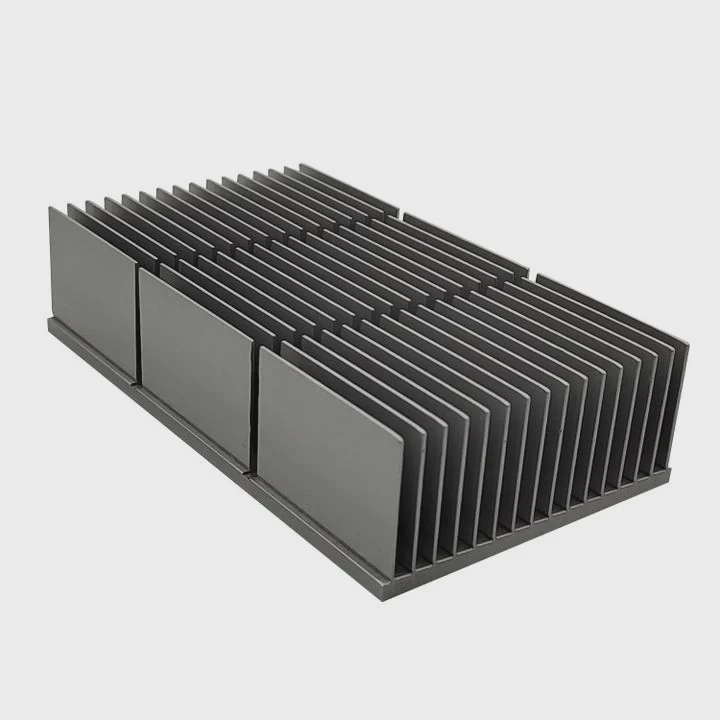
Vapor chambers are sealed thermal components used in high-efficiency cooling systems. But how long can these devices perform effectively? Users in sectors like electronics, aerospace, and renewable energy often ask whether a vapor chamber will last 2 years, 10 years, or more. This article explores the average lifespan, how usage affects durability, the possibility of exceeding a decade of use, and what risks can shorten their service life.
Vapor chambers can last over 10 years in stable environments, but performance depends on heat load, handling, and environmental exposure.
Understanding their real-world longevity helps ensure better system design, cost planning, and reliability.
What is the average lifespan of a Vapor Chamber?
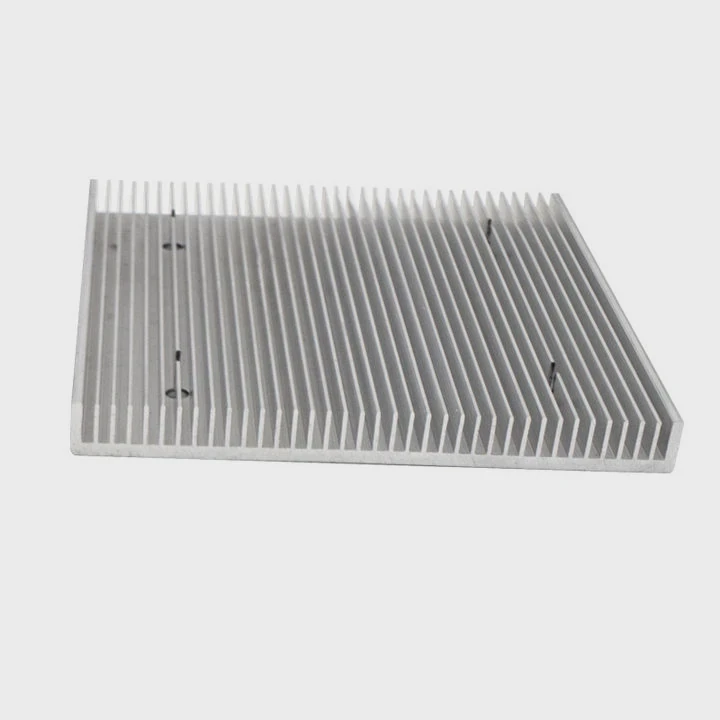
Vapor chambers generally have a service lifespan ranging from 5 to 10 years, depending on usage conditions. In many controlled applications, such as telecom systems or medical devices, they may function effectively for even longer.
They are manufactured as sealed two-phase systems, containing a small amount of working fluid inside a vacuum environment. The structure consists of:
- A metal shell (usually copper or aluminum)
- A sintered or grooved wick
- Internal fluid (often deionized water)
- A hermetic seal
These elements do not wear out quickly under moderate thermal loads. If the chamber remains sealed, and the wick structure is intact, thermal performance remains stable for years.
Lifespan ranges by application:
| Application Area | Expected Lifespan |
|---|---|
| Consumer electronics | 4–8 years |
| Industrial controllers | 7–10 years |
| Telecom servers | 8–12 years |
| Aerospace systems | 10+ years (with QA) |
| Harsh industrial use | 3–6 years |
In most environments without physical stress or thermal overload, the vapor chamber will last as long as the host system.
Does usage affect Vapor Chamber longevity?

Yes. The way a vapor chamber is used directly affects how long it remains effective. Several factors can reduce its lifespan if not properly managed.
Key usage-related factors:
- Heat load intensity: Operating close to maximum heat flux limits can cause internal fluid degradation or dry-out.
- Thermal cycling: Frequent heating and cooling stresses internal wick and sealing areas.
- Shock and vibration: Mechanical impacts or repetitive vibration can cause internal cracking or weld fatigue.
- Improper mounting: Uneven pressure may warp the baseplate or compromise flatness.
- Environmental stress: High humidity or exposure to corrosive substances can lead to seal failure or oxidation.
Effects of poor usage:
| Usage Problem | Potential Result |
|---|---|
| Excess heat | Wick dry-out, internal boiling issues |
| Rapid cycling | Seal degradation, weld fatigue |
| Storage in moisture | Outer corrosion, leak development |
| Rough handling | Mechanical deformation |
Good system design considers these usage scenarios. Systems with controlled power loads and protective mounting strategies will ensure vapor chambers last longer with minimal degradation.
Can Vapor Chamber last over 10 years?
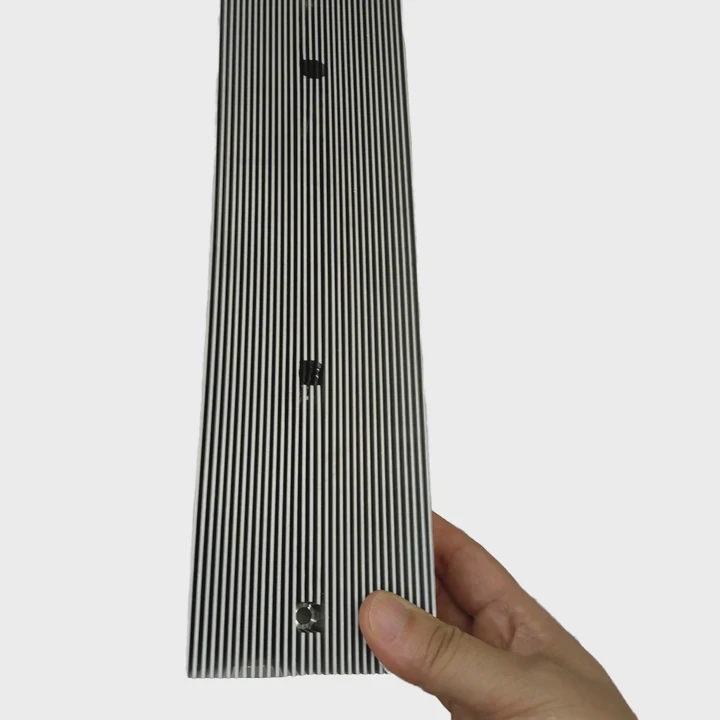
Yes, vapor chambers can last more than 10 years, especially when used in stable and clean environments. Their construction makes them inherently durable when not exposed to excessive external stress or internal degradation.
Factors that support long service life:
- Material quality: High-grade copper or aluminum resists corrosion and mechanical stress.
- Precision sealing: Robust welds prevent leakage over time.
- Stable thermal profile: Constant load without sharp spikes avoids fluid loss or boiling instability.
- Proper storage and packaging: Reduces exposure to airborne moisture or physical damage.
Many manufacturers test vapor chambers using accelerated aging or thermal cycle tests to simulate long-term operation. In military or aerospace applications, 10-year lifespans are often specified during system qualification.
What supports 10+ year durability:
| Condition | Longevity Effect |
|---|---|
| Constant ambient conditions | Reduces expansion fatigue |
| Protective surface plating | Prevents oxidation and corrosion |
| Proper flat mounting | Maintains surface contact quality |
| Clean internal fluid fill | Avoids gas generation or clogging |
In essence, a vapor chamber that starts in a high-quality state and avoids operational abuse can easily last a decade or more without performance loss.
What factors shorten Vapor Chamber service life?
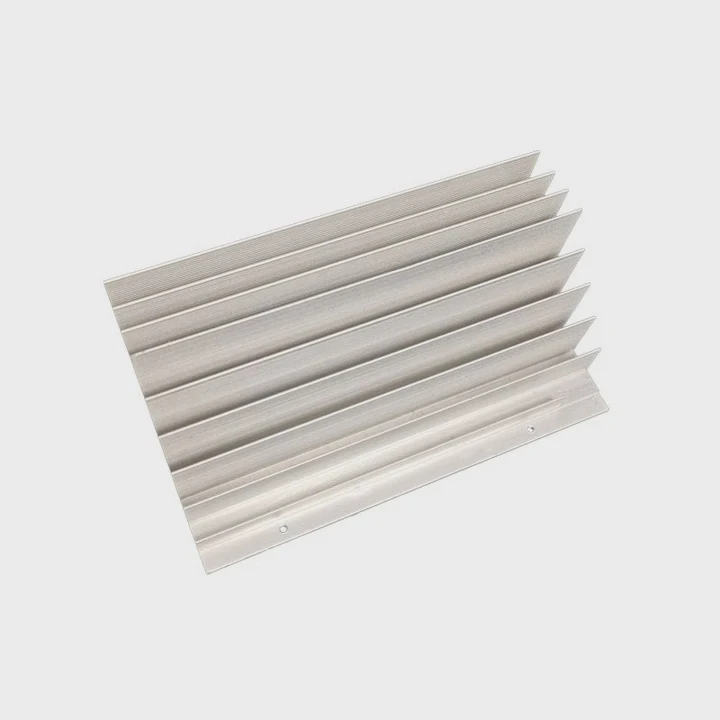
Despite their robust design, vapor chambers can fail prematurely under certain conditions. Recognizing these risk factors helps engineers plan better system layouts and maintenance routines.
Common lifespan-reducing issues:
- Wick structure breakdown: Caused by overpressure, dry-out, or thermal fatigue. Prevents fluid from returning properly.
- Vacuum loss or leakage: Results in poor evaporation-condensation balance. Performance drops significantly.
- Internal contamination: Gases or residues can accumulate over time, disrupting fluid flow or increasing thermal resistance.
- External damage: Dents, cracks, or baseplate deformation can occur due to mishandling during transport or assembly.
- Surface oxidation: Impacts thermal conductivity and may compromise the chamber’s integrity.
Risk factor matrix:
| Factor | Mode of Failure | Preventive Measure |
|---|---|---|
| High humidity storage | Seal degradation, corrosion | Use desiccant packs, vacuum bags |
| Poor mounting flatness | Contact resistance increase | Use torque drivers, check flatness |
| Overpowering thermal load | Fluid instability, dry-out | Validate power density in design |
| Vibration/shock | Internal damage or weld fatigue | Isolate mechanically where possible |
| Repetitive heating cycles | Thermal stress on shell and wick | Use materials rated for long cycles |
Proper handling and design strategy prevent most premature failures. During maintenance, technicians should monitor for subtle signs like thermal hotspots, surface warping, or performance decline.
Conclusion
Vapor chambers are engineered to provide long-term thermal performance. In typical industrial, commercial, and consumer systems, they last 5 to 10 years reliably. Under optimal conditions, they can operate for over a decade without degradation. However, their actual service life depends on several key variables — including usage intensity, environmental conditions, and mechanical handling.
To maximize lifespan:
- Avoid overheating and thermal shock
- Maintain clean, dry storage conditions
- Use correct mounting pressure and surface flatness
- Monitor for performance loss over time
With these practices in place, vapor chambers remain one of the most stable, low-maintenance solutions for high-performance thermal control.
TAGS
Latest Articles
Volume discount levels for heat sink orders?
Buyers often ask when heat sink prices start to drop with volume. Many worry they’re overpaying for small orders. This guide explains how B2B volume pricing works for thermal components. Heat sink
21 Dec,2025
Heat sink long-term supply contract options?
Many buyers want stable pricing and reliable delivery for heat sinks. But without a clear contract, risks grow over time. This article explores how to secure better long-term supply deals. Long-term
21 Dec,2025
Tooling cost for new heat sink profiles?
Many engineers struggle to understand why tooling for custom heat sinks costs so much. They worry about budgeting and production timelines. This article breaks down the cost drivers behind tooling.
21 Dec,2025
Heat sink custom sample process steps?
Sometimes, starting a custom heat sink project feels overwhelming—too many steps, too many unknowns, and too many risks. You want a sample, but not endless delays. The process for requesting and
20 Dec,2025
Standard B2B terms for heat sink payments?
When buyers and sellers in B2B heat sink markets talk about payment, many don’t fully understand what’s standard. This can lead to delayed orders, miscommunication, and even lost business
20 Dec,2025
Heat sink pricing factors for large orders?
Heat sinks are vital for many systems. When prices rise, projects stall and budgets break. This problem can hit teams hard without warning. Large order heat sink pricing depends on many factors. You
20 Dec,2025Related Articles
- Maintenance tools for Vapor Chamber systems
- Can Vapor Chamber be disassembled?
- Installation tools needed for Vapor Chamber
- Standard moisture protection for Vapor Chamber
- How to inspect delivered Vapor Chamber batch?
- Vapor Chamber DDP shipping availability
- Warranty claim process for Vapor Chamber
- Typical after sales support for Vapor Chamber
- Common Vapor Chamber replacement parts?
- How to extend Vapor Chamber service life?
- Manual servicing for Vapor Chamber models
- Vapor Chamber annual inspection guidelines?
Author
Dr. Emily Chen
Chief AI Researcher
Leading expert in thermal dynamics and AI optimization with over 15 years of experience in data center efficiency research.
Categories
Latest Products






Recommend Categories
- Liquid cooling plate Manufacturer
- Industrial Heat Sink Manufacturer
- Standard Heat Sink Manufacturer
- Aluminum Heat Sink Manufacturer
- Copper Heat Sink Manufacturer
- Anodized Heatsink Manufacturer
- Stamping heat sink Manufacturer
- Die Casting Heatsink Manufacturer
- Soldering heat sink Manufacturer
- CNC Parts Manufacturer
Latest Products
- Wholesale Aluminum Radiator
- Water Cooling Plate Kit
- Water Cooling Heat Sink
- Water Cooling Heat Sink Kit
- Stainless Steel Water Distributor
- Server Water Cooling Plate Kit
- Server Liquid Cooling System
- Server Aluminum Cooling Kit
- S19 Full Cover Cooling Plate
- S19 Cooling Plate Kit
- S19 Aluminum Cooling Plate
Contact Expert
Have questions about this article? Reach out to our experts directly.