Maintenance tools for Vapor Chamber systems
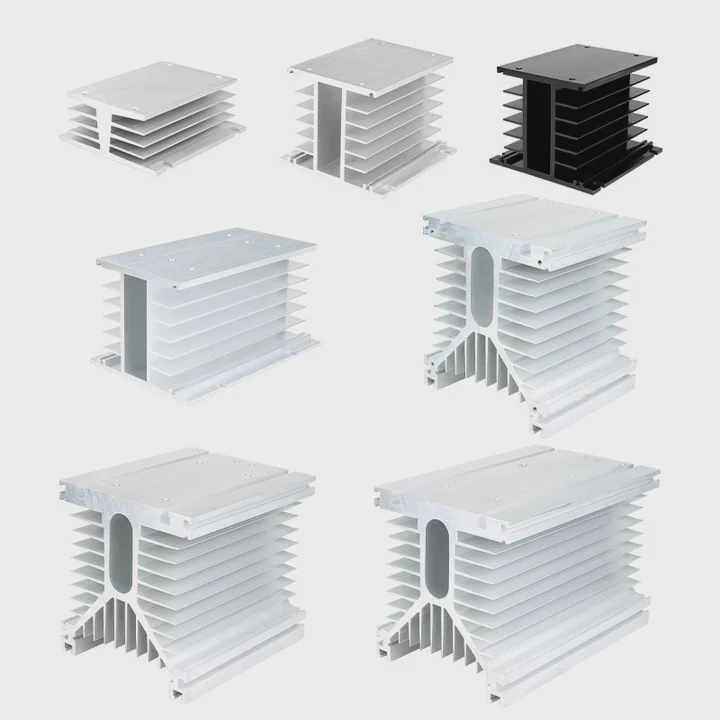
Even though vapor chambers are designed as maintenance-free components, the systems they are part of still require routine checks and care. As performance-critical devices, especially in high-heat environments, maintaining their surrounding conditions and interfaces ensures long-term efficiency. To do this properly, certain tools are necessary.
Vapor chamber systems rely on thermal contact, surface integrity, and seal containment — and maintaining these elements requires specific tools like thermal probes, cleaning kits, and diagnostic gauges.
Below, we’ll look at what tools are used during maintenance, how to detect problems early, and how preventive care can extend service life.
What tools are used for maintaining Vapor Chamber systems?
Maintenance of vapor chamber systems focuses on verifying thermal performance, inspecting mechanical interfaces, checking for leaks, and keeping the contact surfaces clean. Although the vapor chamber itself is sealed and non-serviceable, the system it integrates into can benefit from several key maintenance tools.
Commonly used tools:
- Thermal sensors or probes – to monitor temperature differences and track performance trends.
- Torque drivers – to ensure even mounting pressure during reinstallation.
- Surface flatness gauges – to inspect mounting deformation or warping.
- Vacuum or pressure testers – to check for leaks or loss of internal pressure.
- Cleaning tools – lint-free cloths, soft brushes, alcohol wipes, compressed air.
These tools help identify problems like thermal inefficiency, contamination on contact surfaces, uneven pressure, or mechanical stress.
Tool categories and their use
| Tool Category | Usage Purpose |
|---|---|
| Thermal diagnostics | Temperature stability and hotspot detection |
| Mechanical inspection | Flatness, torque check, bracket stability |
| Leak detection | Confirm vapor chamber is still hermetically sealed |
| Surface cleaning | Prevent interface contamination and contact loss |
Having these tools available ensures the vapor chamber performs as intended throughout its lifecycle.
Are leak testers required during maintenance?
In most industrial or critical applications, leak testing is a key part of preventive maintenance. Vapor chambers function based on a closed-loop evaporation-condensation cycle within a sealed cavity. Any leak compromises this balance.
When leak testing is necessary:
- After physical impact or transport vibration
- During scheduled performance inspections
- When unexplained thermal inefficiencies occur
- If stored in extreme humidity or temperature variation
Types of leak detection:
- Pressure decay testers – check for pressure drop over time.
- Vacuum integrity testers – assess internal vacuum levels.
- Bubble testing – used in field service by applying soap solution.
- Tracer gas detectors – for ultra-sensitive applications, helium detection is used.
While not every maintenance team has access to advanced gas detectors, even basic pressure test rigs can detect performance-compromising leaks.
Leak detection tools comparison
| Method | Sensitivity | Equipment Required | Typical Use Case |
|---|---|---|---|
| Pressure decay | Medium | Manual tester | Basic lab or field checks |
| Vacuum chamber test | High | Vacuum rig + gauge | Production or R&D environments |
| Soap bubble test | Low | Air pump + soap solution | Field service and transport check |
| Helium tracer | Very High | Helium + sniffer detector | High-end aerospace/electronics |
If any leak is detected, replacement is the safest option, since resealing vapor chambers is not feasible without full factory tooling.
Do thermal probes help detect issues?
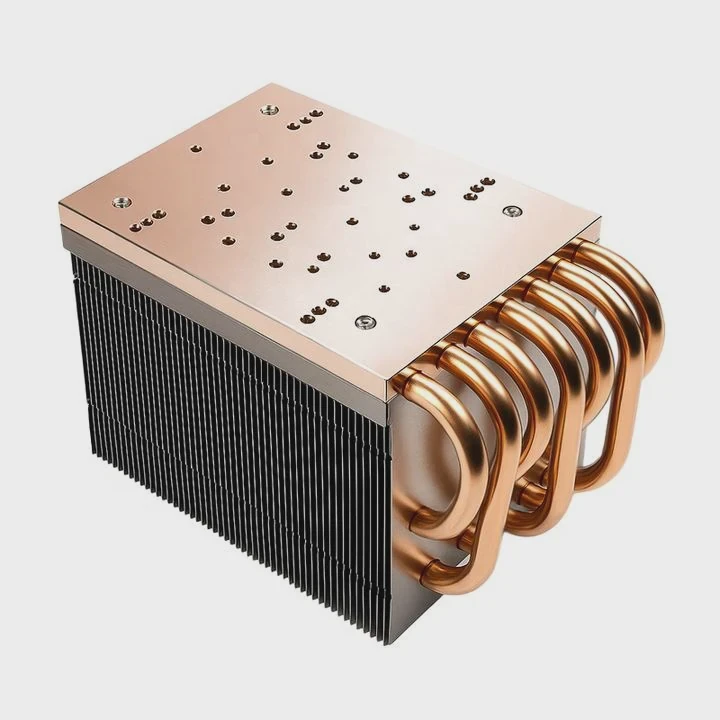
Yes. Thermal probes and sensors are some of the most valuable tools during vapor chamber system maintenance. They can reveal subtle changes in heat transfer efficiency and identify failing contact surfaces or blocked heat paths.
How thermal probes assist:
- Monitor heat spread efficiency – detect if certain regions are not spreading heat as evenly.
- Compare input vs. output temperatures – reveal thermal resistance increase over time.
- Validate system under load – test real-world thermal behavior with active heat sources.
In large-scale or high-reliability systems, probes are used to map temperature gradients across heat sinks, vapor chamber plates, and adjacent components.
Tools often used:
- K-type thermocouples
- Digital thermal sensors (DS18B20 or similar)
- Handheld IR temperature readers
- Thermal imaging cameras (for advanced analysis)
Warning signs detected by thermal tools:
- Abnormal rise in baseplate temperature
- Irregular heat spread across mounting surfaces
- Increasing delta-T between input and output zones
By identifying such patterns early, system designers or operators can intervene before damage or shutdown occurs.
Can cleaning tools extend Vapor Chamber lifespan?
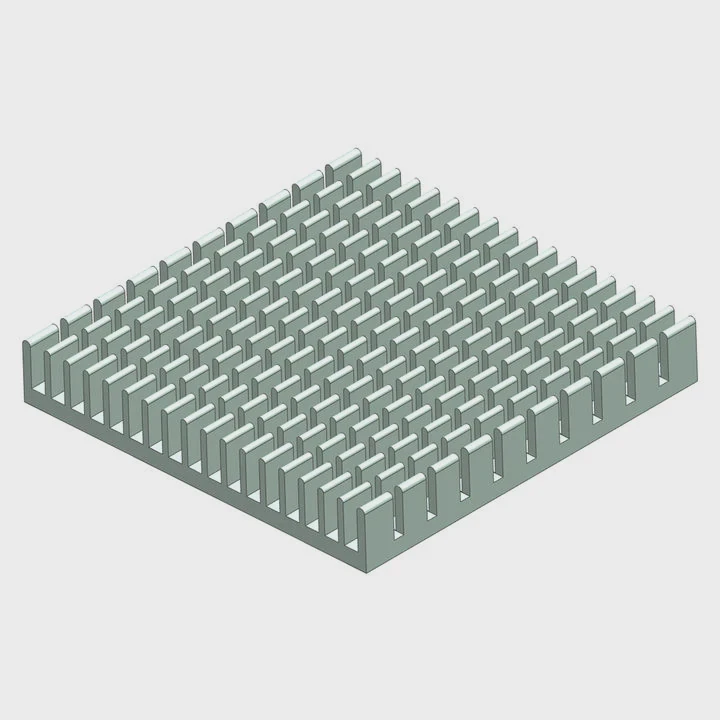
Yes, to a degree. While the sealed interior of the vapor chamber itself cannot be accessed or cleaned, its performance heavily depends on the cleanliness of its contact surfaces and surrounding components. Proper cleaning tools help maintain this interface.
Benefits of cleaning tools:
- Removes oxidation and dust – ensures metal-to-metal contact for better heat flow.
- Prevents corrosion – especially in humid or corrosive environments.
- Avoids surface wear – when handled with non-abrasive tools.
Recommended cleaning equipment:
| Tool | Function |
|---|---|
| Lint-free wipes | Surface wiping without residue |
| Isopropyl alcohol | Dissolves grease, improves conductivity |
| Compressed air | Dust removal without touching surface |
| Soft brushes | Clean debris without scratching metal |
Avoid harsh chemicals or abrasive materials that might degrade aluminum or copper finishes. After cleaning, always re-inspect with flatness gauges and reapply thermal interface material if removed.
Cleaning does not solve:
- Loss of vacuum inside chamber
- Fluid evaporation or wick degradation
- Structural warping or dented surfaces
Thus, cleaning is preventive, not corrective — it delays failure but doesn’t repair damaged units.
Preventive Maintenance Checklist
To keep vapor chamber systems operating reliably, follow this routine:
| Frequency | Task | Tools Required |
|---|---|---|
| Every 3 months | Surface cleaning | Wipes, alcohol, gloves |
| Every 6 months | Thermal check under load | Thermocouples, IR thermometer |
| Annually | Mounting torque check | Torque driver |
| Annually | Leak inspection | Pressure tester or soap test |
| As needed | Dust removal and oxidation cleaning | Compressed air, anti-static brush |
Establishing a basic maintenance record helps track performance trends and preempt problems before full system shutdown occurs.
Conclusion
Although vapor chambers themselves are not user-serviceable, the systems they support can benefit greatly from thoughtful maintenance. Tools like thermal probes, leak testers, torque drivers, and cleaning kits help detect early-stage issues and preserve heat transfer efficiency. By applying these tools as part of a regular maintenance cycle, users can extend system lifespan, reduce risk of thermal failure, and maintain consistent performance even in demanding environments.
TAGS
Latest Articles

Volume discount levels for heat sink orders?
Buyers often ask when heat sink prices start to drop with volume. Many worry they’re overpaying for small orders. This guide explains how B2B volume pricing works for thermal components. Heat sink
21 Dec,2025
Heat sink long-term supply contract options?
Many buyers want stable pricing and reliable delivery for heat sinks. But without a clear contract, risks grow over time. This article explores how to secure better long-term supply deals. Long-term
21 Dec,2025
Tooling cost for new heat sink profiles?
Many engineers struggle to understand why tooling for custom heat sinks costs so much. They worry about budgeting and production timelines. This article breaks down the cost drivers behind tooling.
21 Dec,2025
Heat sink custom sample process steps?
Sometimes, starting a custom heat sink project feels overwhelming—too many steps, too many unknowns, and too many risks. You want a sample, but not endless delays. The process for requesting and
20 Dec,2025
Standard B2B terms for heat sink payments?
When buyers and sellers in B2B heat sink markets talk about payment, many don’t fully understand what’s standard. This can lead to delayed orders, miscommunication, and even lost business
20 Dec,2025
Heat sink pricing factors for large orders?
Heat sinks are vital for many systems. When prices rise, projects stall and budgets break. This problem can hit teams hard without warning. Large order heat sink pricing depends on many factors. You
20 Dec,2025Related Articles
- Can Vapor Chamber be disassembled?
- Installation tools needed for Vapor Chamber
- Standard moisture protection for Vapor Chamber
- How to inspect delivered Vapor Chamber batch?
- Vapor Chamber DDP shipping availability
- Vapor Chamber customs clearance process
- How long does a Vapor Chamber last?
- Warranty claim process for Vapor Chamber
- Typical after sales support for Vapor Chamber
- Common Vapor Chamber replacement parts?
- How to extend Vapor Chamber service life?
- Manual servicing for Vapor Chamber models
Author
Dr. Emily Chen
Chief AI Researcher
Leading expert in thermal dynamics and AI optimization with over 15 years of experience in data center efficiency research.
Categories
Latest Products






Recommend Categories
- Liquid cooling plate Manufacturer
- Industrial Heat Sink Manufacturer
- Standard Heat Sink Manufacturer
- Aluminum Heat Sink Manufacturer
- Copper Heat Sink Manufacturer
- Anodized Heatsink Manufacturer
- Stamping heat sink Manufacturer
- Die Casting Heatsink Manufacturer
- Soldering heat sink Manufacturer
- CNC Parts Manufacturer
Latest Products
- Wholesale Aluminum Radiator
- Water Cooling Plate Kit
- Water Cooling Heat Sink
- Water Cooling Heat Sink Kit
- Stainless Steel Water Distributor
- Server Water Cooling Plate Kit
- Server Liquid Cooling System
- Server Aluminum Cooling Kit
- S19 Full Cover Cooling Plate
- S19 Cooling Plate Kit
- S19 Aluminum Cooling Plate
Contact Expert
Have questions about this article? Reach out to our experts directly.