Surface flatness importance for Vapor Chamber
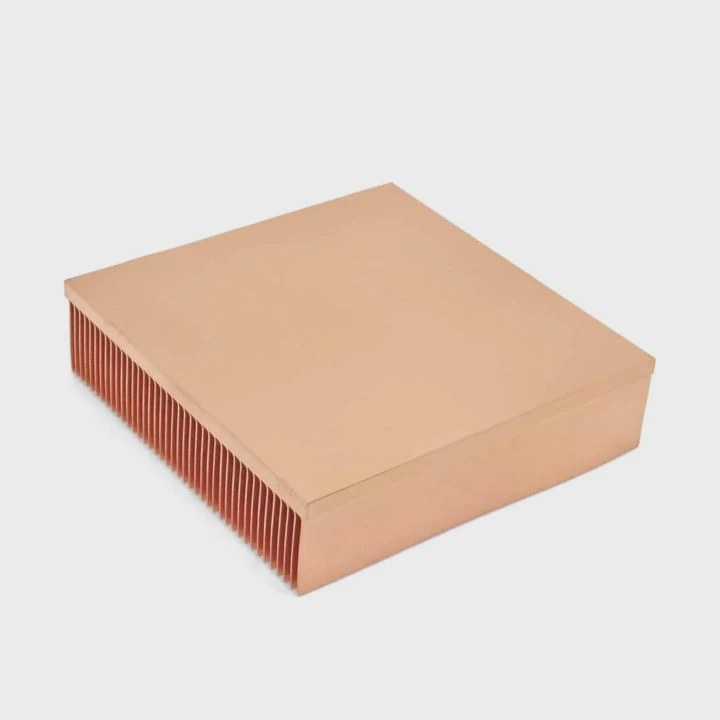
Electronic cooling solutions often hinge on tight surfaces and good contact. If a Vapor Chamber (VC) surface is not flat, heat cannot spread efficiently. Flatness directly affects thermal contact, heat transfer, and overall performance.
Surface flatness is critical for vapor chamber performance because poor flatness increases thermal contact resistance at the interface, reduces effective heat spread, and undermines the chamber’s advantage over solid metal spreaders.
Let’s explore how flatness matters, what tolerances are typical, what happens if flatness is poor, and how manufacturers measure flatness in production.
How critical is surface flatness for Vapor Chamber performance?
Surface flatness is very important for vapor chambers. Vapor chambers rely on direct physical contact between their flat base surface and the heat source (chip, heat‑sink base, or cold plate). Any deviation — warp, bend, bump, or dent — reduces actual contact area. That creates air gaps or uneven pressure, which increases thermal contact resistance.
Without sufficient surface flatness, thermal performance drops due to poor contact and increased resistance at the interface.
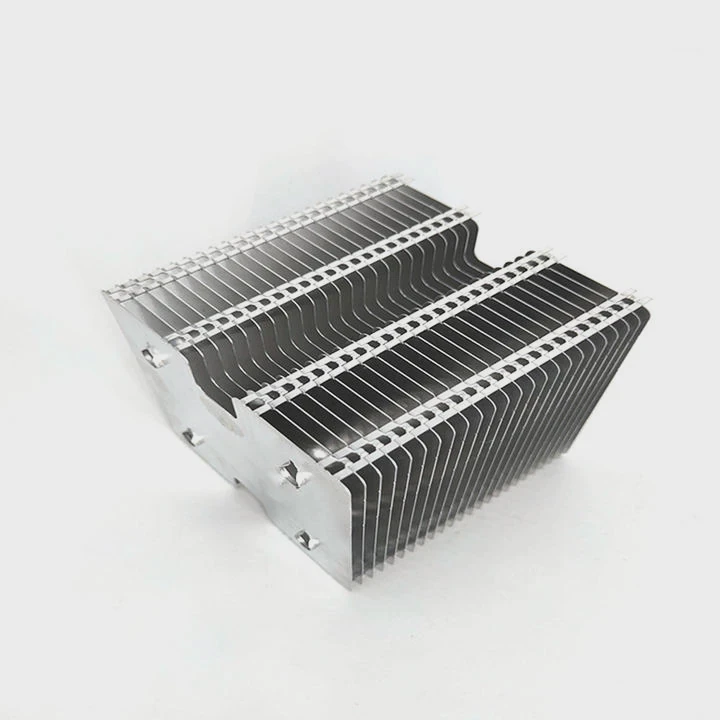
Vapor chambers work by boiling fluid at the hot spot, allowing vapor to spread heat across the internal cavity, and returning liquid via a wick structure. When the base isn’t flat, effective heat transfer is blocked by poor physical contact.
A warped surface might leave only 60% or less contact with the mating surface. That allows temperature gradients to build, reducing efficiency and causing local hotspots. These issues are especially harmful in high‑power systems or in applications with very thin thermal interface materials (TIMs).
Additionally, uneven pressure across the surface can damage delicate electronic components, like dies or substrates. Flatness isn’t just a thermal issue — it also affects mechanical stability.
What flatness tolerances are typical for Vapor Chamber contact surfaces?
Acceptable flatness depends on the chamber size, power density, application type, and interface material. Most vapor chambers need to stay within strict tolerances to ensure optimal contact.
Typical flatness tolerances range from 0.02 mm to 0.1 mm, with tighter control required for high-performance or direct-die contact scenarios.
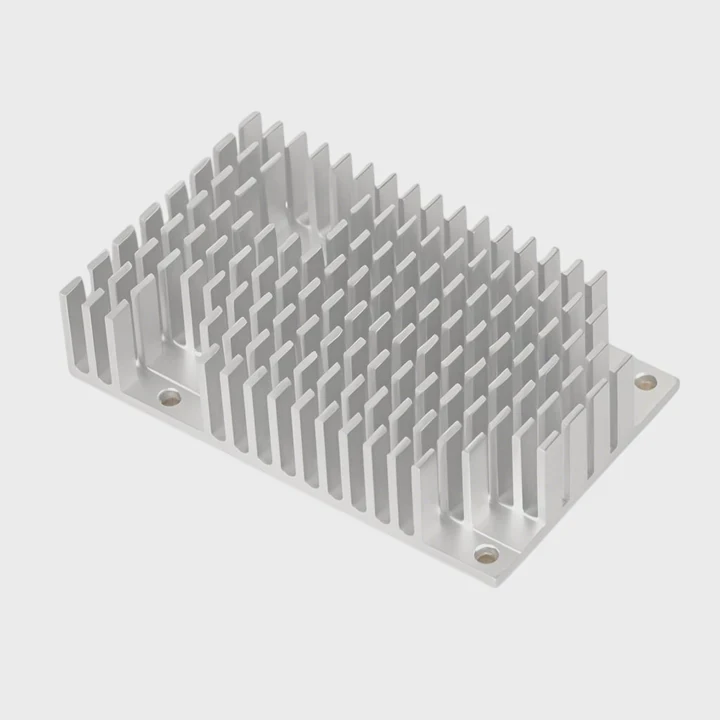
Here’s a general flatness guideline by size and application:
| Chamber Size | General Flatness Tolerance | Precision / High-Power Tolerance |
|---|---|---|
| < 50 mm | ≤ 0.03 mm | ≤ 0.01 mm |
| 50–150 mm | ≤ 0.05 mm | ≤ 0.02–0.03 mm |
| 150–300 mm | ≤ 0.08 mm | ≤ 0.03–0.05 mm |
| > 300 mm | ≤ 0.1 mm | ≤ 0.05 mm |
In most consumer or industrial applications, 0.05 mm flatness suffices when combined with compliant thermal pads. For aerospace, semiconductor, or tightly packed modules, tolerances below 0.02 mm are common.
To meet such tolerances, manufacturers often use secondary processes like surface grinding, CNC machining, or lapping. After welding or forming, flatness must be re-verified.
Does lack of flatness introduce thermal resistance?
Yes. Poor flatness leads directly to increased thermal interface resistance, because heat must cross inconsistent contact zones filled with air or poorly compressed TIM.
Uneven contact from poor flatness creates gaps, which drastically increase thermal resistance and reduce cooling effectiveness.
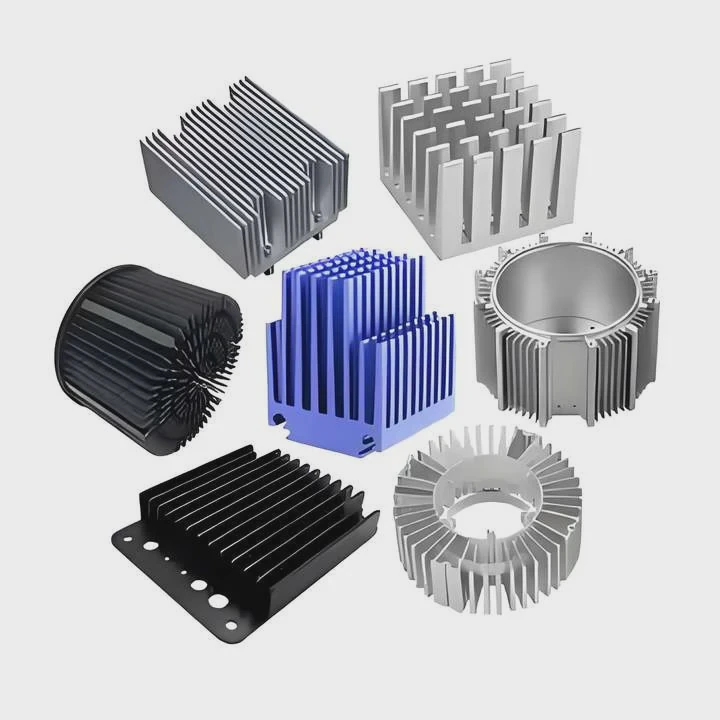
Thermal resistance at the interface is a product of:
- Actual contact area (versus theoretical contact surface)
- TIM thickness and uniformity
- Contact pressure
If a vapor chamber has bumps or dips, the TIM layer becomes uneven. Areas of lower compression result in thicker TIM and worse thermal conductivity. Even with high-performance TIMs, thermal resistance rises sharply when gaps exceed 0.1 mm.
Furthermore, high-performance chips (e.g., CPUs, GPUs, RF amplifiers) rely on consistent, low-resistance heat transfer. Even minor interface imperfections can reduce reliability, cause performance throttling, or shorten component lifespan.
By ensuring flatness, the contact pressure and thermal pathway remain consistent — maximizing the value of the vapor chamber.
How is flatness measured in production of Vapor Chambers?
Flatness measurement is a critical quality control step in vapor chamber manufacturing. It ensures that each unit will deliver the designed thermal performance once installed.
Flatness is measured using surface plates, dial indicators, coordinate measuring machines (CMM), or optical tools like interferometers.
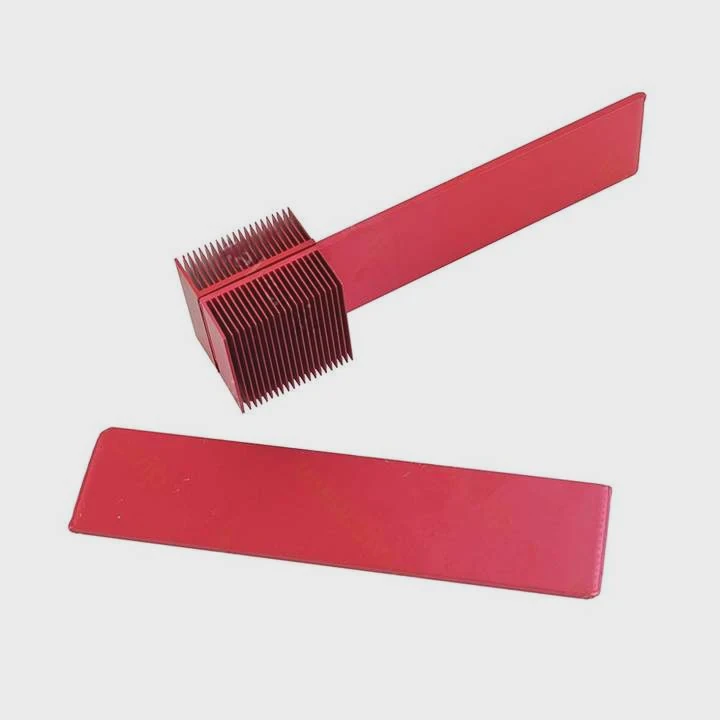
Here are the most common methods:
Surface Plate + Feeler Gauge
- Place the chamber on a precision granite surface plate.
- Use feeler gauges or a straightedge to measure the height gap at multiple points.
- Fast and simple, but limited to ~0.05 mm resolution.
Dial Indicator Measurement
- Mount the chamber on a surface plate.
- Move a dial gauge across the surface on an indicator arm or rig.
- Detects dips and warps down to ~0.01 mm.
Coordinate Measuring Machine (CMM)
- Uses a probe or laser to measure multiple points.
- Produces a 3D flatness map.
- Suitable for complex shapes or tight tolerance checks.
Optical Interferometry
- Uses light wave interference to measure surface contours.
- Ultra-high precision (sub-micron).
- Used for aerospace or direct-die applications.
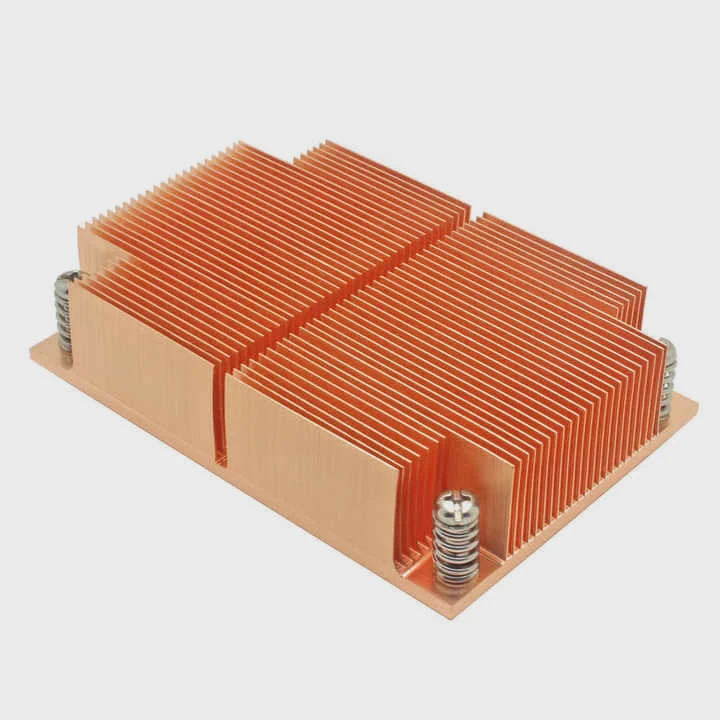
After key steps like forming, welding, and cleaning, manufacturers typically measure flatness. If the chamber fails flatness, it may be corrected via grinding or discarded if rework isn’t viable.
QC teams log flatness data for traceability, batch comparison, and failure analysis. This allows statistical process control (SPC) to catch tool drift or process faults.
Conclusion
Surface flatness is not just a cosmetic or structural detail — it directly impacts the thermal performance of vapor chambers. Poor flatness increases thermal resistance, reduces heat spreading efficiency, and risks hot spots. With proper control of tolerances, and reliable metrology during production, vapor chambers can deliver consistent, high-efficiency performance across demanding cooling systems.
TAGS
Latest Articles

Volume discount levels for heat sink orders?
Buyers often ask when heat sink prices start to drop with volume. Many worry they’re overpaying for small orders. This guide explains how B2B volume pricing works for thermal components. Heat sink
21 Dec,2025
Heat sink long-term supply contract options?
Many buyers want stable pricing and reliable delivery for heat sinks. But without a clear contract, risks grow over time. This article explores how to secure better long-term supply deals. Long-term
21 Dec,2025
Tooling cost for new heat sink profiles?
Many engineers struggle to understand why tooling for custom heat sinks costs so much. They worry about budgeting and production timelines. This article breaks down the cost drivers behind tooling.
21 Dec,2025
Heat sink custom sample process steps?
Sometimes, starting a custom heat sink project feels overwhelming—too many steps, too many unknowns, and too many risks. You want a sample, but not endless delays. The process for requesting and
20 Dec,2025
Standard B2B terms for heat sink payments?
When buyers and sellers in B2B heat sink markets talk about payment, many don’t fully understand what’s standard. This can lead to delayed orders, miscommunication, and even lost business
20 Dec,2025
Heat sink pricing factors for large orders?
Heat sinks are vital for many systems. When prices rise, projects stall and budgets break. This problem can hit teams hard without warning. Large order heat sink pricing depends on many factors. You
20 Dec,2025Related Articles
- Continuous production capability for Vapor Chamber?
- Vapor Chamber real heat transfer limits?
- Can Vapor Chamber sustain impact loads?
- Vapor Chamber usage in industrial transformers?
- Does Vapor Chamber need EMI shielding?
- Can Vapor Chamber be used vertically?
- How to measure Vapor Chamber thermal resistance?
- Vapor Chamber for underwater equipment?
- Does Vapor Chamber support mass customization?
- Vapor Chamber industry upcoming regulations?
- Risk control for Vapor Chamber sourcing
- Vapor Chamber for robotics cooling modules?
Author
Dr. Emily Chen
Chief AI Researcher
Leading expert in thermal dynamics and AI optimization with over 15 years of experience in data center efficiency research.
Categories
Latest Products






Recommend Categories
- Liquid cooling plate Manufacturer
- Industrial Heat Sink Manufacturer
- Standard Heat Sink Manufacturer
- Aluminum Heat Sink Manufacturer
- Copper Heat Sink Manufacturer
- Anodized Heatsink Manufacturer
- Stamping heat sink Manufacturer
- Die Casting Heatsink Manufacturer
- Soldering heat sink Manufacturer
- CNC Parts Manufacturer
Latest Products
- Wholesale Aluminum Radiator
- Water Cooling Plate Kit
- Water Cooling Heat Sink
- Water Cooling Heat Sink Kit
- Stainless Steel Water Distributor
- Server Water Cooling Plate Kit
- Server Liquid Cooling System
- Server Aluminum Cooling Kit
- S19 Full Cover Cooling Plate
- S19 Cooling Plate Kit
- S19 Aluminum Cooling Plate
Contact Expert
Have questions about this article? Reach out to our experts directly.