Continuous production capability for Vapor Chamber?
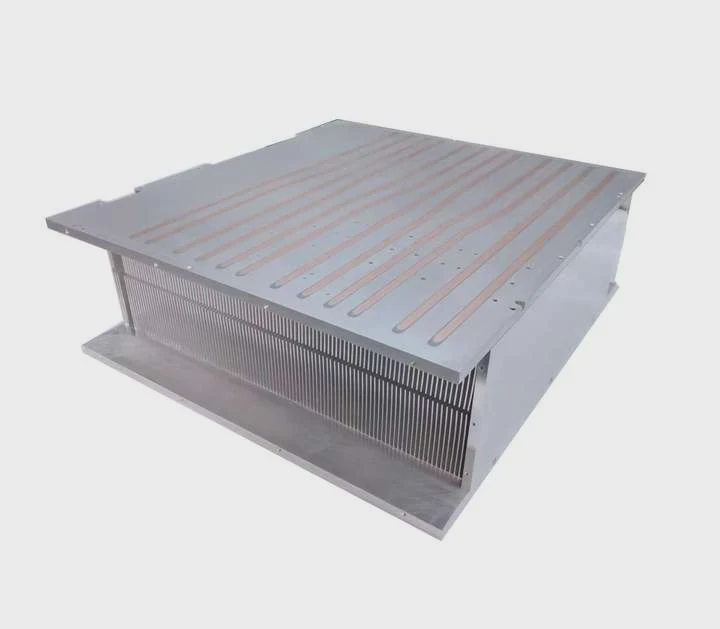
When vapor chamber demand increases, one weak link in the process can break the whole supply chain.
Yes — with the right processes, automation, and quality controls, vapor chamber manufacturing can scale into stable, continuous production.
This article outlines how to scale manufacturing, what technologies support high-volume output, and how to manage quality and process bottlenecks.
How can manufacturing of Vapor Chambers be scaled for continuous production?
Scaling from prototype to mass production is not just about more units — it’s about stable systems.
To scale vapor chamber production, standardize designs, automate steps, stabilize the supply chain, and implement batch-level process control.
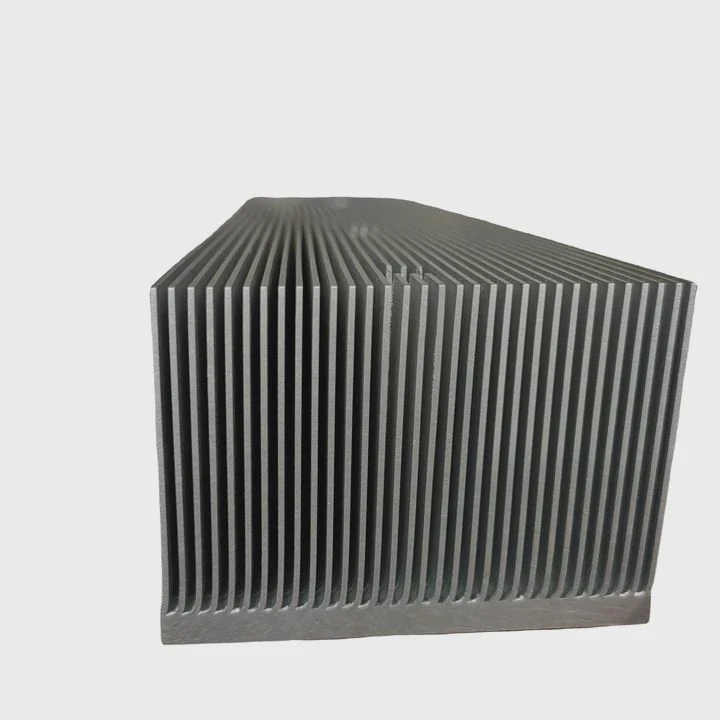
Manufacturers begin by breaking production into fixed steps: plate forming, wick placement, vacuum sealing, liquid fill, welding, leak testing, and packing.
Each step is tied to equipment that allows repeatable output. Automation and tracking tools help trace every batch. A factory must also maintain material supply — copper sheets, wick materials, and fluids — with zero interruptions.
Key Scaling Steps
| Step | Purpose |
|---|---|
| Standardized drawings | Easier setup and faster process adaptation |
| Batch process mapping | Breaks work into measurable, repeatable chunks |
| Automated sealing/fill lines | Reduce manual variation and increase reliability |
| Supplier scheduling | Avoids delays in core inputs like copper or fluids |
| Batch-level traceability | Tracks each unit’s path for quality audits |
Factories often expand capacity with duplicate production cells rather than one long line. This modular approach keeps the process agile and scalable.
Which production technologies support high-volume Vapor Chamber manufacturing?
Not all fabrication methods suit high-throughput output.
High-volume vapor chamber production uses stamped shell forming, vacuum brazing, sintered wick inserts, and automated leak testing.
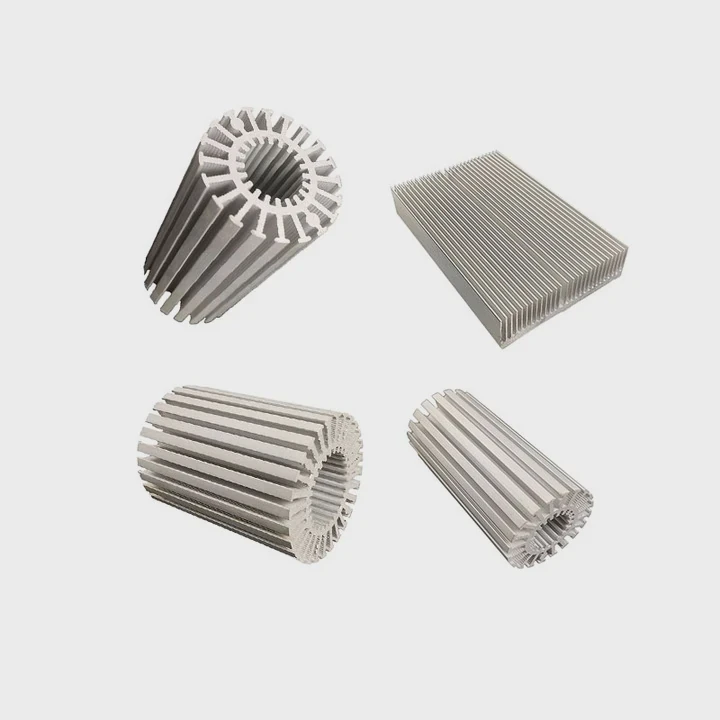
Mass production requires machines and methods designed for repeatability and speed. Here are the most commonly used:
| Technology | Function |
|---|---|
| Stamped copper plates | Creates top and bottom shells efficiently |
| Vacuum brazing | Bonds chamber under low-pressure to seal structure |
| Powder sintered wick | Ensures uniform internal capillary action |
| CNC or laser welding | Accurate seams for small tolerances |
| Automated leak testers | Checks vacuum integrity batch-by-batch |
| Controlled fluid fill | Adds liquid in cleanroom-grade conditions |
Some new designs explore wick-free options or use additive manufacturing. But stamped-and-sealed chambers remain the standard for scale.
Are there bottlenecks in continuous Vapor Chamber production?
Even top factories face slowdowns at key steps.
Yes — vacuum integrity, sealing repeatability, wick quality, and final inspection are typical bottlenecks.
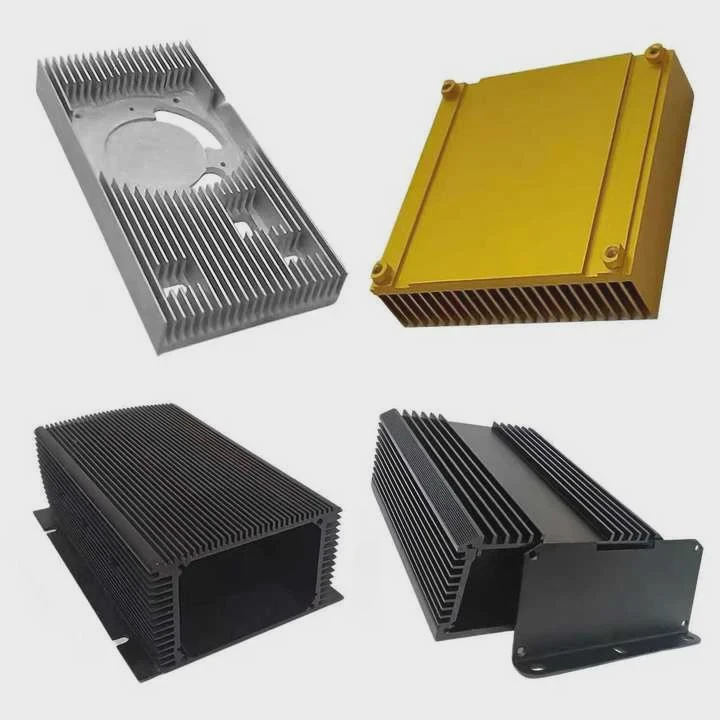
The most sensitive steps are also the hardest to automate. If not managed properly, they reduce yield and delay batches.
Common Bottlenecks
- Vacuum sealing: Requires perfect coordination of pressure, fill, and closure steps
- Wick insertion or coating: Any deviation affects thermal consistency
- Final flatness/warpage control: If the chamber warps after sealing, it fails to contact heat sources properly
- Leak testing: Many processes are manual or time-consuming, even with helium detection
- QC rejection rates: One flaw in early steps may be discovered only during final checks
Overcoming these requires automated monitoring, clear rejection rules, and predictive maintenance on key tools.
What quality controls must be maintained during continuous production of Vapor Chambers?
More units mean more opportunities for defects.
During continuous production, manufacturers must control materials, assembly steps, sealing, and final thermal tests for each batch.
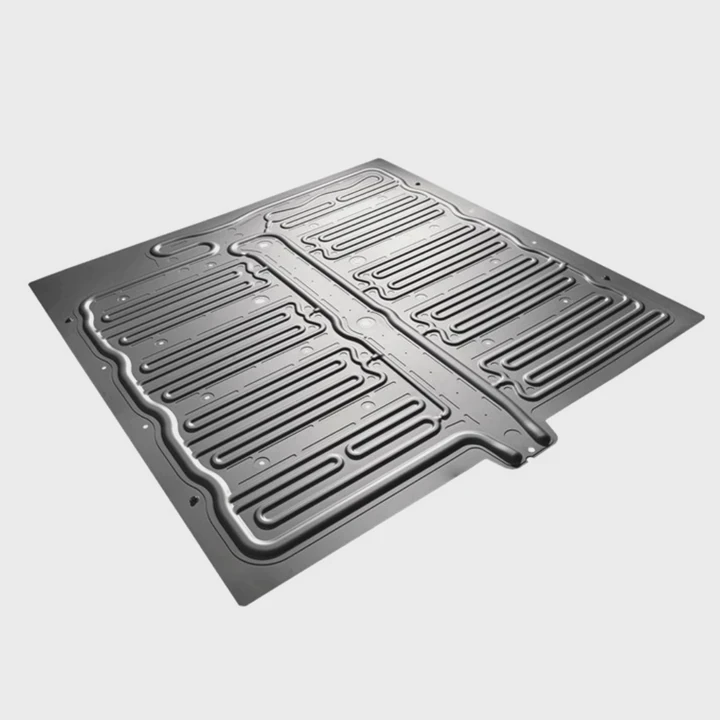
A good QA system ties each unit to data — dimensions, leak test logs, vacuum stats, and thermal performance.
| Quality Check | Tool or Method |
|---|---|
| Copper plate quality | Thickness and surface test |
| Wick performance | Porosity and density control |
| Seal integrity | Leak detection: helium or vacuum hold |
| Fluid fill | Weight + fill volume match |
| Geometry | CMM or laser flatness scanning |
| Heat test | IR scan or thermal delta test |
Records are stored by serial or batch number for traceability. Trend analysis also flags early drift before mass failure occurs.
Factories may also use SPC (statistical process control) dashboards to monitor in-line variation and trigger alarms.
Conclusion
Vapor chamber production can scale when the process is standardized, automated, and monitored end-to-end. With the right tools and quality controls, manufacturers can meet growing demand — reliably and continuously.
TAGS
Latest Articles

Volume discount levels for heat sink orders?
Buyers often ask when heat sink prices start to drop with volume. Many worry they’re overpaying for small orders. This guide explains how B2B volume pricing works for thermal components. Heat sink
21 Dec,2025
Heat sink long-term supply contract options?
Many buyers want stable pricing and reliable delivery for heat sinks. But without a clear contract, risks grow over time. This article explores how to secure better long-term supply deals. Long-term
21 Dec,2025
Tooling cost for new heat sink profiles?
Many engineers struggle to understand why tooling for custom heat sinks costs so much. They worry about budgeting and production timelines. This article breaks down the cost drivers behind tooling.
21 Dec,2025
Heat sink custom sample process steps?
Sometimes, starting a custom heat sink project feels overwhelming—too many steps, too many unknowns, and too many risks. You want a sample, but not endless delays. The process for requesting and
20 Dec,2025
Standard B2B terms for heat sink payments?
When buyers and sellers in B2B heat sink markets talk about payment, many don’t fully understand what’s standard. This can lead to delayed orders, miscommunication, and even lost business
20 Dec,2025
Heat sink pricing factors for large orders?
Heat sinks are vital for many systems. When prices rise, projects stall and budgets break. This problem can hit teams hard without warning. Large order heat sink pricing depends on many factors. You
20 Dec,2025Related Articles
- Vapor Chamber real heat transfer limits?
- Can Vapor Chamber sustain impact loads?
- Vapor Chamber usage in industrial transformers?
- Does Vapor Chamber need EMI shielding?
- Can Vapor Chamber be used vertically?
- How to detect Vapor Chamber micro leaks?
- Surface flatness importance for Vapor Chamber
- How to measure Vapor Chamber thermal resistance?
- Vapor Chamber for underwater equipment?
- Does Vapor Chamber support mass customization?
- Vapor Chamber industry upcoming regulations?
- Risk control for Vapor Chamber sourcing
Author
Dr. Emily Chen
Chief AI Researcher
Leading expert in thermal dynamics and AI optimization with over 15 years of experience in data center efficiency research.
Categories
Latest Products






Recommend Categories
- Liquid cooling plate Manufacturer
- Industrial Heat Sink Manufacturer
- Standard Heat Sink Manufacturer
- Aluminum Heat Sink Manufacturer
- Copper Heat Sink Manufacturer
- Anodized Heatsink Manufacturer
- Stamping heat sink Manufacturer
- Die Casting Heatsink Manufacturer
- Soldering heat sink Manufacturer
- CNC Parts Manufacturer
Latest Products
- Wholesale Aluminum Radiator
- Water Cooling Plate Kit
- Water Cooling Heat Sink
- Water Cooling Heat Sink Kit
- Stainless Steel Water Distributor
- Server Water Cooling Plate Kit
- Server Liquid Cooling System
- Server Aluminum Cooling Kit
- S19 Full Cover Cooling Plate
- S19 Cooling Plate Kit
- S19 Aluminum Cooling Plate
Contact Expert
Have questions about this article? Reach out to our experts directly.