how to remove pentium 3 heatsink?
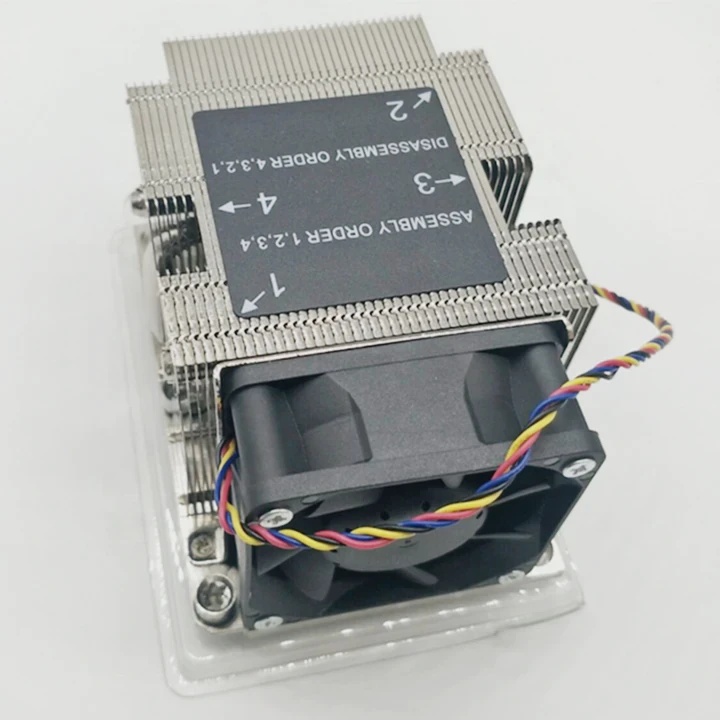
I often see people struggle with old Pentium 3 systems because the heatsinks feel locked in place. I know this pain because I faced it many times when I repaired legacy machines.
You can remove a Pentium 3 heatsink by releasing the latch, softening the old paste, and lifting it with steady pressure. Many units stick due to age, so gentle steps avoid board damage.
I want to show how I deal with these old parts in a simple way. This also helps beginners feel calm when they face old hardware.
Why were older CPU heatsinks tightly latched?
Old heatsinks on Pentium 3 boards often scare users. They look stuck, and the latch feels too strong. Many people fear they will break something. I had the same fear when I handled my first Slot 1 Cooler many years ago.
Older heatsinks used tight latches to keep stable pressure on the CPU because early CPUs lacked strong mounting systems. The clips had to hold the block firm to keep heat transfer steady.
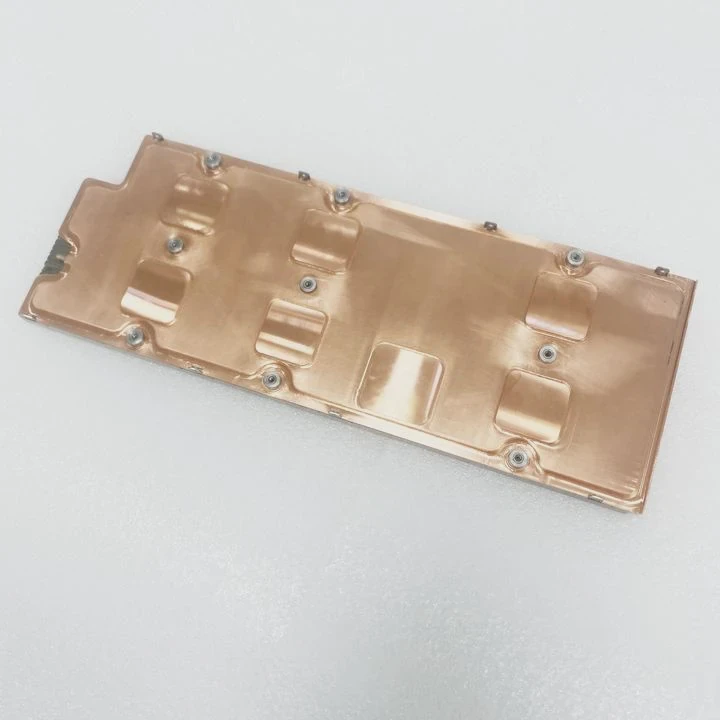
I know this because I handled many legacy machines in my early repair days. I often found that the latch design came from a simple idea. Engineers wanted the heatsink to stay flat on the chip. They did not want it to move when the system ran hot or vibrated.
How the latch worked
The latch used a metal clip that hooked into small notches on the socket. It used tension from a bent metal spring. This force pressed the heatsink down. It worked well for cooling, but it made removal hard. The clip was small and narrow. Many of them sat very close to capacitors.
Why it felt too strong
Designers added extra tension because thermal paste was not always very good in early systems. They wanted the heatsink to make full contact. So they stretched the clip more. This made some units hard to remove when they got old.
Common user mistakes
People often tried to pull the block straight up with force. This pushed the socket sideways. Some cracked the plastic tabs. Some bent the board. I also made these mistakes when I was young.
Here is a simple table showing why the latch was tight:
| Reason | Effect |
|---|---|
| Weak socket support | Added more clip tension |
| Early paste needed pressure | Stronger latch force |
| Vibration concerns | Rigid locking design |
| Simple clip structure | Hard to grip and release |
What this means today
Old builds age. The paste dries. The metal corrodes. The latch holds even harder. So we need slow steps and simple tools. I learned that patience helps more than strength. You treat it like a fragile item from another time. This keeps the board safe.
What tools help safe heatsink removal?
I still remember the first time I tried to remove a Socket 370 cooler without the right tool. My screwdriver slipped and hit a capacitor. That capacitor never woke again. This taught me to keep a small kit for old heatsinks.
Small flat screwdrivers, plastic spudgers, isopropyl alcohol, and a steady grip help remove old heatsinks safely. The goal is to release the latch gently without pushing into the board.
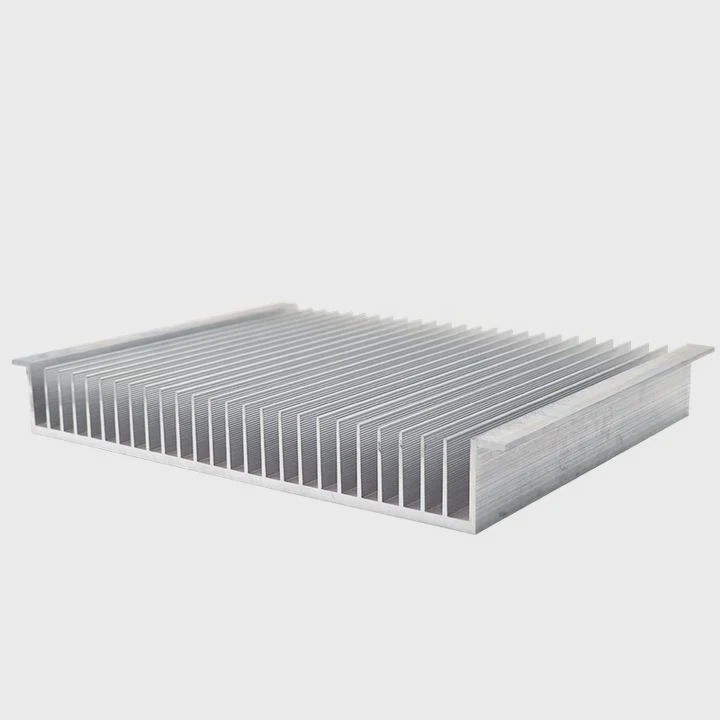
Tools do not need to be fancy. They just need to be simple and easy to control.
Basic tool list
I often carry a small set when I handle old systems:
| Tool | Purpose |
|---|---|
| Small flat screwdriver | Press latch, lift clip |
| Plastic spudger | Support the edge gently |
| Isopropyl alcohol | Loosen old paste |
| Small brush | Remove dust before lifting |
| Flashlight | See clips clearly |
How each tool helps
A small flat screwdriver gives me control. I put the tip under the clip hook and twist a little. I do this slowly. I never rush because old plastic cracks when pushed too fast.
A plastic spudger helps when I need to lift the corner by a few millimeters. It does not scratch metal. It does not cut into the board. I slide it in with small moves.
Isopropyl alcohol helps soften the paste. It flows into small gaps. It cuts the bond. I use it when the block refuses to move after the clip is open.
How to handle risk
I keep my hands steady. I rest my wrist on the table. This stops sudden jumps. I never point the screwdriver toward the board. I point it away. Many people forget this. That is why they slip.
I also take small breaks. When a clip does not move, I stop for a moment. I breathe and check again. This keeps my mind clear. It keeps the board safe.
Can dried paste fuse legacy heatsinks?
Many old machines feel like the heatsink has welded itself to the chip. I felt this many times. The block would not move even when the clip was already open.
Yes. Dried thermal paste can act like glue on Pentium 3 systems. Old compounds harden and bond the metal surface to the CPU, so the heatsink may feel fused.
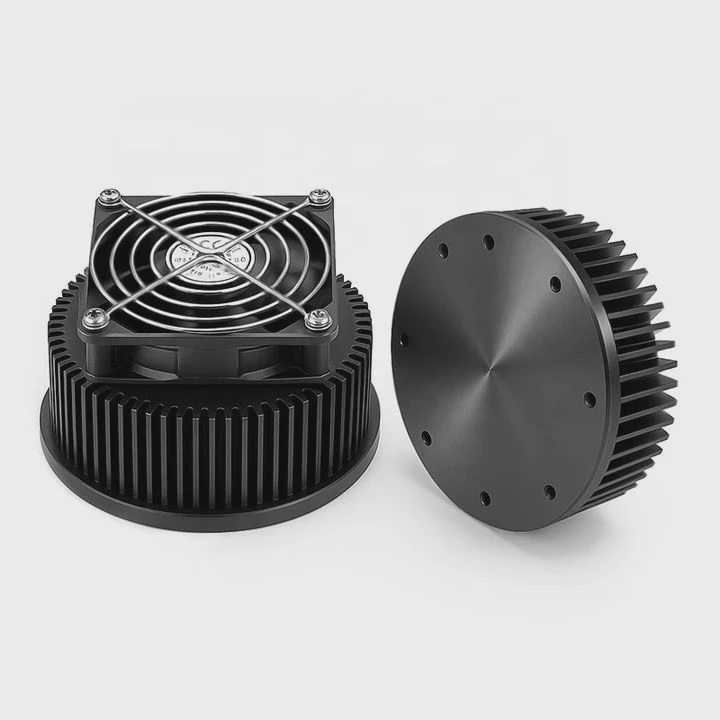
I saw this often on systems that ran hot for years. Some offices kept those units on for long hours. The heat baked the paste. Over time, the paste lost all softness. It turned into a dry layer. That layer stuck the surfaces together.
Why the paste dries
Heat cycles cause water and oil inside the paste to evaporate. Old compounds from that era had simple formulas. They did not hold up well over many years. When they dry, they form a crust.
How the bond forms
The crust fills the small gaps between the metal plate and the CPU surface. It becomes stiff. When the block cools, the crust shrinks. This makes the bond tighter. If the unit was built with a strong latch, the pressure made the paste spread thinner and harder.
Why this is risky
People often twist the block too hard. This can rip the chip from the socket. It can bend the pins. It can crack the core. I saw a few beginners break their CPUs this way. The chip was fine until they forced it.
Safe ways to handle dried paste
I use a few simple steps:
- I remove the latch first.
- I add a few drops of isopropyl alcohol around the edge.
- I wait for a few minutes.
- I wiggle the block side to side. I do this with tiny moves.
- When the bond loosens, the block lifts without force.
Here is a small H3 header to explain how to check dryness:
How to tell if paste is dry
I try to move the block a little. If it does not move at all, I check the edge with a flashlight. If the paste looks white or crumbly, it is dry. If it looks brown, it has hardened. In both cases, alcohol helps.
I also touch the block after warming the system for a few minutes. A warm heatsink often releases more easily because the crust softens a bit.
This patience makes the whole job simple. It protects the old hardware.
Is preheating useful for loosening heatsinks?
I learned this trick many years ago when I fixed old server boards. The heatsink felt locked in place. A friend of mine said, “Warm it a little.” It worked so well that I use it often now.
Yes. Mild preheating helps loosen old heatsinks because warmth softens aged thermal paste. It allows the block to shift with small movements instead of hard pulling.
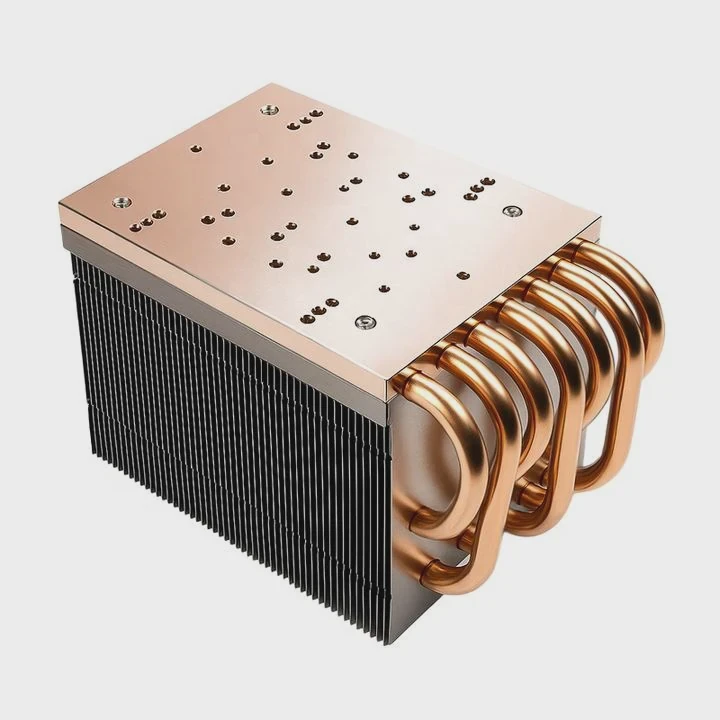
Preheating sounds complex, but it is simple. I do not use strong heat. I never use a heat gun. I do not want to heat the board too much. I only use small steps.
Mild warming technique
I run the system for a few minutes. The CPU warms itself. The block becomes a little hot. This softens the crust. Then I turn the system off. I unplug the power. The block stays warm for a while.
When it is warm, I press the block lightly from side to side. I do this with small moves. If it shifts by even one millimeter, the paste bond starts to break.
Why warmth helps
Heat expands the metal. It softens the dried layer. When the block cools later, the paste cracks a little. These tiny cracks weaken the bond. Then alcohol flows inside more easily.
When warmth is risky
If the board has old capacitors that leak or bulge, heat is not good. I check the board first. If it looks weak, I skip heating. I only use alcohol and slow moves.
If the heatsink has plastic pins that are brittle, heat might make them crack. So I check the pin color. If the plastic looks white or faded, I avoid heat. I use other methods.
My step-by-step warm removal method
I follow a simple plan:
- Power on the system for 3–5 minutes.
- Power it down and unplug.
- Press the block lightly to test movement.
- Add a little alcohol at the edges.
- Wiggle with tiny moves.
- Lift slowly.
Why this method works
This method uses natural heat from the CPU. It avoids strong external sources. It reduces risk. It makes the job smooth. It saved many old boards for me.
Conclusion
Old Pentium 3 heatsinks often feel stuck, but slow steps and simple tools make removal safe. Warmth, alcohol, and gentle moves protect the board and keep the CPU intact.
TAGS
Latest Articles

Volume discount levels for heat sink orders?
Buyers often ask when heat sink prices start to drop with volume. Many worry they’re overpaying for small orders. This guide explains how B2B volume pricing works for thermal components. Heat sink
21 Dec,2025
Heat sink long-term supply contract options?
Many buyers want stable pricing and reliable delivery for heat sinks. But without a clear contract, risks grow over time. This article explores how to secure better long-term supply deals. Long-term
21 Dec,2025
Tooling cost for new heat sink profiles?
Many engineers struggle to understand why tooling for custom heat sinks costs so much. They worry about budgeting and production timelines. This article breaks down the cost drivers behind tooling.
21 Dec,2025
Heat sink custom sample process steps?
Sometimes, starting a custom heat sink project feels overwhelming—too many steps, too many unknowns, and too many risks. You want a sample, but not endless delays. The process for requesting and
20 Dec,2025
Standard B2B terms for heat sink payments?
When buyers and sellers in B2B heat sink markets talk about payment, many don’t fully understand what’s standard. This can lead to delayed orders, miscommunication, and even lost business
20 Dec,2025
Heat sink pricing factors for large orders?
Heat sinks are vital for many systems. When prices rise, projects stall and budgets break. This problem can hit teams hard without warning. Large order heat sink pricing depends on many factors. You
20 Dec,2025Related Articles
- How to install Raspberry Pi heatsink?
- how to check heatsink?
- do old microwaves have heatsinks?
- a vertical copper wall divides a chamber contatining saturated vapor?
- are noctua coolers vapor chamber?
- are vapor chamber cpu coolers reliable?
- Are M.2 heatsinks necessary?
- do you need raspberry pi heatsinks?
- How do heatsinks work Elite Dangerous?
- does the wd sn850x need a heatsink?
- how well do heatsink style coolers work?
- how to remove cpu fused to heatsink?
Author
Dr. Emily Chen
Chief AI Researcher
Leading expert in thermal dynamics and AI optimization with over 15 years of experience in data center efficiency research.
Categories
Latest Products






Recommend Categories
- Liquid cooling plate Manufacturer
- Industrial Heat Sink Manufacturer
- Standard Heat Sink Manufacturer
- Aluminum Heat Sink Manufacturer
- Copper Heat Sink Manufacturer
- Anodized Heatsink Manufacturer
- Stamping heat sink Manufacturer
- Die Casting Heatsink Manufacturer
- Soldering heat sink Manufacturer
- CNC Parts Manufacturer
Latest Products
- Wholesale Aluminum Radiator
- Water Cooling Plate Kit
- Water Cooling Heat Sink
- Water Cooling Heat Sink Kit
- Stainless Steel Water Distributor
- Server Water Cooling Plate Kit
- Server Liquid Cooling System
- Server Aluminum Cooling Kit
- S19 Full Cover Cooling Plate
- S19 Cooling Plate Kit
- S19 Aluminum Cooling Plate
Contact Expert
Have questions about this article? Reach out to our experts directly.