Does 5800X3D need liquid cooling?
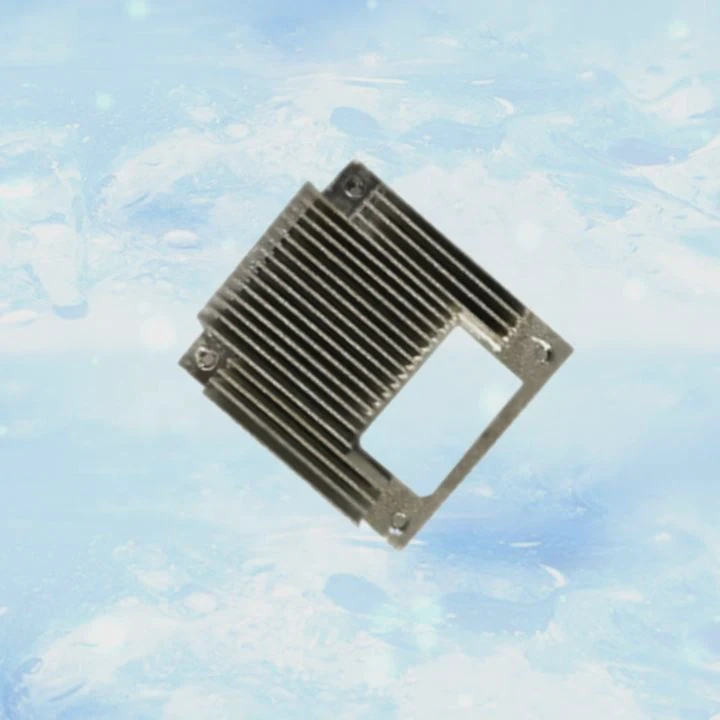
The Ryzen 7 5800X3D is a powerful processor known for its incredible gaming performance and advanced cache design. But with great power comes great heat — and many users wonder if it needs liquid cooling.
The 5800X3D doesn’t require liquid cooling, but it benefits from it, especially for lower noise and sustained peak performance. A good air cooler works fine for normal use, while liquid cooling offers better temperature stability for long gaming or heavy workloads.
Let’s explore how this CPU works, what cooling it needs, and how AMD is shaping the future of thermal design.
What is the Ryzen 7 5800X3D?
AMD’s Ryzen 7 5800X3D is a high-end desktop CPU released as part of the Zen 3 lineup. It introduced 3D V-Cache technology, a major innovation for gaming and performance computing.
The Ryzen 7 5800X3D features 8 cores, 16 threads, and 96MB of L3 cache, making it one of the most efficient gaming CPUs ever made.
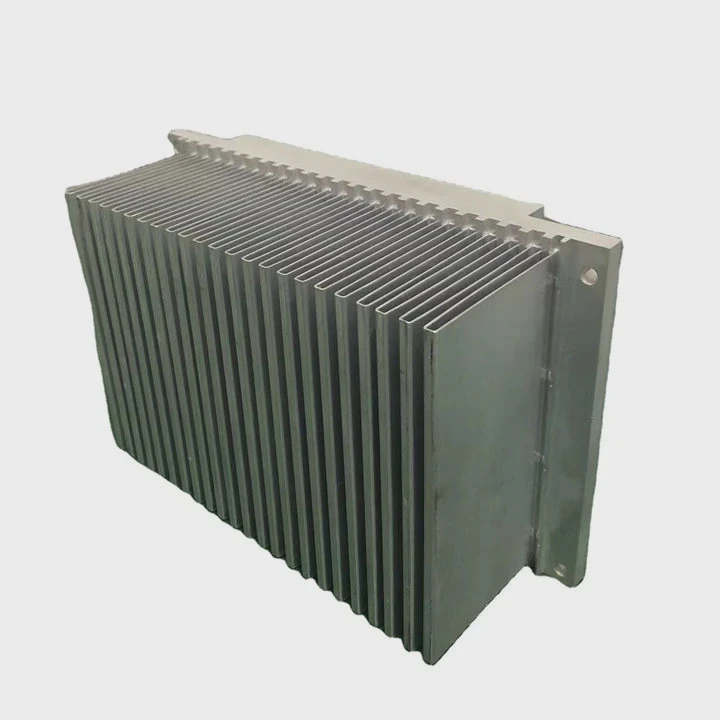
Key specifications
| Feature | Specification |
|---|---|
| Architecture | AMD Zen 3 |
| Cores / Threads | 8 / 16 |
| Base Clock | 3.4 GHz |
| Boost Clock | 4.5 GHz |
| L3 Cache | 96MB (3D V-Cache) |
| TDP | 105W |
| Socket | AM4 |
Why it runs hot
The 5800X3D is built for performance density — packing huge cache and processing power in a small area. That makes it more thermally intense than most CPUs in its class. While its 105W TDP seems modest, real-world gaming or rendering can push it beyond that limit.
Because AMD locked overclocking for the 5800X3D to protect the cache, thermal performance depends more on efficient cooling than manual tuning.
What are the benefits of liquid cooling for it?
If you use the 5800X3D for gaming or productivity, you may notice it runs warm under sustained load. Liquid cooling offers an easy way to manage that heat and maintain smooth performance.
Liquid cooling improves thermal headroom, keeps fan noise low, and helps sustain boost clocks longer during gaming or rendering.
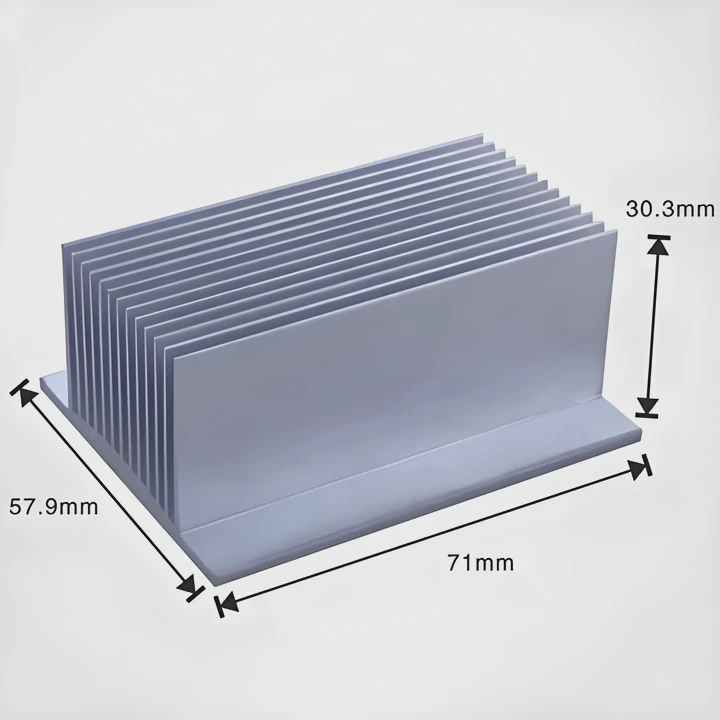
Performance benefits
| Benefit | Description |
|---|---|
| Lower temperatures | Keeps the CPU below 80°C under full load |
| Quieter operation | Fans spin slower than with air coolers |
| Stable boost performance | Maintains higher sustained clock speeds |
| Longer lifespan | Reduces thermal stress on components |
| Aesthetic appeal | Cleaner, modern PC look with RGB options |
Real-world difference
In gaming, the 5800X3D rarely needs extreme cooling — but liquid cooling helps keep it cooler and quieter than air solutions. With an AIO liquid cooler, you can expect temperatures around 65–75°C under load, compared to 80–90°C on mid-range air coolers.
This thermal advantage prevents throttling and reduces noise. For those who play long sessions or use multi-tasking workloads, the experience feels smoother and more stable.
Liquid cooling also enhances case airflow by moving heat directly to the radiator, leaving less warm air inside the case.
How to pick the right cooler for 5800X3D?
Choosing the right cooler depends on your budget, case size, and how you use your PC. Not every setup requires liquid cooling — some air coolers perform almost as well.
For the 5800X3D, a high-quality air cooler or a 240mm–360mm AIO liquid cooler are both excellent options.
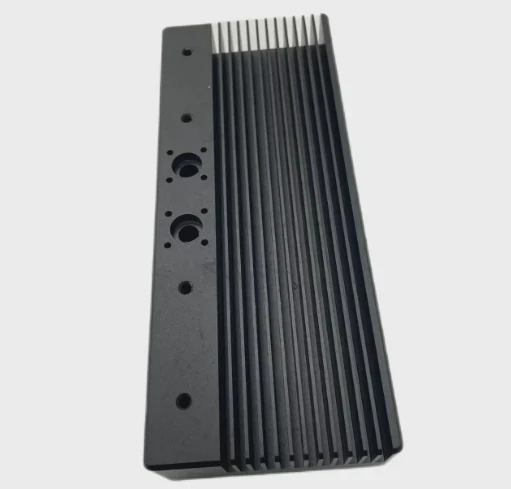
Cooling options comparison
| Type | Example Models | Pros | Cons |
|---|---|---|---|
| Air Cooler | Noctua NH-D15, DeepCool AK620 | Simple, reliable, affordable | Larger size, louder fans |
| 240mm AIO | Corsair H100i, Arctic Liquid Freezer II | Quiet, compact, effective | Slightly higher cost |
| 360mm AIO | NZXT Kraken, Lian Li Galahad | Best cooling for high loads | Requires larger case, higher price |
| Custom Loop | EKWB, Thermaltake | Max cooling & aesthetics | Expensive, complex maintenance |
Choosing by use case
- Casual users / office PCs: A premium air cooler like the Noctua NH-U12A is more than enough.
- Gamers / streamers: A 240mm AIO offers a perfect mix of quiet operation and cooling efficiency.
- Content creators / heavy multitaskers: A 360mm AIO ensures sustained performance under full load.
Make sure the cooler fits your AM4 socket and case dimensions. Also, consider case airflow — even the best cooler won’t help if hot air stays trapped inside.
What are AMD cooling trends in 2025?
As processors evolve, AMD continues to refine its approach to power and heat. In 2025, the focus is shifting toward efficiency, adaptive cooling, and AI-assisted control.
AMD’s cooling trends in 2025 highlight smart thermal management, smaller AIO designs, and eco-friendly materials to match higher efficiency CPUs.
Key 2025 cooling trends
| Trend | Description |
|---|---|
| AI thermal control | Real-time cooling adjustment for workload and noise balance |
| Smaller, smarter AIOs | Compact 120–240mm coolers with higher efficiency pumps |
| Direct-die cooling | Removing IHS layers for direct contact with coolers |
| Eco-friendly materials | Recyclable coolants and low-GWP fluids |
| Integrated thermal sensors | CPUs and motherboards working together for dynamic control |
The future of AMD cooling
AMD is working with cooler manufacturers to create smarter, self-regulating cooling systems that respond instantly to temperature changes. AI-based fan control reduces noise without sacrificing performance.
At the same time, AIO designs are becoming more compact and modular, allowing easier upgrades and maintenance.
Sustainability is also a growing priority. Many next-generation AMD-compatible coolers will use low-impact materials and longer-lasting pumps to reduce waste and energy consumption.
This direction fits AMD’s push for energy-efficient processors like the Ryzen 9000 series, where cooling intelligence matches CPU intelligence.
Conclusion
The Ryzen 7 5800X3D doesn’t need liquid cooling, but it performs best with it. A high-end air cooler is fine for most users, while a 240mm or 360mm AIO ensures lower noise and stable performance. With AMD pushing AI-driven and eco-friendly cooling innovations, 2025 is set to make cooling smarter and more efficient than ever.
TAGS
Latest Articles

Volume discount levels for heat sink orders?
Buyers often ask when heat sink prices start to drop with volume. Many worry they’re overpaying for small orders. This guide explains how B2B volume pricing works for thermal components. Heat sink
21 Dec,2025
Heat sink long-term supply contract options?
Many buyers want stable pricing and reliable delivery for heat sinks. But without a clear contract, risks grow over time. This article explores how to secure better long-term supply deals. Long-term
21 Dec,2025
Tooling cost for new heat sink profiles?
Many engineers struggle to understand why tooling for custom heat sinks costs so much. They worry about budgeting and production timelines. This article breaks down the cost drivers behind tooling.
21 Dec,2025
Heat sink custom sample process steps?
Sometimes, starting a custom heat sink project feels overwhelming—too many steps, too many unknowns, and too many risks. You want a sample, but not endless delays. The process for requesting and
20 Dec,2025
Standard B2B terms for heat sink payments?
When buyers and sellers in B2B heat sink markets talk about payment, many don’t fully understand what’s standard. This can lead to delayed orders, miscommunication, and even lost business
20 Dec,2025
Heat sink pricing factors for large orders?
Heat sinks are vital for many systems. When prices rise, projects stall and budgets break. This problem can hit teams hard without warning. Large order heat sink pricing depends on many factors. You
20 Dec,2025Related Articles
- Does a liquid cooler need thermal paste?
- How to Install an AIO Liquid Cooler?
- What is water cooling liquid?
- What liquid is in an AIO cooler?
- How much is liquid cooling system?
- Is liquid cooling silent?
- Why glass is called super cooled liquid?
- Is liquid cooling quieter than air cooling?
- What Is the Difference Between Liquid-Cooled and Air-Cooled?
- When is liquid cooling necessary?
- How to cool liquid fast?
- Is PS5 liquid cooled?
Author
Dr. Emily Chen
Chief AI Researcher
Leading expert in thermal dynamics and AI optimization with over 15 years of experience in data center efficiency research.
Categories
Latest Products






Recommend Categories
- Liquid cooling plate Manufacturer
- Industrial Heat Sink Manufacturer
- Standard Heat Sink Manufacturer
- Aluminum Heat Sink Manufacturer
- Copper Heat Sink Manufacturer
- Anodized Heatsink Manufacturer
- Stamping heat sink Manufacturer
- Die Casting Heatsink Manufacturer
- Soldering heat sink Manufacturer
- CNC Parts Manufacturer
Latest Products
- Wholesale Aluminum Radiator
- Water Cooling Plate Kit
- Water Cooling Heat Sink
- Water Cooling Heat Sink Kit
- Stainless Steel Water Distributor
- Server Water Cooling Plate Kit
- Server Liquid Cooling System
- Server Aluminum Cooling Kit
- S19 Full Cover Cooling Plate
- S19 Cooling Plate Kit
- S19 Aluminum Cooling Plate
Contact Expert
Have questions about this article? Reach out to our experts directly.