Is liquid cooling silent?
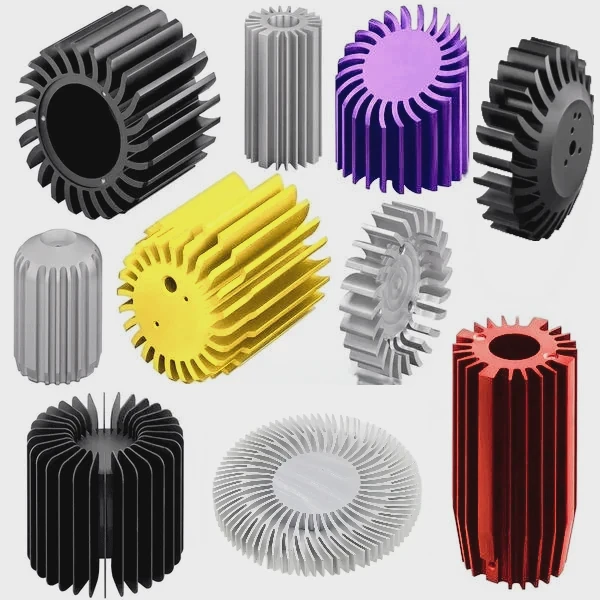
When people switch from air cooling to liquid cooling, they often hope for one thing — silence. The dream is a powerful PC that performs at full speed without making any noise.
Liquid cooling is not completely silent, but it is significantly quieter than air cooling because it requires fewer and slower fans to manage heat.
It’s not perfect silence, but close enough that most users will only hear a gentle hum. Let’s explore what makes it quieter, what benefits it brings, and how to fine-tune your system for true silence.
What makes liquid cooling quieter?
Cooling noise mainly comes from moving air and vibrating components. Liquid cooling reduces both by changing how heat travels.
Liquid cooling is quieter because it transfers heat using coolant flow instead of high-speed air movement, allowing fans and pumps to run slower.
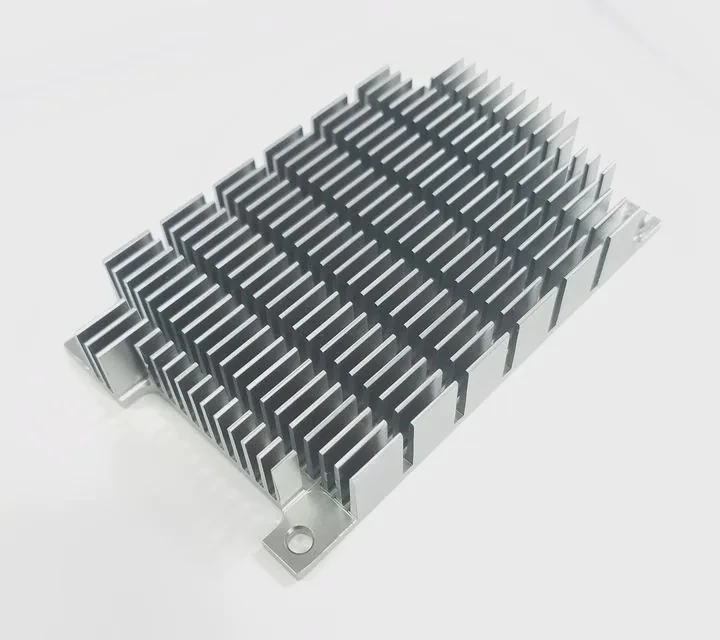
When heat moves through fluid instead of air, there is less need for constant airflow or loud fans. The liquid absorbs heat efficiently and delivers it to the radiator, where slow-moving fans quietly push it away.
Common sources of cooling noise
| Source | Description | Noise Level |
|---|---|---|
| Fans | High RPM creates air turbulence | High |
| Pump | Motor vibration and fluid noise | Medium |
| Air Bubbles | Cavitation or trapped air in the loop | Medium |
| Case Panels | Resonance from vibration | Low |
How design affects sound
In a liquid system, large radiators and efficient coolant flow reduce the need for high-speed airflow. Fan blades move slower, the pump hum is consistent, and heat dissipates smoothly.
The result is a steady, low-frequency sound instead of sharp fan whines. That difference is what makes liquid cooling so appealing for quiet builds.
When I first switched to liquid cooling, the difference was immediate. The system went from sounding like a small wind tunnel to a calm, steady hum — barely audible even during long gaming sessions.
What are its noise-reduction benefits?
Silence is more than comfort. It affects focus, productivity, and even system performance. When cooling becomes quieter, the entire computing experience improves.
Liquid cooling lowers fan speeds, stabilizes temperature, and removes mechanical strain, resulting in quieter, smoother, and more reliable performance.
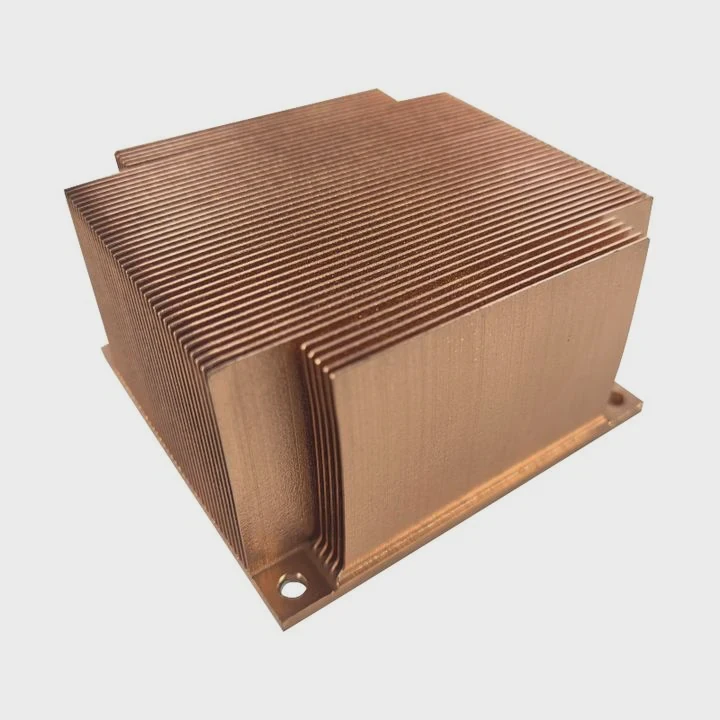
Main noise-reduction benefits
| Benefit | Description |
|---|---|
| Lower Fan RPM | Radiator fans run slower to maintain temperature |
| Stable Temperature | Less fluctuation means fewer sudden fan speed spikes |
| Reduced Vibration | Pumps and fans generate minimal mechanical noise |
| Quieter Work Environment | Ideal for studios, offices, and nighttime use |
| Enhanced Lifespan | Less mechanical stress on fans and components |
The real-world difference
With air cooling, the fans ramp up and down as CPU temperatures spike, creating sudden bursts of noise. In contrast, liquid cooling spreads heat more evenly. The radiator’s large surface area allows for slower, constant airflow, keeping noise levels stable.
The typical sound profile of a liquid-cooled system stays between 20–30 dB, while air-cooled setups often exceed 40 dB under heavy load.
For professionals working in recording studios or editing rooms, this quiet operation is not just pleasant — it’s essential. Silence keeps focus sharp and equipment unobtrusive.
How to achieve silent cooling setup?
Even the best liquid cooler can be noisy if not installed or tuned correctly. To achieve true silence, every detail matters — from pump speed to fan curve and vibration control.
To make a liquid cooling system silent, use low-RPM fans, control pump speed, remove air bubbles, and isolate vibrations with rubber mounts.
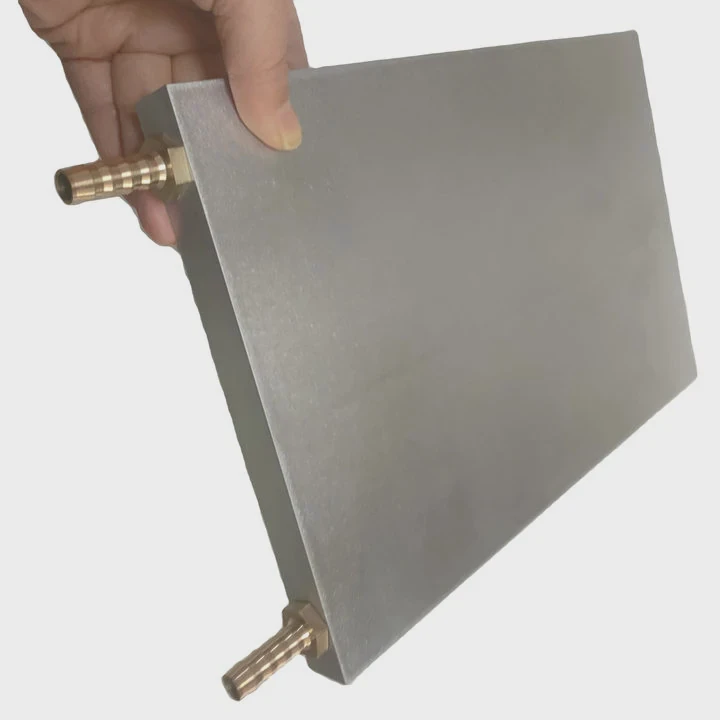
Key steps to achieve silence
Control fan curves:
Use BIOS or software to adjust how quickly fans respond to temperature changes. Set a smooth, gradual curve.Reduce pump speed:
Most pumps can run at 60–70% speed without performance loss. This significantly reduces noise and vibration.Eliminate air bubbles:
Air trapped in the loop causes gurgling sounds. Tilt and cycle the system during setup to purge air.Use anti-vibration mounts:
Install rubber dampeners on fans, pumps, and radiators to prevent resonance from transferring to the case.Select quiet components:
Choose fans designed for low noise, like those with magnetic or fluid dynamic bearings.
Pro setup tips
| Component | Tip for Silence |
|---|---|
| Fans | Use large (140mm) fans at low RPM |
| Pump | Mount with foam padding or soft brackets |
| Radiator | Install where airflow is natural (top/front) |
| Case | Choose one with sound-dampening panels |
| Software | Enable smart control for adaptive quiet mode |
When I tuned my cooling system, I found that reducing the pump speed from 100% to 70% cut the noise by half, without raising temperatures more than 2°C. Careful adjustments like this can turn a loud system into a whisper-quiet workstation.
What are the trends in silent cooling tech?
As computers grow more powerful, cooling solutions evolve. The industry is shifting toward smarter, quieter, and maintenance-free systems.
Silent cooling trends include AI-controlled pumps, magnetic levitation fans, vapor chamber radiators, and passive liquid cooling designs.
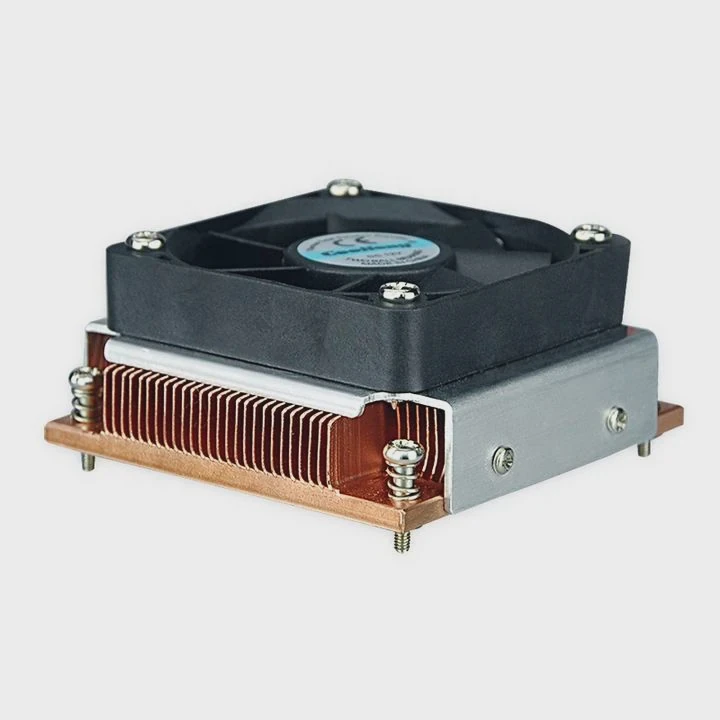
Emerging technologies for silent cooling
| Technology | Description | Benefit |
|---|---|---|
| AI Thermal Management | Adjusts fan and pump speed dynamically | Balanced silence and performance |
| MagLev Fans | Magnetic bearings remove friction noise | Ultra-quiet operation |
| Vapor Chamber Radiators | Spread heat evenly without high airflow | Lower fan dependency |
| Passive Liquid Systems | Use convection instead of active pumps | True silent performance |
| Smart Flow Sensors | Monitor liquid motion and detect air pockets | Prevents gurgling and noise issues |
Toward the era of noiseless cooling
Modern liquid coolers use AI algorithms that predict CPU heat output and regulate pump activity before temperatures rise. This smooth adjustment avoids abrupt fan changes and keeps the sound constant.
New magnetic levitation fans eliminate bearing friction completely, resulting in near-silent airflow.
Some premium designs now use phase-change fluids or passive loops, which rely on natural convection to circulate coolant — no pump, no fan, no sound.
I recently tested a passive liquid cooler in an industrial control setup. It used no moving parts, yet maintained a consistent 60°C under heavy load. The experience was surreal — absolute silence with full thermal control.
These innovations show that silent cooling is not a dream anymore. It’s becoming the new standard for both high-end desktops and professional systems.
Conclusion
Liquid cooling is not completely silent, but it comes close when properly configured. By optimizing pump speed, fan control, and system design, you can achieve a nearly noiseless setup. With new technologies like AI pumps and magnetic fans, the future of silent cooling looks even quieter.
TAGS
Latest Articles

Volume discount levels for heat sink orders?
Buyers often ask when heat sink prices start to drop with volume. Many worry they’re overpaying for small orders. This guide explains how B2B volume pricing works for thermal components. Heat sink
21 Dec,2025
Heat sink long-term supply contract options?
Many buyers want stable pricing and reliable delivery for heat sinks. But without a clear contract, risks grow over time. This article explores how to secure better long-term supply deals. Long-term
21 Dec,2025
Tooling cost for new heat sink profiles?
Many engineers struggle to understand why tooling for custom heat sinks costs so much. They worry about budgeting and production timelines. This article breaks down the cost drivers behind tooling.
21 Dec,2025
Heat sink custom sample process steps?
Sometimes, starting a custom heat sink project feels overwhelming—too many steps, too many unknowns, and too many risks. You want a sample, but not endless delays. The process for requesting and
20 Dec,2025
Standard B2B terms for heat sink payments?
When buyers and sellers in B2B heat sink markets talk about payment, many don’t fully understand what’s standard. This can lead to delayed orders, miscommunication, and even lost business
20 Dec,2025
Heat sink pricing factors for large orders?
Heat sinks are vital for many systems. When prices rise, projects stall and budgets break. This problem can hit teams hard without warning. Large order heat sink pricing depends on many factors. You
20 Dec,2025Related Articles
- Does Liquid Cooling Require Maintenance?
- Is 240mm liquid cooling enough?
- How to upgrade to liquid cooling?
- How does a liquid cooler work?
- Does 5800X need liquid cooling?
- Can Liquid Cooling Leak?
- How much is liquid cooling system?
- What liquid is in an AIO cooler?
- What is water cooling liquid?
- How to Install an AIO Liquid Cooler?
- Does a liquid cooler need thermal paste?
- Does 5800X3D need liquid cooling?
Author
Dr. Emily Chen
Chief AI Researcher
Leading expert in thermal dynamics and AI optimization with over 15 years of experience in data center efficiency research.
Categories
Latest Products






Recommend Categories
- Liquid cooling plate Manufacturer
- Industrial Heat Sink Manufacturer
- Standard Heat Sink Manufacturer
- Aluminum Heat Sink Manufacturer
- Copper Heat Sink Manufacturer
- Anodized Heatsink Manufacturer
- Stamping heat sink Manufacturer
- Die Casting Heatsink Manufacturer
- Soldering heat sink Manufacturer
- CNC Parts Manufacturer
Latest Products
- Wholesale Aluminum Radiator
- Water Cooling Plate Kit
- Water Cooling Heat Sink
- Water Cooling Heat Sink Kit
- Stainless Steel Water Distributor
- Server Water Cooling Plate Kit
- Server Liquid Cooling System
- Server Aluminum Cooling Kit
- S19 Full Cover Cooling Plate
- S19 Cooling Plate Kit
- S19 Aluminum Cooling Plate
Contact Expert
Have questions about this article? Reach out to our experts directly.